

Ukraine appears to have acquired an additional long-range strike capability — the Pelican UAV. Its precise specifications and design details have not yet been publicly disclosed; however, preliminary reports regarding its deployment in combat offer a tentative understanding of its role within Ukraine’s Deep Strike systems. We have compiled all currently available information about the Pelican and sought to evaluate its potential mission profile, operational range, and combat capabilities.
The designation “Pelican” gained widespread recognition after the attack in the Moscow region on September 20. Ukrainian President Volodymyr Zelenskyy enumerated it among Ukrainian long-range weapon systems in use, alongside the FP-1, “Palyanytsia,” “Liutyi,” “Flamingo,” and other systems. Initial media speculation suggested that “Pelican” might refer to the FP-7 ballistic missile; however, sources from RBC-Ukraine later clarified that it is an airframe-type uncrewed aerial vehicle rather than a ballistic missile. Further specifics regarding its design have not been publicly disclosed.
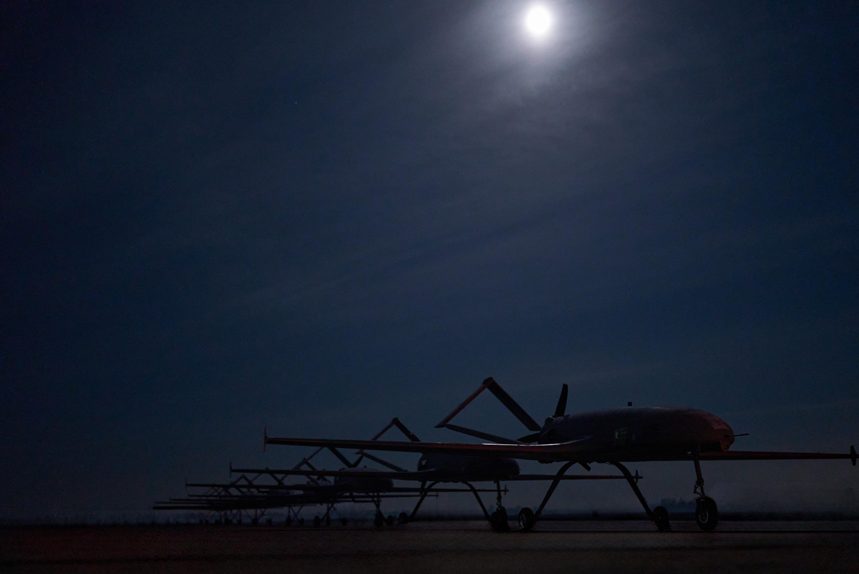
Aviation expert Bohdan Dolintse furnished initial preliminary specifications. He estimated that the drone’s minimum range could be approximately 800 km, with an optimal potential range near 1,000 km. The warhead weight was estimated at 90–100 kg. However, these figures are not official specifications for the Pelican and have not yet been verified by the manufacturer or the Ukrainian military.
A long-range strike UAV of this class can be conceptualized as a compact unmanned aircraft engineered for extended flights to a predetermined location. The propulsion system supplies thrust, the autopilot manages the aircraft’s operations, and the navigation system ascertains its position while modifying its course as necessary. Upon completing its designated trajectory, the aircraft proceeds toward the specified target. It is presently uncertain whether the Pelican employs this precise navigation and control architecture; however, this remains the conventional operational principle for systems of this nature.
The designation “Pelican” may also pertain to the aircraft’s visual characteristics. A notable attribute of the pelican is its sizeable beak with a substantial pouch beneath. Should the new UAV feature a comparable protuberance on the nose — potentially resulting from the configuration of the payload bay or the air intake — such a nomenclature would be entirely justifiable. Nevertheless, there are presently no verified photographs of the Pelican or any elucidation regarding the etymology of its name.
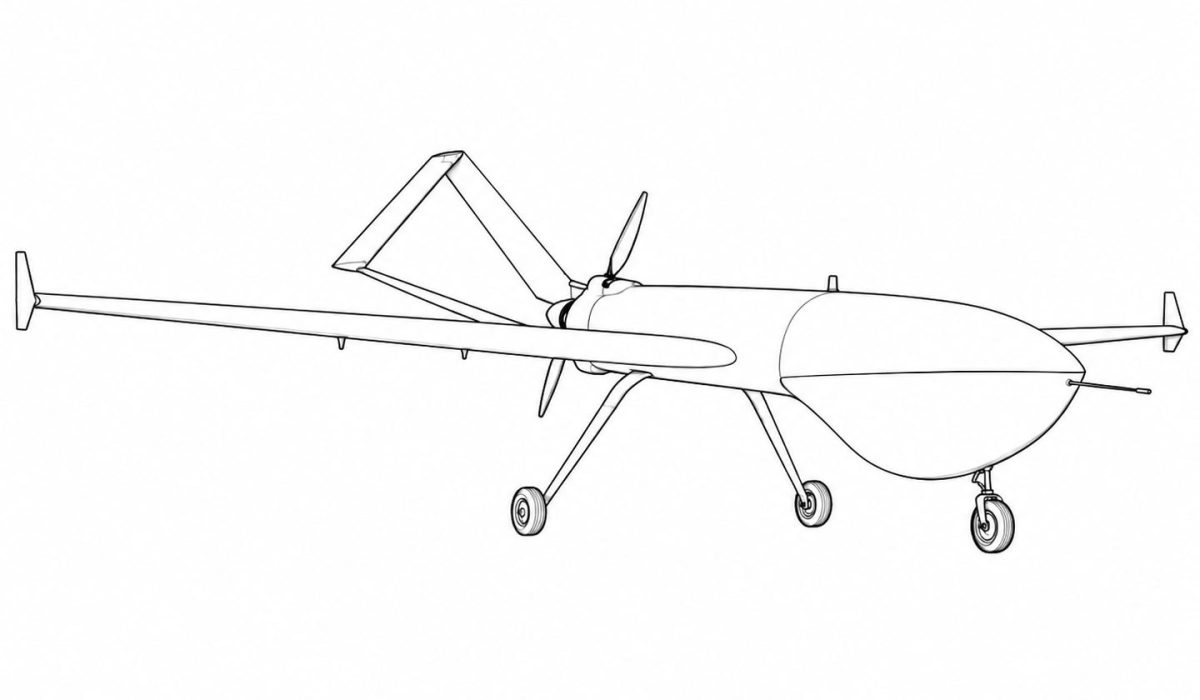
The introduction of yet another long-range platform broadens the scope of systems available to Ukraine for deployment over considerable distances. Variations among UAVs in terms of range, payload capacity, speed, and cost introduce complexities in air defense operations when utilized concurrently. If the anticipated combat payload of 90–100 kg is confirmed, the Pelican may emerge as a system optimized not only for extended range but also for carrying a comparatively substantial payload.
Based on its intended use, the Pelican can be tentatively classified in the same category as the Ukrainian long-range UAVs “Liutyi” and FP-1. However, this does not imply that the new aircraft replicates their design. As no photographs of the Pelican have been publicly released, it is currently infeasible to ascertain its aerodynamic configuration, dimensions, or engine type.
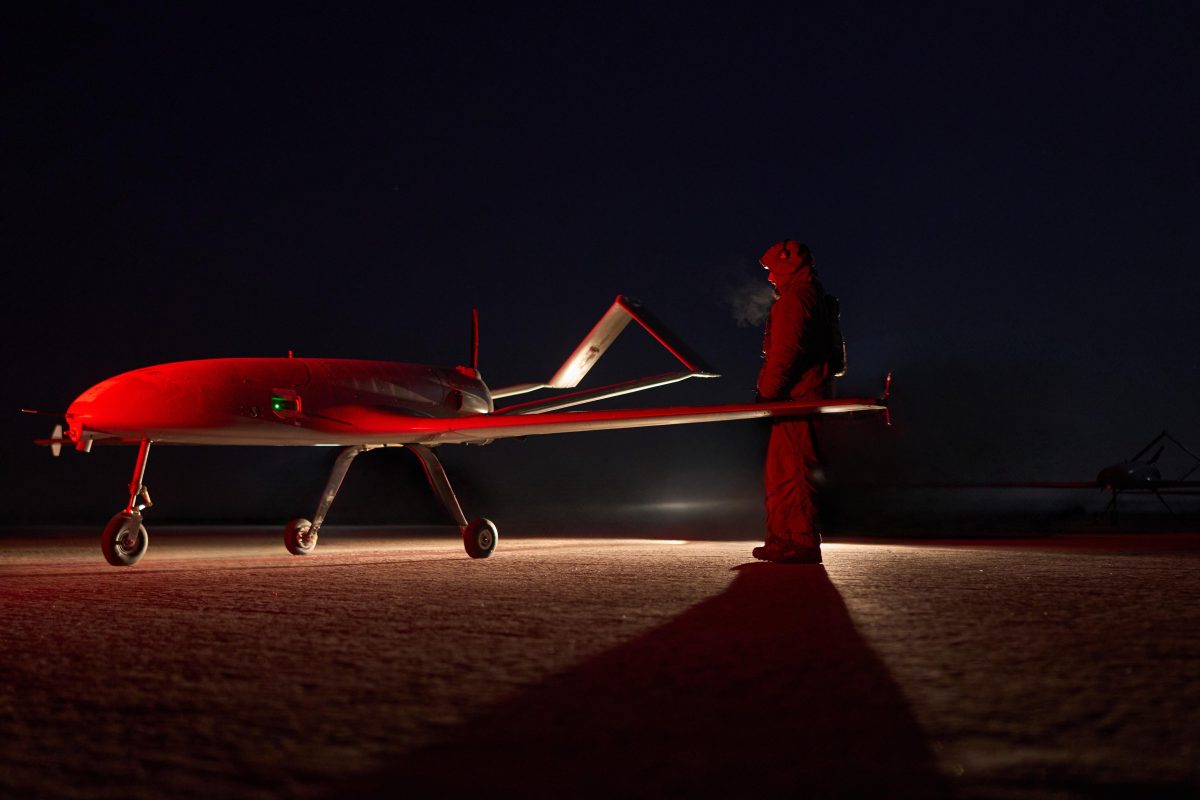
For now, Pelican remains one of the most secretive Ukrainian Deep Strike systems. The only reliably known facts are its existence, its combat use, and that it is an airframe-type UAV. Its remaining specifications require further confirmation.
