

In the fall of 2012, during the CRS-1 mission, the crew of the orbiting station received supplies delivered by a private company under contract for the first time, much like an ordinary parcel. Since then, the U.S. space agency has been purchasing an increasing range of such services, from cargo transportation to astronaut flights, and eventually plans to rent space aboard commercial orbital facilities.
Delivery as a Service
Fourteen years ago, the U.S. space agency sent supplies into orbit for the first time in much the same way an ordinary person orders a parcel. It purchased neither the rocket nor the spacecraft, but the cargo flight itself. The hardware remained the property of the private company that built it.
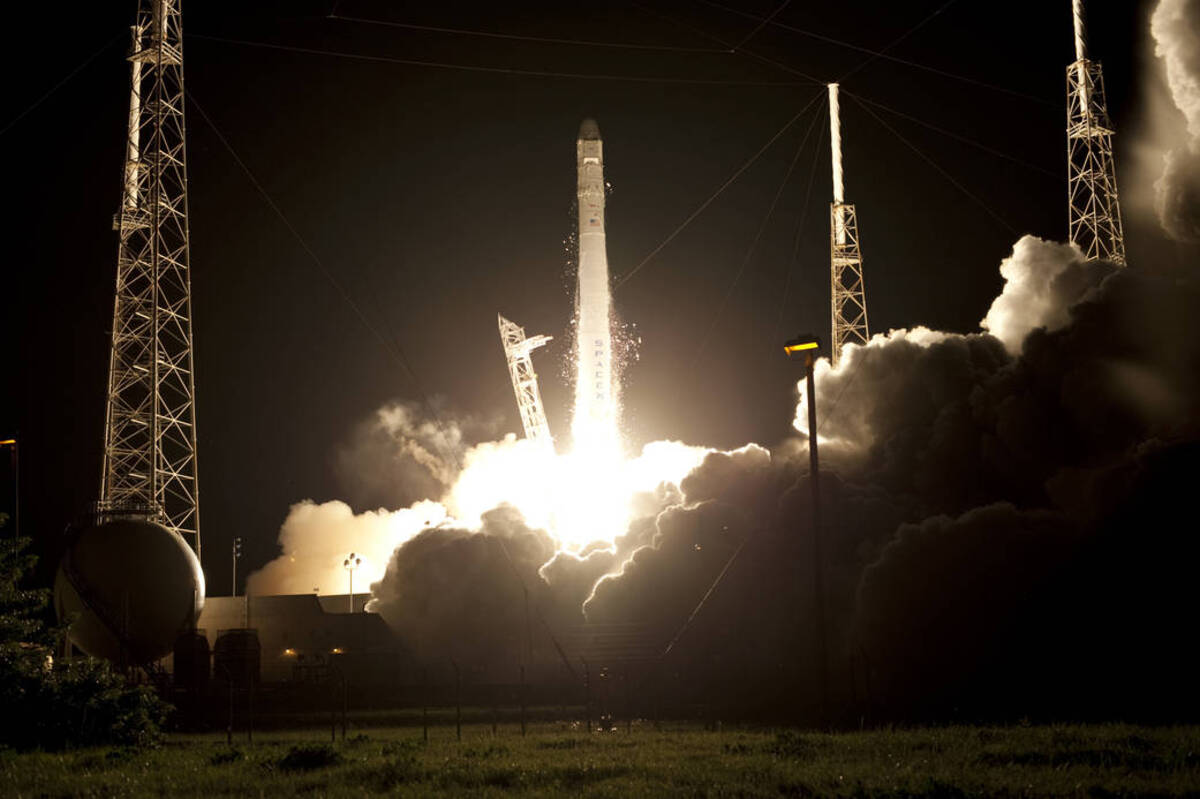
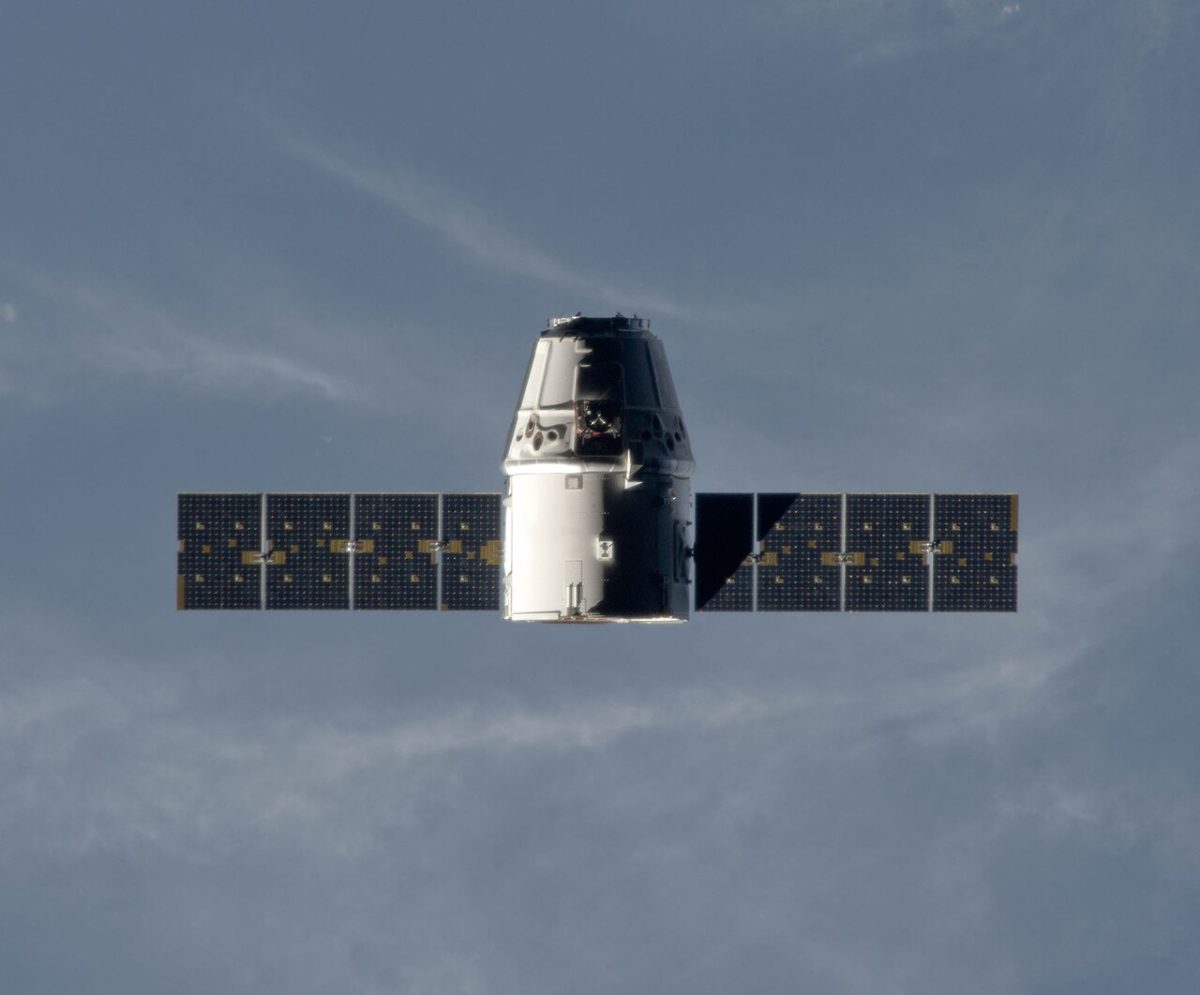
The first such delivery began in the early hours of October 7, 2012, at around 8:30 p.m. in Florida. A SpaceX Falcon 9 rocket lifted off from Cape Canaveral carrying a Dragon cargo spacecraft, which was berthed to the International Space Station (ISS) two days later. This was SpaceX CRS-1, the first flight under NASA’s Commercial Resupply Services program.
NASA Without a Space Truck
To understand why the U.S. agency decided to purchase flights in the first place, we need to go back one year. In the summer of 2011, NASA ended the Space Shuttle program. For decades, these reusable spacecraft had carried people and large cargo loads into orbit. Crucially, they could also bring equipment and experimental results back to Earth from the ISS. After their final flight, the United States no longer had its own means of delivering supplies to the station.
At the time, supplies for the crew were delivered by Russian Progress vehicles and European and Japanese cargo spacecraft. Once unloaded, they were filled with waste from the station and burned up with it in the atmosphere. Returning anything to Earth was therefore possible only in the cramped Soyuz descent capsule, alongside the astronauts.

NASA had begun looking for a solution before the shuttle flights ended. The agency chose not to build a new government-owned spacecraft because it wanted a commercial space transportation market to emerge in the United States, with several providers competing for contracts. Beginning in 2006, it partially funded the development of private cargo spacecraft, while the companies also invested their own money. Contracts for the flights themselves followed in late 2008. SpaceX received $1.6 billion for 12 flights, and Orbital Sciences received $1.9 billion for eight. For Elon Musk’s company, the contract effectively became a lifeline, as it was then on the brink of bankruptcy.
Typically, the government purchases the spacecraft itself and covers its costs, even if development becomes more expensive. Here, the price of each flight was fixed, so the company had to absorb any cost overruns. In return, it could sell launches on the same rocket to other customers.
An Engine Failure in Flight
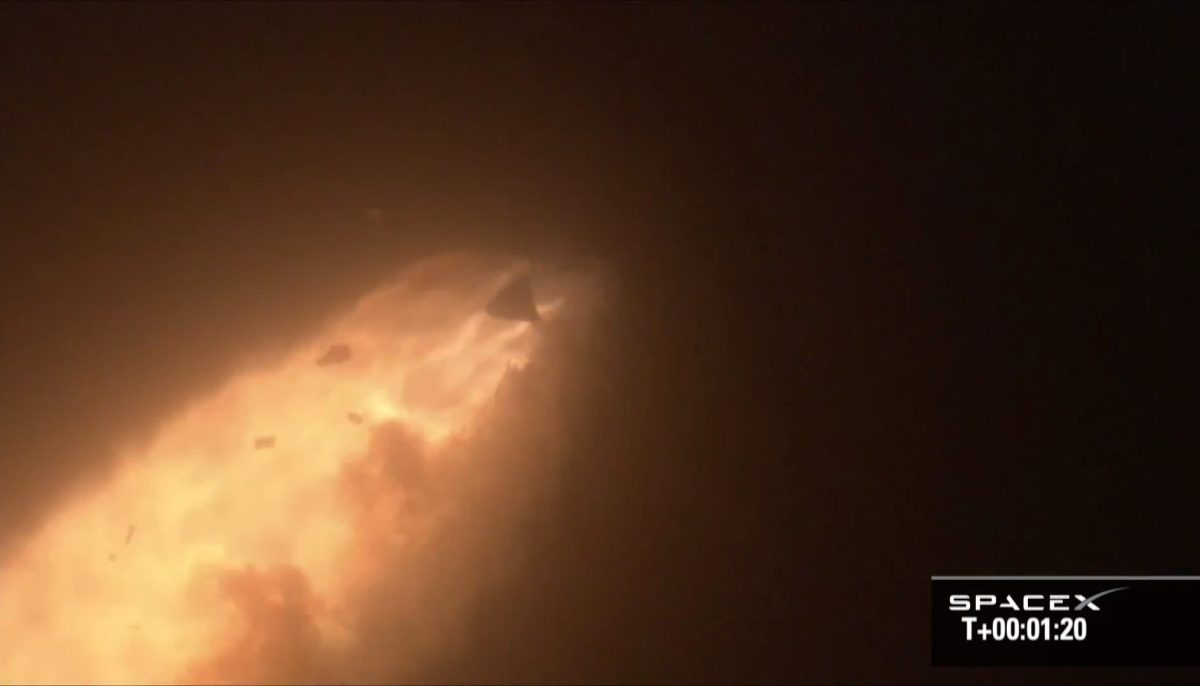
The CRS-1 flight began with an anomaly. Seventy-nine seconds after liftoff, pressure suddenly dropped in one of the first stage’s nine engines, and it was immediately shut down. There was no explosion, although debris is visible in the nighttime launch footage. The debris came from the fairing that protected the damaged engine from the oncoming airflow. Falcon 9 had been designed for precisely this situation, so the onboard computer recalculated the trajectory, and the remaining eight engines burned longer than planned. The spacecraft reached its intended orbit.
Things went less well for an Orbcomm communications satellite carried alongside the spacecraft as a secondary payload. To place it in a higher orbit, the second-stage engine needed to restart. The longer burn during ascent had consumed more propellant, reducing the probability of successfully completing this maneuver to approximately 95%. ISS safety rules required a probability above 99% to ensure that the spent rocket would not end up on a trajectory intersecting the station’s orbit, so NASA did not approve the maneuver. The satellite had to be sacrificed. It remained in an orbit that was too low and burned up in the atmosphere two days later.
The spacecraft itself approached the station on October 10. Astronauts Akihiko Hoshide of the Japan Aerospace Exploration Agency and Sunita Williams of NASA captured it with the ISS robotic arm and berthed it to the Harmony module. The hatch was opened that same day, a day ahead of schedule.
The spacecraft contained approximately 400 kg of supplies and equipment, or just over 900 kg including packaging. For almost three weeks, the crew unloaded it and packed the items that needed to be returned to Earth.
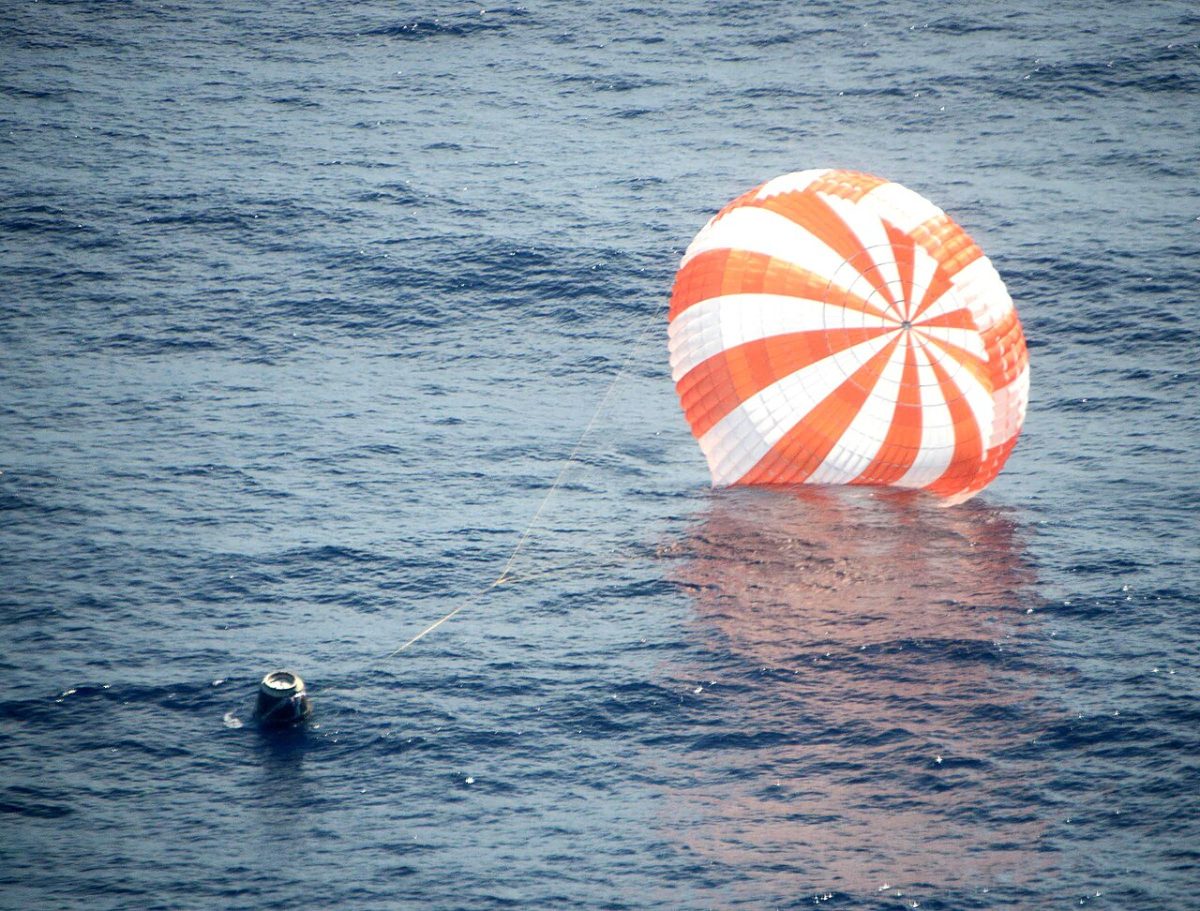
The spacecraft splashed down in the Pacific Ocean on October 28, approximately 400 km off Mexico’s Baja California Peninsula. It carried more than 720 kg of cargo, including a freezer containing samples from scientific experiments. Only the pressurized capsule returned. The unpressurized trunk had been separated while still in orbit and burned up in the atmosphere.
Two Myths About Dragon
It is commonly believed that no private spacecraft had reached the ISS before CRS-1. In fact, a commercial spacecraft had visited the station several months earlier. Dragon first reached orbit in December 2010, carrying only a wheel of cheese that SpaceX had placed aboard as a joke. In May 2012, Dragon flew to the station on a demonstration mission and was berthed on May 25 with 460 kg of food, clothing, and scientific equipment. After assessing the results, NASA certified the rocket and spacecraft for regular deliveries. That flight was a test conducted under the development program, so CRS-1 remains the first paid delivery.
News reports at the time often stated that Dragon had docked with the ISS. For that to have happened, however, the spacecraft would have needed to approach a dedicated docking port and attach itself. The first-generation spacecraft merely held position approximately 10 meters from the station. Astronauts then used the robotic arm to bring it in and berth it. Cargo Dragons have been attaching to the ISS without crew involvement only since December 2020, when the new version began flying.
Private Stations to Replace the ISS
Dragon cargo flights under the commercial resupply program continue to this day. The most recent, CRS-34, launched in May 2026 and delivered approximately 2,950 kg to the ISS, compared with roughly 400 kg on the first flight. The next mission, CRS-35, is scheduled for November.
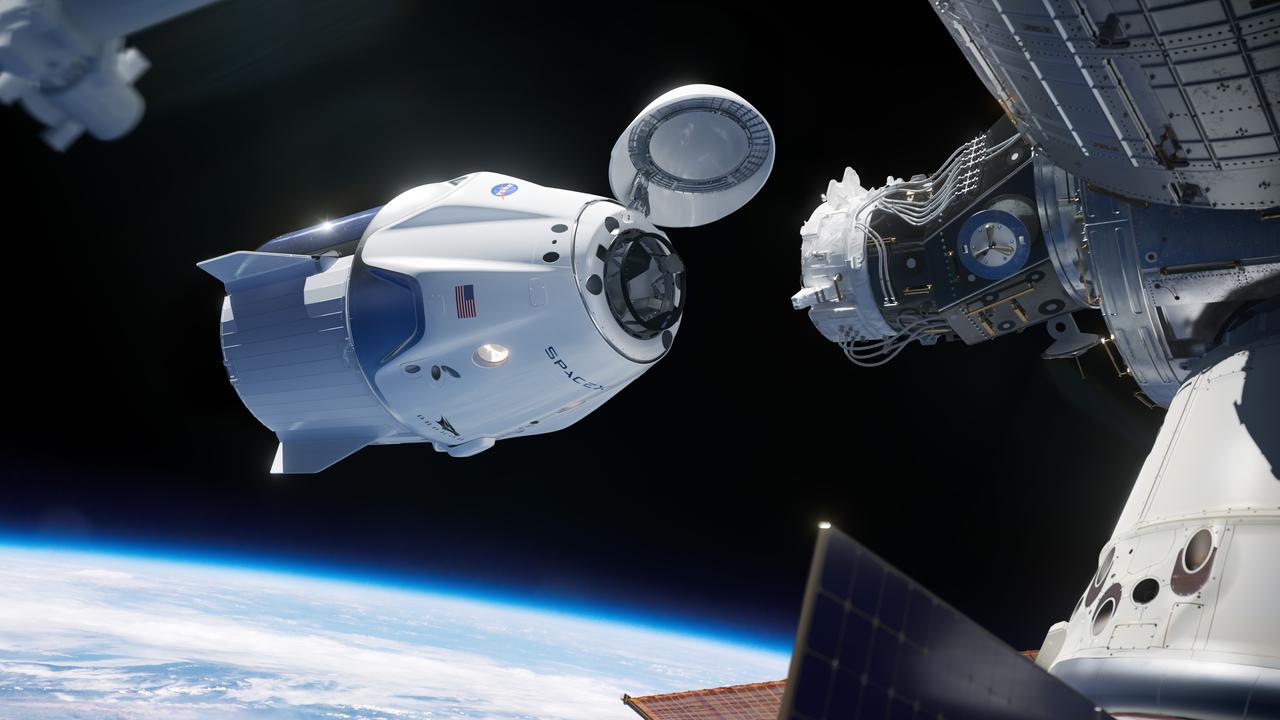
Since 2020, the new generation of Dragon spacecraft has also been carrying American astronauts to the station. The ISS itself has only a few years of operations remaining, and NASA plans to deorbit it at the end of 2030 using a dedicated tug being built by SpaceX.
After that, the agency wants to rent space for its astronauts aboard private stations and become just one of their customers. In the spring of 2026, another option was considered: a government-owned module to which companies would attach their own modules. However, this option was abandoned in June. Several American companies are already developing commercial orbital facilities, but none is yet operating in space. Under the terms of the competition, a draft of which NASA released in July, applicants must be ready for a crewed test flight as early as 2029.
