

Thirty years prior, the United Nations adopted a treaty aimed at ceasing all nuclear testing globally. However, the treaty never became effective. In the interim, nuclear tests gradually ceased.
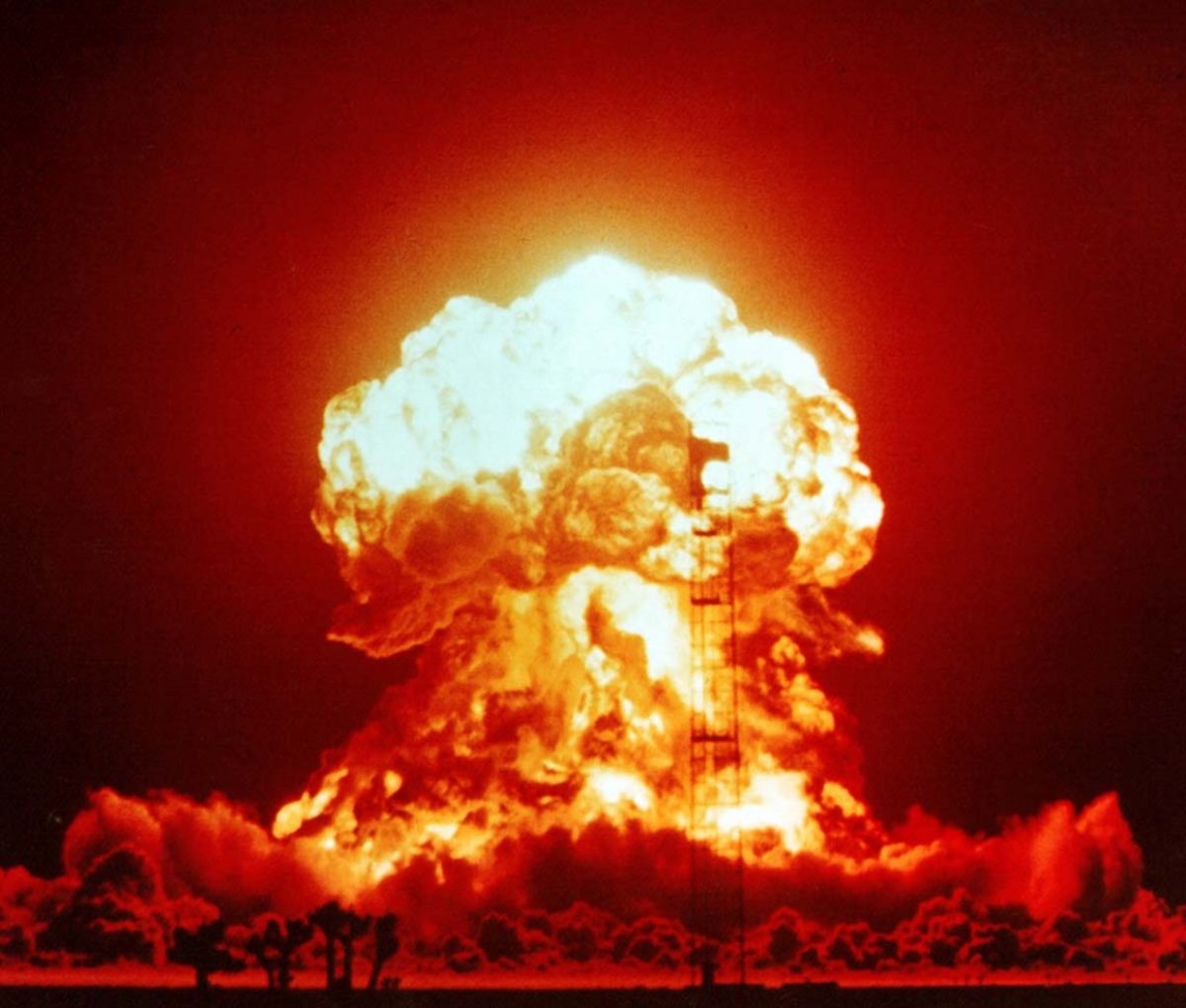
So that the world might not perish
For several decades, the prospect of a global nuclear war has been regarded as a potential scenario for human extinction. Such a conflict could result in the destruction of all major cities, eliminating their populations through fire, shock waves, and radiation. Additionally, survivors would confront a global cooling phenomenon, which would significantly complicate food cultivation.
This is precisely the reason why a movement advocating for the restriction and prohibition of nuclear weapons has persisted for several decades. It manifests in various forms, given that it is universally recognized that weapons based on nuclear fission constitute one of the most significant elements in global power dynamics. Nevertheless, there exists a concern that, as a result of a power struggle involving the deployment of atomic bombs, the very existence of the world might be jeopardized.
Certainly, Earth’s biosphere is resilient enough to endure even a global nuclear conflict. Moreover, humanity as a whole is likely to survive as well. However, resolving current disagreements regarding the superiority of different lifestyles through the use of atomic bombs will almost certainly result in the obliteration of all familiar ways of life.
That is why countries have repeatedly endeavored to restrict nuclear weapons through a multitude of treaties. The most ambitious of these agreements was adopted precisely thirty years ago, on September 10, 1996. The “Comprehensive Nuclear-Test-Ban Treaty” fulfilled its title by aiming to entirely prohibit even nuclear explosions classified as “research” or “test” detonations. After all, if one does not engage in practicing the use of a particular weapon, it diminishes its utility, consequently increasing the probability of its eventual abandonment.
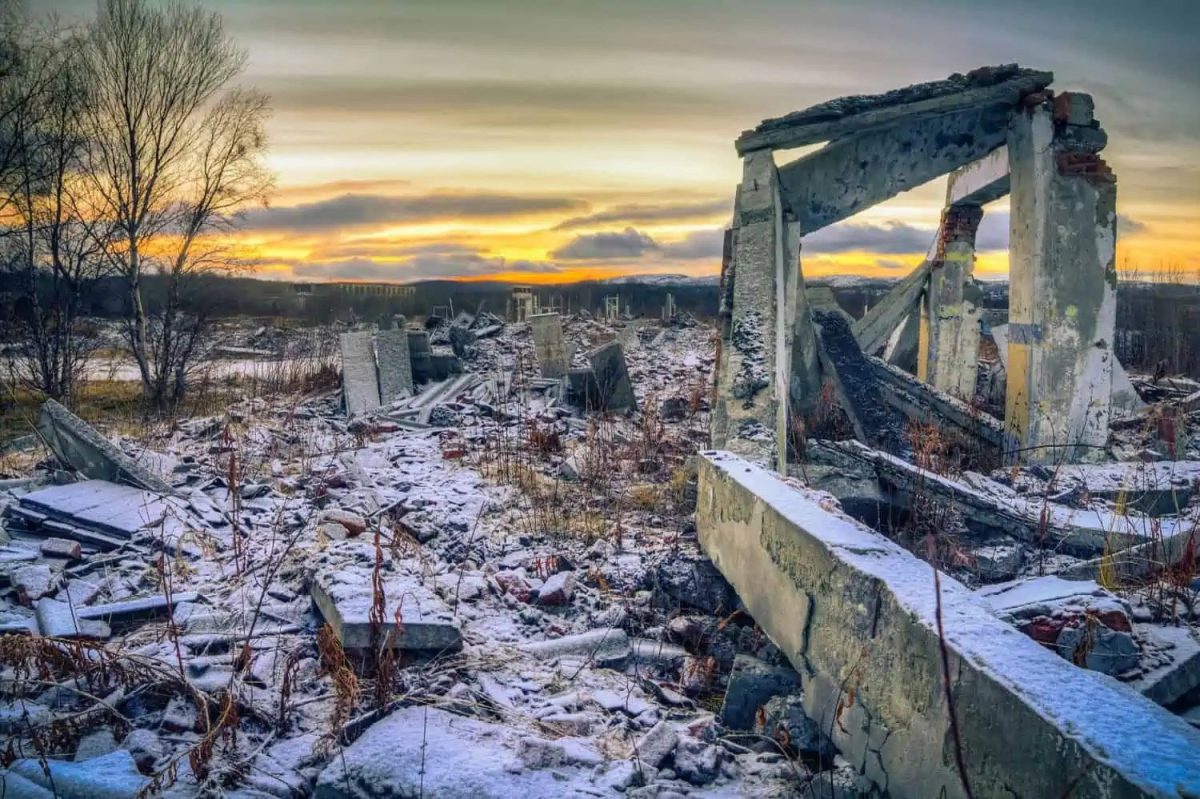
Theoretically, this treaty might have prevented the actual deployment of nuclear arsenals. The sole issue is that, over a span of thirty years, it has never come into effect. To some extent, this is not of fundamental significance; however, to comprehend the reasons, it is essential to analyze the various forms of nuclear testing and their historical development.
Types of nuclear explosions
Depending on the environment in which they occur, nuclear tests may be categorized as surface, atmospheric, underwater, space, and underground tests. These classifications are self-explanatory. A surface nuclear explosion is the most straightforward to execute, requiring merely a structure suitable for mounting the device.
This precisely describes the events of the first nuclear test, “Trinity,” conducted on July 16, 1945, at the Alamogordo test site. It was at this location that the primary issue associated with ground-based explosions was clearly demonstrated. A substantial amount of the energy is channeled into the ground, diminishing the strength of the shock wave and the fireball; however, the radiation continues to contaminate the surrounding environment.
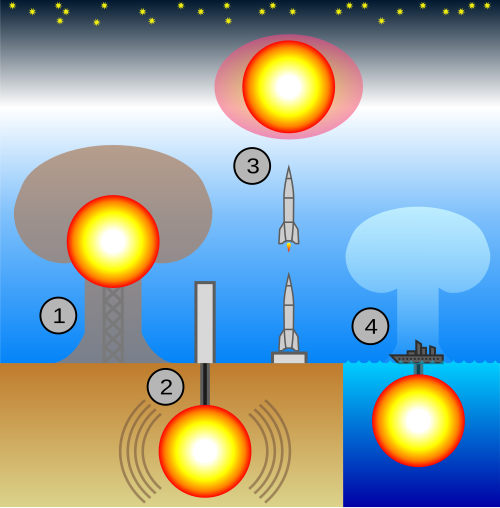
This is the fundamental reason why the only two occurrences in history involving the deployment of nuclear weapons for military objectives were associated with aerial detonations. Specifically, Hiroshima and Nagasaki were razed by bombs deployed via parachute and detonated at a predetermined altitude.
The detonation of the “Tsar Bomba,” the most potent nuclear device ever tested, was a conducted air burst. This event occurred on October 30, 1961, on Novaya Zemlya island. An explosion in the lower atmospheric layers results in significant radioactive contamination; additionally, the fireball and shock wave reach their maximum intensity.
The subsequent phase involves underwater detonations. The United States executed its inaugural such explosion on July 25, 1946, in the vicinity of Bikini Atoll as part of Operation Crossroads. The experiment demonstrated that the concept was fundamentally valid, as it generated a massive wave capable of capsizing and sinking adversary fleets, as well as washing ports out to sea.
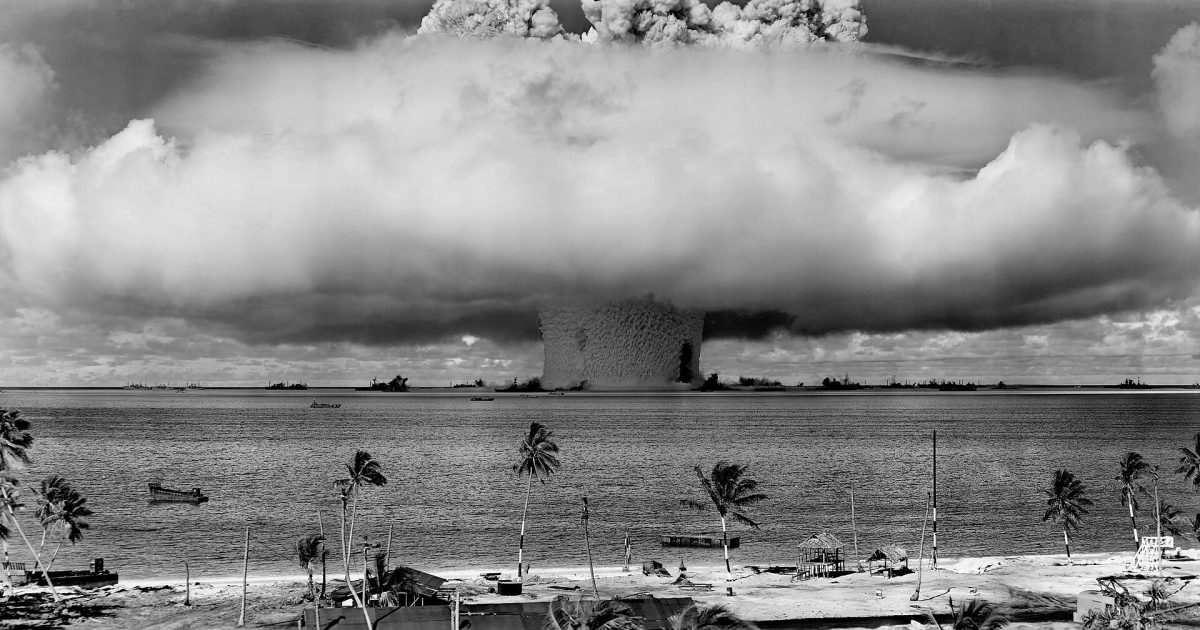
Radiation contamination was also significant; however, it was not the primary concern. For practical implementation, a sufficiently large body of water was required to deliver the charge to the enemy without detection. Consequently, the employment of such charges was considerably restricted.
Underground explosions are distinguished by the fact that their primary consequence is a minor earthquake. Additionally, their utilization for military purposes is virtually infeasible due to the necessity of excavating extensive tunnels. Consequently, they were initially unpopular; however, they eventually became the predominant method for testing.
Finally, there are the space tests. In total, there have been only nine in history, and only two of them took place at an altitude of more than 400 km. The 1962 Starfish Prime test deserves special mention here. Its yield was 1.7 megatons of TNT equivalent, and nobody was pleased with the result. The electromagnetic pulse proved to be far too indiscriminate and incapacitated one-third of all existing satellites.
Bans that proved ineffective
The results of Starfish Prime and the “Tsar Bomba” test precipitated the initial endeavor in 1963 to impose restrictions on nuclear testing. This initiative materialized as the “Partial Nuclear Test Ban Treaty,” commonly referred to by the location of its signing, the “Moscow Treaty.”
By that point, in the 18 years that had elapsed since “Trinity,” humanity had conducted approximately 450 nuclear detonations — equating to an average of one atomic explosion every two weeks. Nearly half of these detonations were carried out by the United States, although the Soviet Union executed an equivalent number, while the United Kingdom and France each detonated only a limited number of devices.
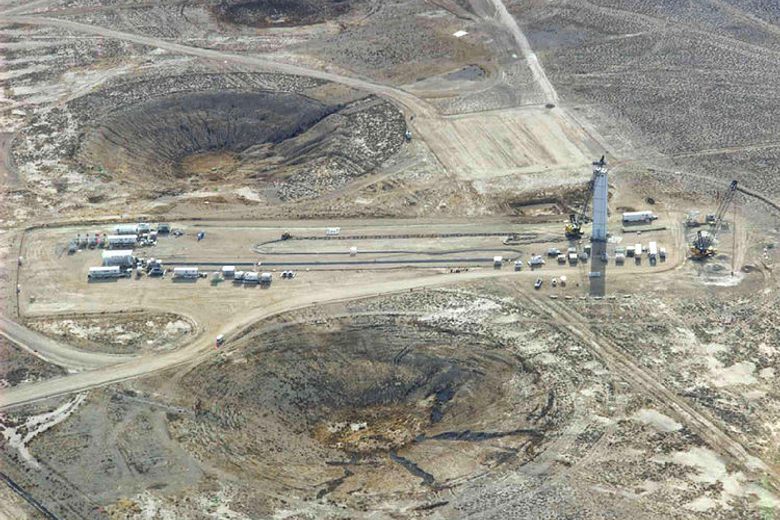
Of these, nearly 140 — which constitutes over a quarter — occurred in 1962 alone, the year prior to the signing of the treaty. The majority of these explosions transpired on the Earth’s surface or within the atmosphere, resulting in a consistent increase in the concentration of radioactive elements in our planet’s atmosphere.
The “Moscow Treaty” was negotiated without any involvement from the United Nations. Its signatories were the USSR, the United States, and the United Kingdom; however, several other nations subsequently acceded. France and China, both of whom later became nuclear powers, deferred signing for several years.
Consequently, space tests were entirely discontinued. Externally and in the atmosphere, their frequency gradually declined. Nevertheless, a considerable number of tests persisted underwater and underground.
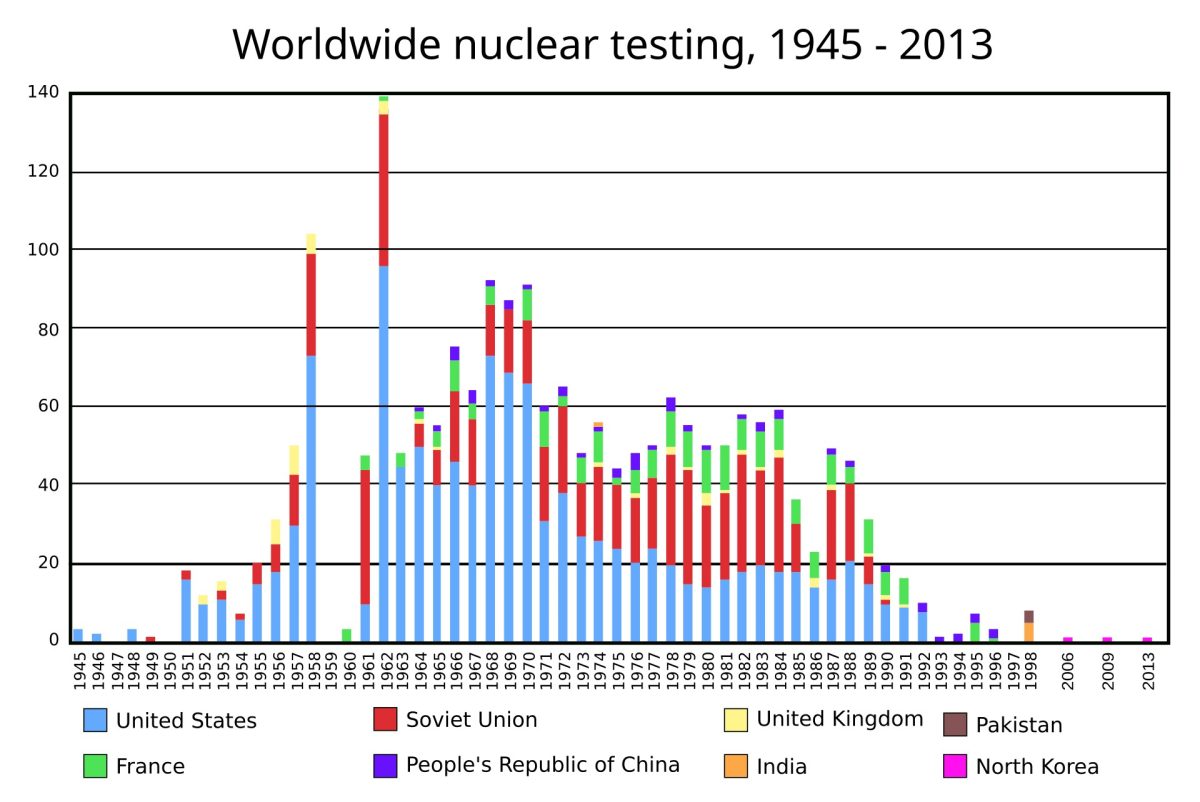
The total number of nuclear tests worldwide initially declined following the Cuban Missile Crisis; however, by 1970, it had increased again to nearly 90 per year. Subsequently, it declined once more. Nevertheless, until the mid-1960s, approximately 50 to 60 nuclear tests were conducted annually across the globe — equating to an average of one test per week.
In 1979, a remarkably significant incident occurred. Seismometers identified a nuclear explosion in the southern Indian Ocean, for which no entity has formally admitted responsibility to this day. However, the prevailing theory indicates that it was a collaborative endeavor between South Africa and Israel. Subsequently, South Africa disavowed all related developments, while Israel’s official stance remains evasive regarding the possession of a nuclear weapon — despite widespread skepticism about its nuclear capabilities.
The “Moscow Treaty” was by no means the final endeavor to regulate atomic arsenals. In 1968, the United Nations commenced the “Treaty on the Non-Proliferation of Nuclear Weapons,” whereby the current nuclear states committed not to transfer pertinent technologies to non-nuclear nations, and the latter committed not to endeavor to acquire such technologies independently.
Once again, several countries ratified the treaty; however, India, Israel, and Pakistan did not endorse it, and North Korea subsequently withdrew from the agreement. Essentially, these were the very nations whose transition to nuclear capability they sought to impede.
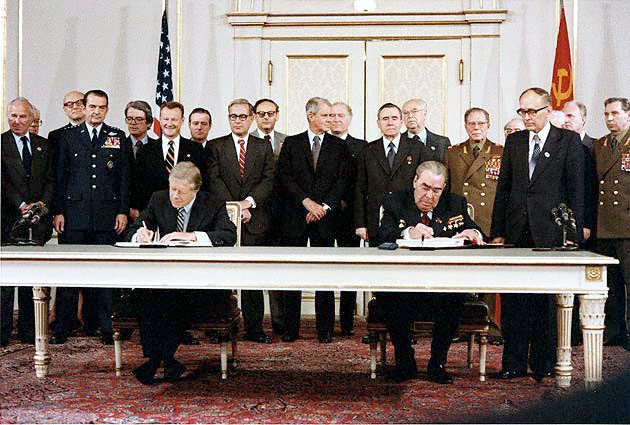
Simultaneously, the United States and the USSR finalized bilateral treaties concerning the limitation of strategic offensive arms. These agreements were exclusively applicable to these two nations; however, they encompassed not only nuclear arsenals but also their delivery systems. Given that these two dominant Cold War powers held the majority of such weaponry worldwide, these treaties arguably contributed more significantly to global security than other international accords.
The end of nuclear testing
It appears that there was no obstacle preventing the accumulation of nuclear capabilities; however, in actuality, this was not the case. The United States had already attained its peak in 1967 and had been steadily decreasing its arsenal thereafter. The Soviet Union continued to expand its stockpile of warheads until 1986, but following the Chornobyl catastrophe, it, too, commenced disarmament.
An epidemic of radiophobia spread globally, leading to growing disillusionment within the military regarding the so-called “wonder weapon,” which they never actually had to employ in combat. The frequency of nuclear testing decreased significantly: the Soviet Union performed its final nuclear test in 1990; the United Kingdom in 1991; the United States in 1992; and China and France in 1996. Indeed, by the time the “Comprehensive Nuclear-Test-Ban Treaty” was adopted, all principal nuclear states had already diminished their interest in conducting such tests.
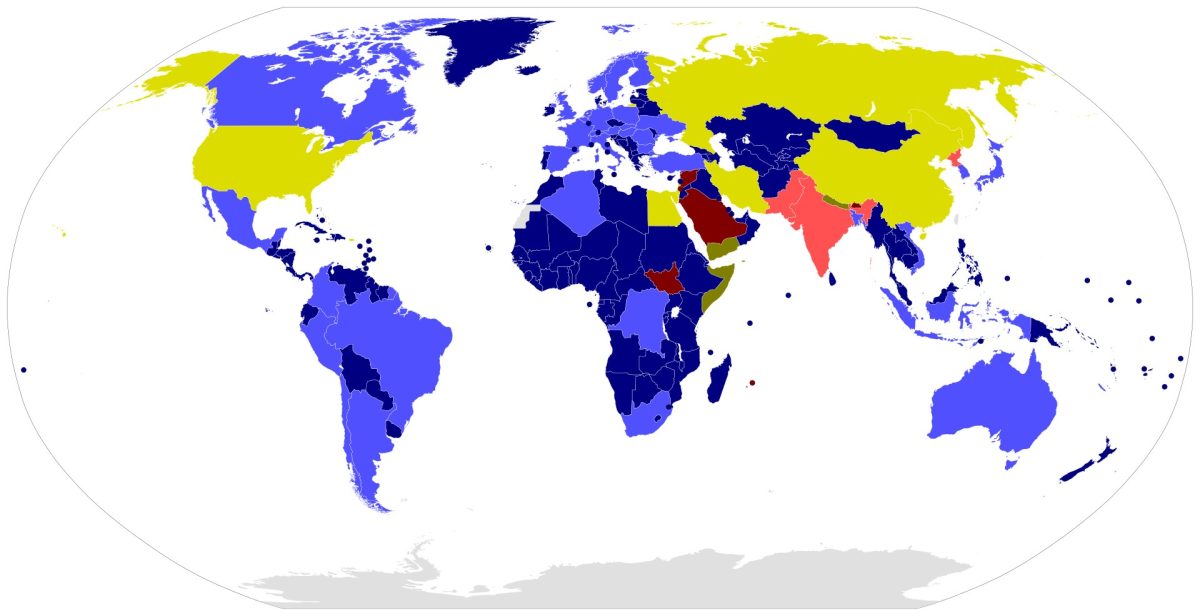
It appeared that all proceedings were progressing according to plan. Ultimately, 187 nations — virtually every country on the globe — endorsed the agreement, with 177 formally ratifying it. However, a complication exists: for the agreement to become effective, it must be ratified by 44 countries that the United Nations has explicitly recognized as possessing the requisite technological capabilities.
Three of the countries declined to sign: India, Pakistan, and North Korea. The ten nations that did not ratify included the United States, China, and Israel. Nonetheless, this distinction was largely inconsequential. In 1998, India and Pakistan carried out their nuclear tests, and since that time, no additional nuclear detonations have occurred for over 25 years.
In the 21st century, only six tests have been conducted, all by North Korea, with the most recent occurring in 2017 — nine years prior. Iran is also a participant but has not yet advanced to the testing phase.
These nine years represent the longest interval in modern history — since the explosion at Alamogordo — during which no nuclear test has been conducted. This is despite the fact that the treaty advocating for their complete cessation has never formally entered into force. It appears that the military has generally lost interest in the atomic bomb. One might hope that this disinterest is permanent.
