

In the future, humanity will reside on other planets within the Solar System — primarily on the Moon and Mars. To achieve this, it will be necessary to undertake construction activities utilizing local resources. However, what materials are actually accessible there that could be employed in the construction of habitats?
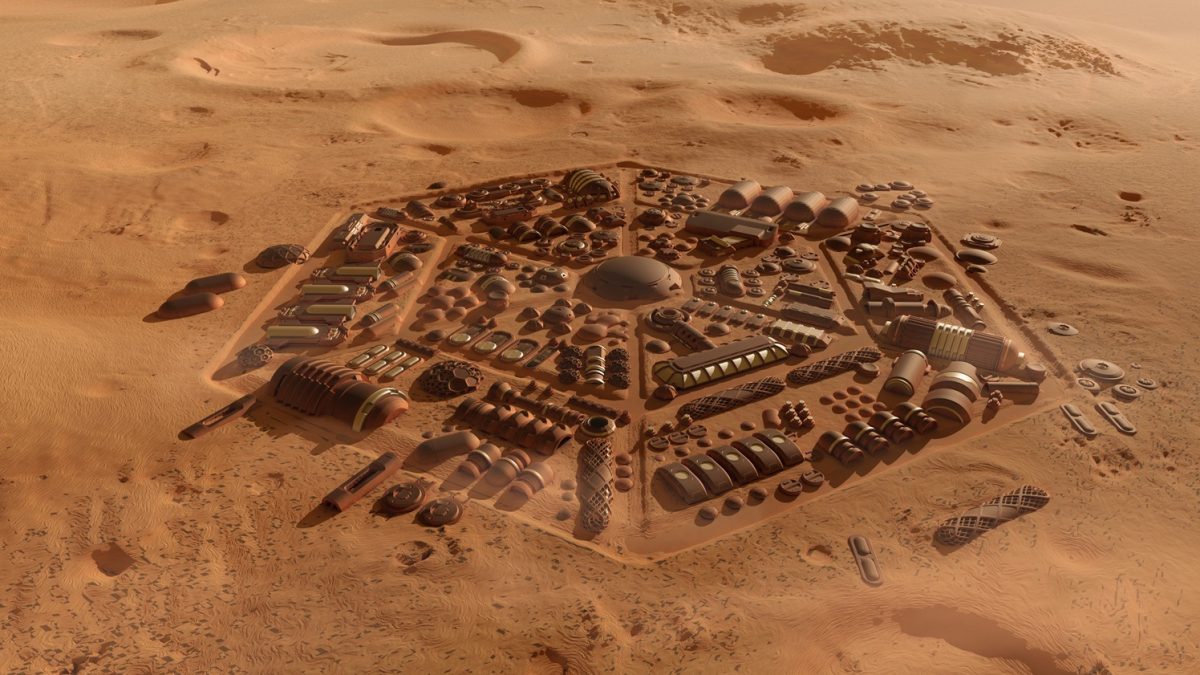
Cities on Mars
Science fiction frequently depicts a future wherein humanity has established colonies across the Solar System and has even reached planets orbiting other stars. Additionally, to facilitate these possibilities, a substantial number of habitats have been constructed within these fictional worlds, allowing humans to endure in conditions that are often highly inhospitable.
In reality, however, we remain considerably distant from establishing cities on the Moon and Mars, let alone on the moons of Jupiter. After nearly seventy years of space exploration, the most significant achievement of humanity thus far is the construction of a few space stations, each approximately the size of a modest residence, usually accommodating no more than six individuals at any given time. Furthermore, occupancy durations typically do not exceed one year.
This is precisely the reason why many individuals question the feasibility of humans living in space on a permanent basis. Establishing permanent habitation for hundreds or thousands of people appears impractical at present.
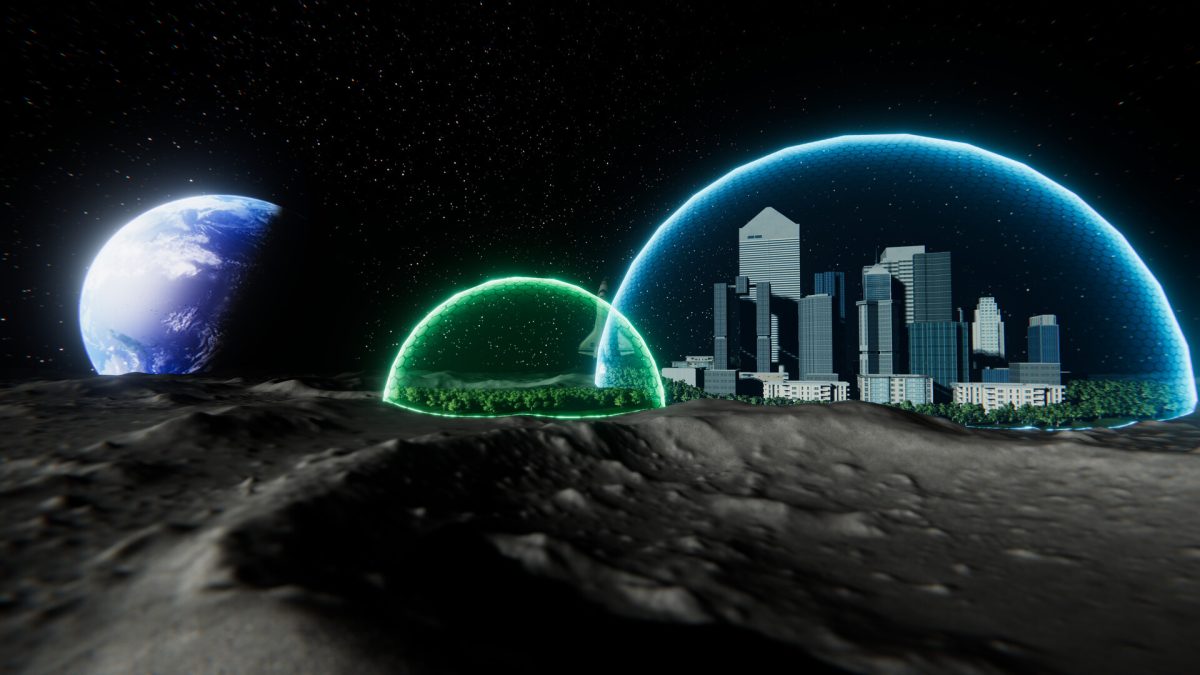
Modern space stations
This is indeed the case when considering spacecraft that have already been launched into space. Typically, they are composed of metals and specialized synthetic materials developed on Earth, subsequently launched into orbit. These spacecraft generally feature relatively weak engines but possess substantial internal volumes. Scaling such designs to significantly larger sizes presents considerable technical and financial challenges.
The longstanding plans to transport modules constructed on Earth to the Moon and Mars — where they can be assembled into settlements — have persisted for many years. However, in practice, even in proposals for future orbital stations, there is an increasing tendency to move away from the principle of launching modules in their operational form.
Ideally, it is essential to develop the capability to construct on other planets utilizing the same methodologies applied on Earth: employing small units or segments of material, and integrating manual craftsmanship with machinery directly at the deployment site.
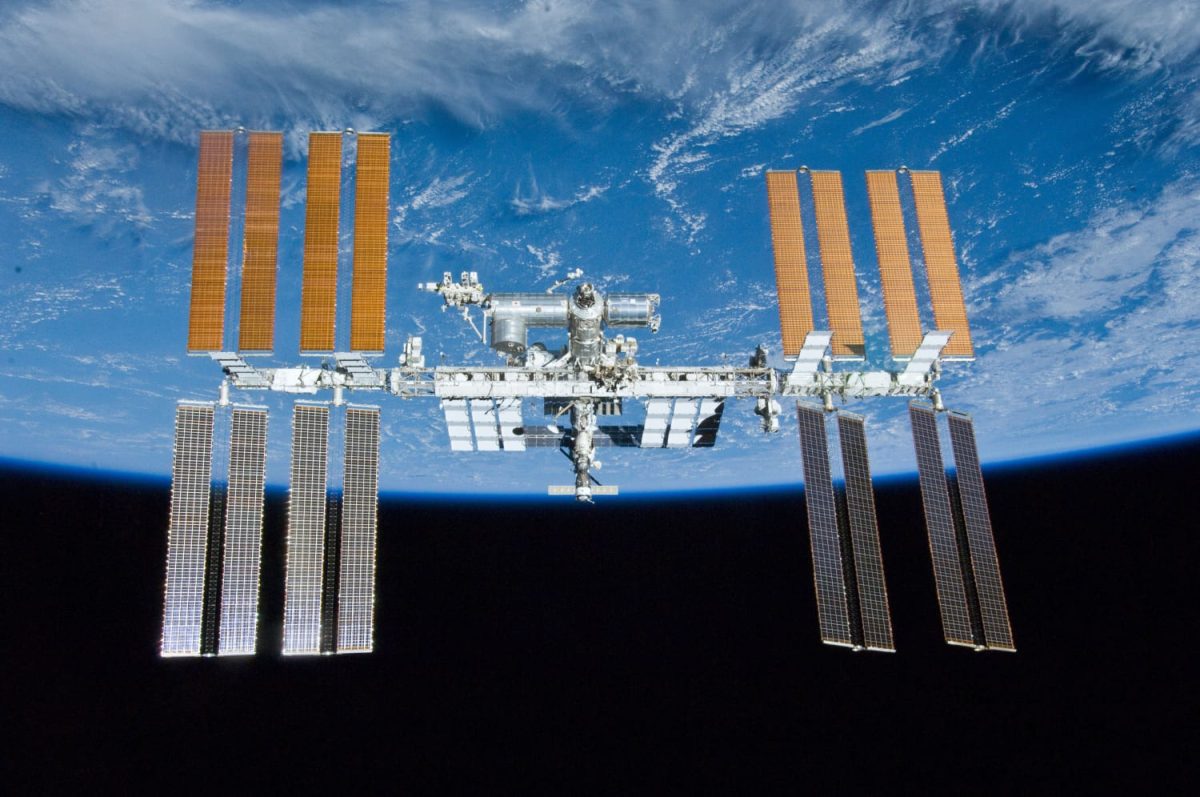
However, in the context of space stations, manual labor performed by astronauts remains exceedingly costly. Consequently, inflatable and collapsible structures are presently under consideration as a compromise between terrestrial and extraterrestrial construction methodologies. This approach enables the deployment of comparatively small objects into space, which can subsequently be expanded in orbit to create substantially larger enclosed areas with a normal atmosphere, suitable for a diverse range of applications.
Most likely, they will attempt similar endeavors on the Moon and Mars once their exploration initiatives become more earnest. To some extent, this approach may prove beneficial. However, subsequently, they will need to adopt a different strategy that considers the unique characteristics of these celestial bodies.
Construction on the Moon
Future urban settlements on the Moon were historically envisioned as conventional Earth-like communities, enclosed beneath transparent domes. A dome is an architectural construct that effectively disperses substantial loads, thereby enabling the development of expansive interior spaces. It is noteworthy that this structural form has been employed for many centuries in religious edifices accommodating large congregations.
And overall, the idea sounds promising, given that the Moon has no atmosphere and its gravity is one-sixth that of Earth’s. It would seem like the perfect solution: build giant, thin-walled domes and live under them.
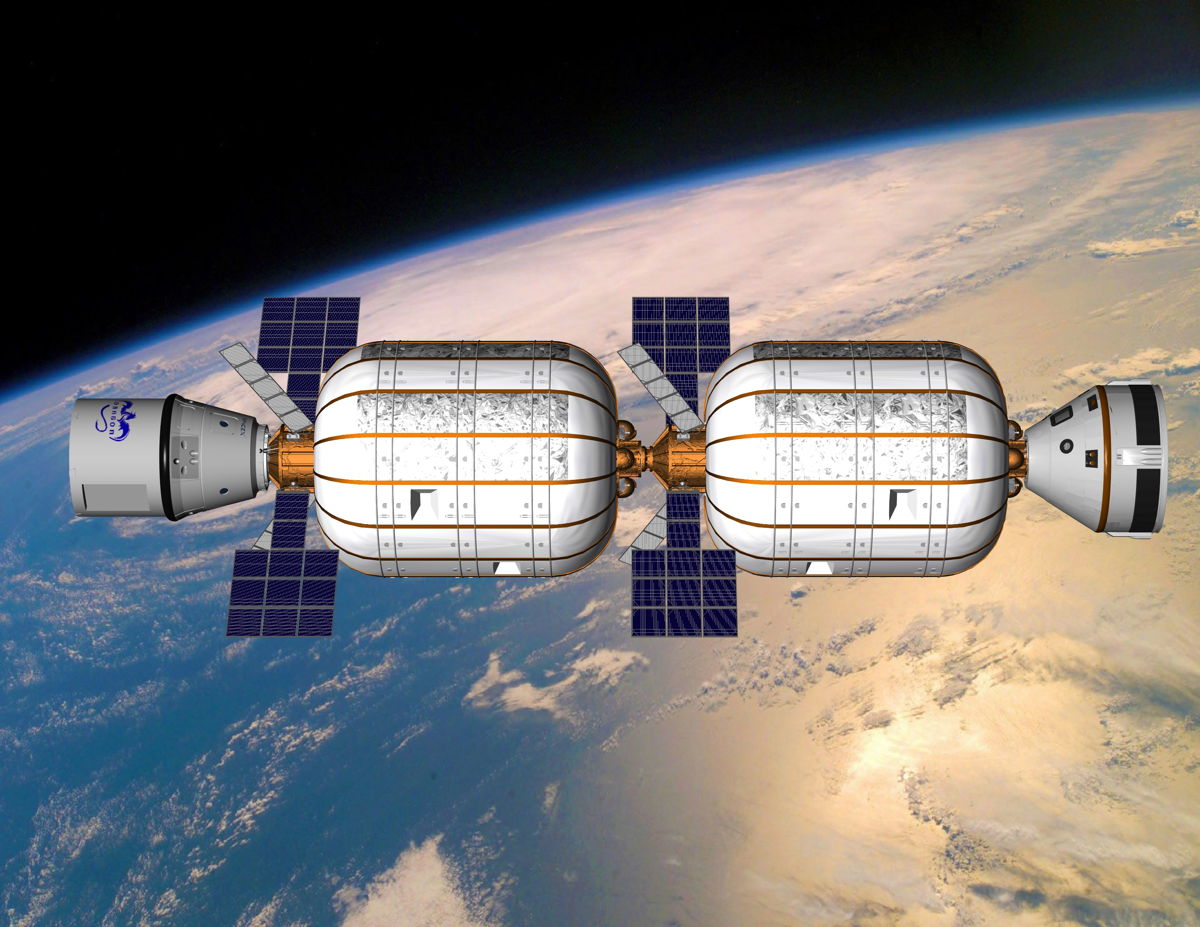
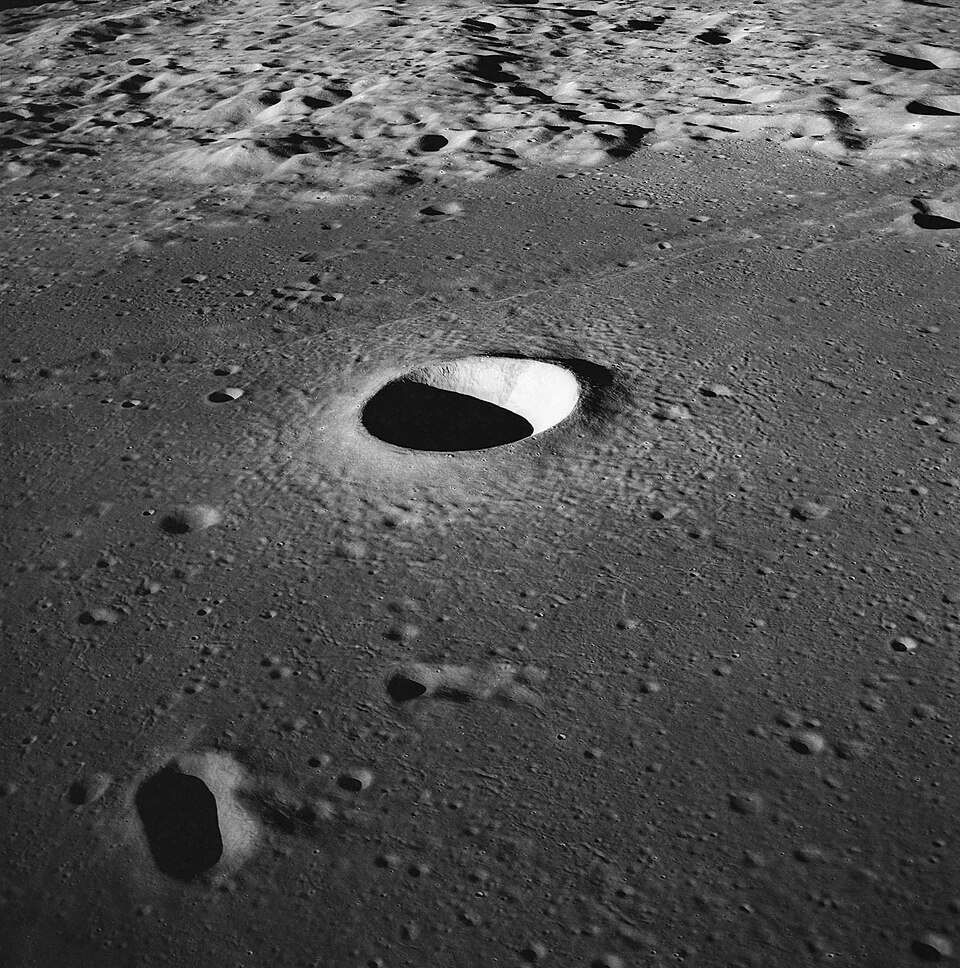
However, in reality, the absence of an atmosphere presents a singular consequence that fundamentally undermines this entire concept. Without a gaseous envelope, there is no mechanism to compel meteors approaching our moon to decelerate and combust, as occurs on Earth. Consequently, they impact its surface at full velocity, a phenomenon that can be observed plainly from Earth. Construction activities on the Moon entail establishing structures within an environment subjected to relentless meteorite impacts. No inflatable or prefabricated structure transported from Earth could withstand such conditions. Moreover, increasing the thickness of these structures is not a viable solution, as, even on our planet, metallic frameworks are primarily used as structural supports; otherwise, the economic viability of construction would be compromised. On the Moon, however, each kilogram of metal is as valuable as gold, owing to the exorbitant costs associated with delivery from Earth.
Interestingly, scientists are already aware of the necessary actions — covering the dome with lunar regolith, potentially bonded with an adhesive substance. This will solidify and fuse the particles into a cohesive structure. Nonetheless, this prompts an inherent inquiry among researchers: Is it possible for this identical material to be employed in the construction of the primary structures as well?
This is an exceptionally intriguing question, considering that the Moon — lacking not only an atmosphere but also water capable of supporting life — completely lacks the materials that, due to their widespread availability on Earth, facilitated construction with relative ease thousands of years ago: namely, wood, grass, and sedimentary rocks such as clay, gypsum, and limestone.
Constructing virtually any structure — ranging from a basic dugout composed of earth and timber to a skyscraper reinforced with concrete — appears infeasible on the Moon. However, this notion persists only until one considers the foundational level of straightforward chemical compounds.
Concrete or not concrete?
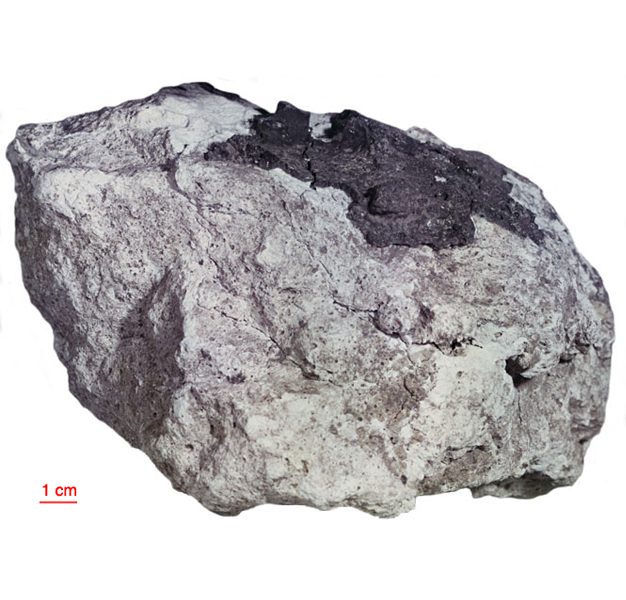
Ceramic bricks and tiles, silicate blocks, sand, and cement — as well as their derivatives, concrete and mortar—are all predominantly composed of oxides of four main elements: silicon, aluminum, calcium, and iron. In the geological formations that constitute the Moon — namely the basalts of the lunar maria, the ANT rocks of the “continents,” ilmenite, and even the rare KREEP rocks — these four elements, in addition to oxygen, are uniformly present.
The issue resides in the fact that these minerals are entirely distinct from those typically mined on Earth. In fact, the primary challenge is to acquire the oxide mixtures with which we are acquainted in a form from which substances can be effectively extracted.
In principle, at a certain stage, it becomes unnecessary to rely on additional methods to attain a construction technique superior to all existing modules and inflatable dwellings. The development of a synthetic binder that remains liquid for several hours upon mixing with local rubble, subsequently hardening into a robust monolith without requiring any substances not available on the Moon, enables the production of a material classified as concrete. When combined with metal reinforcement, concrete allows modern engineers to construct virtually any structure.
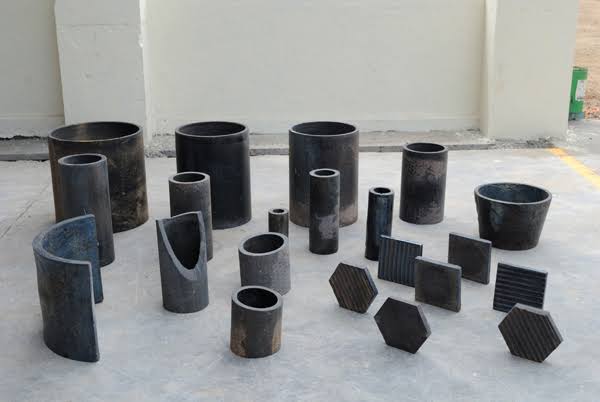
The advantages of concrete reside in its capability to adapt to virtually any mold and, when integrated with metal, to constitute a complex, multi-layered composite. The most exemplary instances of this composite approach attain the strength of aluminum, while being significantly more cost-effective.
The subsequent step involves establishing the production of this substance from lunar rocks; in other words, it fundamentally relies on the expertise of chemists.
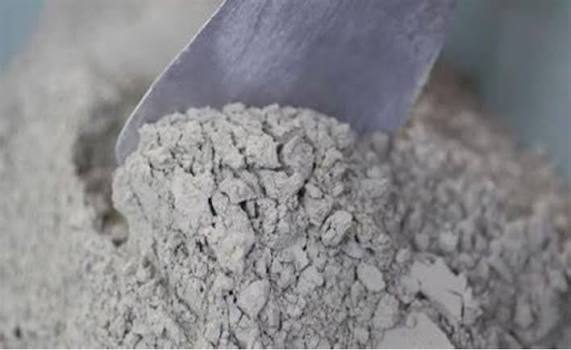
Indeed, it is well-established that Portland cement, which unequivocally transforms into a monolith following the mixing process — and is known to be producible from a combination of oxides through the addition of lunar rocks — remains an essential material.
The primary issue with it is that, in order to transform it into concrete, it also necessitates water, which must remain in a warm or hot liquid state for all the hours and days until the concrete solidifies. However, on the Moon’s atmosphere-less surface, this water will evaporate very rapidly. Consequently, to construct anything using this concrete, it is necessary to first establish conditions similar to those on Earth at the construction site. In the case of a structure measuring hundreds of meters, this entails creating a temporary, airtight enclosure that would need to be even larger.
The most remarkable aspect of this situation is that it may ultimately prove to be the optimal scenario, given that it is uncertain whether we will ever encounter something akin to Portland cement — yet capable of being subjected to controlled hardening in a vacuum.
Nevertheless, an additional alternative exists — directly melting rock to create walls and other structures from molten stone. As it solidifies, it is capable of assuming any shape. The benefit of this technology is that walls can be constructed in a vacuum using this method. However, the drawback is that this process demands substantially greater energy compared to the construction of walls from concrete.
Nevertheless, it is essential to acknowledge that under lunar conditions, any solid monolithic shell constitutes only a portion of the enclosure structure, which must be capable of withstanding such conditions. Internally, it must also incorporate a layer of airtight material that prevents the passage of gases. Externally, even a reinforced concrete dome should be coated with regolith, which will at least partially absorb the impact of micrometeorites.
And that brings us to the following suggestion: why not submerge the lunar city, at least partially, beneath the surface? For example, a dome could be built over one of the craters. This would create a sufficiently large interior space while requiring significantly less work.
Cities on Mars
All statements regarding the Moon are equally applicable to Mars, and in fact, even more so, given that transporting cargo to Mars presents significantly greater challenges than to our Moon. Moreover, certain distinctive attributes of Mars render construction activities therein more complex than on the Moon.
This assertion is exemplified by the fact that Mars is located at a greater distance from the Sun, necessitating enhanced thermal insulation for structures. Furthermore, from a geological perspective, Mars is not entirely a lifeless planet, and its gravitational force is considerably higher. Consequently, any constructions undertaken there must be substantially more resilient, particularly in terms of foundational stability, compared to those on our Moon.
Conversely, the circumstances concerning construction materials on Mars are significantly more favorable than those on the Moon. Primarily, although liquid water cannot exist on the surface owing to the exceptionally low atmospheric pressure, the total reserves of water in the form of ice at the polar regions and beneath the surface are substantial. This implies that utilizing traditional binding agents on Mars is considerably more feasible.
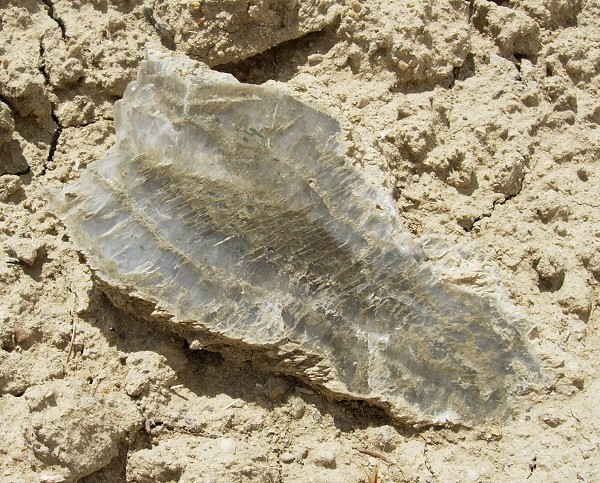
Secondly, Mars comprises sedimentary rocks that are well-known to us, particularly clays. The presence of these materials enables the fabrication of extremely robust and durable construction materials. Although the notion of humans or robots laying bricks on Mars may appear impractical to some, it could, in fact, prove more cost-effective than transporting building structures from Earth.
Another significant category of rocks identified on Mars comprises sulfate-bearing rocks, specifically gypsum. Considering the minimal presence of water vapor in the Martian atmosphere and the fact that liquid water — an essential element for life — has not traversed the surface for hundreds of millions of years, some of these rocks may inherently function as a natural binding agent, requiring only pulverization. Furthermore, even if their binding properties are not inherent, the gypsum binder familiar to us can be obtained directly from these rocks, and its formulation has been well known for thousands of years.
Gypsum is regarded as an inferior binder compared to Portland cement, as it offers lesser strength and is not water-resistant. However, when employed as mortar for brickwork — particularly when reinforced with metal rods — it may be adequate for constructing a 5- to 6-story building. Considering that these structures will inevitably be erected within large temporary domes, pursuing greater height might be unnecessary. The primary consideration is to design sufficiently spacious interiors to promote psychological comfort.
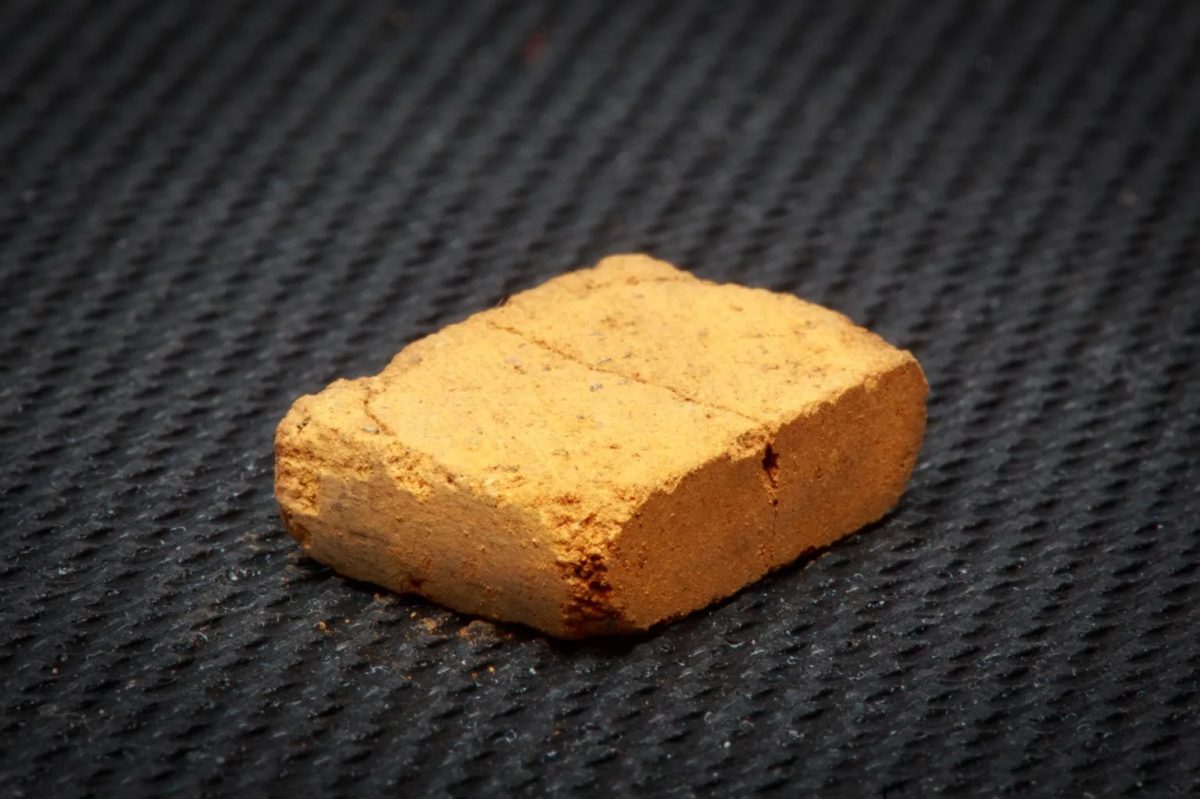
Given that Mars possesses at least a minimal atmosphere, micrometeorites do not present a significant threat to local structures. Consequently, it is unnecessary to encase them with an external shell, and they may feature significantly larger windows than those on the Moon. Nevertheless, the concept of partially burying the buildings and the passageways connecting them beneath the surface remains a commendable idea.
Once more, all of this presumes that the walls solely furnish structural stability, whereas the internal layers are tasked with preserving internal pressure and temperature. Under these circumstances, this residence shall remain habitable for numerous decades.
Overall, the construction endeavors on the Moon and Mars do not appear to be an unattainable concept. Nevertheless, they necessitate dependence on indigenous resources rather than materials transported from Earth. This reliance considerably influences the architectural design and appearance of the structures.
Most contemporary projects depict structures composed of metal, glass, or plastic. Nevertheless, the extraction and processing of metal remain necessary. The same requirement applies to glass, and bio-based plastics would need to be imported from Earth entirely.
Simultaneously, the silicate, sulfate, carbonate, and, to a certain extent, aluminate components of rocks, which are presently considered waste, are in fact the most prevalent raw materials used in the manufacturing of construction materials on Earth. Their utilization could potentially reduce the cost of construction, even in space.
If our genuine aspiration is to establish sustained habitation within space — beyond merely undertaking expeditions — we must acquire the capacity to utilize all resources accessible in that environment. Subsequently, we will discover that the Moon and Mars are not as desolate and unwelcoming as they may appear.
