

Humanity plans to establish a colony on Mars, although it remains unclear whether such a settlement could survive without continuous supplies from Earth. To investigate this question, we examined the full range of human needs, from air and food to the mission’s underlying purpose. Our findings indicate that even aboard an orbital station, it is not yet possible to recover half of the oxygen; on Mars, one meter of soil overhead blocks only a quarter of cosmic radiation; and unexpected psychological challenges may arise among an isolated crew.
What people need to live on Mars and the Moon without assistance from Earth. Source: Universe Space Tech YouTube channel
Five steps to Mars
In visualizations, a city on Mars is typically depicted as a cluster of domes, solar panels, and rockets on the horizon. However, a dome alone does not constitute a colony. A colony begins when its inhabitants can produce their own air, water, and food, and repair equipment failures without relying on spare parts from Earth.
Elon Musk articulated this distinction with considerable precision. In a May 2025 interview with Fox News, he described Mars as a “life insurance policy” for humanity in the event of an asteroid strike, nuclear war, or climate catastrophe. He immediately added that a settlement unable to function without a continuous supply of resources from Earth would not constitute a backup plan; it would remain a branch.
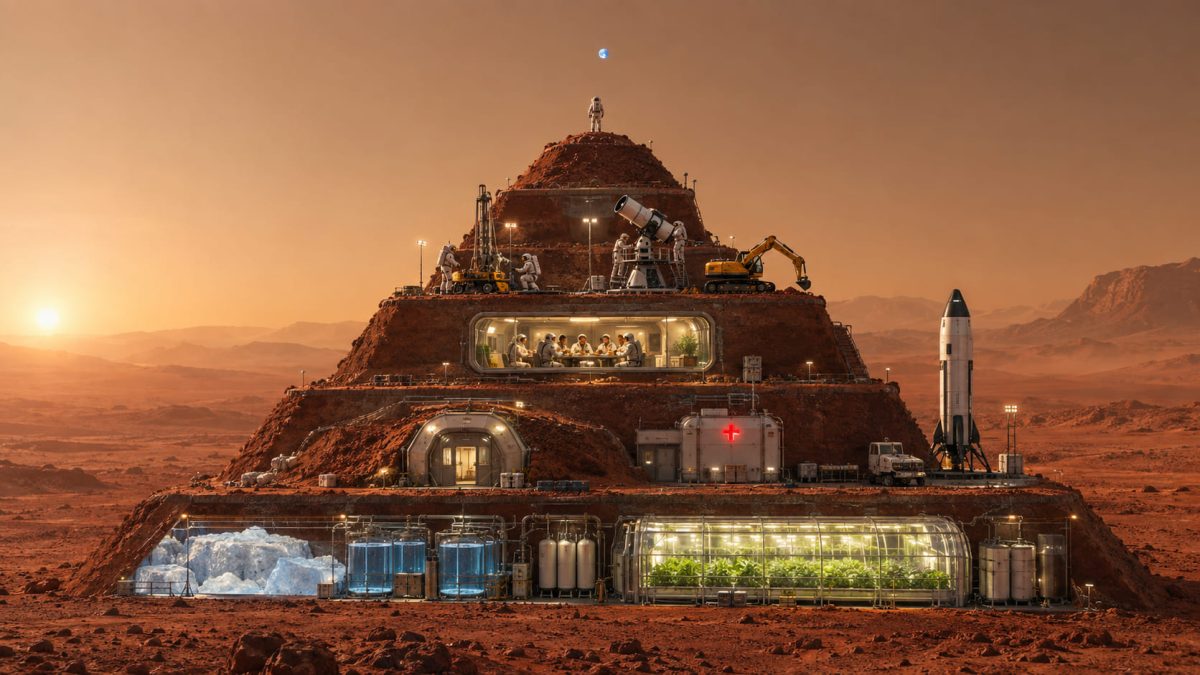
Let us consider what the colony will be able to provide for itself in terms of life’s necessities. The hierarchy of needs proposed by psychologist Abraham Maslow offers a useful framework for organizing this discussion. It is commonly represented as a pyramid, although Maslow himself never drew such a diagram. For our purposes, the essential point is the progression from basic survival to the sources of meaning in our actions.
Authored by: Universe Space Tech
There are five steps. The first involve air, water, and food; the next involve safety, the people around us, work, and, finally, our goals. On Earth, we move through most of them without even noticing. On Mars, we will have to build each one from scratch, beginning with what we breathe.
Essential needs
The initial step appears to have already been taken, as people have been breathing, drinking, and bathing aboard the International Space Station for more than twenty years. Virtually no water is lost there. Condensate from the air, wastewater generated through personal hygiene, and even urine undergo distillation and filtration. A few years ago, a unit was added to extract moisture from the concentrate, which had previously been discarded. Approximately 98% of the water is recycled.

Source: nasa.gov
Oxygen recovery is a more complex process. Oxygen is extracted from water through electrolysis, and the resulting hydrogen is combined with the carbon dioxide exhaled by the astronauts. This process produces water, which is returned to the cycle, and methane. The methane, along with some of the hydrogen, is jettisoned overboard, making it impossible to recycle all of the exhaled gas. Consequently, only about 50% of the oxygen can be recovered, despite NASA’s requirement that at least 75% be recovered for missions beyond Earth’s orbit.
Both figures should be interpreted with certain caveats. The station orbits at an altitude of approximately 400 km, and cargo ships regularly deliver water, breathing gases, filters, and spare parts. Accordingly, these figures reflect the effectiveness of the recycling process rather than the station’s ability to operate independently of Earth.
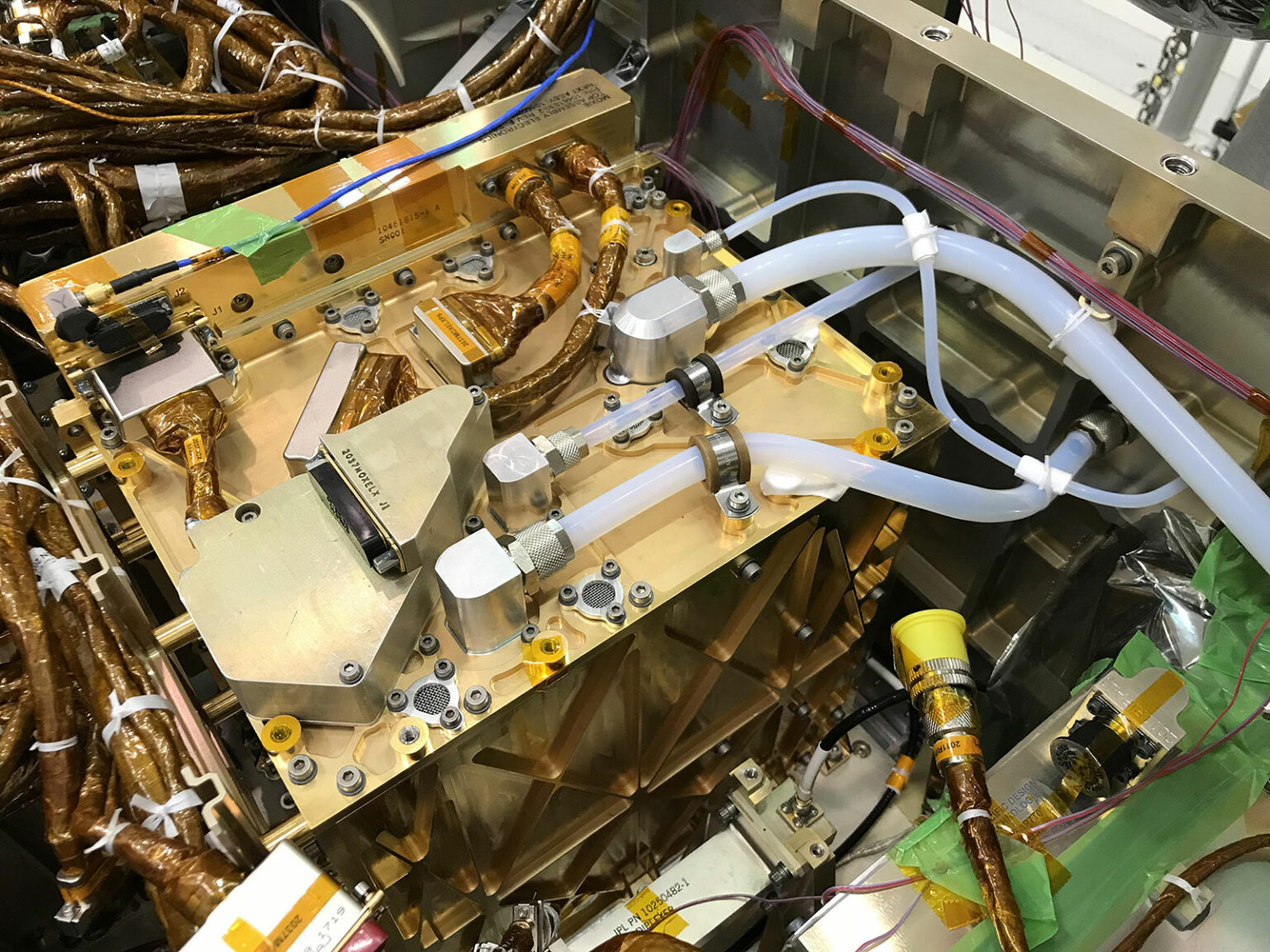
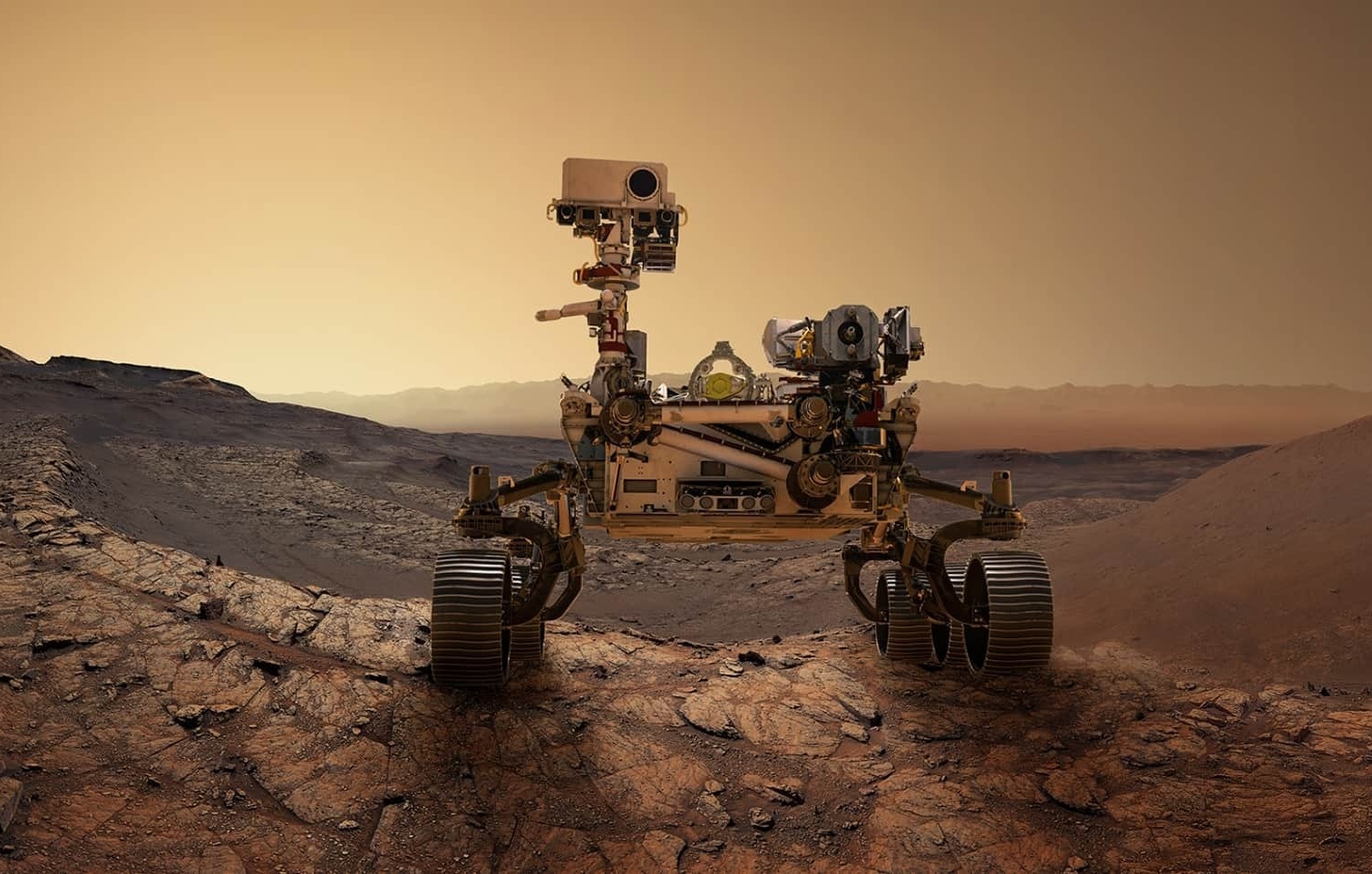
The prospects for obtaining water on Mars are more favorable than one might expect, as extensive deposits of ice lie beneath the planet’s surface. In addition, oxygen can be extracted from the atmosphere, which consists primarily of carbon dioxide. Colonists require oxygen both for respiration and as an oxidizer in rocket fuel; without it, they would be unable to launch from the planet. In 2021, this capability was tested using the MOXIE instrument aboard the Perseverance rover. Martian air was heated inside the device and separated into oxygen and carbon monoxide. Over a two-year period, sixteen sessions were conducted, producing 122 grams of oxygen — enough to sustain an adult’s breathing for five hours. The experiment’s purpose was to demonstrate that this process was feasible.

To support the crew and refuel the rocket for the return journey, a system approximately 200 times larger will be required. It will need about 30 kW, while the entire Perseverance rover is powered by a 110-watt source. The oxidizer required for the return flight alone weighs nearly 30 metric tons and must be produced continuously for almost a year and a half before the crew arrives. No such equipment currently exists; only the MOXIE team’s calculations are available.
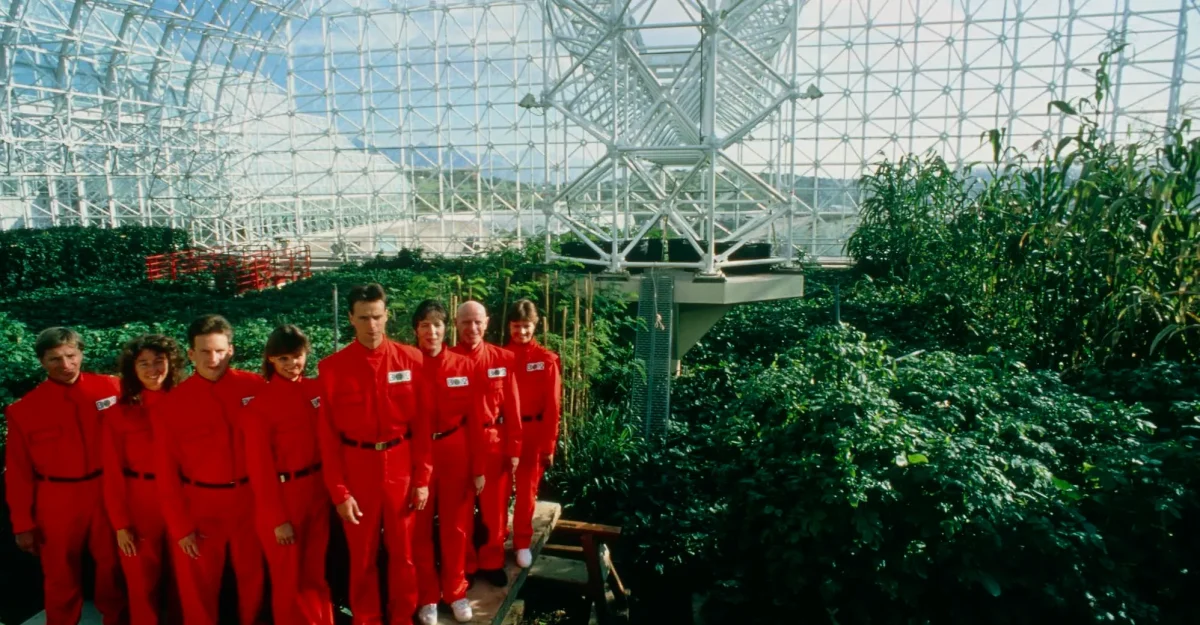
Efforts have previously been undertaken on Earth to establish a fully self-sustaining system in which people produce their own air, water, and food. On September 26, 1991, in the Arizona desert, the airtight doors of Biosphere 2 — a glass complex spanning one and a half hectares and containing a forest, a section of ocean, and a farm — were sealed behind eight participants. They were scheduled to emerge two years later.
Their own harvest supplied approximately four-fifths of their food requirements; however, over the course of the experiment, the crew lost an average of 16% of their body weight. The most unusual developments began approximately one year after the spacecraft was sealed. During routine activities, participants began experiencing shortness of breath; some were unable to complete a sentence without pausing to breathe, and one participant fell asleep during lunch. Over a sixteen-month period, the oxygen concentration declined from just over 20% to 14.5%. For context, this is comparable to the oxygen level at an altitude of four kilometers.
It could not have disappeared without a trace. Living organisms convert oxygen into carbon dioxide; therefore, the concentration of this compound should have increased in direct proportion to the decrease in oxygen. However, measurements did not indicate such an increase. Two explanations emerged. Soil microbes — in soil that was exceptionally rich in organic matter and had been prepared for the crop — consumed oxygen far more intensively than the designers had anticipated, meaning that carbon dioxide levels were indeed rising. In addition, fresh concrete in the structures absorbed carbon dioxide, preventing it from accumulating in the air. Ultimately, the oxygen shortfall had to be offset by pumping oxygen in from outside.
Safety
The second factor, safety, is naturally provided on Earth. Earth’s magnetic field deflects most of the Sun’s charged particles, while its thick atmosphere absorbs the remainder. Mars has a very weak magnetic field, and its surface atmospheric pressure is approximately 160 times lower than Earth’s. This thin atmosphere offers almost no protection, allowing radiation to reach the surface.
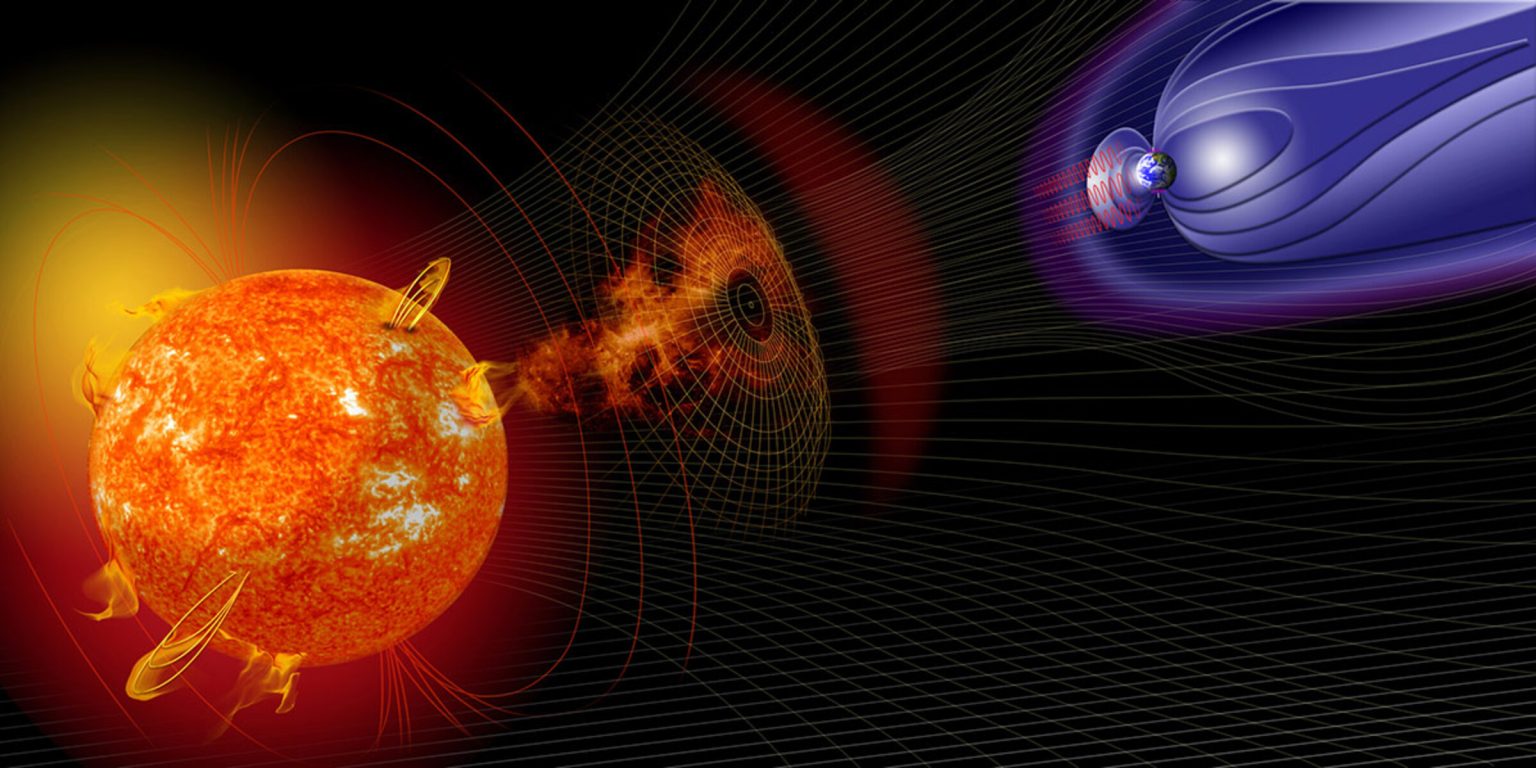
In this context, there are two types of hazards, each requiring a distinct protective approach. During solar flares, the Sun emits a stream of particles that persists for hours or days, resulting in a sharp increase in radiation exposure. Galactic rays, by contrast, originate continuously in interstellar space, arrive from all directions, and possess significantly higher energy.
The most straightforward solution is to construct habitats underground. This approach is highly effective against solar flares, and a few dozen centimeters of regolith can reduce radiation exposure to below the safe threshold for astronauts. Galactic cosmic rays, however, present a different challenge. According to a study published in late 2024, a meter of rock overhead reduces radiation exposure by only approximately one-quarter.
The reason is that the layer itself becomes a source of radiation. Galactic rays strike the nuclei of regolith atoms, dislodging secondary particles that then penetrate deeper into the material. The precise amount of soil required to reduce radiation to Earth’s background level is unknown. Estimates range from two and a half to eight meters, and all of this material would need to be deposited using equipment brought from Earth, together with the power source required to operate it.
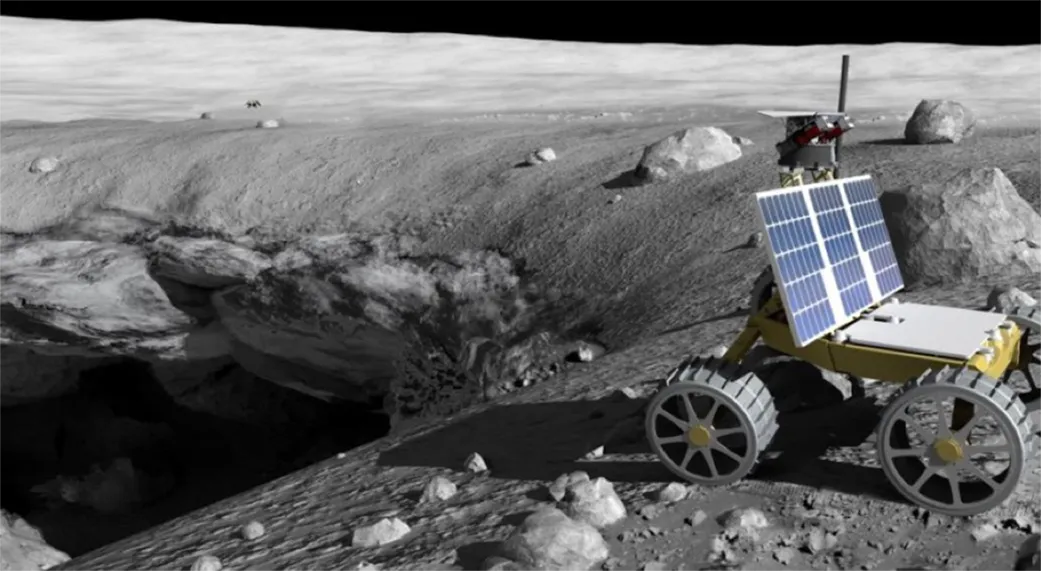
However, ready-made shelters on the Moon and Mars may already exist. Billions of years ago, lava flowed across these bodies, including beneath their surfaces, leaving hollow tunnels beneath the solidified crust. On the Moon, sinkholes tens of meters in diameter are visible where the ceilings of these cavities have collapsed, and the tunnels themselves may extend for hundreds of kilometers. Their interiors remain unexplored, as the equipment required to investigate them is still under development.
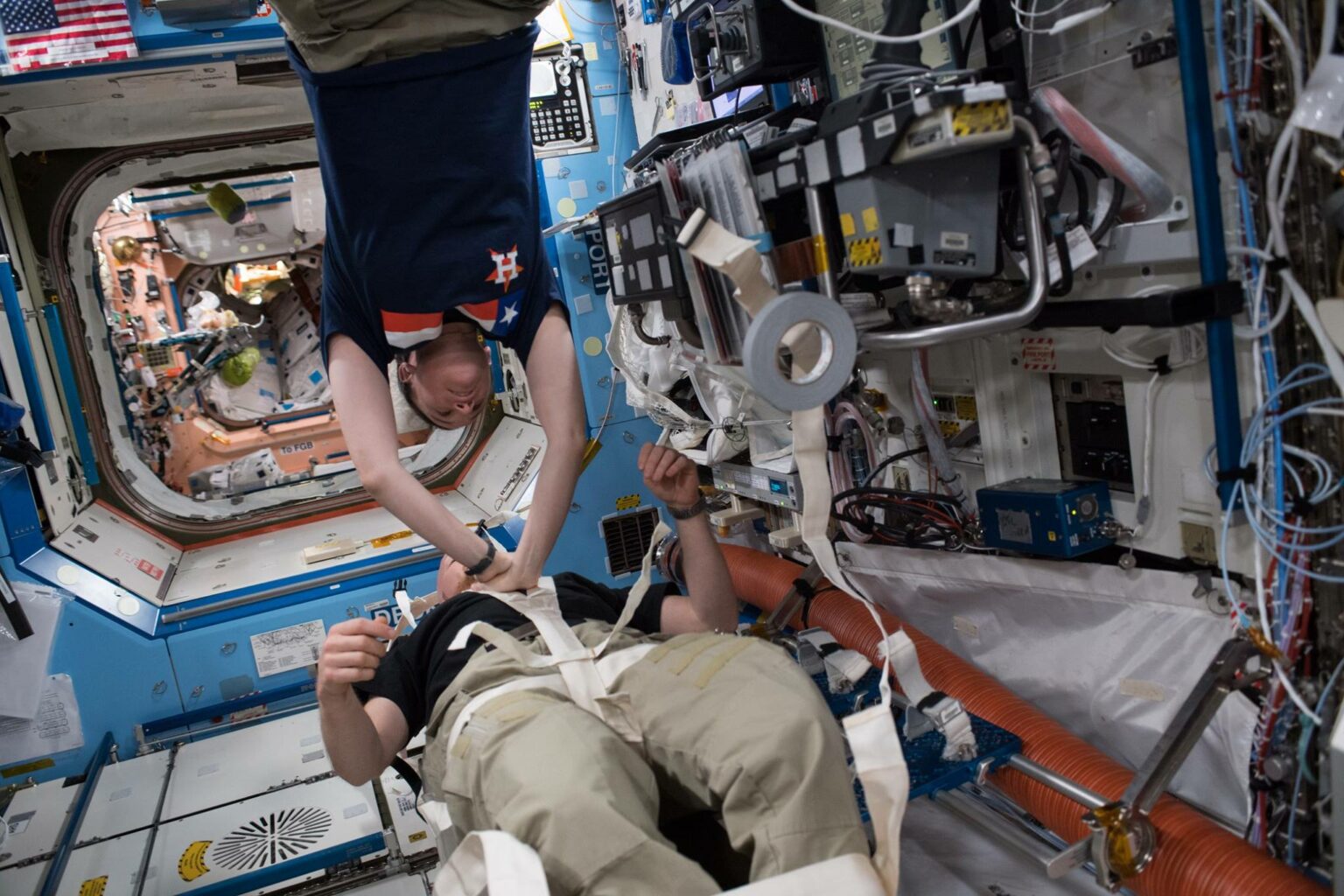
Although the radiation problem can theoretically be resolved, another threat remains, even beneath a rock ceiling: the astronaut’s own body. Throughout the history of spaceflight, no cardiac arrests have been recorded. However, astronauts who have flown have been carefully selected, healthy professionals receiving daily medical supervision, and their missions have generally lasted only a few months. For long-duration missions, statistical estimates suggest approximately one serious medical event per 900 days spent off Earth, per person. A round trip to Mars takes years.
Cardiopulmonary resuscitation in microgravity presents an engineering challenge. On Earth, a rescuer uses their body weight to apply pressure to the chest; in orbit, however, the rescuer is displaced after the first compression. In 2025, these techniques were tested aboard an aircraft conducting parabolic flights, which provide brief periods of free fall. Only one technique proved effective: an unusual position in which the rescuer braces their feet against the ceiling. However, only an automated piston device consistently achieved the required compression depth. Mars has gravity, although it is less than half that of Earth, so techniques designed for weightlessness are unsuitable there. Standard Earth-based procedures were tested in suspension systems simulating the gravity of Mars and proved less effective. Consequently, no distinct protocol for these conditions is currently available.
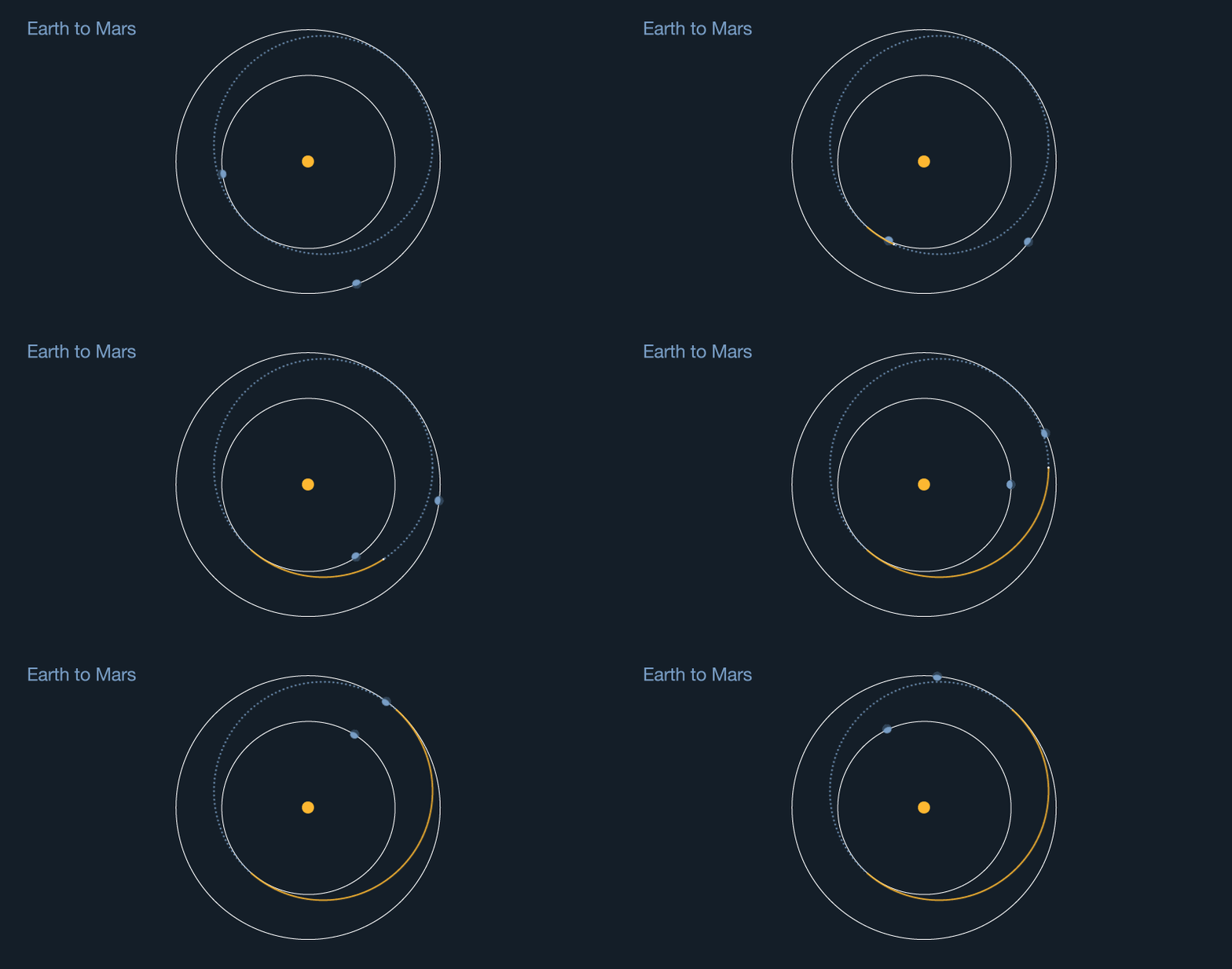
Cardiac complications represent only one category of risk. Appendicitis, fractures, renal colic, dental abscesses, or severe bleeding — conditions that would warrant an ambulance on Earth — would need to be managed independently, 200 million kilometers from an operating room. Medical guidance from Earth takes approximately 20 minutes to arrive after a question is sent, and returning home is not an option when one begins to feel unwell. Crew members return from the International Space Station within hours; travel from the Moon takes several days, while opportunities to travel from Mars arise only once every 26 months, when the planets are suitably aligned. At other times, support is limited to the small number of people nearby.
Social connections
The third step — the individuals in your immediate surroundings — poses the most difficult threat to predict. The most revealing data on this threat were collected at Concordia Antarctic Station, and the findings run counter to intuition.
The French-Italian base is situated at an altitude of more than three thousand meters, higher than Mount Hoverla, and the body is therefore subjected to a persistent lack of oxygen. During winter, temperatures can fall to minus eighty degrees. The nearest neighbors are more than five hundred kilometers away, and departure is impossible for nine months of the year. Approximately fifteen people remain at the base throughout the winter.
Psychologists observed the team over a ten-month period. Each polar explorer wore a sensor that recorded whom they spent time with and for how long. During the same period, participants completed surveys four times per season assessing loneliness, trust, team cohesion, and self-reported productivity.
By the end of the study, feelings of isolation and the number of disagreements had increased, while trust, cohesion, and job satisfaction had declined. The team had divided along linguistic lines, with the French participants on one side and the Italian participants on the other. This outcome was expected. However, the sensor data revealed an unexpected finding: those who spent the most time in close proximity to their colleagues reported the greatest distress, and greater physical proximity was associated with a stronger sense of loneliness.
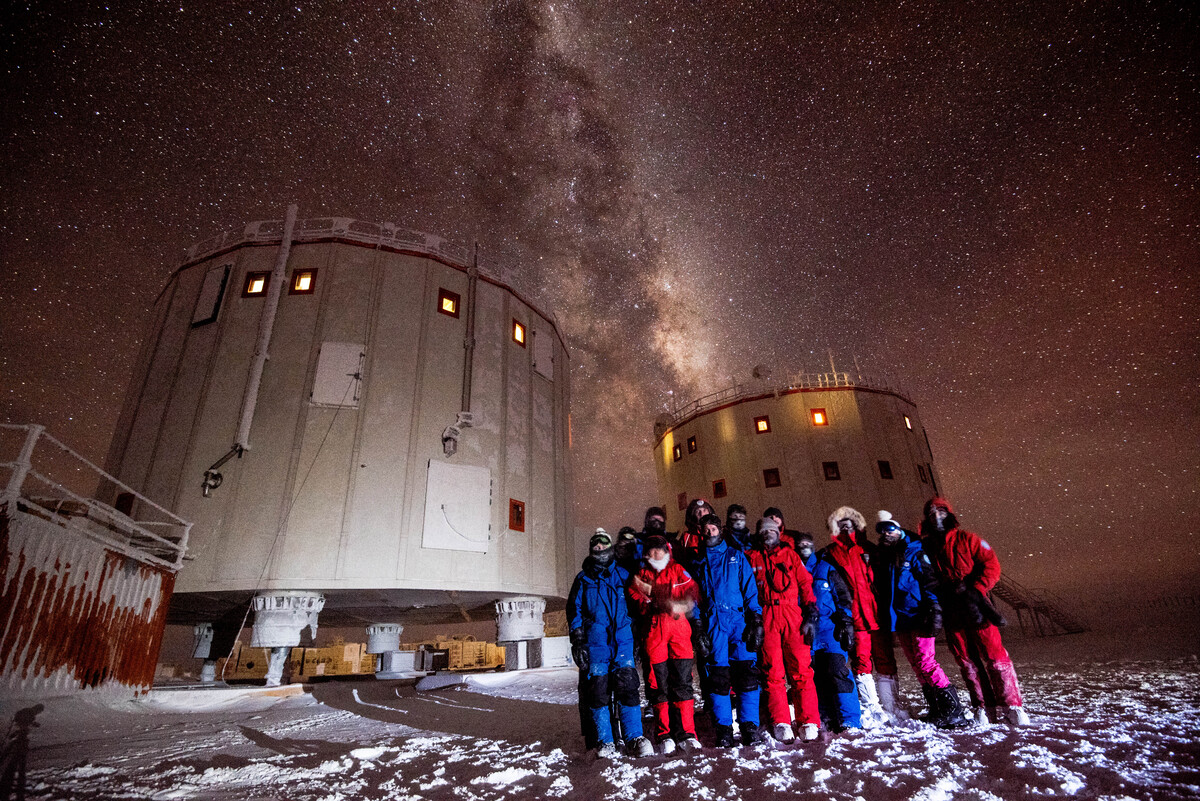
Credit: ESA, IPEV, PNRA, Beth Gili
Isolation is often understood as a state of emptiness and a lack of contact. At Concordia, however, it took a different form. The same small group of people appeared each day at breakfast, at work, and in the evening — both in the present and six months later — and there was no opportunity to step outside and encounter strangers. As a result, people had little variety in their interactions.
At least the conflict is apparent. Another Antarctic study, which examined how overwintering members of other groups cope with stress, found that the response can disappear entirely. Around the third quarter of their stay, the polar explorers ceased both fighting and avoidance. Their emotions settled into apathy, without depression or aggression. The authors described this as “psychological hibernation” and emphasized that this was merely their interpretation. Such a team member does not cause conflict and continues to perform their duties; therefore, the most dangerous state within a closed group may show no outward signs at all.
An Antarctic overwintering expedition concludes on a predetermined date. In the event of a serious emergency, a medical evacuation team can be dispatched to provide assistance. By contrast, a return journey from Mars takes several years and depends on the planets’ positions; therefore, a rapid evacuation would not be possible.
At this stage, engineering reaches its limits. Although calculations can address breathing requirements and radiation protection, there is no clear solution if, eight months into the mission, one crew member stops communicating with another. No shipment from Earth would resolve this situation. The only option is to select candidates rigorously, although Concordia’s crew members were not selected at random either.
The meaning and significance of work
The fourth step — work and its purpose — appears to be the simplest, as there will be no shortage of tasks on Mars. The question is whether humans are truly necessary to carry them out. All the listed threats become critical only when a crew is present; therefore, it is worth determining which tasks cannot be performed without one.
The primary rationale is scientific. In late June 2026, a ten-year survey of the sky commenced at the Vera Rubin Observatory. On the Moon, such an instrument would be unaffected by atmospheric interference or space debris. We asked Professor Agnieszka Pollo, Deputy Director for Scientific Research at Poland’s National Center for Nuclear Research and coordinator of Poland’s participation in the observatory project, whether constructing it there would be worthwhile. Her response, which includes an unexpected caveat concerning large observatories, is available in the video on our YouTube channel.

However, a telescope on the Moon would require maintenance, and no one would be nearby to repair it if it malfunctioned. Among space telescopes, only the Hubble Space Telescope has been repaired by astronauts. It was launched into orbit in 1990 with a defective primary mirror. In December 1993, the crew of the space shuttle Endeavour installed corrective optics while working in open space. Every subsequent repair through 2009 required a separate mission.
Equipment malfunctions occur more frequently on the Moon than on Earth. Each year, the lunar surface is struck by approximately one hundred objects weighing up to one metric ton, as well as countless micrometeorites. In addition, sharp, electrically charged dust adheres to surfaces, scratches mirrors, and obstructs mechanisms. Engineers have developed methods to remotely address some of these malfunctions, enabling rovers on Mars and the Moon to remain operational for years, sometimes through remarkably inventive solutions. Large observatories are more complex, however, and the limits of their automation remain uncertain.
The search for life appears to provide a compelling justification for sending humans to Mars. The Martian surface is sterilized by solar radiation; consequently, scientists are seeking traces of microorganisms at a depth of approximately two metres. In our video, Professor Carlo Baccigalupi, a cosmologist and coordinator of the astrophysics and cosmology group at the International School for Advanced Studies in Trieste, explains why a permanent base may be necessary for this type of drilling. However, automated missions are already being planned to explore these depths. The European Rosalind Franklin rover is scheduled to launch in 2028, and, around the same time, China plans to launch the “Tianwen-3” mission to return samples to Earth.
This leaves the most pragmatic consideration: resources, particularly financial resources. The Moon contains helium-3, an isotope that is virtually nonexistent on Earth. It is considered a promising fuel for fusion power and is already used in the cooling systems of quantum computers. A liter of this gas costs thousands of dollars, while its concentration in lunar regolith is minuscule — only parts per billion. Accordingly, the prototype of a lunar excavator unveiled in May 2025 is designed to extract 100 metric tons of soil per hour. The excavator is robotic, so a future lunar mine could operate without human personnel, just as drilling operations on Mars are likely to do.
Purpose
Regarding the fifth step — the goal — the answer appears to have been publicly stated for quite some time. Elon Musk describes Mars as a backup plan for humanity; however, according to his own criteria, the only viable backup would be a colony capable of sustaining itself without supplies from Earth. None of the lower rungs currently meet this condition. Therefore, humanity is planning something more akin to a branch office supported by headquarters.
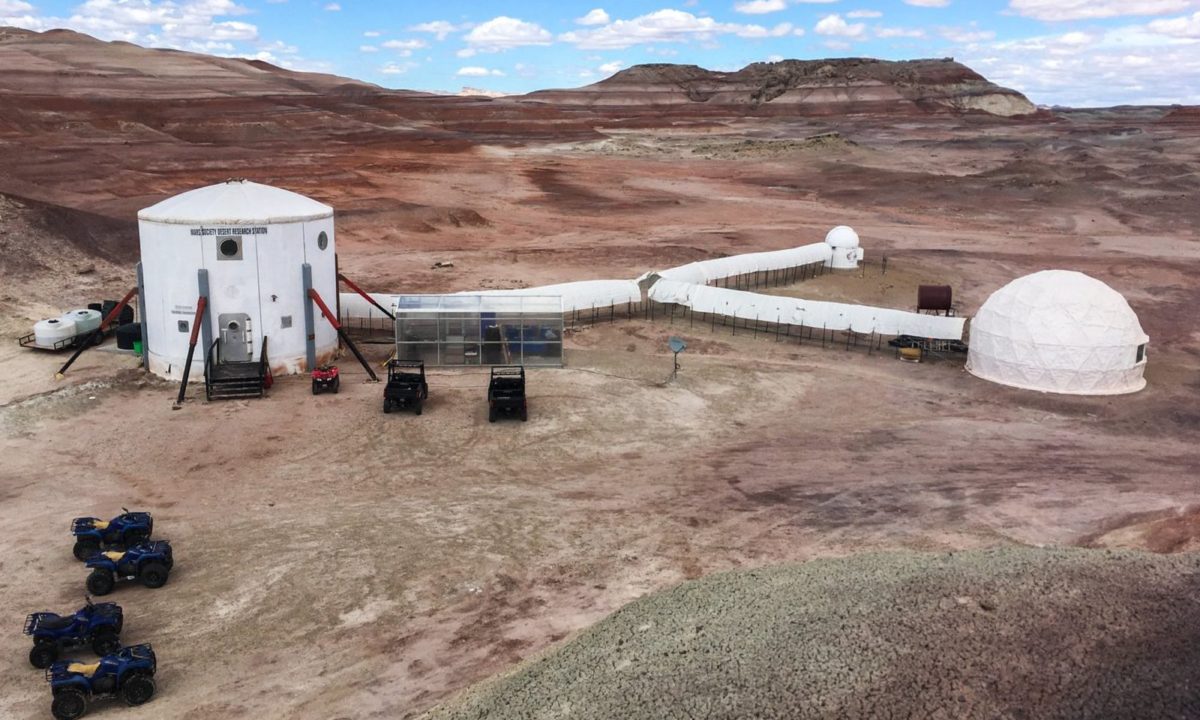
Source: marssociety.org
It is noteworthy that the Mars Society does not advance this argument. The organization, which has promoted the idea of colonization since 1998, was founded by Robert Zubrin, whose calculations underpin modern Mars expedition projects. Its declaration lists seven reasons for going to Mars, and a “spare planet” is not among them. We discussed this omission with Serhii Danylenko, head of the Mars Society in Ukraine.
However, we should not regard the goal as a summit to be reached after ascending four lower steps. It is precisely in pursuit of this goal that we began seeking solutions to all the problems explored above. In its service, we calculate how much oxygen can be recovered at the station, measure the radiation dose beneath a meter of regolith, and equip polar researchers in Antarctica with sensors. These issues matter only because humanity has resolved to undertake a mission to Mars.
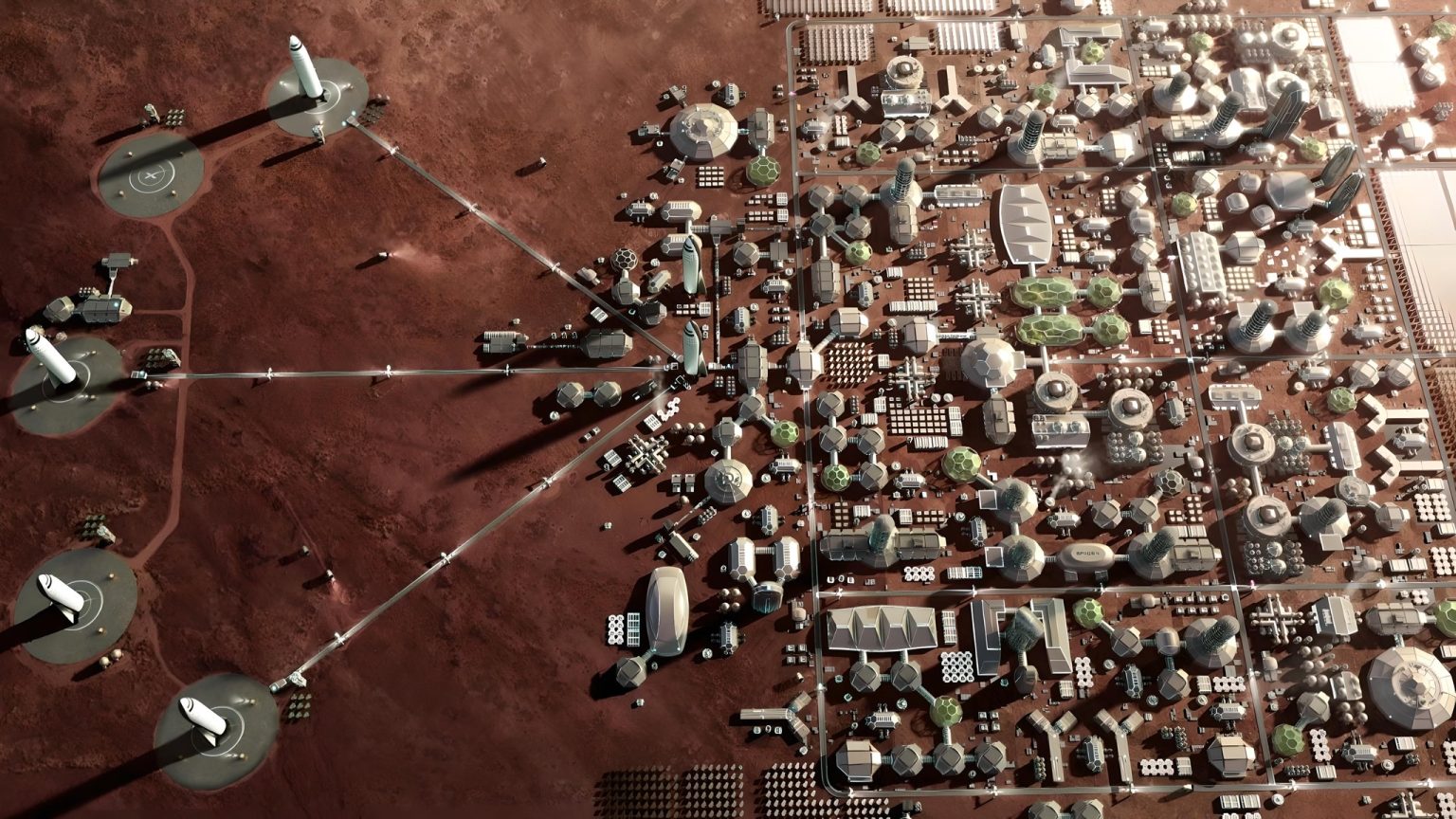
However, one fact remains unchanged: the pyramid’s roots still extend from Earth. Oxygen, water, medicine, spare parts, solutions, and people continue to come from here. A self-sufficient colony exists only in science fiction books and films, and it is impossible to calculate what it would take to build one today, as we are not yet aware of certain threats. We will have to develop solutions as we proceed.
