

The summer solstice is an astronomical event that occurs once annually. This year, it is observed on June 21 at 11:24 a.m. Kyiv time. The solstice holds profound cultural importance for numerous communities, who commemorate this occasion with various festivals. In Ukraine, one such celebration is Kupala Night; however, its current date no longer aligns with the summer solstice and therefore does not coincide with the shortest night of the year.
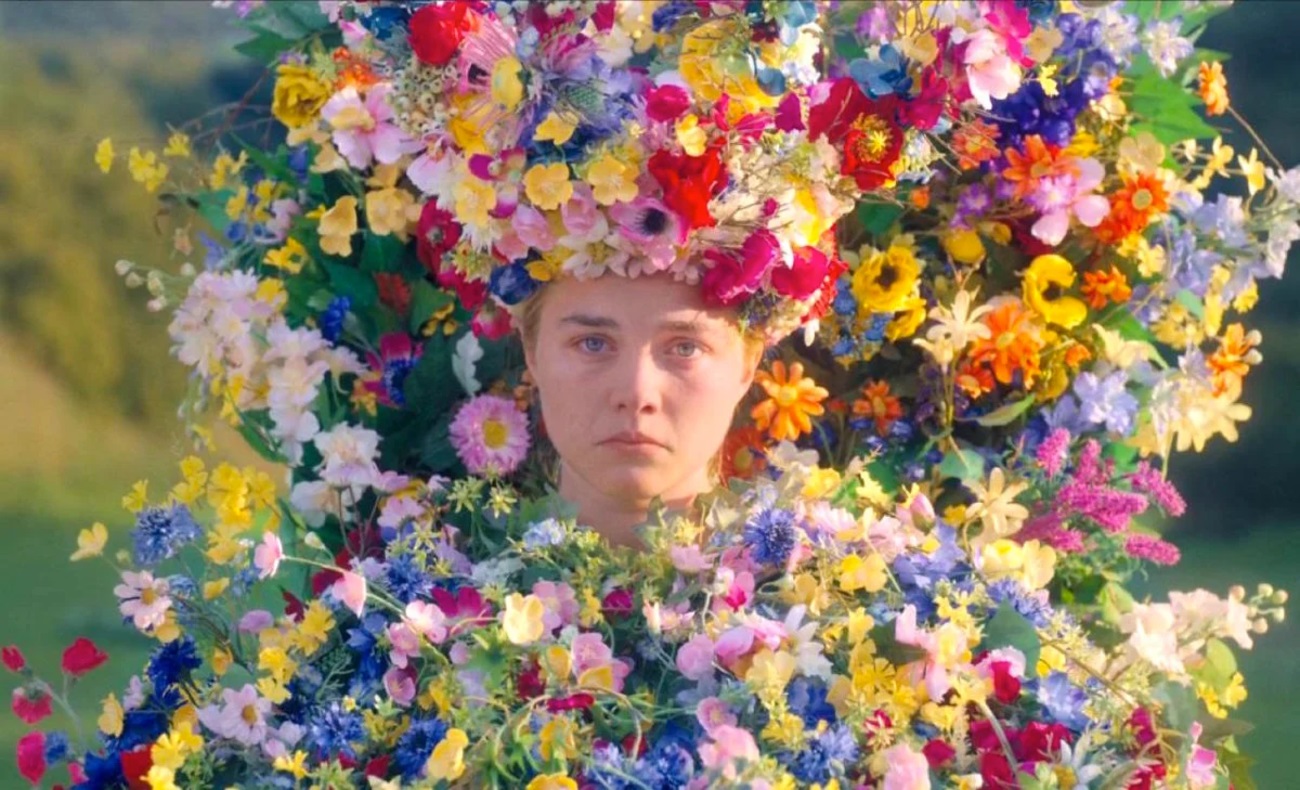
When midsummer arrives
The alternation of summer and winter occurs because, as our planet orbits the Sun, it presents different poles towards the Sun at different times. For the Northern Hemisphere, the summer months are June, July, and August. It is widely understood that during this period, days are elongated, nights are shortened, and temperatures tend to be elevated, as the Sun has an extended duration to warm the Earth.
Simultaneously, the duration of daylight initially extends and subsequently diminishes during the summer season. Consequently, when does the shortest night of the year take place?
In the Northern Hemisphere, this event typically occurs on the night of June 21–22. This period is commonly referred to as the summer solstice. Why is it described as “almost always”? Because, from the perspective of contemporary astronomy, the solstice is not merely the shortest night of the year but a specific instant when the Sun attains its northernmost position along the ecliptic, or equivalently, when it is precisely at its zenith over the Tropic of Cancer at midday. In reality, these phenomena are identical, given that the Tropic of Cancer is, by definition, the northernmost parallel through which the Sun can be observed directly overhead.

The precise moment of the solstice can be identified to the minute. For instance, this occasion will take place at 8:24 a.m. GMT (11:24 a.m. Kyiv time) on Sunday, June 21.
However, the event transpired at 5:41 a.m. Kyiv time on June 21 of the previous year, and in 2027, it is scheduled to occur at 5:10 p.m. Additionally, it may also take place on August 22.
These modifications are attributable to the fact that the Earth’s orbital period around the Sun does not precisely align with the calendar’s 565 days. In reality, it is approximately six hours longer. To accommodate this discrepancy within the Gregorian calendar, leap years with an additional day are implemented. Consequently, the solstice occurs six hours later annually before reverting to its original position.
Midsummer festival
Scientists regard the summer solstice as the commencement of astronomical summer. Nevertheless, for the majority of people thousands of years ago, it remained the midpoint of summer. Furthermore, various cultures associated this period with festivals dedicated to the Sun, which was attributed with mystical and divine qualities.
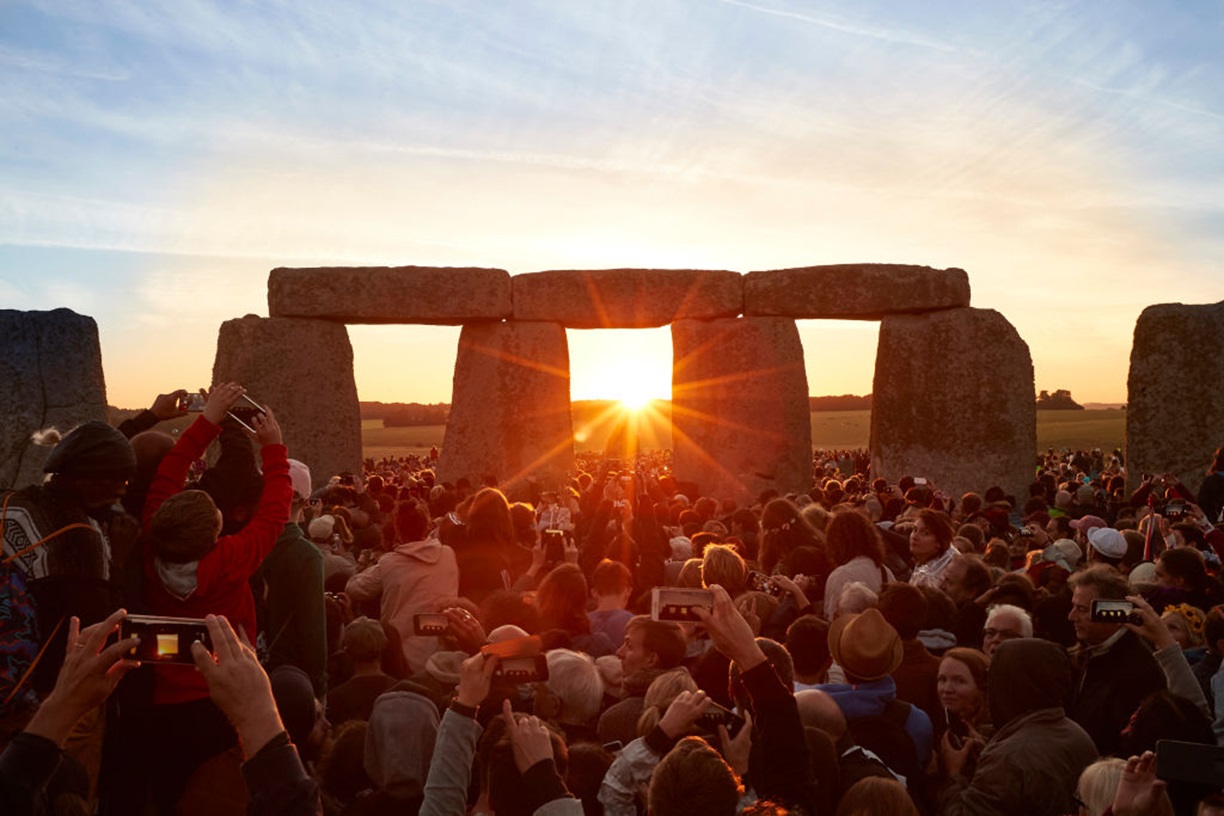
Stonehenge in England exemplifies this phenomenon most effectively. It is beyond our capacity to fully comprehend the beliefs and myths held by the individuals who constructed this edifice from massive stones thousands of years ago. Nonetheless, it is evident that the Sun played a pivotal role in their cosmology, as Stonehenge continues to be among the premier locations globally for observing the solstices.
It is precisely at dawn on the summer solstice that light illuminates the central stone of the entire structure. Of course, this does not correspond exactly to astronomical observations, but it is undoubtedly one of the most compelling visual representations of this event.
Among the ancient Germanic peoples, this holiday was referred to as Midsommar — the midpoint of summer. For numerous other communities, it was also connected with the sun, whose strength was believed to attain its zenith at this period before diminishing, only to reach its nadir six months later during the winter solstice. Subsequently, the sun’s vitality would regenerate, constituting the most conspicuous and well-known annual natural cycle for human observers.
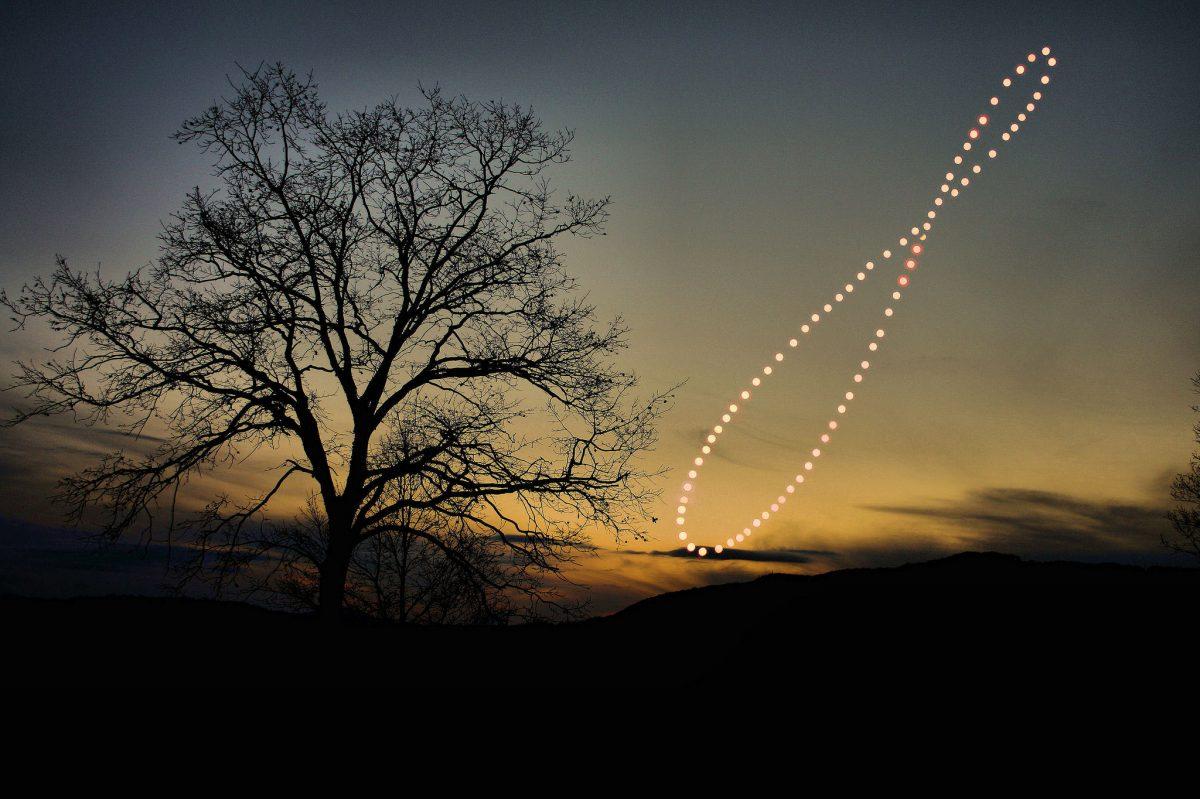
Our understanding of the cyclical nature of history and other phenomena is predominantly connected to the cyclical variation in daylight duration over the course of the year. Furthermore, in Ukraine, we observe a holiday that is associated with the Sun as a deity and its influence.
Kupala Night
We are discussing Kupala Night. Although the holiday derives its name from the biblical figure John the Baptist, it is fundamentally a pagan celebration. To be precise, the church calendar recognizes only Kupala Night on June 24; however, the preceding night is more widely known, as it is when the majority of rituals occur — rituals predominantly associated with fire, water, and the sun.
In fact, this nocturnal celebration predates the Christian holiday significantly, and it is quite plausible that the latter was inspired by the former.
Simultaneously, the impact of Christianity in the Slavic regions was so profound that it is impossible to determine with absolute certainty the name of the Slavic sun deity, whose honor the celebrations were conducted. Most plausibly, his name was Yarilo, although alternative possibilities exist.
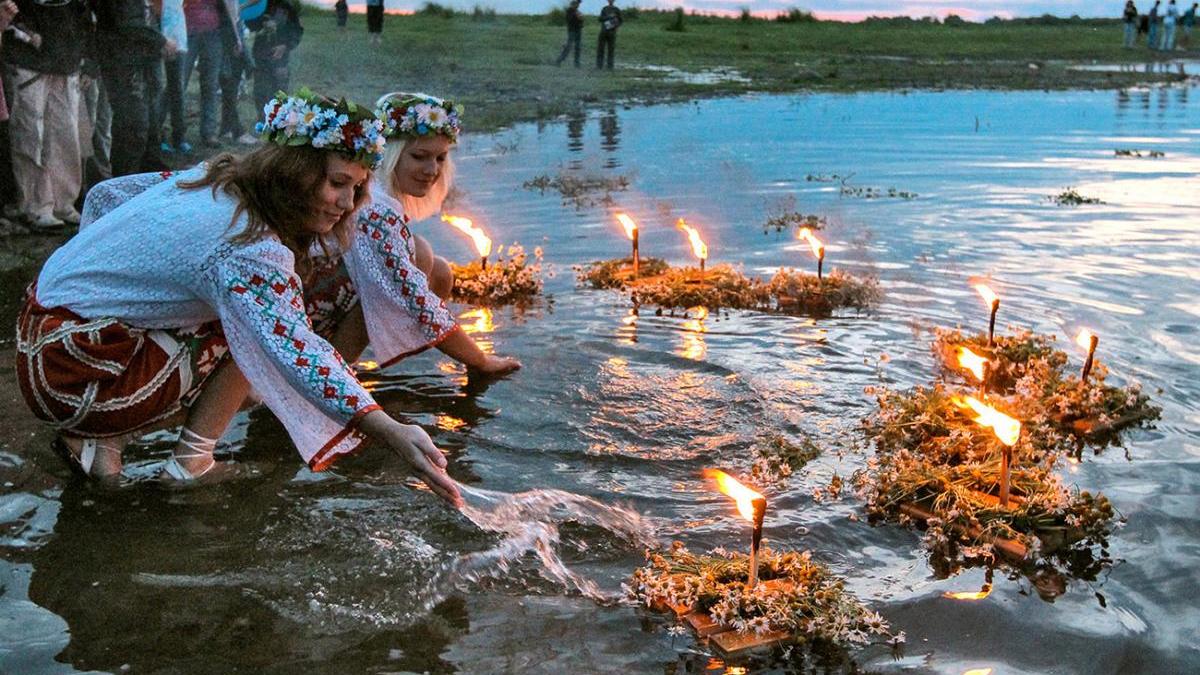
Certainly, it is evident that Kupala Night is observed not precisely on the summer solstice, but three days thereafter. The exact reason for this discrepancy remains uncertain, and several hypotheses may be proposed to account for it.
Most probably, this can be attributed to the inaccuracies inherent in ancient measurement methods or to the timing of the celebration during a period when the reduction in daylight hours had become perceptible to all. It is important to note that during the days of the solstice themselves, the variation in daylight duration is minimal.
In any event, we are aware of an additional instance demonstrating how a pagan festival associated with an astronomical occurrence has successfully integrated into Christian tradition. Furthermore, in that context, the celebration also occurs with a delay.
We are discussing Christmas, a holiday observed annually on December 25, three days subsequent to the winter solstice and approximately six months following Kupala Night. The precise rationale for selecting this specific date remains somewhat elusive. Nonetheless, there exists an undeniable symbolic linkage between these festivities: within Christian tradition, these dates commemorate the births of John the Baptist and Jesus Christ.
Saint John the Forerunner holds a pivotal position in relation to the central figure of Christianity. Consequently, it is not unexpected that, commencing on the day dedicated to his birth, the nights progressively lengthen and become colder, a pattern that reverses on Christmas Eve — symbolically linked to the rebirth of life and renewed hope. In this context, the summer solstice may be viewed as the initial phase of a preliminary countdown leading towards the winter holiday season.
