

The fourteenth test flight of the Starship system is scheduled for late August 2026. SpaceX will attempt for the first time to deploy Starlink V3 satellites into operational orbit and return the upper-stage Ship to be caught by the launch tower. Elon Musk announced this on August 4 during the company’s first-ever quarterly report to investors.
Status of the Heat Shield
The decision to attempt a tower catch of Ship is based on the results of the July flight. On July 24, 2026, the upper stage splashed down in the Indian Ocean off the coast of Western Australia with a heat shield that had survived atmospheric reentry almost entirely undamaged.
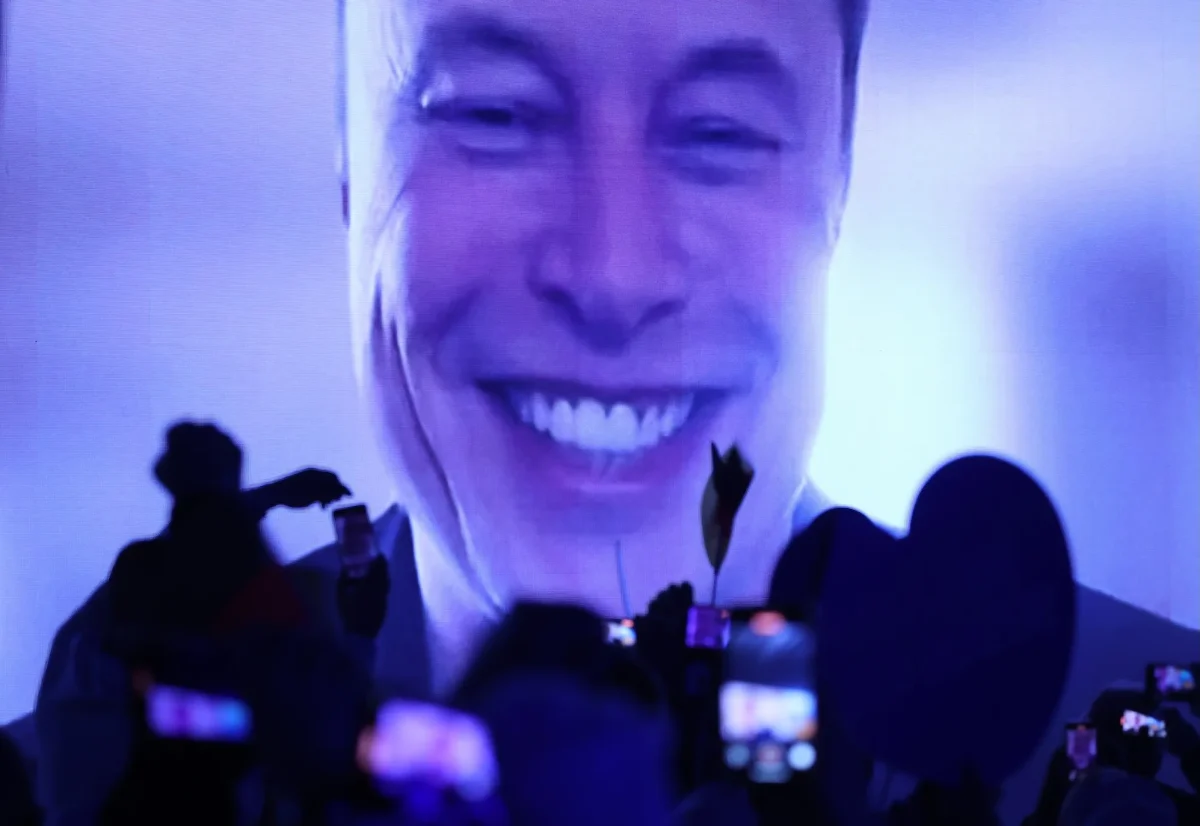
The shield’s integrity after reentry gave Elon Musk grounds for a decisive conclusion. “I don’t want to jinx it, but I believe the heat-shield problem has now been solved,” he said on August 4 during SpaceX’s first-ever quarterly report as a public company, according to space.com.
The First Stage Has Already Been Returned to the Tower
The system’s first stage, Super Heavy, has already successfully returned three times to the Starbase launch complex in South Texas. There, it was caught by the launch tower using a pair of mechanical arms. The company is now ready to repeat the maneuver with the upper stage, provided it receives regulatory approval.
Ship is the 52-meter upper stage of Starship and, until now, has ended every flight with a splashdown. Attempting a tower catch will be a key step toward making the entire system fully reusable, since the rapid return of both stages without refurbishment is central to Starship’s economics.
An Orbital Debut for Starlink V3
In addition to the stage catch, Flight 14 will be the first mission to deploy Starlink V3 satellites into operational orbit. During the previous launch, 20 such spacecraft remained on a suborbital trajectory. This time, the plan is to deliver the larger and more powerful version directly into its operational position.
The launch cadence is expected to increase rapidly. During the earnings call, Musk said that within a year SpaceX would conduct at least one Starship flight per day, and possibly more. By comparison, Falcon 9 completed a record 134 launches in 2024, averaging one launch every 2.7 days.
The Finances of a Public Company
The August 4 earnings call was also historic for SpaceX from a financial perspective. On June 12, 2026, the company completed the largest IPO in history, raising $86 billion at a valuation of $1.77 trillion. Quarterly revenue reached $7.8 billion, up 92% year over year, while the net loss narrowed from $1 billion to $541 million.
More than half of the company’s revenue, approximately $4.3 billion, came from the Starlink satellite internet service. By the end of the quarter, it had reached 12 million subscribers. The artificial intelligence segment generated $2.6 billion, more than twice the revenue of the space segment, which totaled $962 million. SpaceX is increasingly becoming an AI company that also builds rockets.
Betting on Orbital Intelligence
The company’s ambitions in artificial intelligence are supported by a specific plan. During the call, Musk said that in 2027 the company intends to begin launching spacecraft for Starmind, a large-scale constellation of orbital AI data centers.
Starship launches will provide the transportation infrastructure for the project, which explains the projected cadence of hundreds of flights per year. Regulatory approval for Flight 14 has not yet been granted, but a preliminary launch date has already been set. Should the tower catch of Ship succeed on the first attempt, SpaceX will complete the full-reusability cycle of the most powerful rocket in history.