

Numerous star systems considerably exceed the age of our Solar System by billions of years, and we have already identified thousands of exoplanets of diverse types. Nonetheless, there remain no indications of other civilizations. Let us examine how the Great Filter hypothesis accounts for this apparent contradiction and why, according to its rationale, any discovery of extraterrestrial life should be regarded as a matter of concern for humanity.
Source: perthobservatory.com.au
The presence of bacteria on Mars is a matter of concern
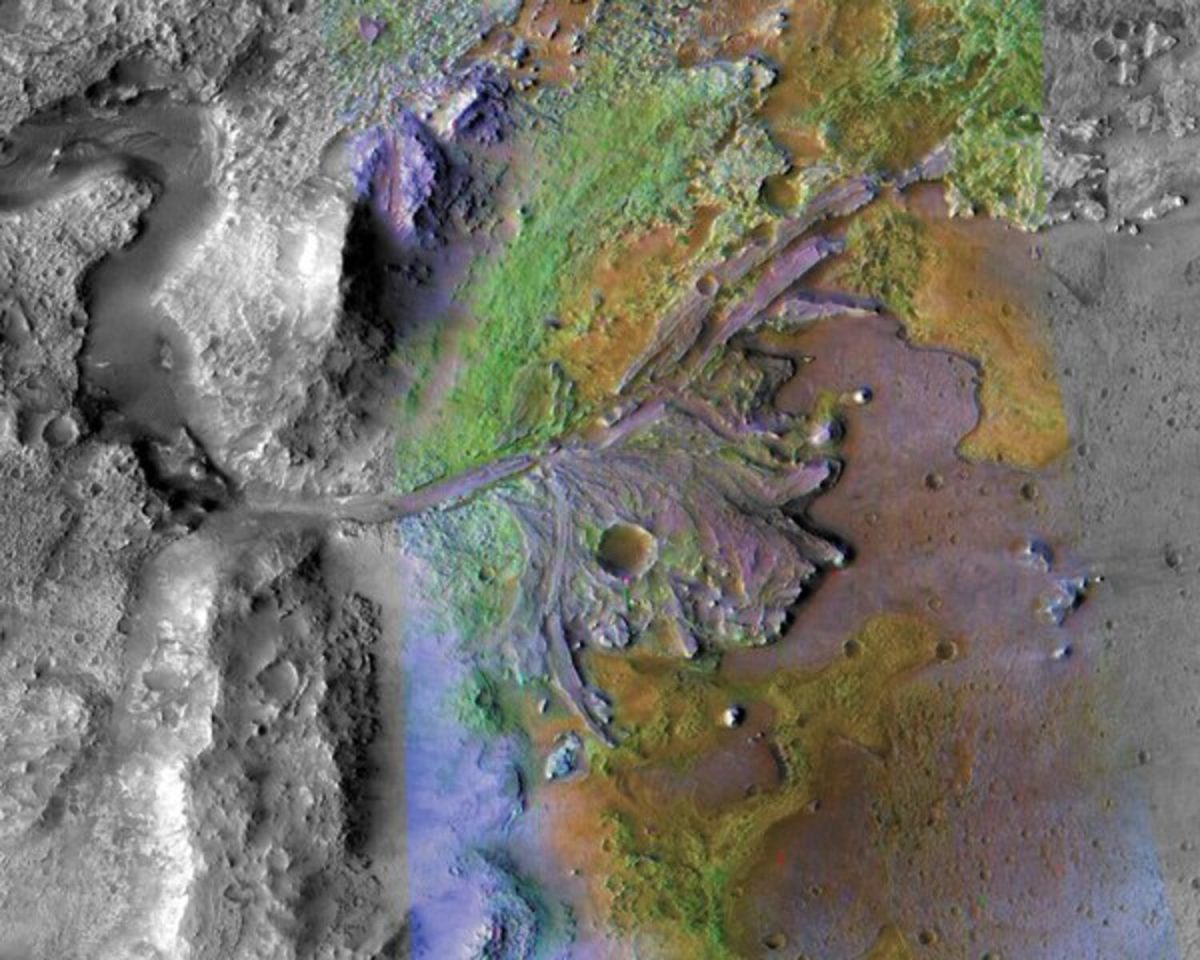
Imagine a Mars rover detecting evidence of ancient bacteria in the Martian soil. Initially, this appears to be a groundbreaking discovery — excellent news! However, there is an alternative perspective. Such a finding could potentially be detrimental to humanity’s future.
For a civilization to colonize the galaxy and seemingly reshape its surroundings, it must undergo an extended sequence of stages, ranging from the emergence of the initial self-replicating molecules to venturing beyond the confines of its own solar system. Among the innumerable stars in the observable universe, no evidence of such a journey has been observed. More precisely, we find no trace of it.
This contradiction between the anticipated number of civilizations and the total lack of any evidence of their existence is recognized as the Fermi paradox. The Great Filter hypothesis accounts for the silence of the cosmos by proposing that one of the stages possesses such an exceedingly small probability that the process terminates at that juncture.
The sole inquiry pertains to which particular stage is most likely to be insurmountable. If life emerges with relative ease, then the subsequent stages remain potential challenges, with at least one still anticipated for humanity. A Martian bacterium would definitively demonstrate that the origin of life in the universe is not an extraordinary or exclusive event.
No one is present in the vacant sky
Our galaxy is approximately three times older than the Sun. It is estimated to be around 13 billion years old, whereas our star is only 4.6 billion years old. This indicates that countless stars formed long before the Sun’s formation. Additionally, numerous planets orbit these stars. Calculations based on data obtained from the Kepler telescope suggest that roughly every second or third Sun-like star hosts a rocky planet within a zone where liquid water could potentially exist on its surface. However, it is important to note that the margin of error in these estimates is considerable, and the actual number may be significantly smaller.

Even by the most conservative estimates, numerous habitable worlds exist within the Galaxy. The Great Filter hypothesis was introduced in 1996 by Robin Hanson, an American economist and futurist. According to his assessment, the colonization of the Galaxy would require millions of years — a brief moment in cosmic terms. This calculation is predicated on the assumption that initial missions would consist of unmanned spacecraft capable of constructing replicas of themselves from local materials and continuing their journey, thereby enabling exponential growth in exploration scope.
Such technologies are not yet available, and critics of this hypothesis specifically highlight this point. However, even if our estimations are off by an order of magnitude, a civilization that is several million years more advanced than ours could have colonized the Galaxy or at least neighboring star systems long ago.
We would have observed this phenomenon — assuming, as we hypothesize, that an advanced civilization inevitably manipulates matter to fulfill its requirements, similar to human practices here on Earth. Hanson elaborates on the potential manifestations of this process: asteroid belts depleted of their raw materials for orbital frameworks, or interconnected collection systems encircling a star that capture a substantial part of its radiation and produce a marked change in its spectrum. As early as 1960, physicist Freeman Dyson depicted such a structure, which has since become known as a Dyson sphere.
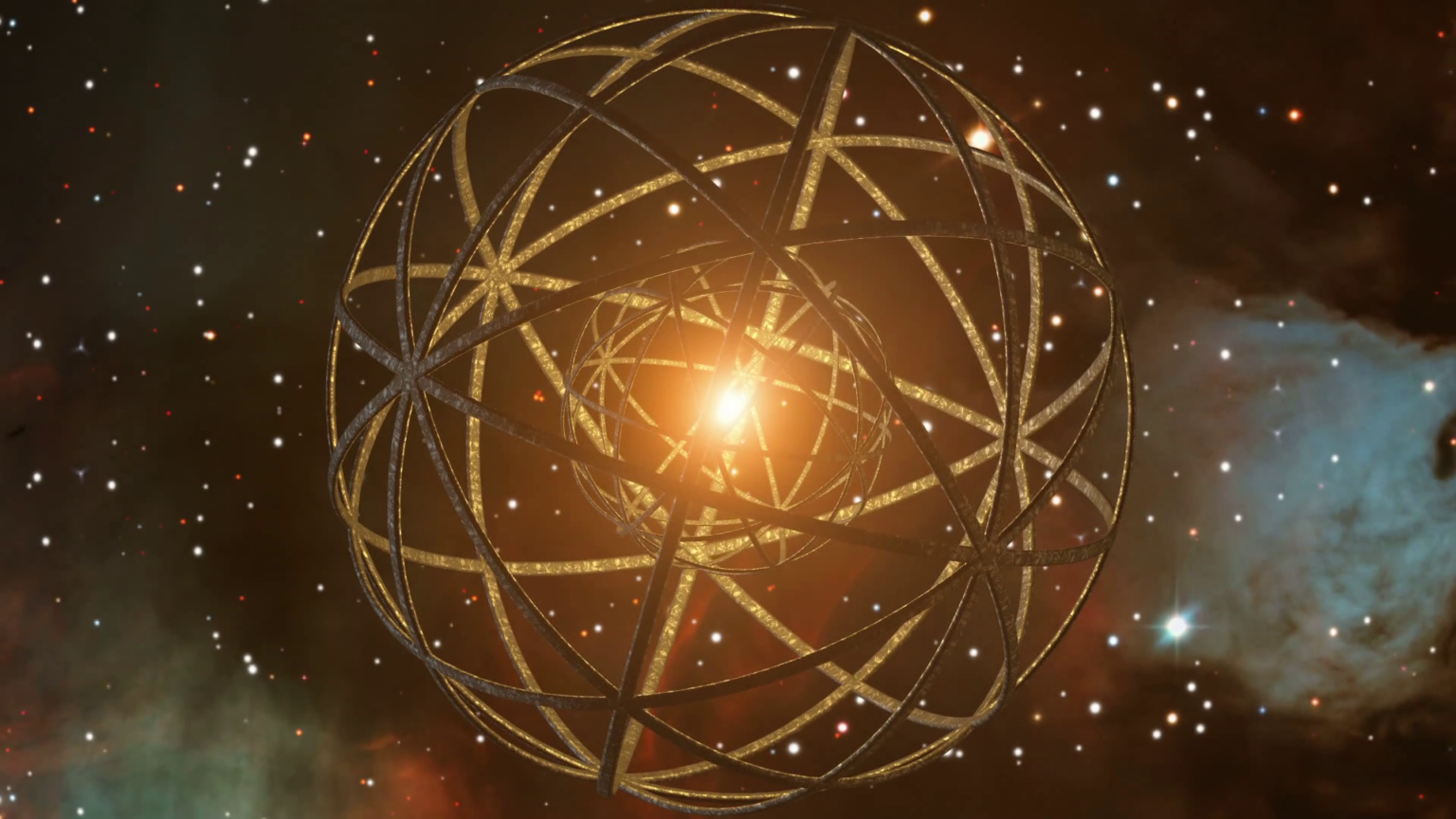
Finally, the stars are being dismantled for the materials of which they are composed. The list extends further, as predicting the intentions of another mind remains inherently impossible. However, we do not observe such phenomena. All observable phenomena — from neighboring planets to distant galaxies — are accurately explained by comprehensible physical processes. Consequently, a flaw must exist within our reasoning.
Why is the barrier difficult to detect?
Hanson proposed a sequential framework for the development of a spacefaring civilization, beginning with the necessity of a habitable planet situated near an appropriate star. Subsequently, the emergence of self-replicating molecules is required, followed by the formation of the simplest cellular structures. The subsequent stage involves the development of cells with increased complexity, incorporating a distinct repository of genetic information within them, as this foundation is fundamental to the emergence of all recognizable forms of life.
The subsequent phase involves reproduction between two individuals, significantly expediting the development of new traits. This is followed by the emergence of multicellular organisms and animals possessing large brains and capable hands for tool use. The penultimate stage is the development of a technological civilization capable of modifying its own destiny, which is the current state of humanity. The final stage encompasses surpassing the confines of one’s own system and engaging in interstellar travel.
It is reasonable to presume that the slowest of these stages constitutes the very barrier under consideration. However, this conclusion is potentially misleading, as our judgments are solely based on the historical record of a single planet — Earth, which is unique. It is evident that Earth has attained the penultimate stage; otherwise, such inquiries would not arise. Consequently, our estimations of the relevant timeframes are biased.
Let us consider that a particular stage — such as the transition to multicellular life — is so intricate that, on average, it requires billions of years. On most planets, this duration is precisely what is observed. However, temporal constraints are imposed by stellar evolution, as stars increase in temperature over time and eventually render their planetary systems uninhabitable for further biological development. When a complex stage consumes its typical duration, the process often terminates prematurely. Such planets are excluded from our considerations, as there are no observers to report their conditions.
There are infrequent exceptions. These are worlds where, owing to a favorable sequence of events, a challenging stage was surpassed considerably quicker than the typical duration. Earth is among these, and consequently, none of its challenging stages endured as long as usual. Each was completed within the scheduled timeframe, rendering the difficult stages in Earth’s history almost indistinguishable from the easier ones.
The early Earth was in a molten state, and the chronological timeline commences at the point when it subsequently cooled. The earliest evidence of simple cells within rocks is observed approximately 0.5 billion years thereafter. Complex cells emerged roughly two billion years later. The process of reproduction involving two individuals appeared another 0.8 billion years subsequently. Multicellular life formed approximately 0.5 billion years subsequently. Since then, a period of approximately 0.6 billion years has elapsed.

The intervals are not identical, but the difference between them is minimal. If the duration of a stage were proportional to its complexity, the disparity would be significantly more apparent. Two caveats are noteworthy in this context. Firstly, the earliest evidence of cellular life was discovered in the oldest rocks that have persisted, implying that the actual date may be even earlier. Secondly, the emergence of complex cells coincided with the oxygenation of the atmosphere, an event primarily governed by planetary chemistry rather than biological processes.
Is the obstacle situated behind or ahead?
The destiny of humanity hinges on which stage proves to be the most challenging. Consider, for instance, that one of the earliest phases — such as the emergence of life or the transition to complex cellular organisms — is the most arduous. According to the logic of this hypothesis, such circumstances imply that there are scarcely any worlds at our level within the universe, as civilizations lack sufficient time to develop fully. Consequently, the most difficult part for humanity has already been surmounted. This represents an optimistic scenario, presenting a clear path forward and a promising future.
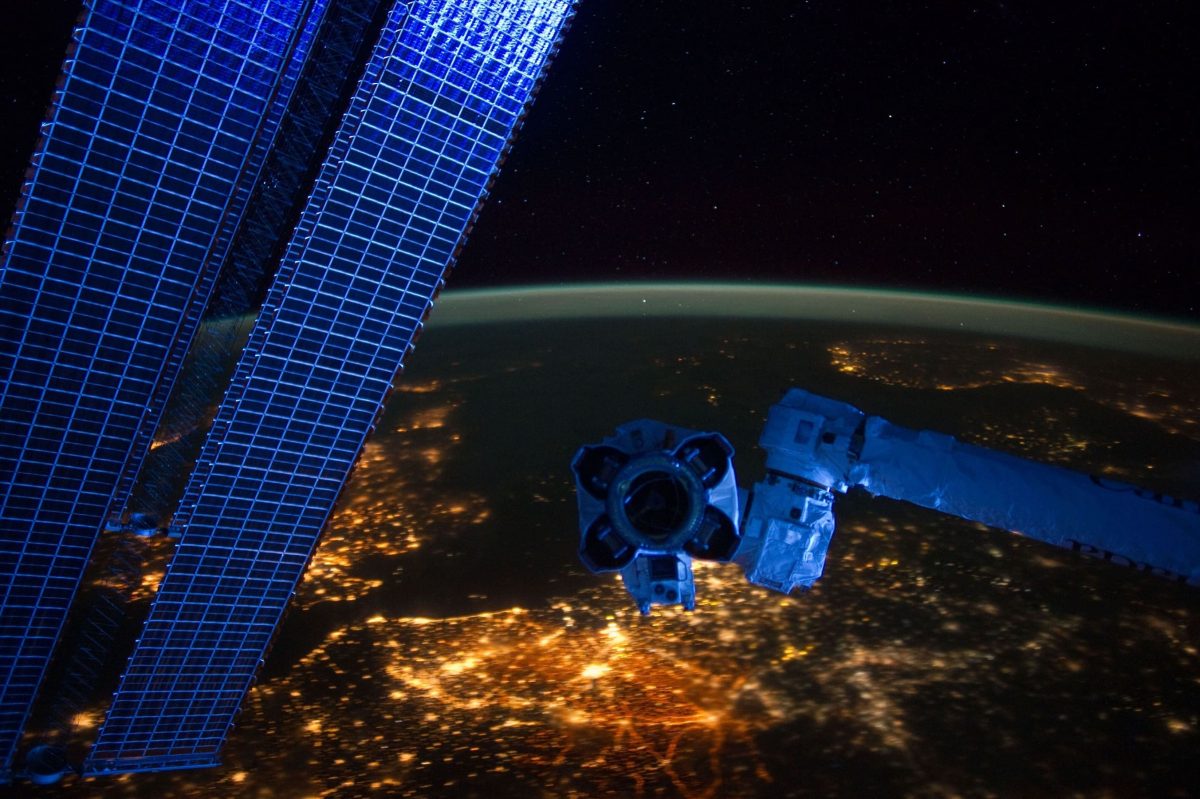
The pessimistic perspective varies. When the initial phases are comparatively straightforward to accomplish, civilizations frequently attain our level — and then vanish. How can this occur? The issue lies in the fact that the technologies facilitating space exploration also enable self-destruction. Genson references a large-scale nuclear war, an environmental catastrophe, or a societal collapse so severe that recovery becomes unfeasible.
Subsequent scholars, including philosopher Nick Bostrom, expand this list to encompass artificial intelligence systems capable of escaping their creators’ control, as well as biological technologies that enable the creation of pathogens and could potentially be accessible to a broad spectrum of individuals.
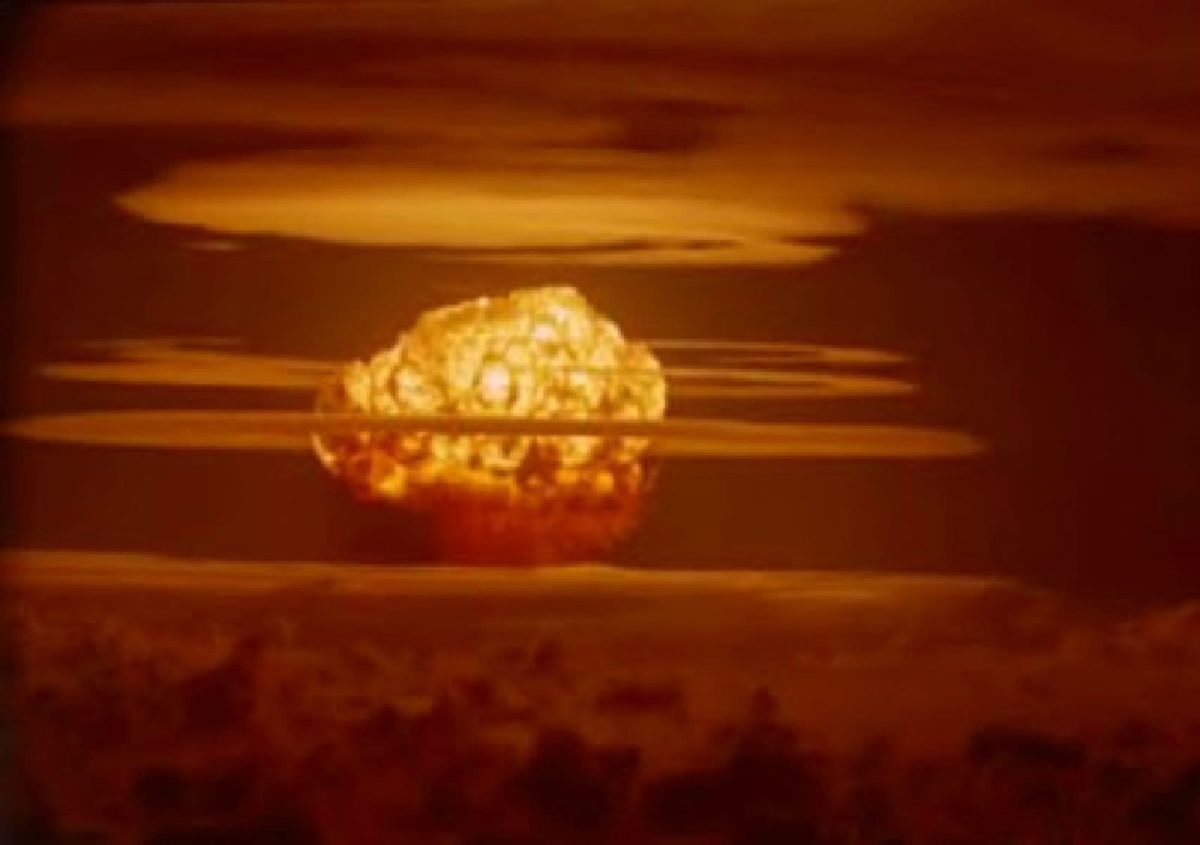
Any early stage that turns out to be easy is dismissed as a potential obstacle. Consequently, the simplest organisms on a neighboring planet would be an unfavorable indicator, although this conclusion would be valid under two specific conditions. It would be essential to demonstrate that Martian life developed independently and to exclude the possibility of microorganism transfer between planets through rock fragments resulting from asteroid impacts.
Hanson himself addressed this matter in a restrained manner. According to his account, should evidence of ancient Martian life be confirmed, the basis for optimism would need to be sought in subsequent stages. Bostrom, in a 2008 publication, articulated his perspective more bluntly, expressing hope that the Martian missions would yield no discoveries. He would be pleased by the discovery of inert rocks and barren sands, whereas any traces of even the simplest life forms would evoke concern — particularly as the complexity of any discovered life increased, the severity of such concern would intensify.
What this concept fails to demonstrate
There are numerous weaknesses present, the most significant of which is that the hypothesis fails to provide an explanation; it merely relocates the inquiry from one level to another. Instead of questioning, “Why can’t we hear anyone?” the inquiry becomes, “At which stage does everyone cease?” There was no answer then, and there remains none now. Furthermore, it is not necessarily a single barrier; rather, there may be multiple obstacles, with each one eliminating a subset of the worlds.
The silence of the heavens possesses alternative interpretations as well. In 2000, geologist Peter Ward and astronomer Donald Brownlee postulated that microbes are ubiquitous throughout the universe, but that complex organisms necessitate such a rare conjunction of conditions that Earth may be nearly unique. Even earlier, in 1973, astronomer John Ball proposed an alternative hypothesis. He suggested that extraterrestrial civilizations may exist but are intentionally maintaining their distance, having departed the Solar System to establish a natural reserve.

Hanson regards this hypothesis as tenuous. While the Solar System could be designated as a nature reserve, there is no evidence of extraterrestrial life within the observational reach of telescopes. Consequently, the principle of non-interference would need to have been independently conceived and consistently upheld by all civilizations in the observable universe that have never established communication with one another.
However, the most compelling counterargument to the hypothesis resides elsewhere. Our search efforts have been minimal; systematic searches for extraterrestrial radio signals have only commenced since the 1960s. In 2018, astronomers Jason Wright, Shubham Kanodia, and Emily Lubar estimated the fraction of potential signals these programs have detected over the entire period. Their findings indicated that this detection rate is approximately comparable to the volume of water in a small swimming pool relative to the total volume of Earth’s oceans. In conclusion, the assertion of silence is based on an exceedingly limited sample size.
Two projects possess the potential to expand our understanding, and both are currently in progress. The European Rosalind Franklin lander is scheduled for launch to Mars in October 2028, with a landing anticipated in late 2030. It will be equipped to drill into the soil to a depth of up to two meters and analyze samples directly on the planetary surface. Concurrently, in late 2028, the Chinese Tianwen-3 mission is also set to launch; it will perform drilling to a depth of two meters and aim to return a minimum of 500 grams of Martian soil to Earth by approximately 2031.
No individual has drilled to this depth on Mars to date, and depth remains the critical parameter in this context, given that the planet lacks both a dense atmosphere and an adequate magnetic field. The surface is subjected to radiation that disintegrates the complex carbon compounds constituting all living organisms. At a depth of two meters, the soil offers protection, thereby allowing the preservation of ancient traces.
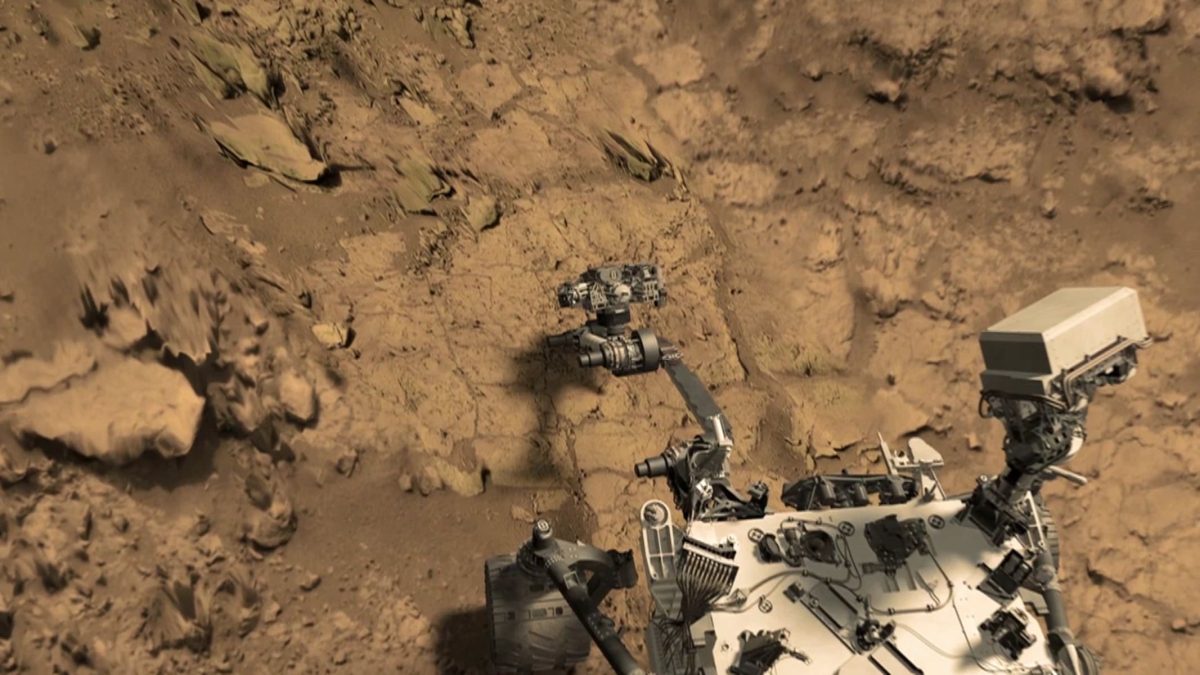
The second area of research pertains to the examination of atmospheres of exoplanets in pursuit of gases regarded as biomarkers — indicators of potential life forms. The difficulty of this endeavor was exemplified by the case of the exoplanet K2-18 b, situated 124 light-years from Earth. A subtle indication of such a gas, identified by the James Webb Space Telescope, initiated extensive discussions; however, subsequent independent verifications did not substantiate the initial detection.
Thus far, the entire hypothesis rests on assumptions rather than conclusive evidence of the absence of life in the universe. The lack of discoveries to date does not definitively imply that extraterrestrial life does not exist. However, should traces of ancient bacteria be discovered in Martian soil, we must consider whether this represents promising news for our civilization.
