

Near-Earth space is rapidly filling with thousands of artificial satellites every year. This certainly makes life more convenient for internet users worldwide: providers such as Starlink allow people to get online from anywhere on the planet. However, alongside affordable internet and mobile connectivity, this orbital revolution has brought a serious problem for science.
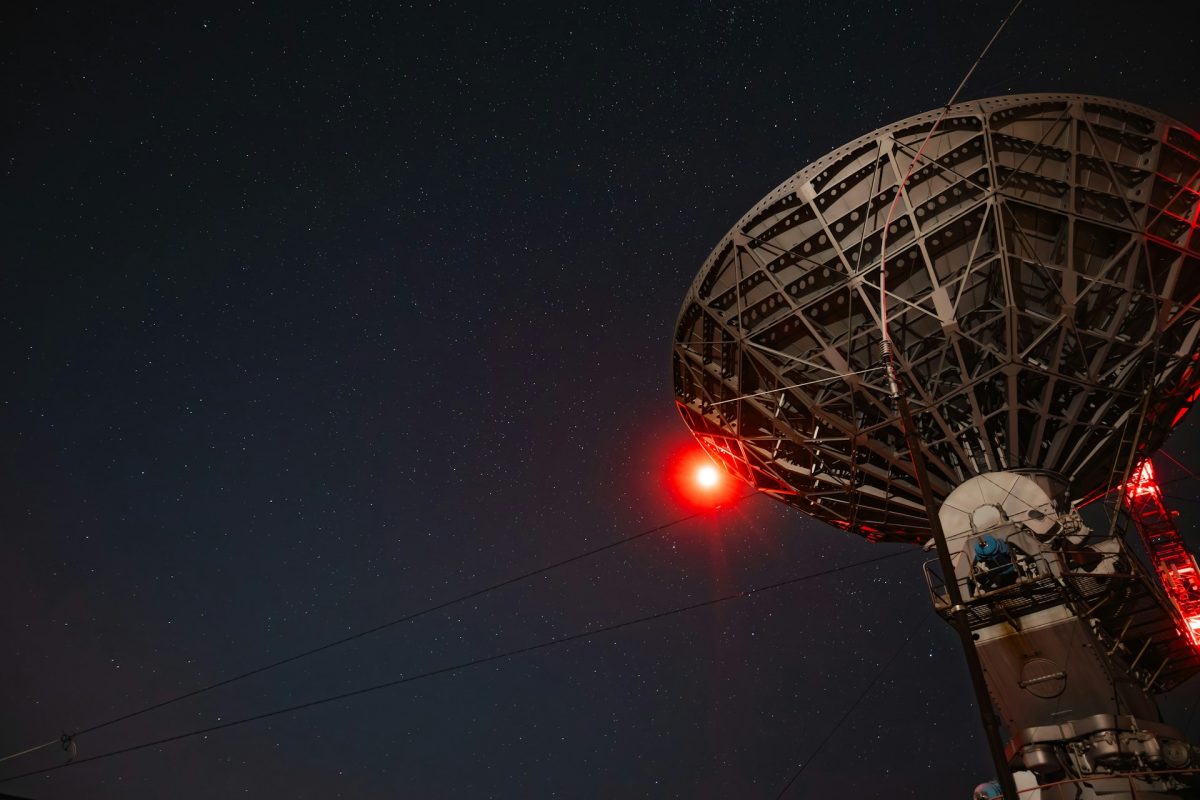
According to a study published in Monthly Notices of the Royal Astronomical Society, communications satellites in low Earth orbit generate powerful radio interference across a broad range of frequencies, making it harder to study the Universe.
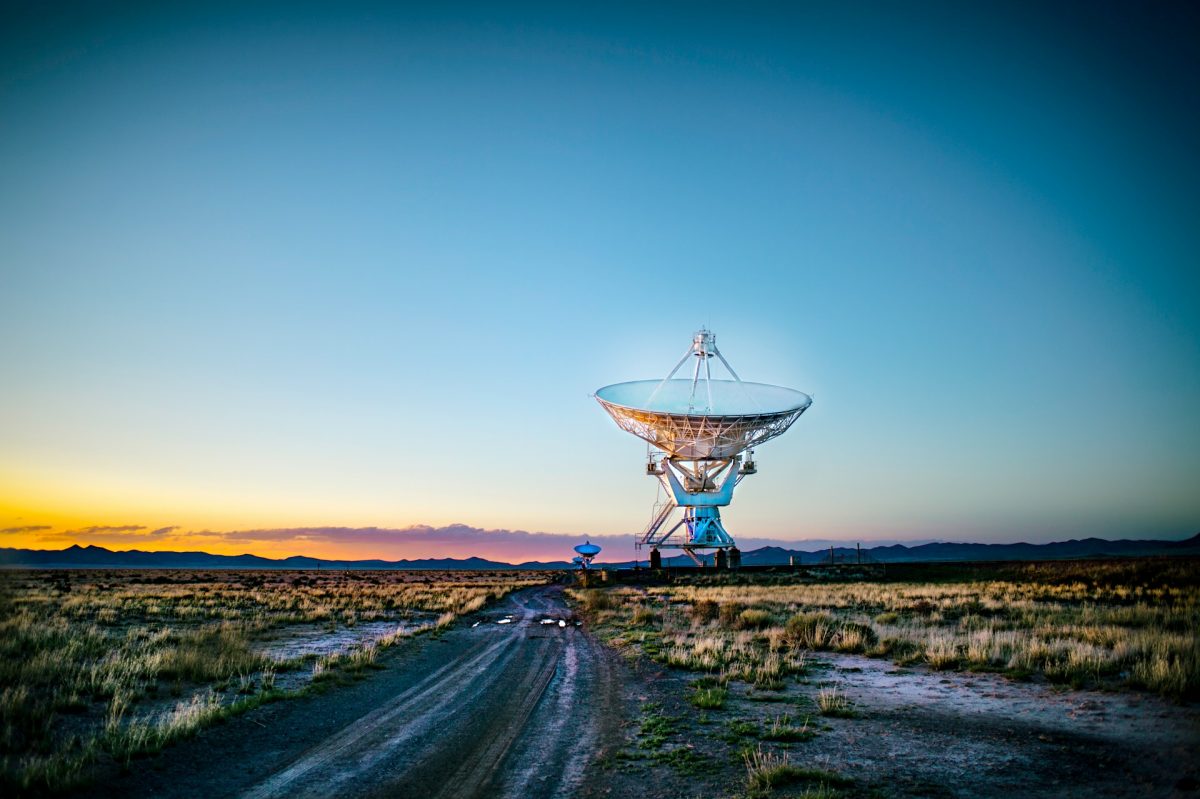
The observations were conducted as part of SNIFFLES, a dedicated satellite emission monitoring program. Astronomers used the Mopra radio telescope and the Australia Telescope Compact Array. Since April 2024, scientists have spent nearly 376 hours tracking Starlink and OneWeb satellites, as well as spacecraft in China’s Guowang constellation.
Sources of Spurious Radio Emissions
Based on their observations, the scientists divided satellite emissions into three main categories:
- Intended: signals deliberately transmitted to Earth, including Direct-to-Cell services that connect directly to mobile phones.
- Unwanted: secondary emissions from the transmitters themselves, such as harmonics at integer multiples of the main signal’s frequency.
- Unintentional: spurious leakage from onboard electronics, voltage converters, power systems, and satellite computers.
The researchers found that even when a spacecraft is not deliberately transmitting data, its internal equipment continues to emit radio noise.
A Threat to Observations
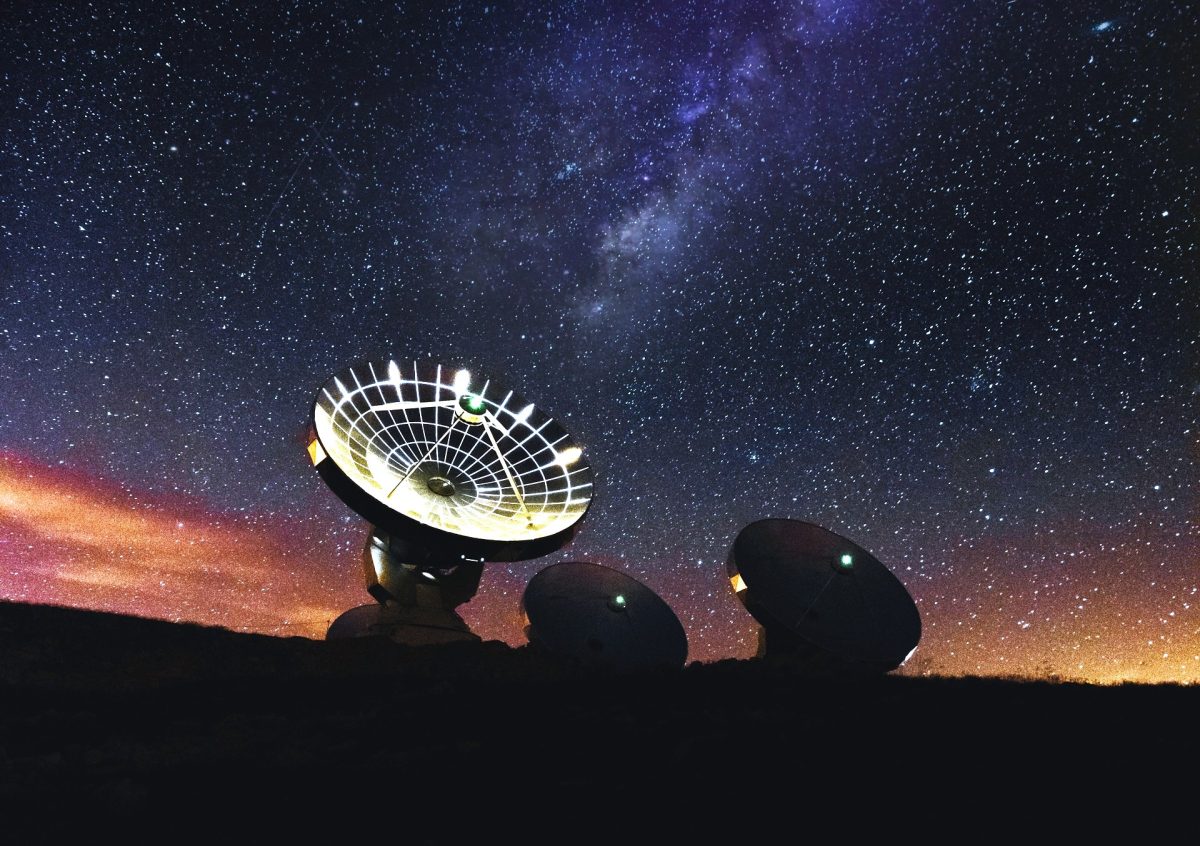
The effects of this radio noise are already apparent. Researchers detected a signal from OneWeb satellites at 1,613.19 MHz that overlaps the spectrum needed to study hydroxyl ions in interstellar space. These molecules are important tracers in studies of stellar and galactic evolution.
In addition, when analyzing a particular version of Starlink satellites, characteristic spurious emissions at a frequency of 2,700 Hz appeared in nearly 77% of all observations.
The greatest concern is the intensity of the interference. Some detected signals were 100 billion times brighter than the typical cosmic sources astronomers are trying to detect. For highly sensitive equipment, this is equivalent to having a powerful spotlight shone directly into your eyes in a dark room.
How Can Radio Astronomy Be Saved?
The study’s authors note that preserving radio astronomy requires satellite operators to control not only their officially licensed transmitter frequencies but also to shield their spacecraft’s internal electronics.
Scientists believe regulators should extend existing international rules and standards for atmospheric radio communications to satellites. Engineering solutions need to be incorporated at the spacecraft design stage.
The researchers call on private companies such as SpaceX and Amazon, as well as government space agencies, to introduce continuous emission monitoring, as the deployment of new orbital constellations will only worsen the situation.
We previously reported on how SpaceX agreed to make Starlink satellites “transparent” to astronomy.
Based on material from Space News.
