

The U.S. Space Force is taking another step toward creating a resilient system for detecting aircraft, missiles, and drones from space. On August 4, it announced contracts worth a total of $615 million awarded to three companies — Rocket Lab, STR, LLC, and a third firm whose name has not been disclosed for operational security reasons.
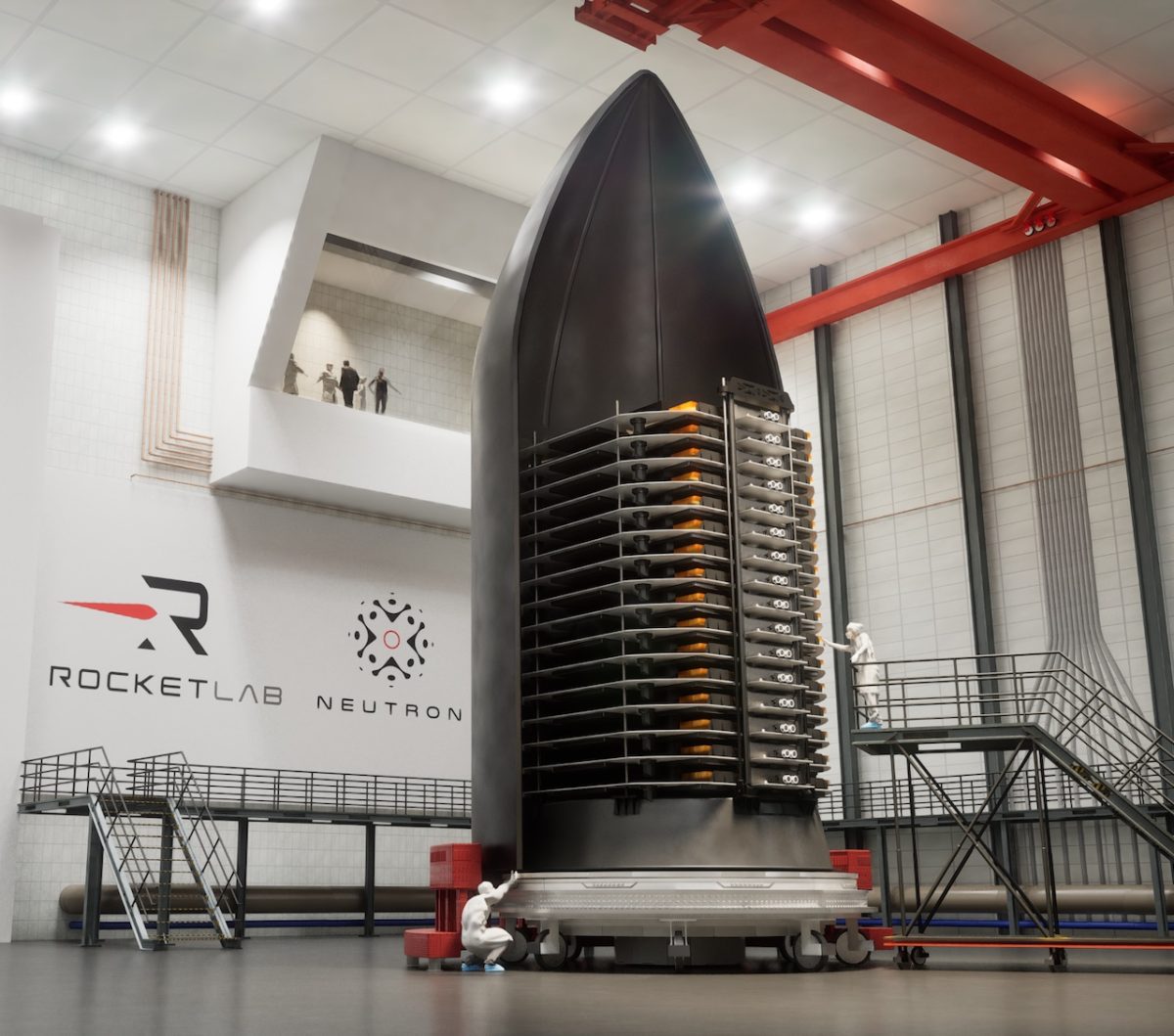
California-based Rocket Lab said its share of the contracts amounts to $397 million. The company emphasized that the contract will help deploy a reliable space-based system capable of detecting and tracking airborne threats in real time. Founder and CEO Peter Beck said this will strengthen the Joint Force’s ability to operate in contested airspace.
Diversification After SpaceX
These agreements are important not only from a technological standpoint. They broaden the supplier base after SpaceX received $4.2 billion in May to build the initial satellite constellation. U.S. Space Force Colonel Ryan Fraser, acting head of procurement for space-based surveillance, explained that the new partners will allow the service to explore different technologies and fundamentally different approaches to detecting moving airborne targets. According to him, a resilient space architecture requires a strong and competitive industrial base.
Resilience Against Threats
Traditionally, the U.S. military has relied on ground-based radars and airborne early-warning aircraft, including the E-3 Sentry. Adding a satellite layer is intended to make the mission more resilient to threats and less dependent on ground infrastructure. Government officials and experts see this as the principal advantage of the new architecture.
Thus, the U.S. Space Force is not simply purchasing another batch of satellites — it is building a multi-layered, distributed surveillance system designed to keep operating even when conventional detection systems become vulnerable.
We previously reported on how Ukrainian drones struck a space communications center in the Moscow region.
According to Business Insider
