

Preparations for the third mission of the American lunar program have reached the rocket-assembly stage. At the Kennedy Space Center in Florida, teams have begun installing the segments of the solid rocket boosters, while the heat shield has been attached to the crew capsule. The launch is planned for next year.
Booster assembly
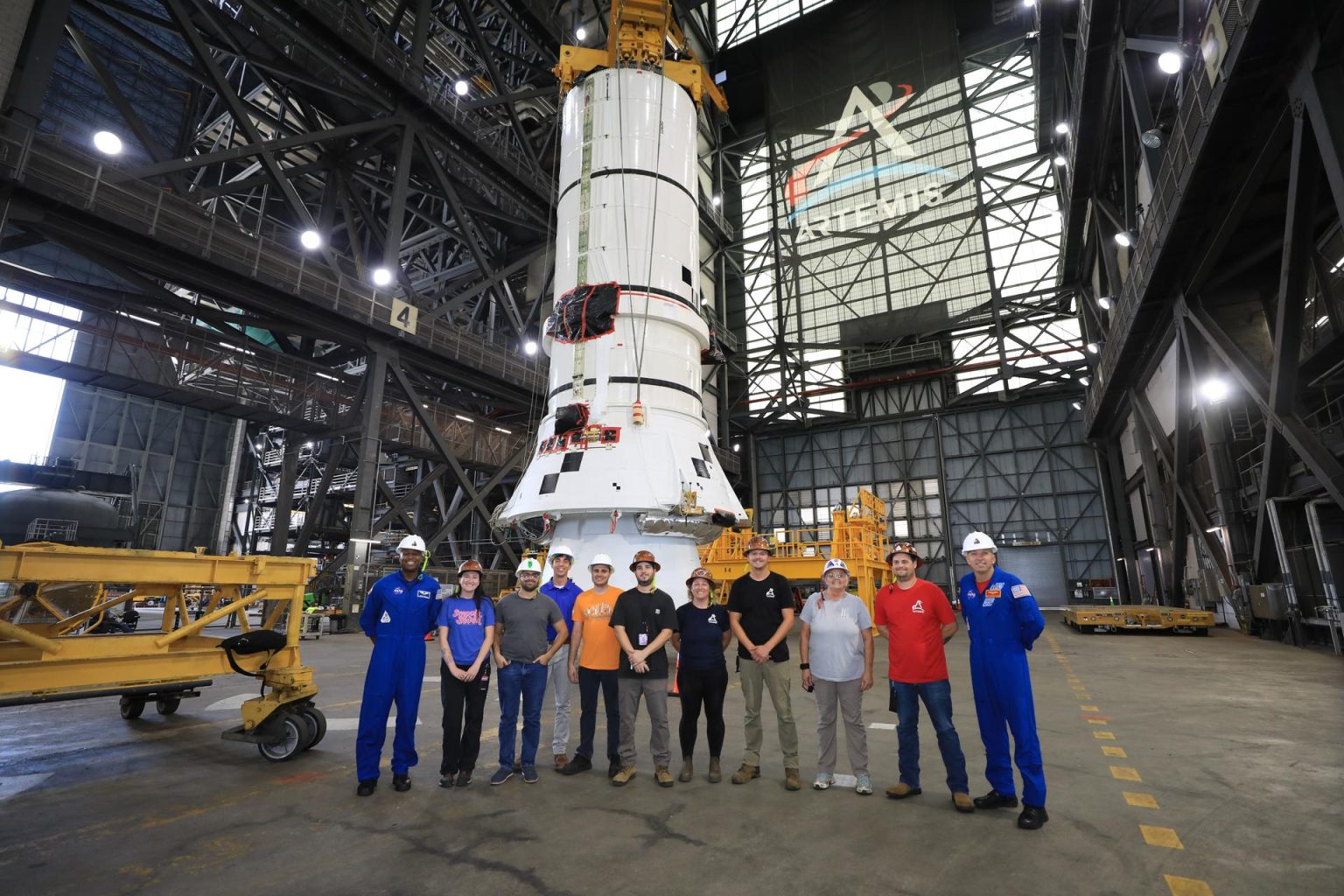
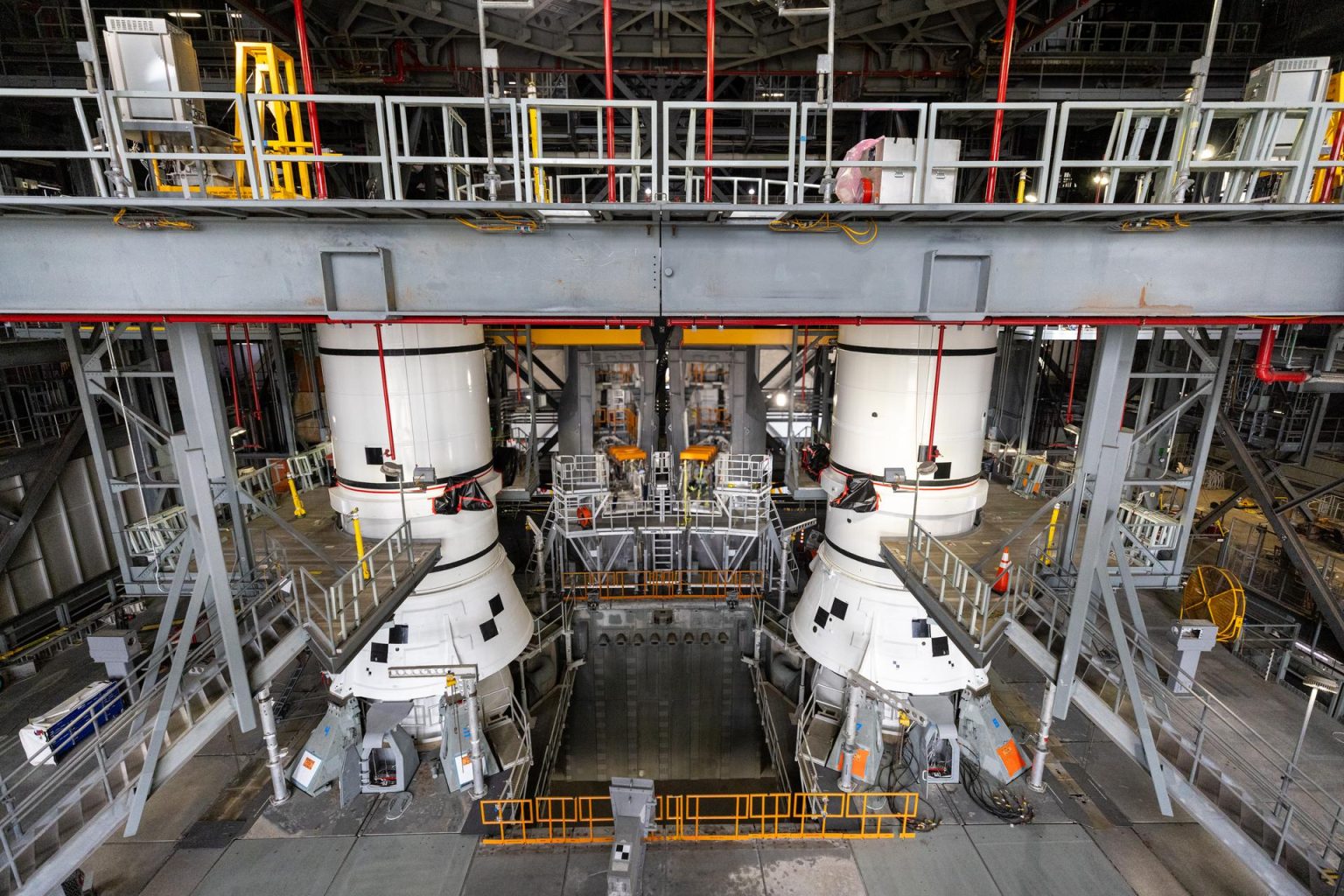
Less than three months after the return of the Artemis II crew, specialists began installing the segments of the two SLS solid rocket boosters in the Vehicle Assembly Building, NASA reports. The left aft assembly was the first to be secured on the mobile launcher, and on July 11 the right one was fixed beside it.
The remaining parts were delivered by rail in June. Before lifting, each of them will be inspected and covered with a protective coating in a specialized facility, after which they will be transported to the assembly hall. Meanwhile, the launch structure has been repaired after the previous flight.
Core stage and engines
At the same time, work on the core stage continues in the same building. In May, engineers attached the engine section to it, where the propulsion systems will be installed.
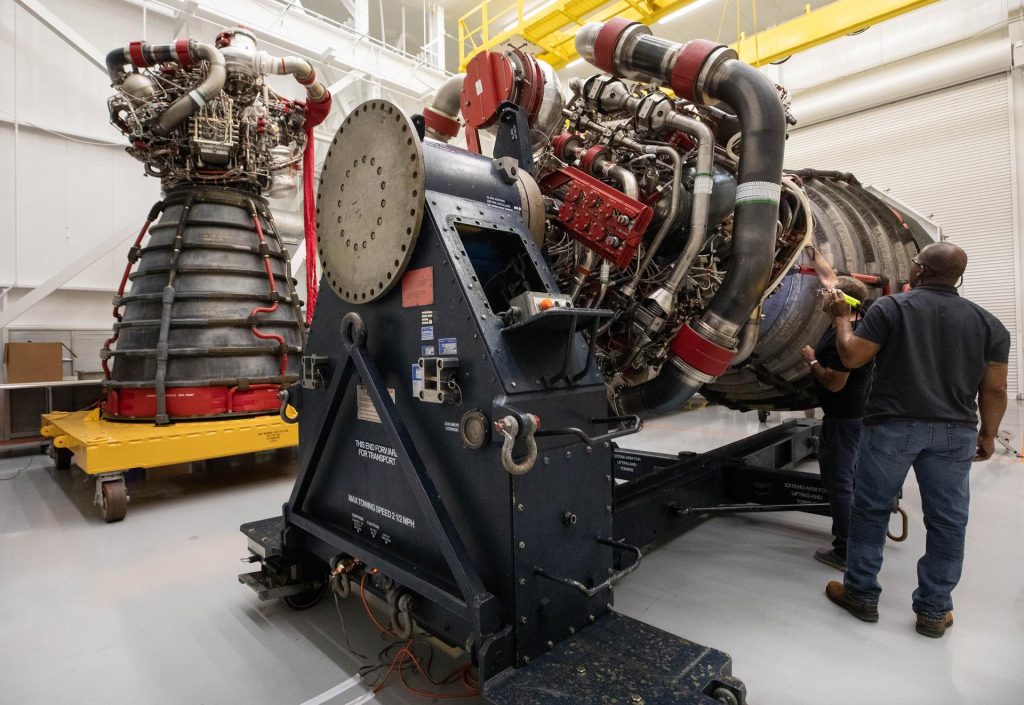
The first two of four RS-25 engines produced by L3Harris Technologies arrived in June. Their design originates from the Space Shuttle main propulsion system, which completed 135 flights starting in 1981. When the second pair arrives, the engines will be installed, and the stage will be ready to be integrated with the rest of the rocket.
Countdown rehearsals
Since May, countdown training sessions have been held monthly at the Rocco A. Petrone Launch Control Center. Personnel are practicing rocket fueling and the terminal phase, meaning the final ten minutes before launch.
On June 10, the team conducted a cryogenic propellant loading simulation in Firing Rooms 1 and 2. Controllers worked at their consoles, while large screens displayed vehicle data.
These exercises will continue until the mission itself. The procedures will be gradually refined so that, on launch day, every action is fully rehearsed.

Heat shield for Orion
Last week, technicians in the Neil Armstrong Operations and Checkout Building attached the heat shield to the crew module of the Orion spacecraft. It consists of 186 blocks of the ablative material Avcoat, each of which underwent individual inspection.
For the third mission, the component was improved to achieve material uniformity and stable permeability. The reason was the problems encountered during the first flight. During the return of the Artemis I capsule in December 2022, charred fragments unexpectedly broke away from the protective coating, which had not been predicted by engineering models.
Acoustic tests and flight plan
Earlier in the summer, Orion’s service module underwent acoustic testing in the same building. To reproduce launch vibrations, technicians surrounded it with a wall of powerful speakers and measured the structure’s response using microphones, strain gauges, and accelerometers.
Now that the shield has been installed, both parts of the spacecraft are being prepared for connection. Next year, the crew will travel to low Earth orbit to practice rendezvous and docking with test versions of commercial landing systems. These skills will be needed by the Artemis IV astronauts, who are expected to step onto the Moon in 2028.