

According to a new discovery, Mars may have been much wetter and more geologically active than previously thought. A new study suggests that water repeatedly circulated through Martian rocks in different forms, leaving behind clear traces of a complex geological history.
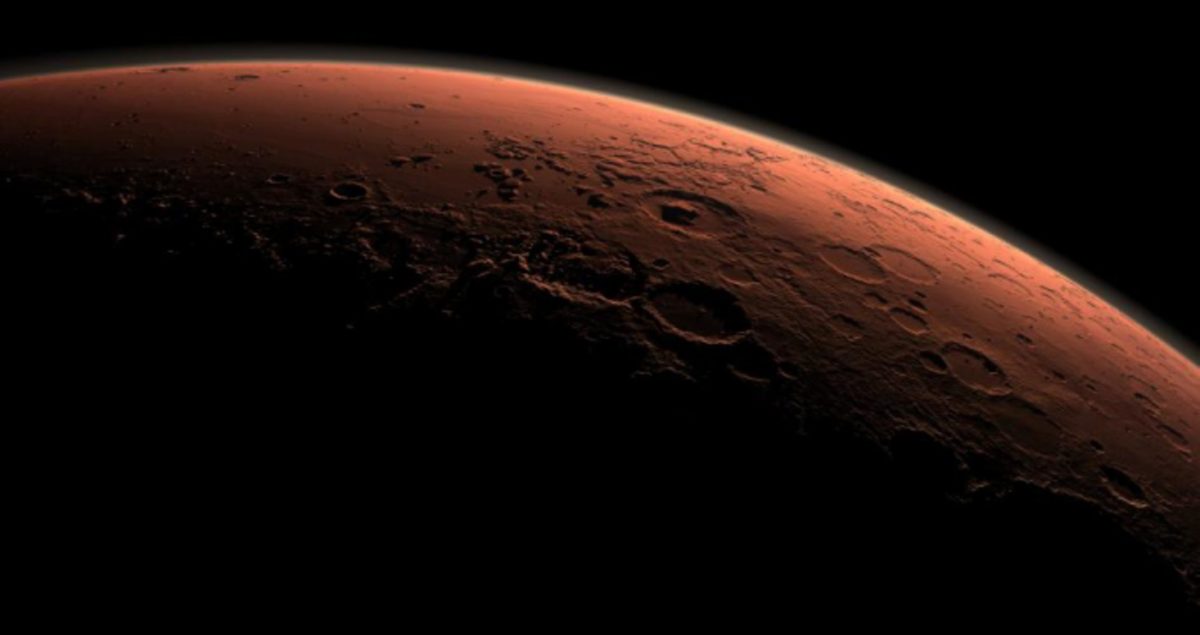
An unexpected clue was found in Jezero Crater, specifically along its inner rim, in a region known as the Margin Unit. NASA’s Perseverance rover has been studying this area since 2023. Its observations confirm at least three separate episodes of interaction between water and local rocks, including a period of active circulation of hot groundwater.
The Unexpected Geology of the Margin Unit
Scientists initially expected Perseverance to find sedimentary rocks in this area that had been deposited along the shoreline of the ancient lake that once filled Jezero Crater. Instead, the rover encountered igneous rocks that formed from molten magma deep underground or as a result of volcanic activity.

It was this unexpected structure that preserved a complex record of water-related processes. Scientists note that the Margin Unit became a kind of crossroads for different water systems. Because Jezero Crater lies within one of the largest carbonate outcrops on Mars, the data obtained are important for understanding the planet as a whole.
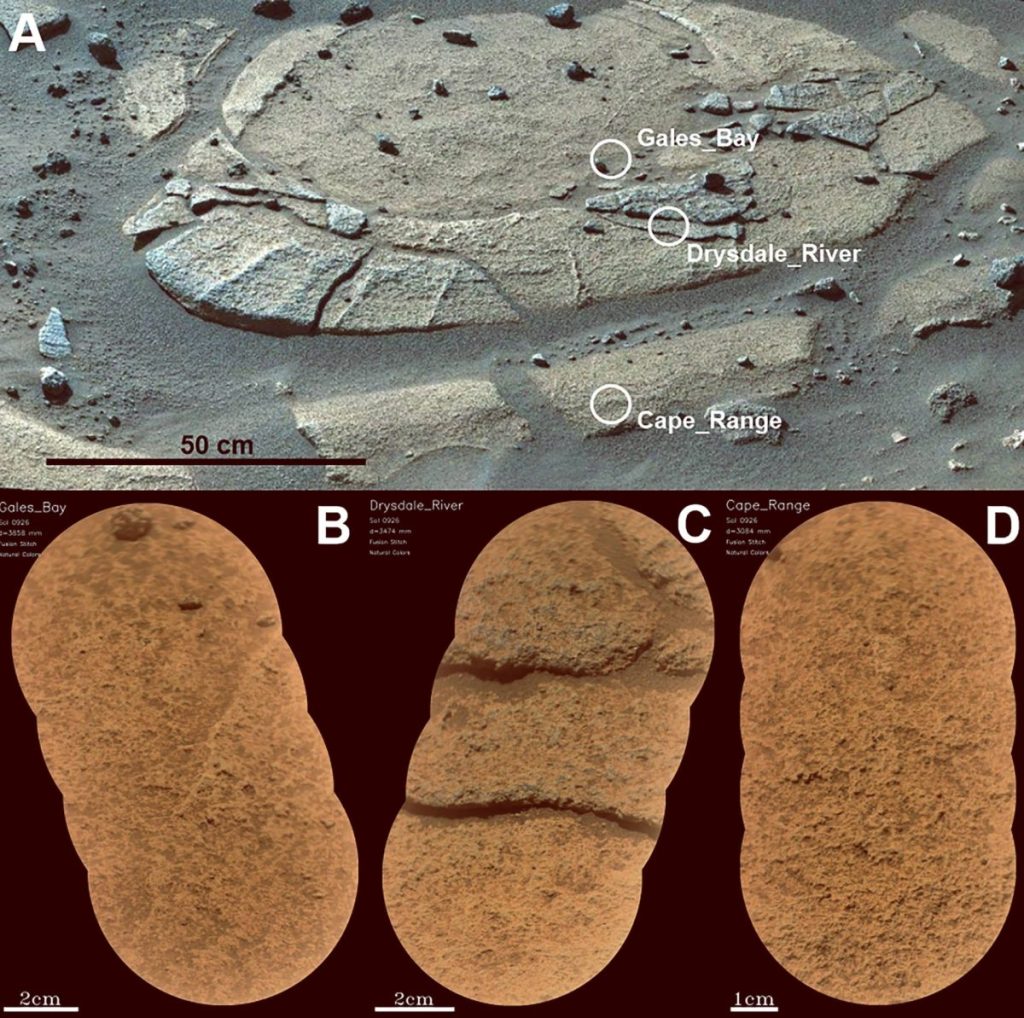
Using the SuperCam instrument, researchers analyzed more than 185 areas of bedrock and reconstructed a sequence of three water-related periods:
- First period. Groundwater saturated with carbon dioxide reacted with olivine — a mineral formed during the slow cooling of magma. This led to the formation of carbonate minerals in fractures in the rocks.
- Second period. Directly associated with Lake Jezero. Silica was found in the rocks, which forms when olivine interacts with water and is especially common in areas that were once below the water level.
- Third period. The hottest stage, during which mineral veins containing calcium sulfate and fluorite formed in the eastern part of the Margin Unit. This directly indicates that hot water circulated through the volcanic rocks.
Hydrothermal Systems and the Search for Life
On Earth, hydrothermal systems create ideal conditions for microbial life. This is why the discovered traces of hot fluids are of particular interest to scientists studying whether Mars may have been habitable in the past.
Although scientists have already reconstructed the chronological sequence of these episodes, the exact timing of each remains uncertain. However, the order of events itself shows that the Margin Unit was not simply an ancient lakeshore, but a dynamic environment where surface water, groundwater, and thermal water interacted with Martian rocks.
Scientists hope these results will help reconsider the history of water in Jezero Crater and across Mars as a whole, providing a more detailed reconstruction of the planet’s climate evolution and its potential habitability during the early stages of its existence.
Earlier, we reported on how to extract water on Mars.
Based on materials from NASA