

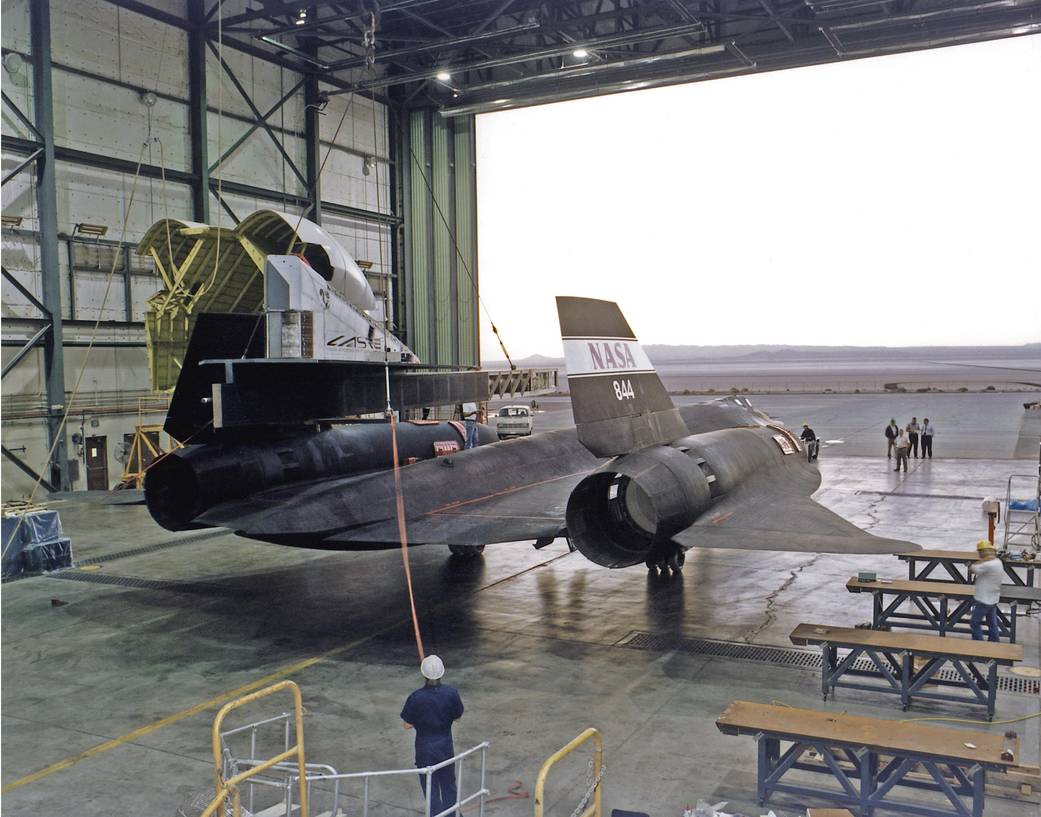
Satellite images of NASA’s Armstrong Flight Research Center in California captured a strange detail: the legendary reconnaissance aircraft SR-71 Blackbird, tail number 844, disappeared from an open display area near Edwards Air Force Base. The aircraft, which had remained stationary for decades as a museum exhibit, was moved into a hangar for inspection. This immediately sparked a wave of rumors about the possible return to flight of the fastest jet aircraft in aviation history.
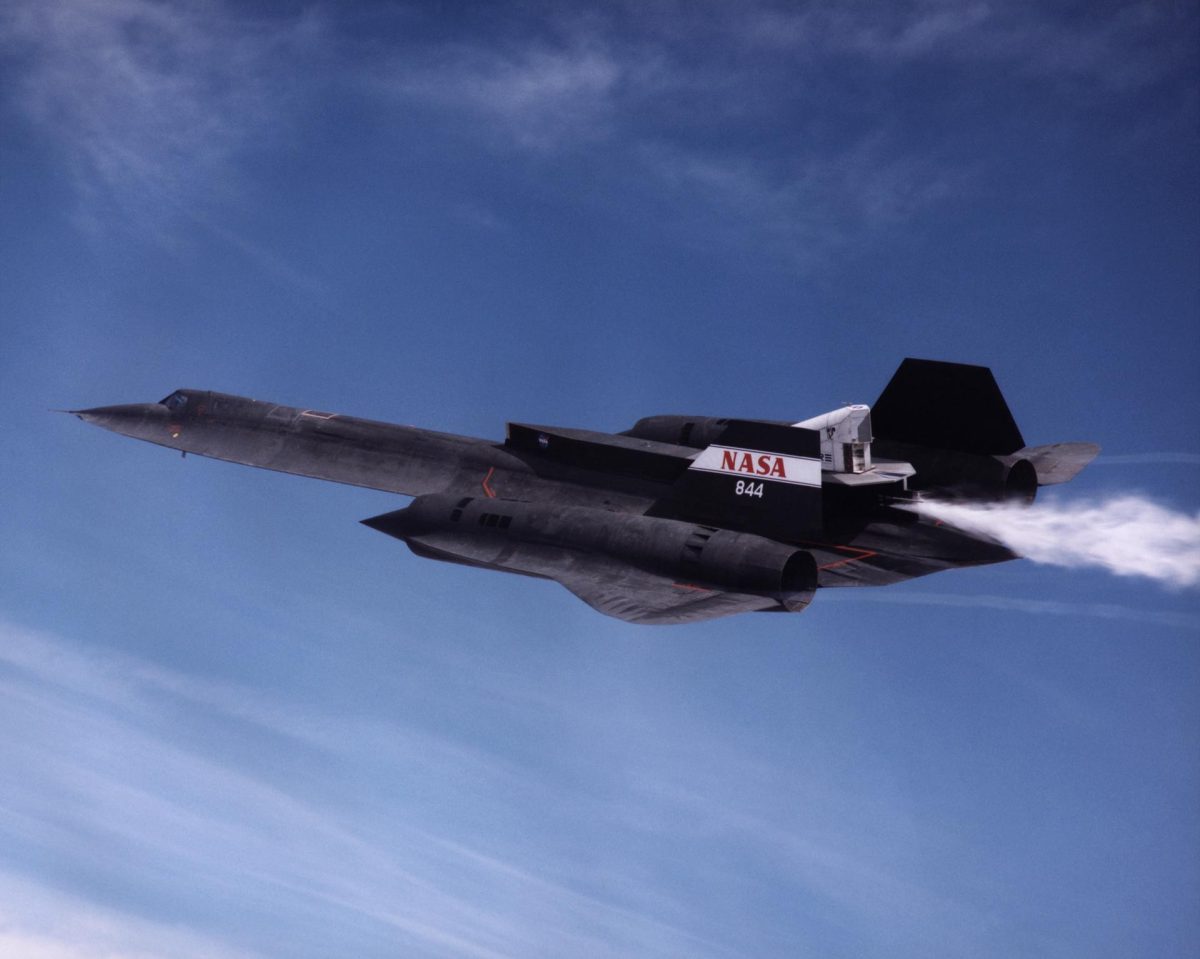
NASA Administrator Jared Isaacman added fuel to the fire. During a presentation at a summit in Los Angeles, he unveiled a concept for a new aircraft with distinctive features — tail surfaces, cockpit design, and engines resembling those of the SR-71. Isaacman said that the space agency would soon once again fly “as high and fast as we did decades ago, and even faster.”
Records That Remain Unbroken
The SR-71 Blackbird reconnaissance aircraft made its first flight in December 1964 and entered service in early 1966. During 24 years of active service with the U.S. Air Force, the aircraft earned the status of the fastest and highest-flying production aircraft in the world.
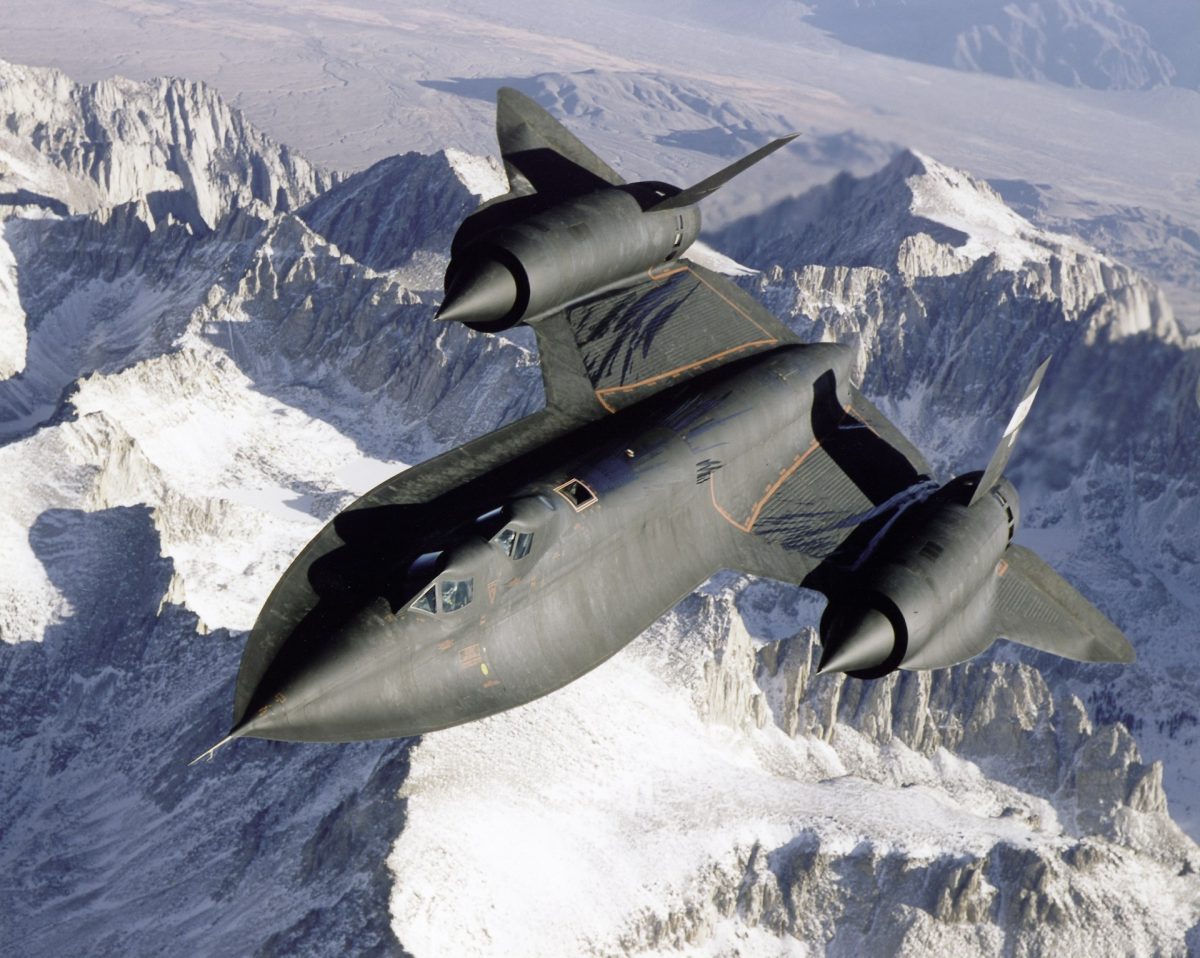
In July 1976, the SR-71 set two absolute world records in its class:
- Speed: 3,529.56 km/h (more than Mach 3);
- Flight altitude: 25,929 meters.
Tail number 844 made its last official flight on October 9, 1999, after which it became part of a museum display.
Engineers’ Doubts
According to specialized publications, NASA did contact several former engineers and test personnel who had worked with the SR-71 in order to assess the possibility of reviving the project. However, the specialists themselves are highly skeptical.
Mike Relia, a 70-year-old veteran engineer of the U.S. Air Force and NASA, admitted that he was stunned by the question of restoring flight operations: “I wished them luck, but I do not believe it is possible under the current conditions.”
According to Relia, getting an airframe back into the air after it had spent 27 years exposed to open sun, wind, and sand would be an extremely difficult task.
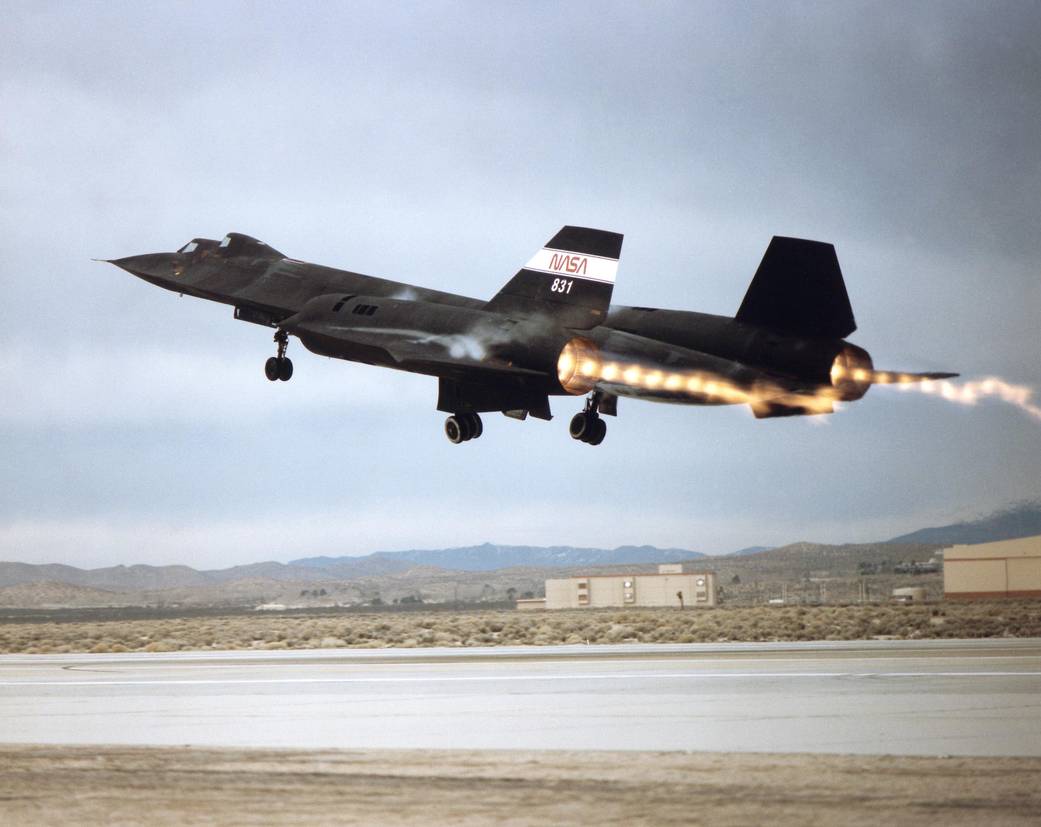
The main problem lies in the propulsion systems. Starting and maintaining them requires unique components, including the ignition chemical triethylborane, special high-temperature oils, hydraulic fluids, as well as specialized ground equipment and carts for removing the engines. Most of this equipment has been permanently lost. During the aircraft’s operational period, spare engines were also started every 180 days, while the current engines have been shut down for more than 30 years.
In addition, in 2007 the U.S. Air Force and NASA completely destroyed the remaining SR-71 spare parts, valued at about $600 million.
NASA’s Official Position
For now, the space agency is refraining from directly confirming any revival of the Blackbird. In comments to the media, NASA representatives said they appreciate the enormous public interest in the history of the SR-71, but currently have no additional information regarding the aircraft’s future.
Whether moving aircraft No. 844 is an attempt to give the legend a new life or merely a research step toward developing new hypersonic vehicles remains to be seen.
Previously, we reported on how the XB-1 aircraft broke the sound barrier live on air.
Based on materials from firstpost.com
