

False signals in space-telescope data distort measurements of distances to galaxies. An algorithm trained to filter out such defects produces inaccurate results on newer instruments. Volunteers are being asked to help fix the problem. A new citizen-science project, Artifact InSPECtor, invites anyone to examine real spectral images and mark erroneous regions.
What Volunteers Do
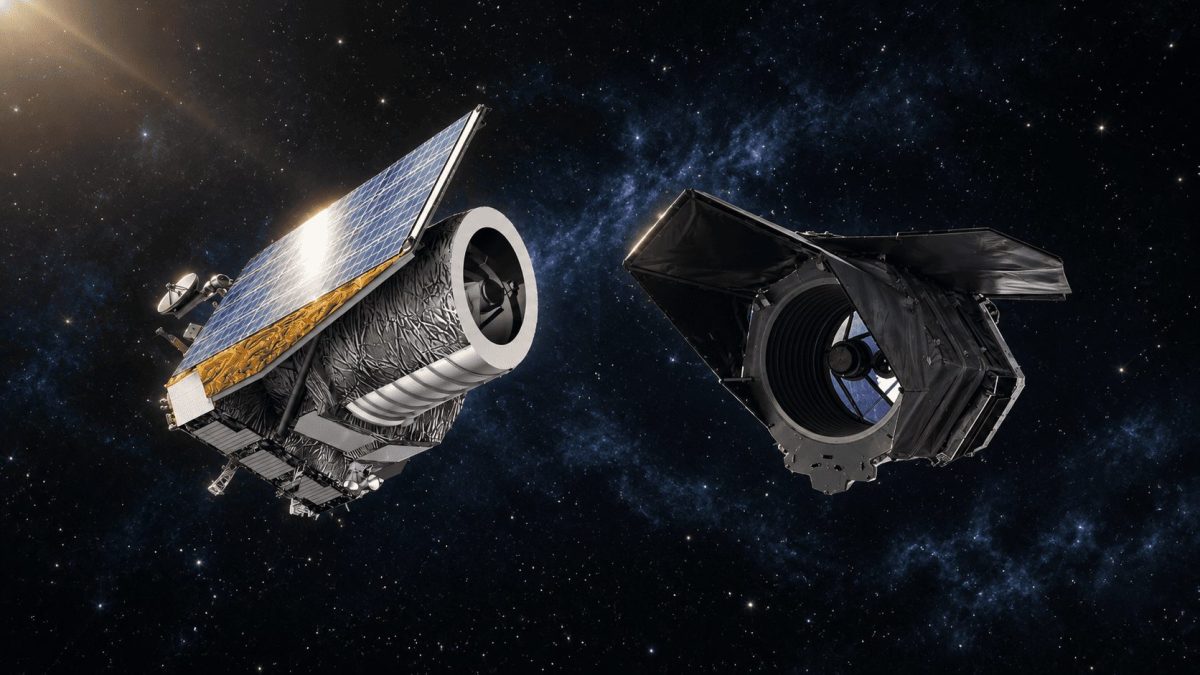
Volunteers work with real Euclid images, and beginning in early 2027, data from the Nancy Grace Roman Space Telescope will be added. Participants are first taught how to distinguish defects from real structures.
Then they review regions flagged by the software and confirm or reject each one. Their responses are used to refine the instructions for the algorithm.
Two Telescopes and Dark Energy
The Euclid observatory, built by ESA with significant participation from NASA, collects light from millions of distant galaxies. The new telescope will observe approximately the same number of objects, but at different distances and with a different distribution density across the sky.
Both datasets are intended to show exactly how the Universe is expanding. Dark energy is considered to be the cause of this process, although its nature remains unknown.
How a Spectrograph Works
To collect the required data, both observatories use a spectrograph. The instrument works like a prism, splitting the radiation from each object into a colored band, even if the object is extremely far away.
These bands are called spectra. Astronomers use them to determine a galaxy’s distance, the composition of its stellar population, and the properties of the supermassive black hole at its center.
Where Artifacts Come From
Artifacts are an obstacle to this type of analysis. These are signals that come not from real astronomical objects, but from the instruments themselves or from external factors.
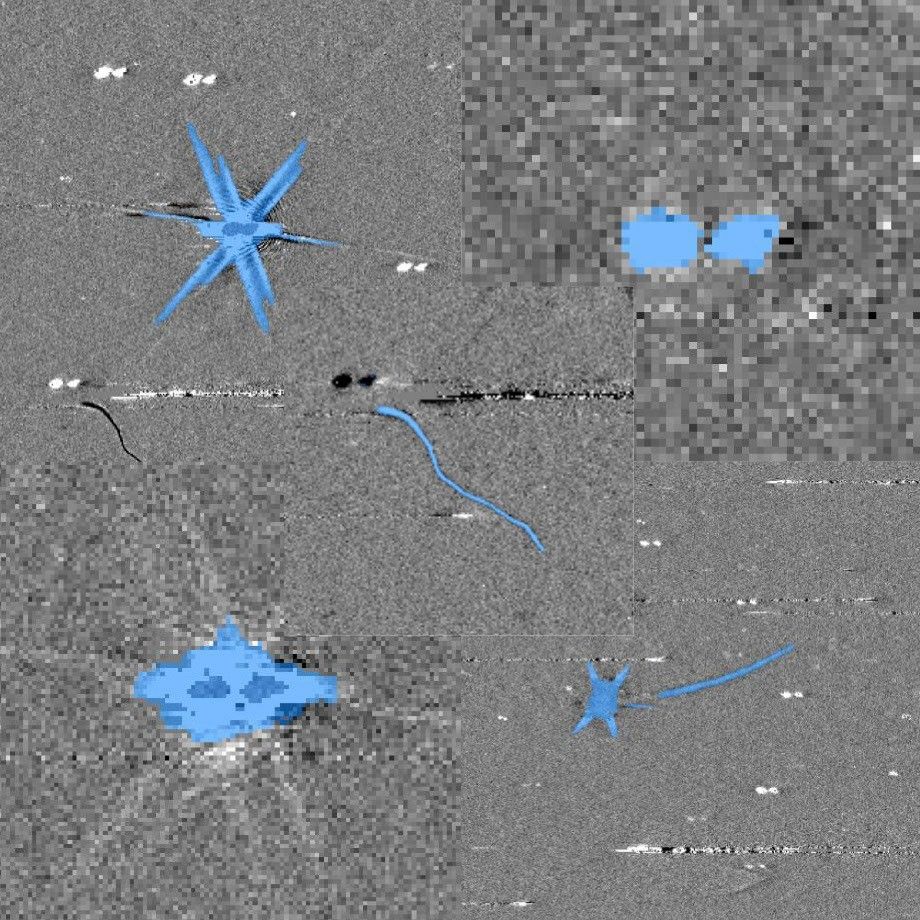
A light ray may reflect off the body of the telescope, while cosmic particles can strike the detector. Characteristics of the camera and electronics also contribute their share of distortions.
The effect is roughly similar to a smudge on a smartphone camera lens or sunlight glare obscuring part of an image. Astronomers have already trained neural networks to filter out such defects, but according to NASA, the accuracy of this filtering decreases with relatively new instruments.
The Experience of Galaxy Zoo
In 2007, the Galaxy Zoo project succeeded in classifying around one million galaxies from the Sloan Digital Sky Survey. Those human classifications later formed the basis of training datasets for the first astronomical neural networks.
A smartphone, tablet, or computer is enough to participate. Age does not matter: among the first volunteers was nine-year-old Maeve F., who liked the very idea of teaching computers new skills.