

65 years ago, humans piloted a vehicle across the lunar surface for the first time. It was conducted by the crew of Apollo 15. Following the conclusion of the U.S. lunar program, human activity on the Moon ceased both in terms of flight and surface traversal. Nevertheless, this situation may potentially be reassessed in the future.
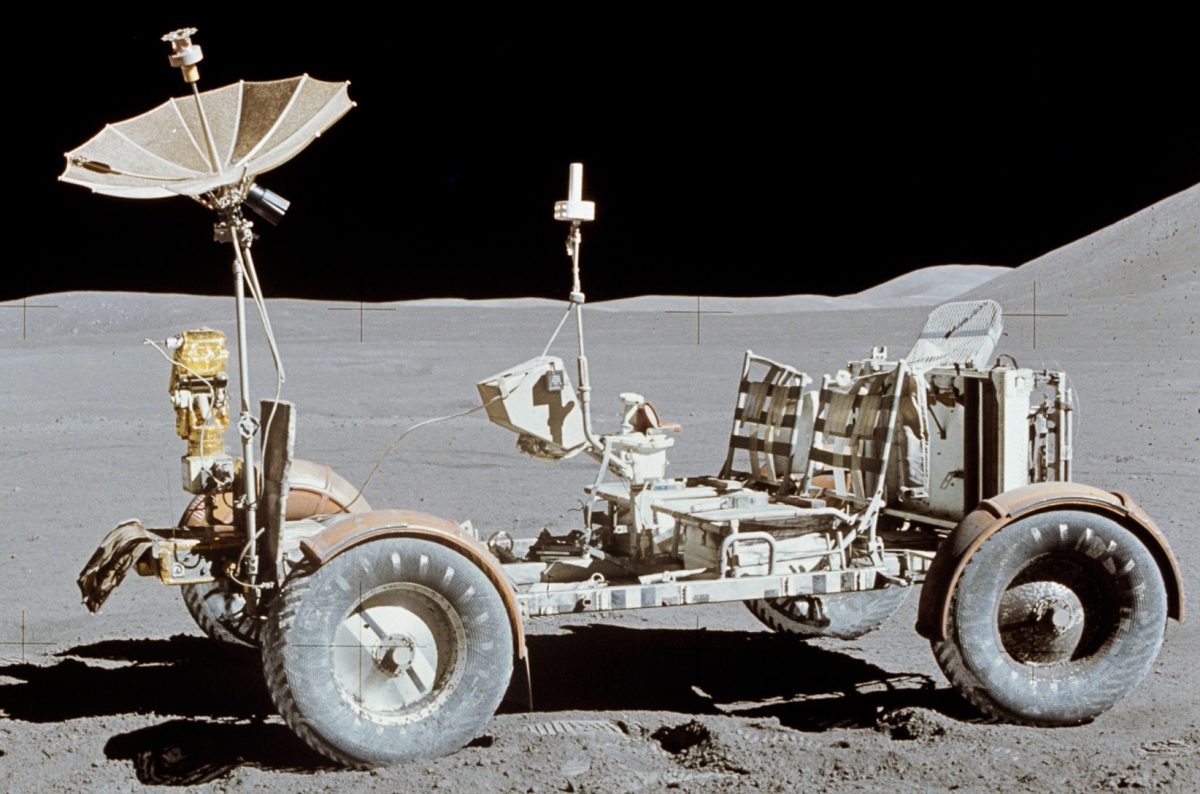
The Apollo program’s lunar roving vehicle
Throughout the history of space exploration, only six individuals have operated a vehicle on the surface of another celestial body. These individuals were part of the crews during the three-month expeditions: Apollo 15, Apollo 16, and Apollo 17. This historic event took place precisely 65 years ago, on July 31, 1971.
Generally speaking, the notion that individuals ought not only to walk on the surface of the Moon but also to traverse it via a vehicle is as logical as it is unexpected. In science fiction composed prior to humanity’s venture into space, this idea was seldom encountered. This rarity can be attributed to the fact that, initially, the automobile was a relatively recent invention, and for a significant period thereafter, the concept that the Moon is so vast that even features depicted on a map adjacent to the landing site are genuinely beyond walking distance was difficult for writers to comprehend.
However, the NASA engineers responsible for planning the missions promptly considered this issue. They recognized the necessity of fundamentally rethinking the vehicle’s core design to enable it to traverse the Moon. The primary challenge was weight; the expense associated with transporting a kilogram of cargo from Earth to the Moon renders every material highly valuable. Consequently, the design had to be as lightweight as possible, leading to the abandonment of conventional body structures.
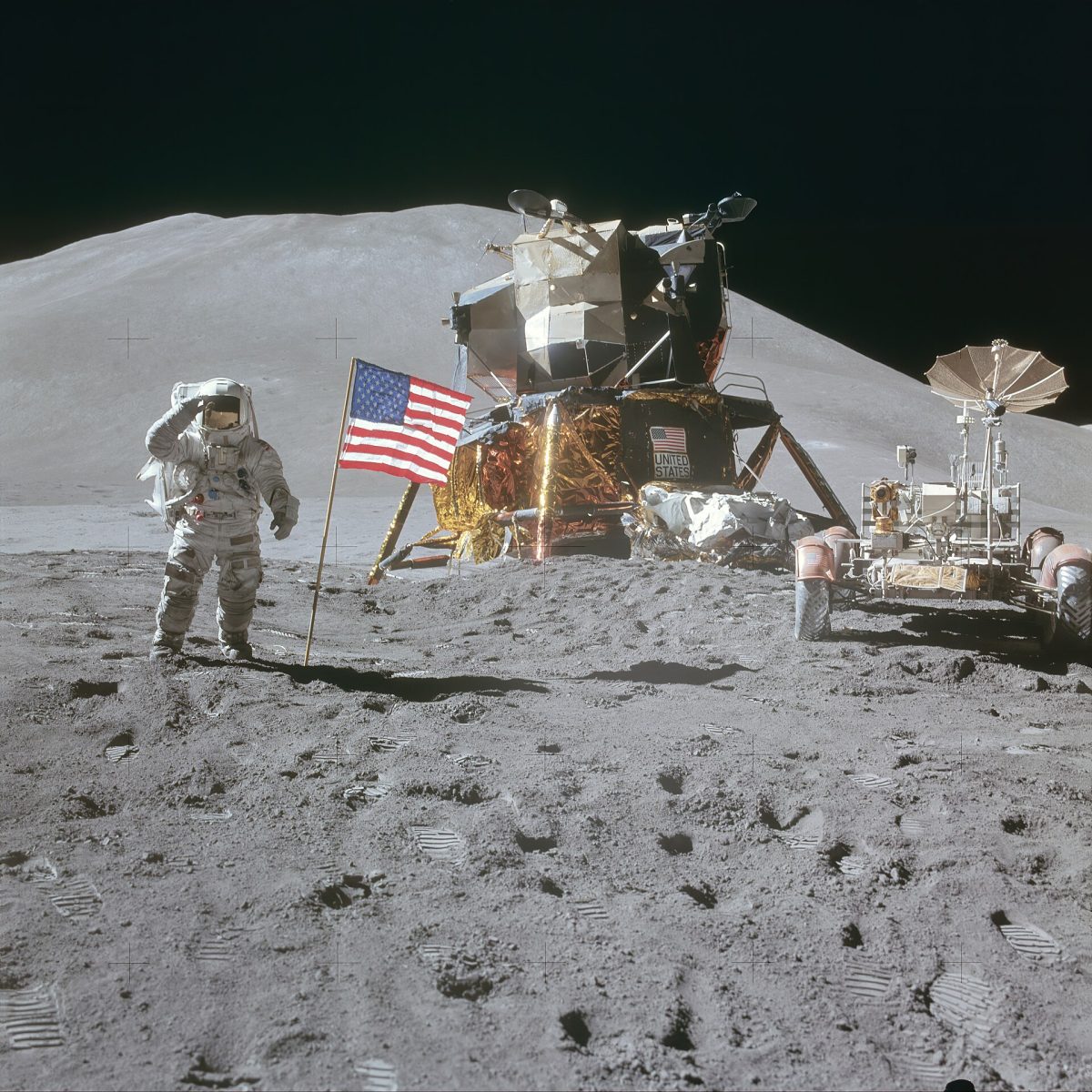
The vehicle, identified as the Lunar Roving Vehicle (LRV), comprised an aluminum alloy frame mounted on four wheels. It measured 3 meters in length, with a wheelbase of 2.3 meters and an overall height of 1.1 meters. Essentially, it functioned as a self-propelled apparatus equipped with two seats for astronauts, a luggage compartment, control systems, a communications module, and additional equipment.
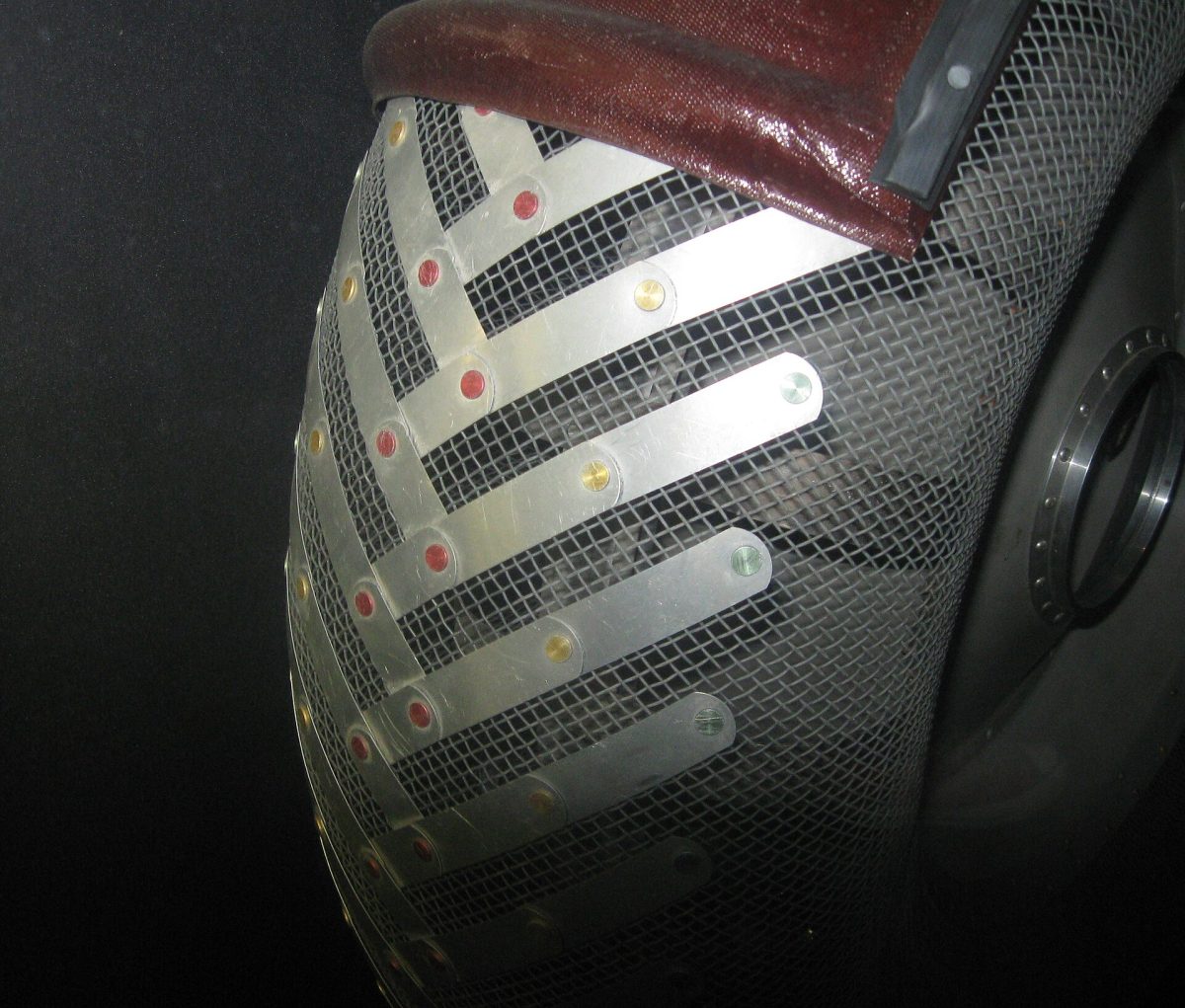
Each wheel, measuring 81 cm in diameter and 23 cm in width, was operated by an electric motor with a power output of only 190 watts through a reduction gear. The system was powered by two zinc-silver batteries.
In total, the vehicle weighed merely 210. It was capable of carrying 230 kg on Earth or 490 kg under lunar conditions. Consequently, the Lunar Roving Vehicle seamlessly integrated into the cargo bay of the Apollo spacecraft. Post-landing, the astronauts manually unloaded it, and there was no intention of returning the vehicle to Earth, as its space was allocated to the collected samples.
Journeys across the Moon
David Scott and James Irwin directed the inaugural journey of the Lunar Roving Vehicle (LRV) across the Moon. However, the initial incident involving the vehicle transpired during the unloading process, which was conducted using two cables. During this procedure, Irwin fell onto his back and could have potentially compromised his spacesuit, but ultimately, there were no adverse outcomes.
During the Apollo 15 mission, the lunar rover was mobilized for a cumulative duration of 3 hours and 2 minutes; although this represents the briefest mission in terms of elapsed time, it was not the shortest in distance traveled, which amounted to 27.76 km. The astronauts initially traversed to the proximate Elbow Crater, situated approximately 3.2 km from the landing site.
There, they collected rock samples, returned to the rover, ascended the mountainside, and repeated the procedure before returning to the lunar module. Despite the notably low power of the electric motors, the self-propelled rover successfully attained a speed of 13 km/h on level terrain.
The journey was resumed the following day; however, prior to departure, it was necessary to repeatedly toggle the rover’s power system to ensure proper functionality. The astronauts humorously suggested that engineers from Earth be summoned for assistance, yet ultimately, they succeeded in rectifying the problem independently.
Throughout the remainder of the mission, the lunar rover demonstrated a commendable degree of reliability as a mode of transportation, despite instances where the astronauts occasionally operated it on steeply inclined and unstable terrains, posing a risk of overturning.
During the Apollo 16 mission, John Young and Charles Duke operated the lunar rover. The cumulative duration of all their excursions exceeded that of their predecessors by 24 minutes; however, they covered a distance of only 26.55 km.
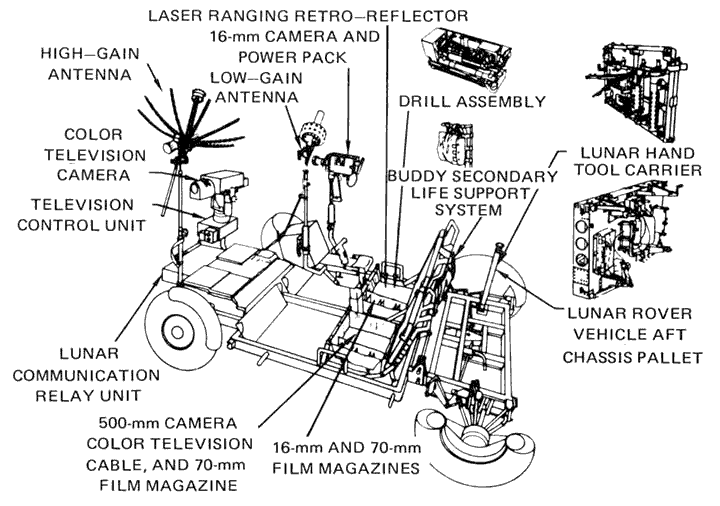
The bicycle journey commenced with an unforeseen issue. The bicycle was equipped with a redundant steering system: the steering mechanisms for the front and rear axles functioned independently. Upon unloading, it was immediately observed that the rear drive was non-operational. Young elected to proceed with the bicycle despite this defect; however, should the front drive also fail, he intended to maintain a straight trajectory for as long as feasible, then halt, manually realign the wheels, and resume his journey.
Certainly, he never genuinely required that particular technique. Nevertheless, another issue emerged: the rover was equipped with a protective shield on each wheel, and Young succeeded in damaging one of these shields. The astronauts opted not to undertake repairs, a decision they subsequently lamented bitterly, as lunar dust from beneath that wheel covered them. Furthermore, during the second expedition, the rover’s navigation system malfunctioned; however, they were able to rectify the problem.
This marked the third occasion on which the Lunar Roving Vehicle (LRV) traveled to the Moon as part of the Apollo 17 mission. The expedition was commanded by Eugene Cernan and Harrison Schmitt. Notably, this mission featured the rover’s longest journeys: a distance of 35.89 km covered in 4 hours and 26 minutes. Aside from this achievement, all other operations proceeded in accordance with the procedures established during previous missions.
Space Exploration Vehicle
Every time the astronauts traveled in the Lunar Roving Vehicle (LRV), it left distinctive tracks in the lunar regolith. Given that our moon lacks an atmosphere and hydrosphere, these tracks will endure on its surface for many thousands of years to come and will serve as enduring evidence that humans have indeed visited there.
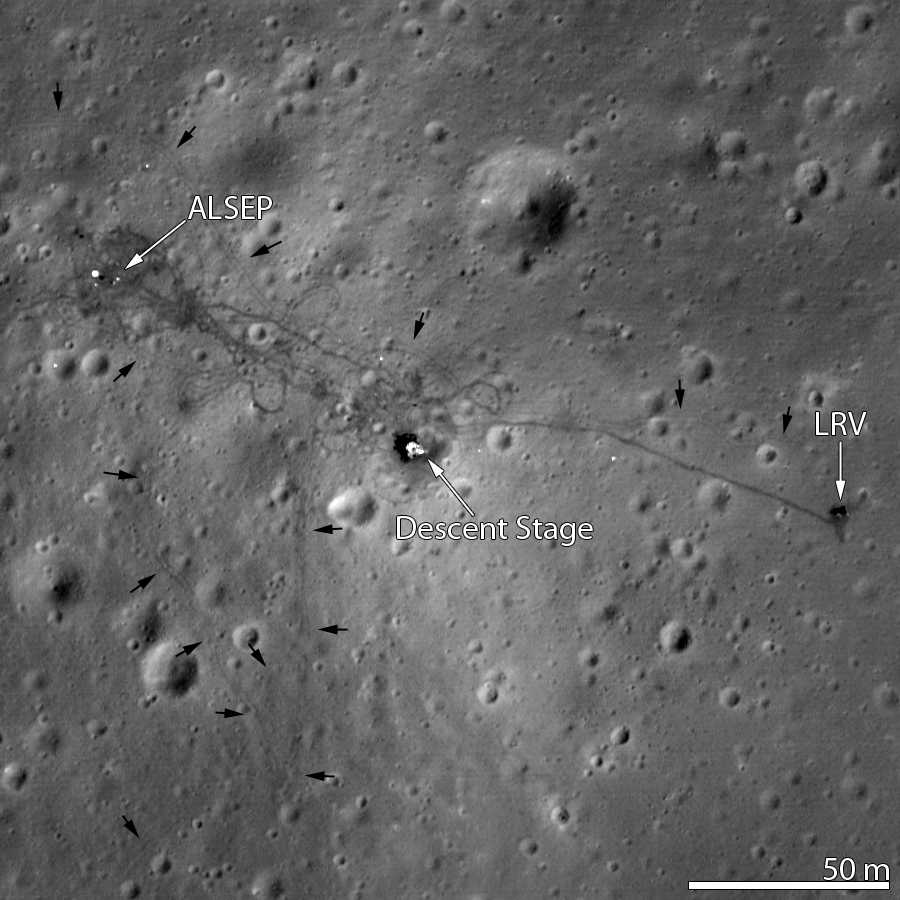
However, for nearly 65 years, vehicles have not left any new tracks on the Moon’s surface, as human visitation to the Moon has ceased. However, as part of the Artemis program, it is expected that humans will resume exploration, necessitating suitable transportation for lunar surface mobility.
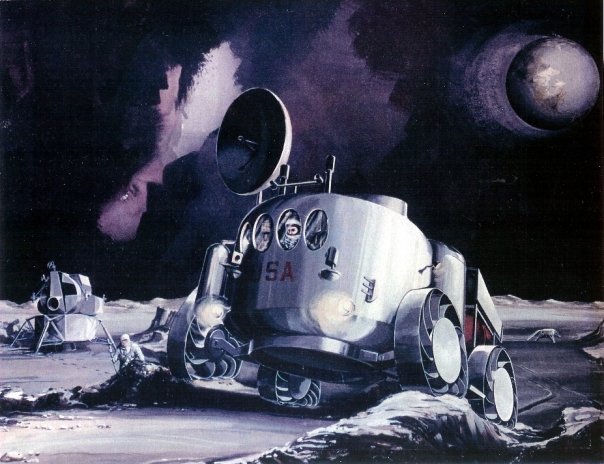
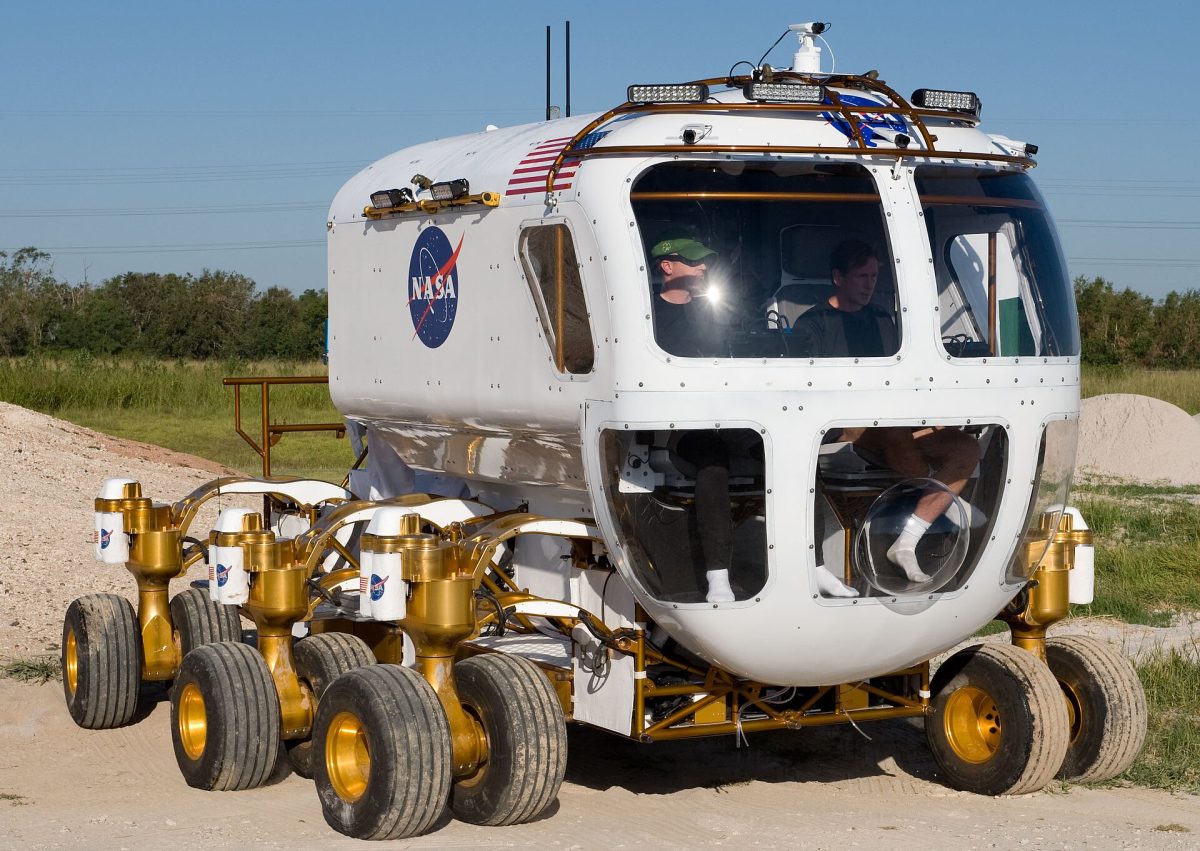
In fact, NASA initiated the development of an entirely new vehicle known as the Space Exploration Vehicle (SEV) in 2008. Unlike the Lunar Roving Vehicle (LRV), the SEV was designed to be fully pressurized, thereby allowing occupants to remain inside without the need for a spacesuit. It was anticipated that, upon nearing the lunar base, the SEV would dock with the airlock to form a unified system.
The SEV measured 4.5 meters in length, with a wheelbase of 4 meters and a height of 3 meters. It had a curb weight of up to 1,000 kilograms and was engineered to accommodate an additional payload of 3 metric tons, including astronauts. Essentially, it functioned as a mobile laboratory capable of traversing up to 125 kilometers across the lunar surface.
Current developments
SEV represented a fully viable project, having been constructed as a physical prototype. The test vehicles operated at considerable speeds across the American deserts. However, by the early 2010s, it became evident that the ambitious Constellation program, for which it was being developed, would not proceed, and a role within the new Artemis program was not immediately discernible. Consequently, funding for the project was withdrawn in 2015. While technically complete, the results remain unpublished.
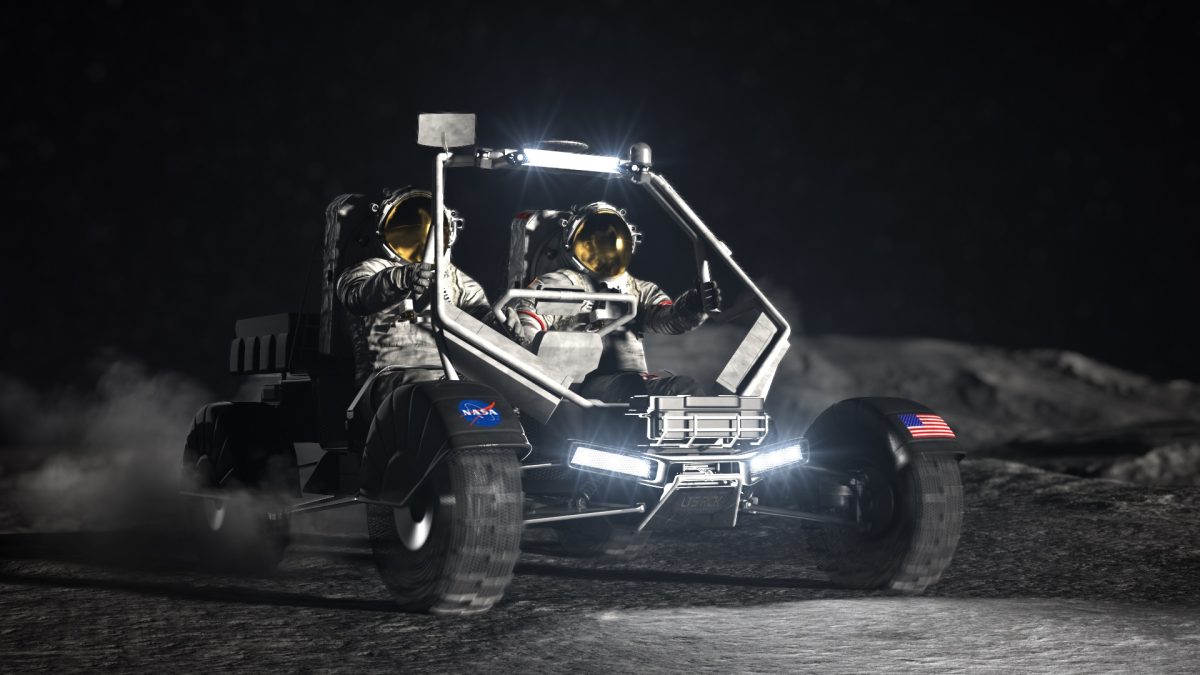
Instead, NASA has concentrated on developing a more lightweight and straightforward vehicle. This vehicle is designated as the Lunar Terrain Vehicle (LTV) and represents an evolution of the Lunar Roving Vehicle (LRV). It maintains the same open-top platform designed to accommodate two passengers along with a limited amount of cargo and equipment. The sole modification involves the addition of a safety frame on top. Nevertheless, the project encountered substantial challenges during the initial development phase. NASA initiated its search for collaborating companies as early as 2020, with reports indicating that industry leaders such as Northrop Grumman and General Motors had already prepared their own conceptual designs, in addition to numerous smaller, less established firms.
The selection of a contractor was repeatedly postponed, and it was not until May 26, 2026, that the final decision was announced, indicating that the choice would be between the Pegasus and CLV-1 projects. The developers of the former include Lunar Outpost, General Motors, Goodyear, and Leidos; while the developers of the latter comprise Astrolab, Axiom Space, Interlune, and Odyssey Space Research. No details are currently available regarding either option; therefore, a comparison cannot be conducted at this time. The first prototypes are anticipated to be constructed in 2029, implying that, even in the absence of delays, the initial lunar flight will most likely not occur until the early 2030s.
However, the current lunar vehicle designs are not limited to this. For instance, the Japanese automotive manufacturer Toyota has developed its own project, which, in terms of concept, is more akin to the Small Exploration Vehicle (SEV) rather than the Lunar Roving Vehicle (LRV). In actuality, it is a compact, pressurized all-terrain truck.
It is challenging to determine which of the lunar transport concepts will ultimately be implemented on our moon. Smaller, open platforms are easier to launch, whereas larger, pressurized ones provide significantly greater potential.
Currently, neither of the options possesses the capability to transport payloads to the lunar surface. To date, we have not succeeded in landing humans on the Moon again, which conclusively addresses the question of which option is superior. Nonetheless, it is highly probable that both options — and possibly additional vehicles — will be employed on the Moon once a sustained human presence is established.
