

Jodrell Bank, Britain’s most famous radio astronomy observatory, with a history spanning nearly eight decades, is on the verge of closure. Under a decision by the government agency UK Research and Innovation (UKRI), the facility is set to lose its entire annual funding of £2.8 million. Unless scientists and management can secure alternative investment, all observations at the site will cease on April 1, 2028.
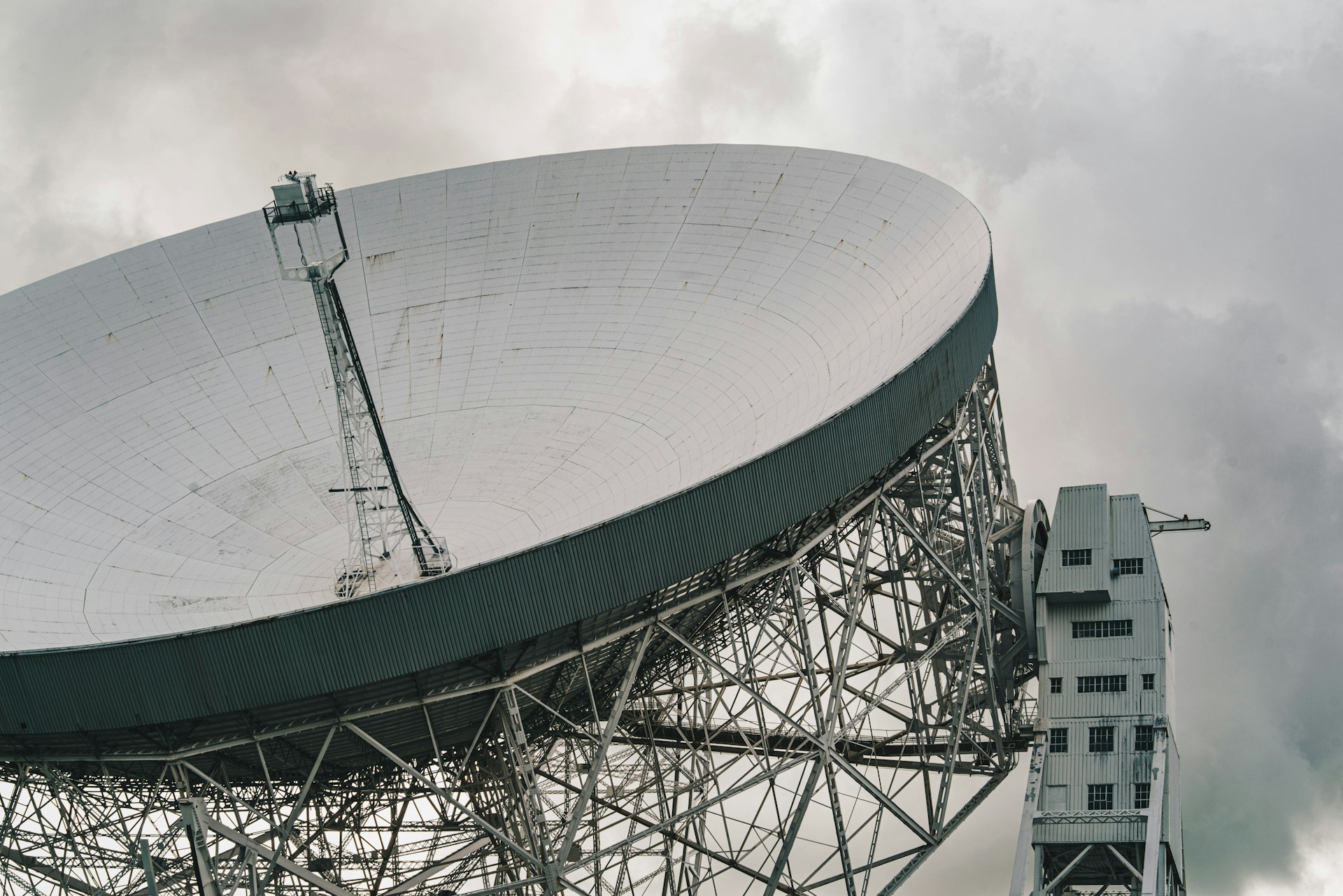
UKRI explains the cuts by the need to redistribute resources and focus on projects with the “greatest long-term impact” amid rising laboratory maintenance costs. However, the scientific community has responded to this explanation with sharp criticism.
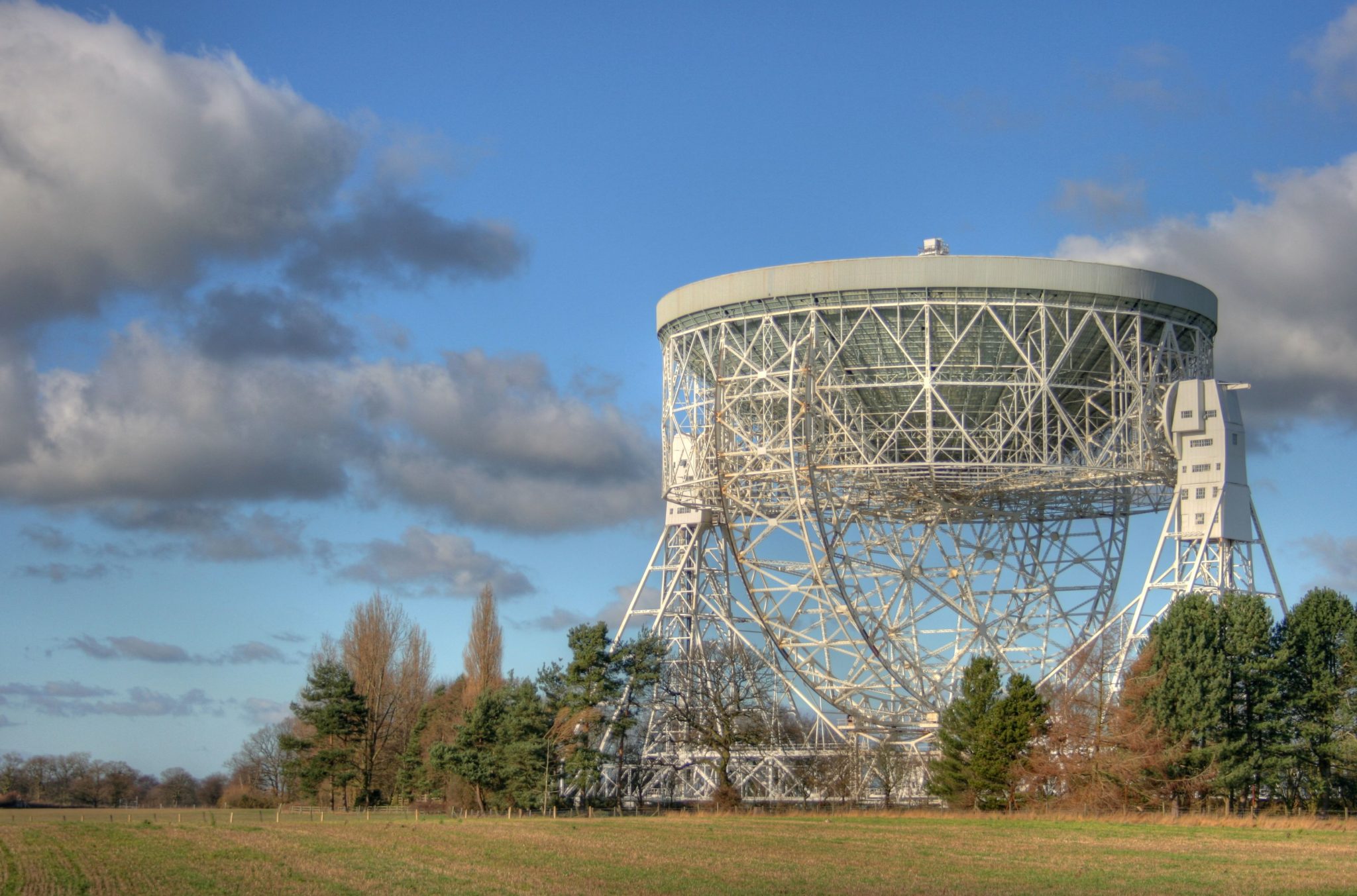
Brian Cox, a professor at the University of Manchester, called the decision rushed and poorly considered, noting that it would deal a serious blow to the country’s scientific potential. Catherine Heymans, Astronomer Royal for Scotland, described the budget cut as “a genuine act of national self-harm,” while international experts have emphasized the short-sightedness of the move. According to the observatory’s deputy director, Simon Garrington, the decision shocked the staff, who are now preparing to challenge it or seek private sources of funding.
The Legacy of Jodrell Bank
Founded in 1945, Jodrell Bank Observatory became the birthplace of global radio astronomy and was added to the UNESCO World Heritage List in 2019. During the Cold War, its giant antennas were used to track Soviet ballistic missiles, and the site was later immortalized in iconic works of science fiction.
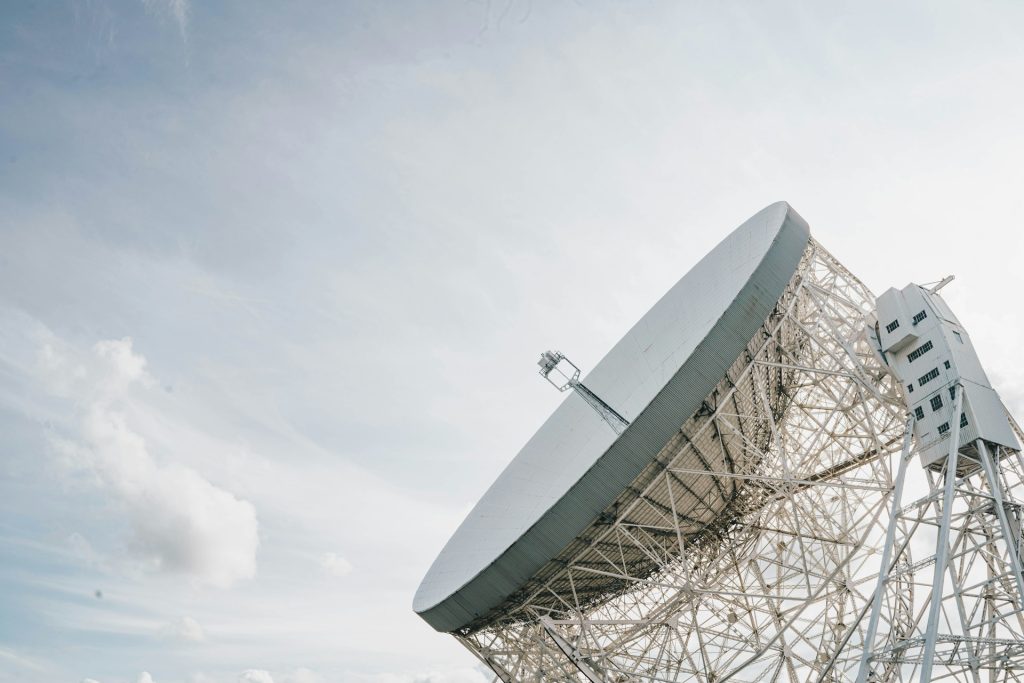
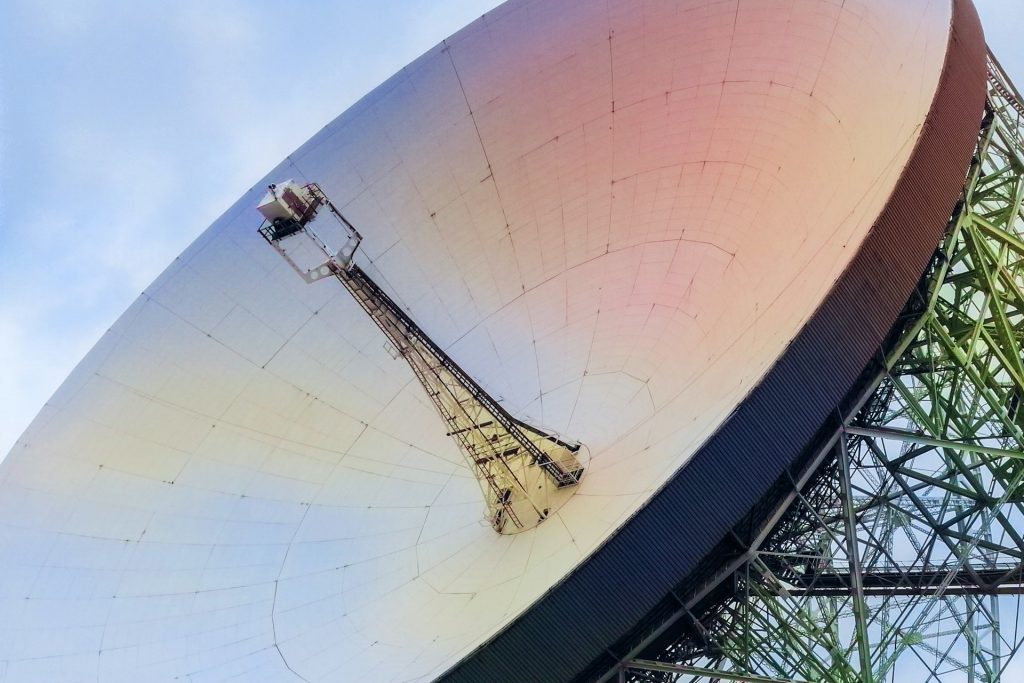
At the heart of the observatory is the famous Lovell Telescope, the third largest of its kind in the world. Thanks to upgrades and its integration with other antennas in the e-MERLIN network, the facility can produce detailed images of deep space comparable in sharpness to those of the Hubble Space Telescope. The network plays a critical role in studying galaxy evolution, star formation, supermassive black holes, and the mysteries of dark matter and dark energy.
A Large-Scale Wave of Cuts
The withdrawal of funding from Jodrell Bank is only one part of broader cuts to the United Kingdom’s budget for fundamental physics and astronomy. The country also plans to end its participation in research using the James Clerk Maxwell Telescope in Hawaii, withdraw from developing instruments for the Extremely Large Telescope in Chile, and reduce funding for upgrades to experiments at the Large Hadron Collider.
Consequences for Science and Future Generations
In addition to the loss of 28 direct jobs at the Cheshire facility, the observatory’s closure would affect nearly 3,000 scientists whose research depends on its data. However, the main risk is the loss of educational and scientific capital. For decades, Jodrell Bank has served as the primary training ground for British specialists in radio astronomy.
At a time when the world is preparing for a “golden age” in the field with the launch of the giant SKA super-radio telescope, the Square Kilometre Array, in Australia and South Africa, the United Kingdom risks being left on the sidelines of scientific progress by voluntarily abandoning its own infrastructure and human expertise.
Earlier, we reported on how budget cuts threaten NASA with catastrophe.
According to BBC
