

Space is vast and potentially formidable. Our galaxy contains millions of hazards, including wandering stars, pulsars, black holes, and supernova explosions. Many people believe that scientists have limited knowledge of these phenomena. However, this assumption is not entirely accurate. Let us examine the subject together.
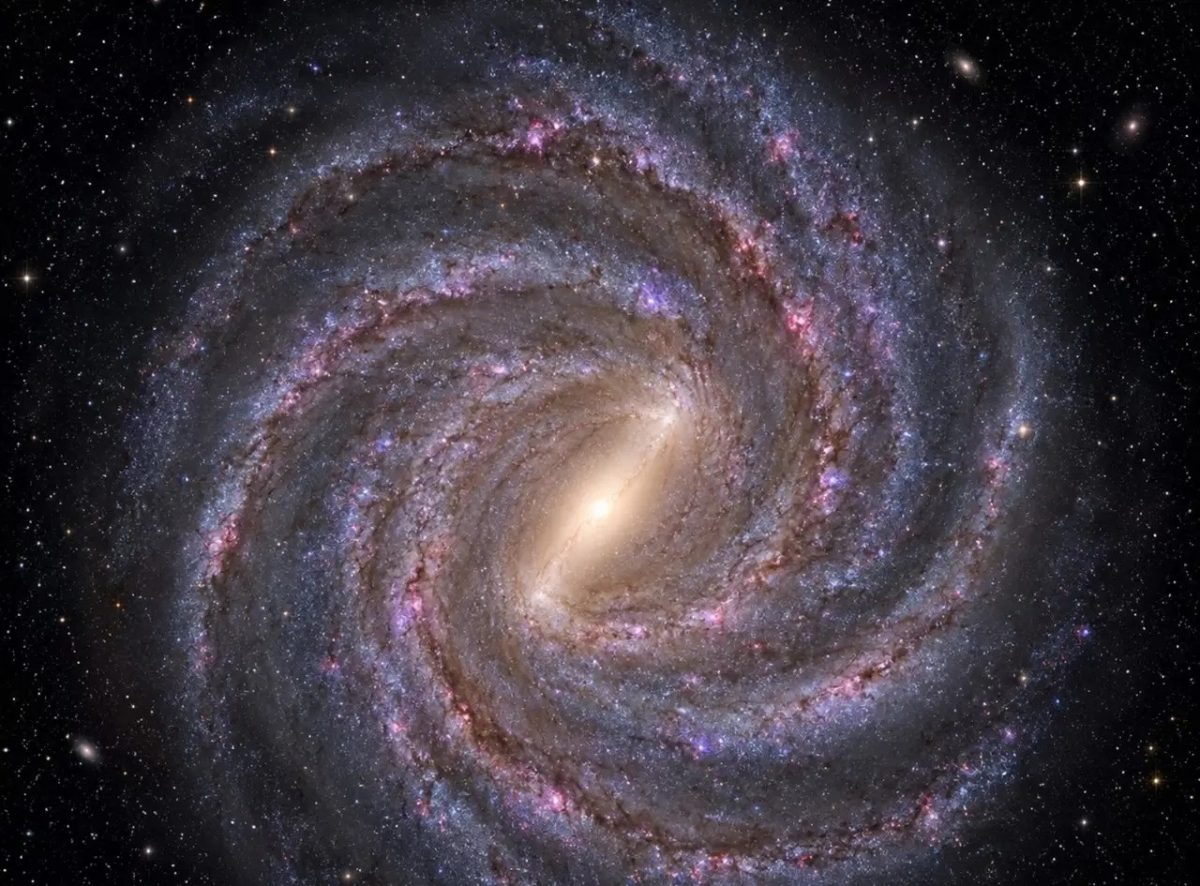
The terrifying world beyond the Solar System
People are apprehensive about phenomena that are vast and mysterious, and in this regard, nothing compares with the expanse of space. Regardless of how extensively scientists explain the events occurring around us, people will continue to fear the unknown.
Although concerns regarding the Solar System are relatively minor — after all, anyone can observe the movement of the planets, and scientists speak with considerable confidence about the possibility of predicting the motion of celestial bodies — beyond its boundaries lies something mysterious known as the Galaxy. In the imagination of many people, it resembles the edges of old geographical maps, where, alongside the outlines of distant shores, one might find inscriptions reading “dragons live here.”
Our scientific understanding of the Galaxy remains in its infancy. Although the band of the Milky Way had been visible in the night sky since before the advent of writing, and Aristarchus of Samos proposed as early as the third century B.C. that the stars were distant suns, the question of the structure of what lay beyond the orbit of Saturn — the outermost planet, as it was then believed — was regarded as absurd for two thousand years. Only the sphere of the fixed stars was thought to exist.
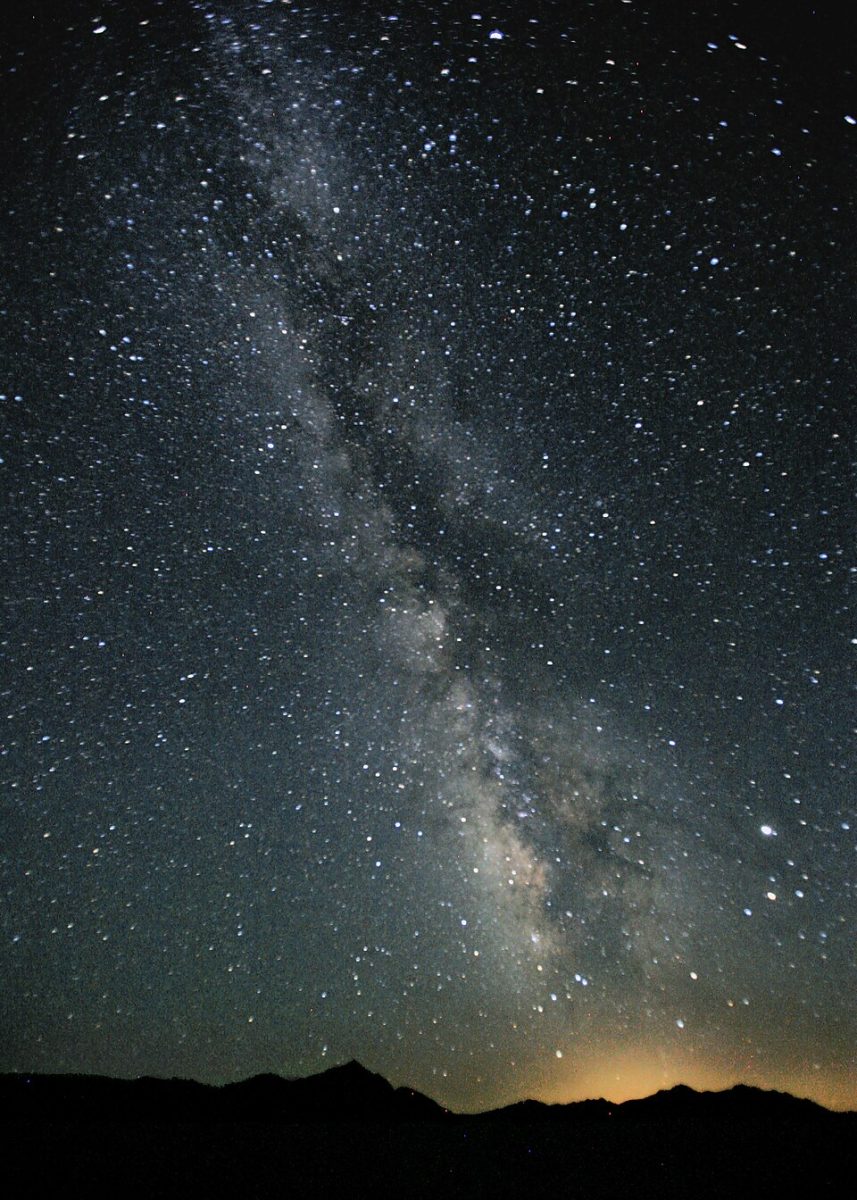
It was only after Galileo Galilei used a telescope to distinguish individual stars in the Milky Way that the idea that the Galaxy (a word that for a long time was a complete synonym for the Milky Way) — is, in fact, something of which the Solar System is a small part — began to take root in the minds of both astronomers and the general public.
The size of the Galaxy
The primary reason it took so long to recognize clearly that a vast universe exists beyond the Solar System was that, for an extended period, astronomers lacked a frame of reference for determining the distance between Earth and the stars.
As early as the third century B.C., Aristarchus of Samos recognized that if Earth follows a cyclical orbit around the Sun, this motion must be accompanied by apparent shifts in the positions of the stars, as occurs with any distant objects. This phenomenon is known as annual parallax. Based on its magnitude, it could be used not only to demonstrate the validity of the heliocentric model of our solar system but also to determine the distances to the stars.
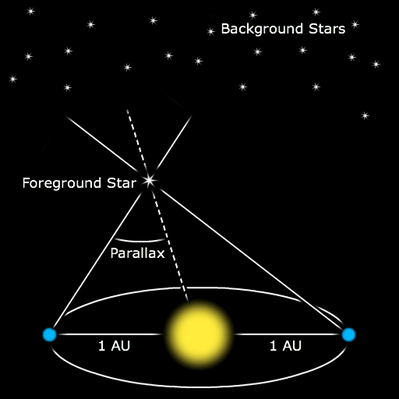
However, no parallax was detected. Astronomers understood that this was attributable to the immense distances of the stars relative to the radius of Earth’s orbit. Nevertheless, this finding cast serious doubt on all of their calculations, including the estimate of the Galaxy’s size made by William and Caroline Herschel in 1785.
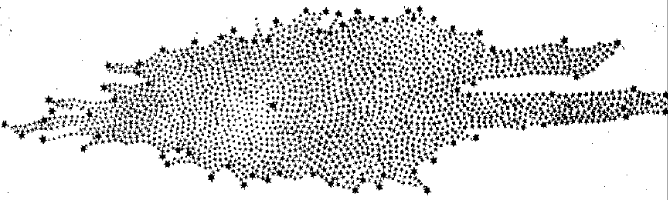
Incidentally, prominent astronomers of the time underestimated its size by a factor of 13 to 15. Although they correctly determined that its shape resembled a lens or disk, they estimated its dimensions at only 6,000 to 7,000 light-years, whereas it is, in fact, closer to 100,000 light-years across. This discrepancy resulted from their limited understanding of the matter present in interstellar space, which strongly absorbs light from the most distant stars.
However, during the 1830s, the application of photography ultimately enabled the measurement of annual parallax. Humanity thereby recognized that, although light requires only eight minutes to travel from the Sun to Earth, it would take years or even decades to reach the nearest stars.
People often perceive this as yet another alarming fact; however, it also means that nothing lies between them and us — certainly nothing dangerous. Even if something terrifying is moving from them toward us, it cannot reach us faster than the speed of light. Consequently, in one way or another, we have years, if not decades, to prepare for our encounter with it.
People may also be intimidated by the sheer number of stars visible to us; however, this abundance means that the stars have virtually nowhere to conceal themselves from observation. Despite the presence of interstellar gas and dust, space remains transparent, as there is no horizon. Consequently, we can observe every star, at least in the vicinity of the Sun, and determine the direction in which each is moving.
One might raise the following objection: if annual parallax exists, how can we be certain that the observed movements of the stars are not entirely attributable to it? The amount of displacement produced by the Earth’s motion around the Sun, however, is known. Accordingly, any movement exceeding that amount must result from the stars’ own motion.
The Milky Way Galaxy
That is precisely why scientists possess knowledge not only of the positions of an extraordinary number of stars, but also of their physical characteristics and velocity vectors. Collectively, these stars constitute the Galaxy, resembling a vortex of matter revolving around its center.
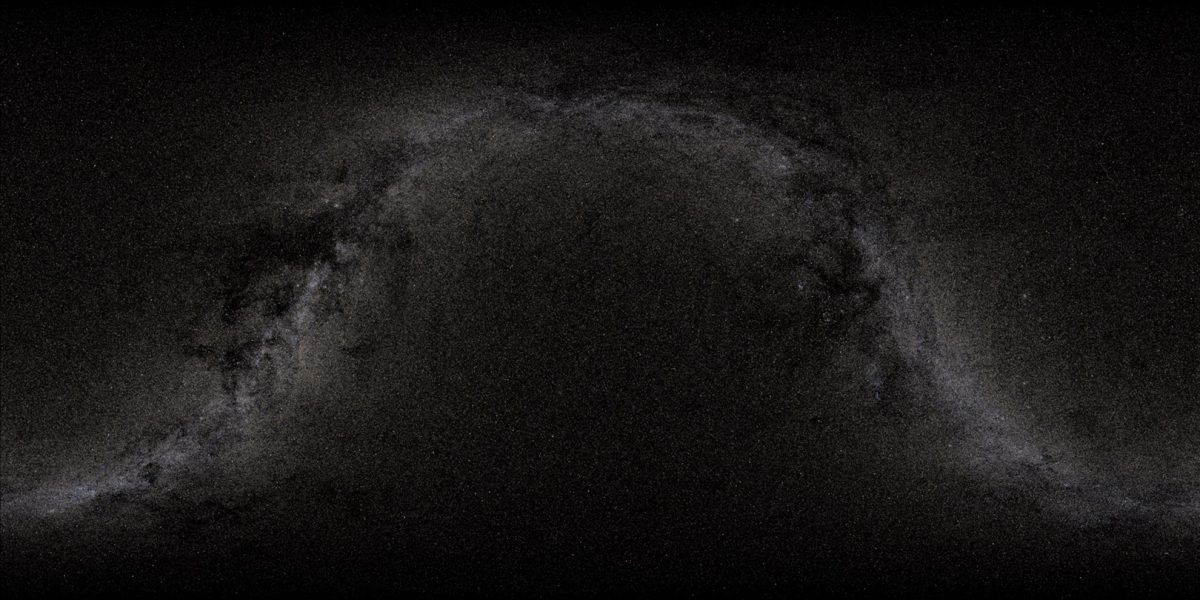
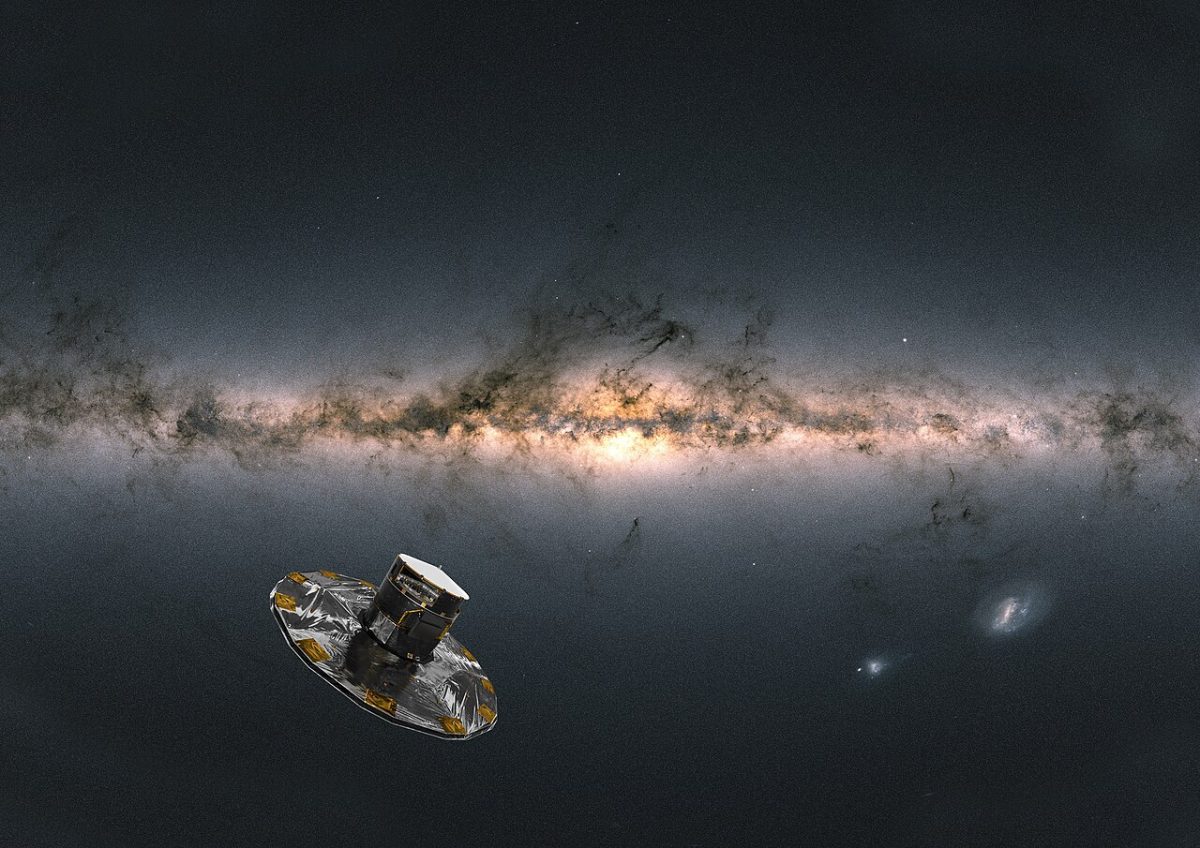
The number of stars in the Milky Way known to humanity is staggering. Even catalogues published in the late nineteenth century listed several tens of thousands of stars. The Tycho-2 Catalogue, published in the early twenty-first century, already contained 2.5 million stars. However, the third data release from the Gaia space telescope contains information on 1.8 billion stars. Although this represents less than 1% of all the stars in the Milky Way, it enables us to understand how at least the region of the galaxy containing the Solar System rotates.
The Galaxy consists not only of stars but also of nebulae. Further information about these vast clouds of interstellar gas is available in this article; in brief, several hundred such nebulae have already been identified. All of these celestial bodies orbit a supermassive black hole at the center of the Milky Way.
It is an extraordinary object with a mass equivalent to 4.3 million solar masses. However, it is located 27,000 light-years away from Earth — so distant that even the photons originating there began their journey when humanity was struggling to survive during the Ice Age.
Hidden monsters
Our understanding of the Milky Way is far removed from the notion that “we know nothing about it.” In fact, scientists possess such an extensive body of information that it surpasses the wildest imaginings of the cartographers who once created maps of unexplored lands inhabited by extraordinary monsters. No individual can fully comprehend the entirety of this data.
But this raises a question: since this represents less than 1% of the Galaxy, have scientists overlooked something important right here in our neighborhood? Perhaps these monsters are lurking right outside the Solar System’s doorstep? And the answer to that question is no. The fact is that most of the stars in the Gaia Catalogue are, in fact, the ones closest to us.
The Gaia Catalogue contains 331,312 stars located no farther from the Sun than 100 parsecs, or 330 light-years. Consequently, nearly all of these stars are observable, making it extremely difficult for any nearby object to remain undetected. Moreover, these objects move through space at speeds significantly lower than the speed of light.
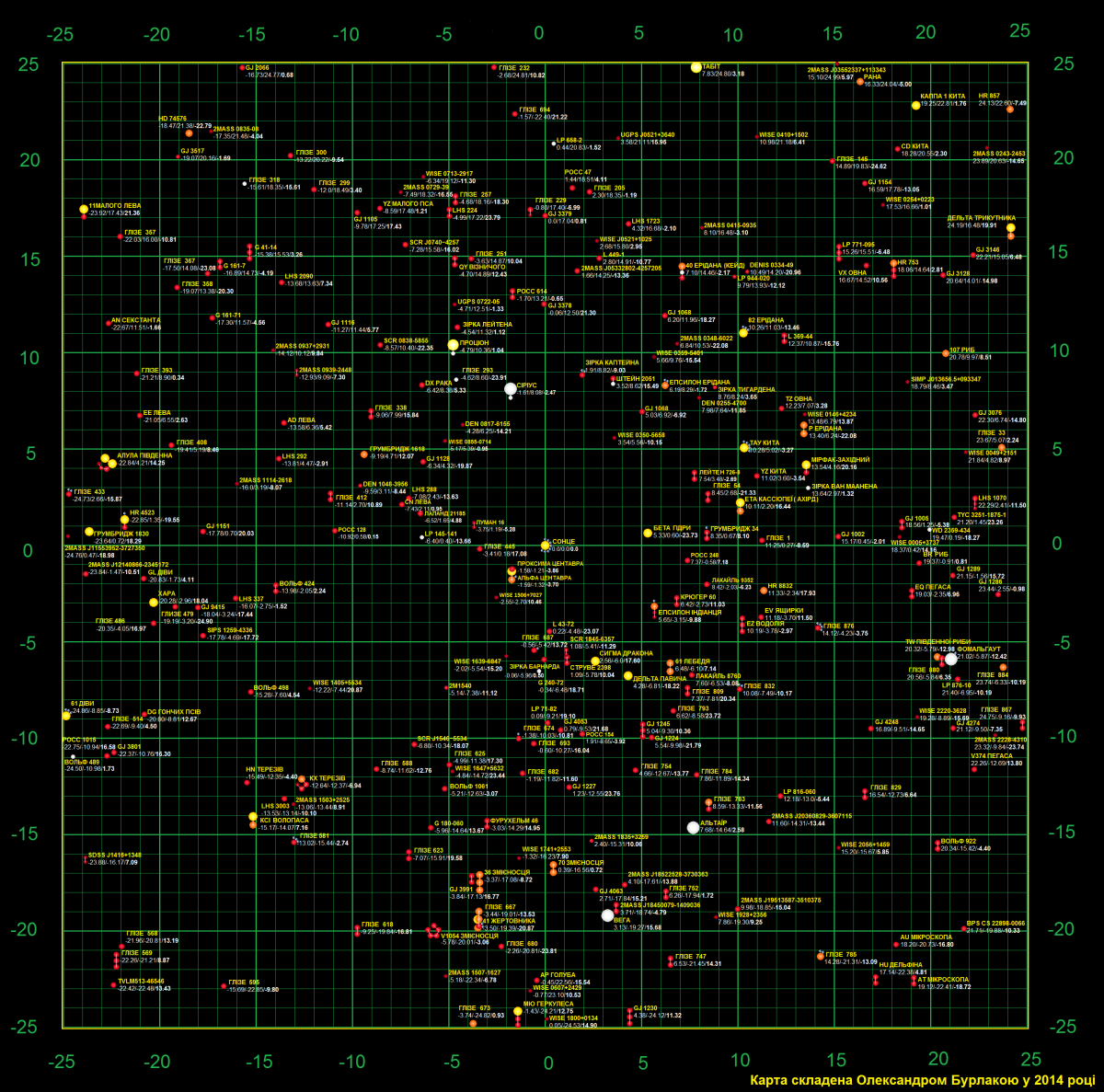
This indicates that we are not at risk of an event such as a collision between the Sun and another star or a close stellar passage. Scientists can determine this with precision because the motion vectors of nearby stars are known, and none of them would produce such consequences — particularly on timescales extending beyond humanity’s recorded history.
However, certain objects in space are considerably more formidable than ordinary stars, including pulsars and stellar-mass black holes. The nearest neutron stars — which emit intense and highly frequent bursts of radiation — are located approximately 200–700 light-years from Earth. Consequently, they pose no immediate threat to us. Moreover, they travel through space at speeds comparable to those of ordinary stars, and none is expected to approach Earth within the next several million years.
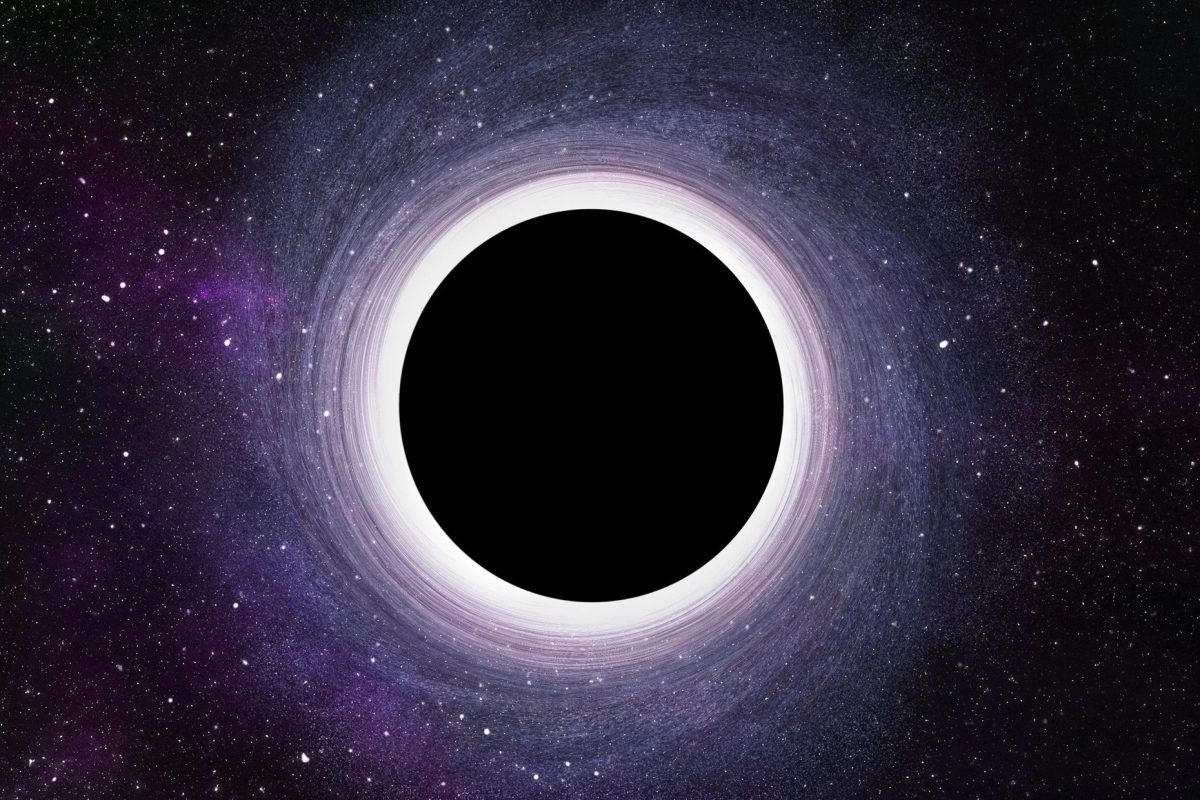
Even more distant is the nearest known black hole, which is located within a binary system. This is well established because, through accretion, such objects emit substantial amounts of radiation; consequently, we would certainly have detected anything similar if it were located closer.
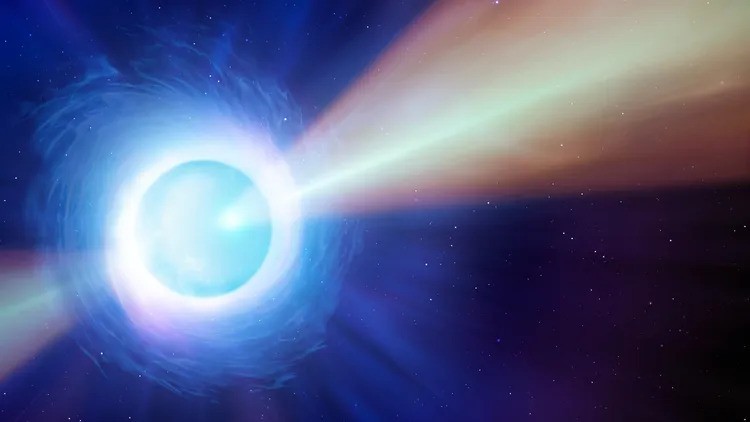
It is worth noting, however, that individual neutron stars — and particularly black holes — are virtually undetectable because they emit little or no radiation. Nevertheless, scientists are confident that no such objects exist within a radius of 20–30 light-years of Earth.
Because they interact with both interstellar matter and the radiation emitted by objects situated behind them, scientists should, in principle, be able to observe gravitational lensing and at least some thermal radiation, in addition to radio signals. All of these phenomena should also exhibit a significant annual parallax, indicating that the source is located very nearby.
This is particularly evident because astronomers have already discovered objects near the Sun that were previously undetectable. These objects are brown dwarfs — slightly larger than Jupiter but possessing masses several dozen times greater.
By galactic standards, they emit extremely little radiation, yet scientists were eventually able to detect them thanks to the WISE infrared sky survey. Interestingly, they were discovered at distances of both 10 and 20 light-years from Earth, but Proxima Centauri has not been dethroned as the star closest to us. This means there simply aren’t any closer ones.
That is precisely why scientists can state with confidence that, at least, the portion of the Galaxy nearest to us will remain safe for the next several thousand years. Accordingly, space is not as intimidating as it may initially appear.