
In the early 1970s, the leadership of the Communist Party of the Ukrainian Soviet Socialist Republic approached the republic’s KGB with an extraordinary request: to determine whether the scientist Yurii Kondratiuk was, in fact, an entirely different individual. At that time, he had been deceased for nearly three decades; however, the controversy concerning his identity was only commencing.
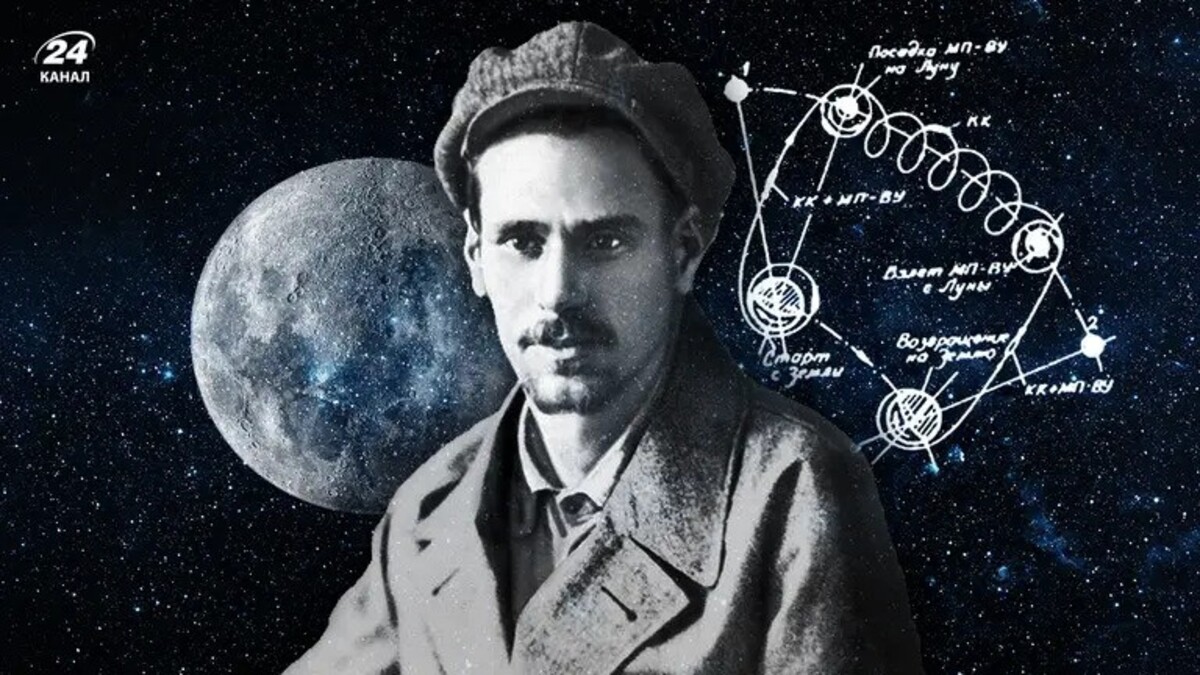
The most mysterious figure of the 20th century
There is arguably no other individual in 20th-century Ukrainian history who can be compared to Oleksandr Sharhei, also known as Yurii Kondratiuk, regarding the numerous myths that have arisen around him. Recently, this native of Poltava has been referred to as the founder of the entire global space program, a claim that, with all due respect, is not accurate.
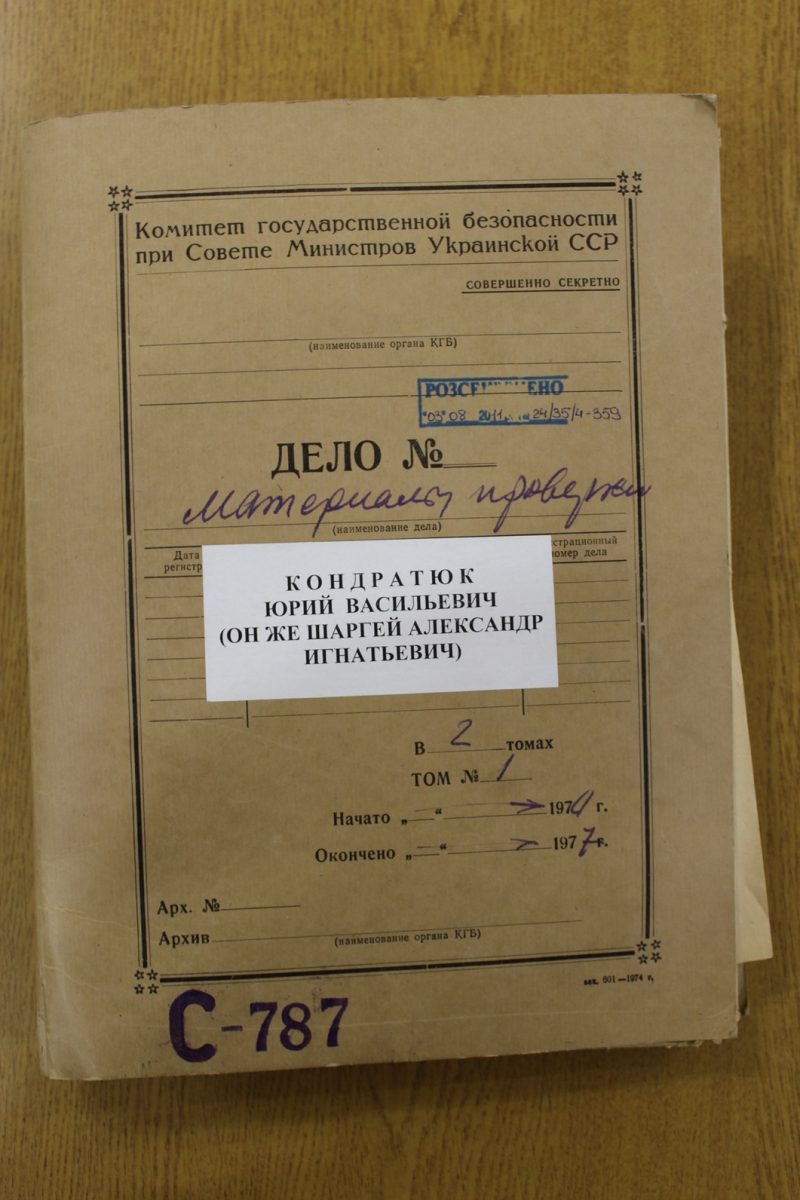
In fact, the effort to unravel the mysteries surrounding this individual has been ongoing for several decades. In the early 1970s, the KGB became involved in this investigation, and a few years ago, researcher Eduard Andriushchenko made the case files publicly accessible. We express our gratitude to him for this contribution. Analyzing these documents, in conjunction with other, less well-known facts from his biography, aids in uncovering the origins of many of the modern myths associated with him.
Kondratiuk, Houbolt, and Apollo
This narrative originated from the March 1969 edition of LIFE magazine, which was devoted to the Apollo lunar program and, specifically, the Apollo 9 mission conducted earlier that month.
Among other articles in the magazine was one authored by David Sheridan entitled “How an idea no one wanted grew up to be LEM.” The acronym LEM refers to the Lunar Excursion Module, which is essentially the lunar module. Generally, the article examined how the original concept of landing solely a small and somewhat fragile craft on the lunar surface — rather than the entire spacecraft that had traveled to the Moon — encountered strong opposition from the U.S. government.
The main subject of this article was engineer John Houbolt, who, between 1958 and 1962, demonstrated to Wernher von Braun that this particular method was the most economical. At the conclusion of his story, it states: “As he watched the launch of Apollo 9 for the first manned flight of his creation, the LM, he thought about another engineer whose dream had fallen on skeptical ears. Houbolt had read only recently the story of Yurii Kondratiuk, a self-taught Russian mechanic, who calculated some 50 years ago that LOR was the best means of achieving a lunar landing. The Soviet government ignored him, and Kondratiuk died in obscurity in 1952.”
However, the only words attributed directly to Houbolt in the article regarding Kondratiuk are: “My God, he went through the same thing I did. Thinking about that, I couldn’t help but feel emotional when I saw Apollo 9 blast off.”
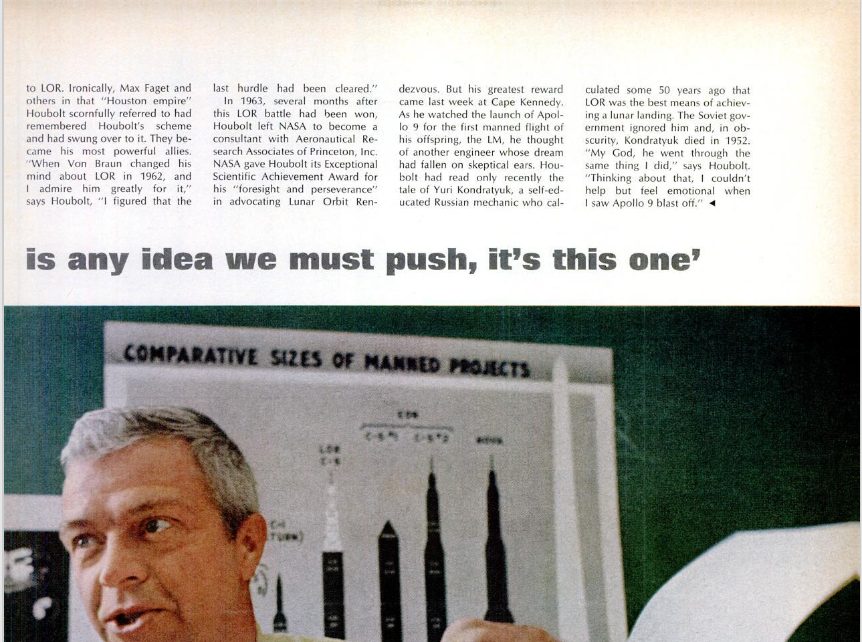
Few Americans paid attention to this passage. Kondratiuk’s last name appeared in the American press for the first time in this passage and was rarely mentioned thereafter until the 1990s. However, in the Soviet Union, it gave rise to all the myths that we still believe today.
This pertains predominantly to the year 1952. The year 1952 is referenced as Kondratiuk’s date of death solely within this article and in subsequent works citing it; all other sources explicitly indicate that Kondratiuk perished on the front lines in February 1942. However, during the 1960s, a prevalent version suggested that this event occurred in the fall of 1941.
Be that as it may, it was specifically this figure in the 1969 article — which was most likely a mere error by Houbolt, Sheridan, or the printer — that became the origin of numerous myths asserting that Kondratiuk migrated to the United States during the war, where his work was employed by NASA. This is despite the clear indication in the excerpt itself that neither Wernher von Braun nor John Houbolt could have been the source. Furthermore, concerning the latter, it is stated that he “had just read” his story and recognized the concepts he had been working on. In essence, all theories proposing that the concept of Lunar Orbit Rendezvous (the very “LOR” referenced in the excerpt) was predicated on Kondratiuk’s calculations — then under American jurisdiction — are therefore incorrect.
This raises a pertinent question: where might Houbolt have initially encountered Kondratiuk’s works? The possibilities are limited. It could have been the Russian second edition of The Conquest of Interplanetary Space from 1947 — which was reportedly available at the Library of Congress and subsequently served as the source for the first Ukrainian translation — or the translation of the 1964 English-Russian anthology Pioneers of Rocket Technology, edited by Tymur Melkumov.
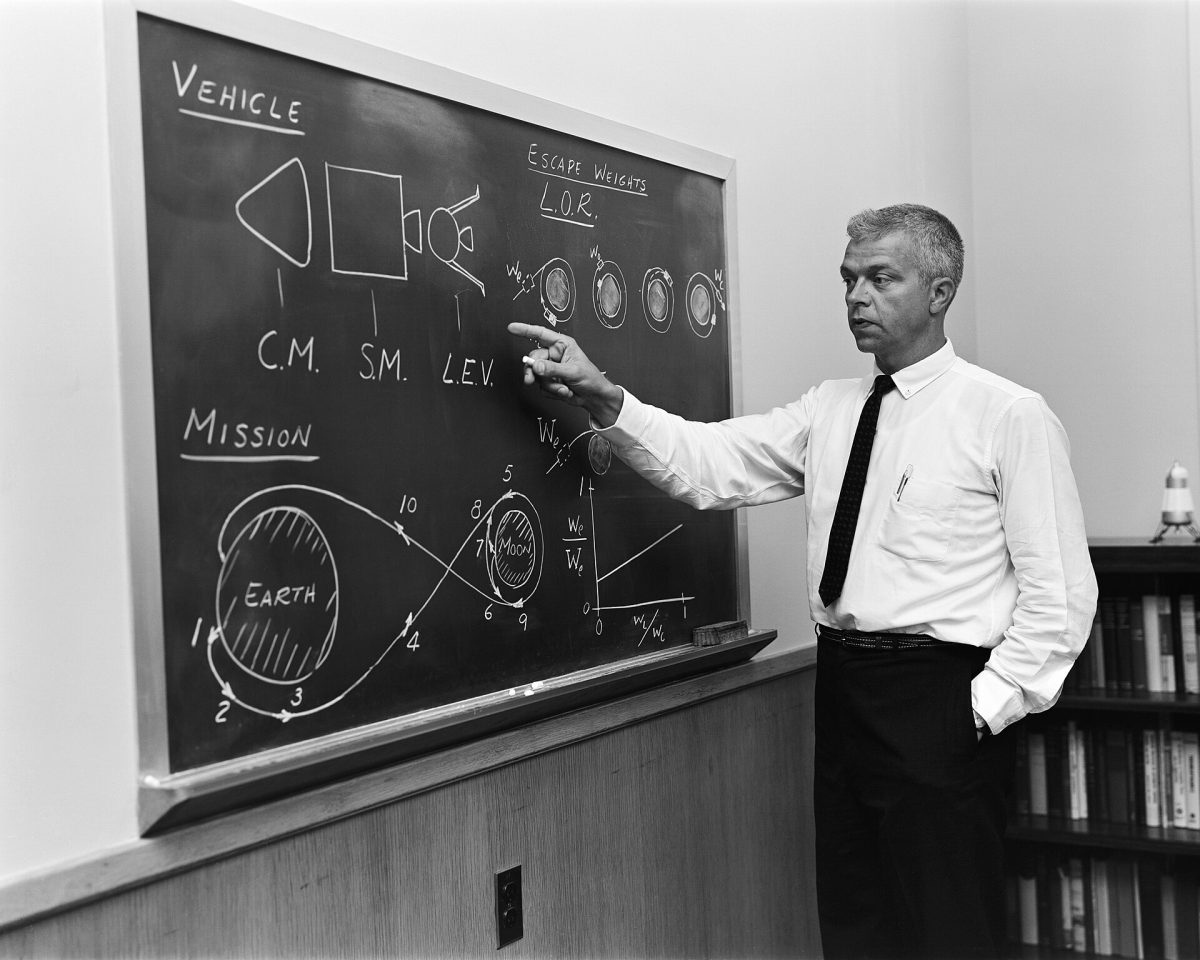
Of these two versions, the second is almost certainly correct, because why would Houbolt have looked for a book in Russian at the Library of Congress if he could have picked up the English version right there at the space center’s library? After all, that translation was intended specifically for NASA employees. That way, he would have obtained not only The Conquest of Interplanetary Space but also Kondratiuk’s To Those Who Will Read in Order to Build, which was being published for the very first time at that time. It was this book that contained biographical information in the form in which it existed in the Soviet Union at the time.
The central issue resides in the fact that neither of Kondratiuk’s two published works includes any calculations regarding the cost-effectiveness of the flight based on module separation, nor does it contain any diagrams illustrating this process. In The Conquest of Interplanetary Space, landing is not mentioned at all; the text solely discusses the establishment of a station in lunar orbit, which could serve as a refueling station for flights to other planets. Currently, NASA is attempting to implement a similar concept with the Gateway station.
In For Those Who Read to Build, a brief paragraph is dedicated to the subject of the moon landing, highlighting that detaching the spacecraft in the moon’s orbit to conserve fuel is an acknowledged standard practice.
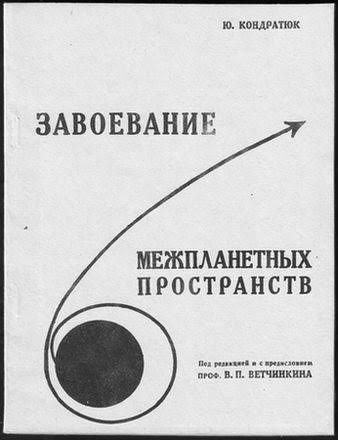
Nevertheless, Kondratiuk’s work is replete with calculations that do not directly relate to the Moon landing; however, they are of paramount importance to the overall mission. For instance, his analysis of aerodynamic braking within Earth’s atmosphere exemplifies this. Houbolt likely encountered similar challenges during the preparations for Apollo, thereby enabling him to readily identify with Kondratiuk.
It is difficult to accept that such a seasoned engineer would independently attribute nonexistent calculations to Kondratiuk. It is most probable that Sheridan did not fully comprehend him. This perspective is further corroborated by the fact that, subsequent to the article in LIFE, Kondratiuk’s name was not mentioned in the American press in relation to the Apollo program for an extended period.
Kondratiuk in the Soviet Union
In the Soviet Union, this article in an American magazine initiated a series of events whose repercussions are still evident today. The initial event was an article in the Moscow newspaper Komsomolskaya Pravda dated July 21 (or, according to alternative sources, July 19), 1969, titled “The Man Who Foretold.” Given that the publication occurred the day after the American spacecraft landed on the Moon as part of the Apollo 11 mission, it is evident that the article asserted Kondratiuk’s supposed prediction regarding the method for reaching the Moon.
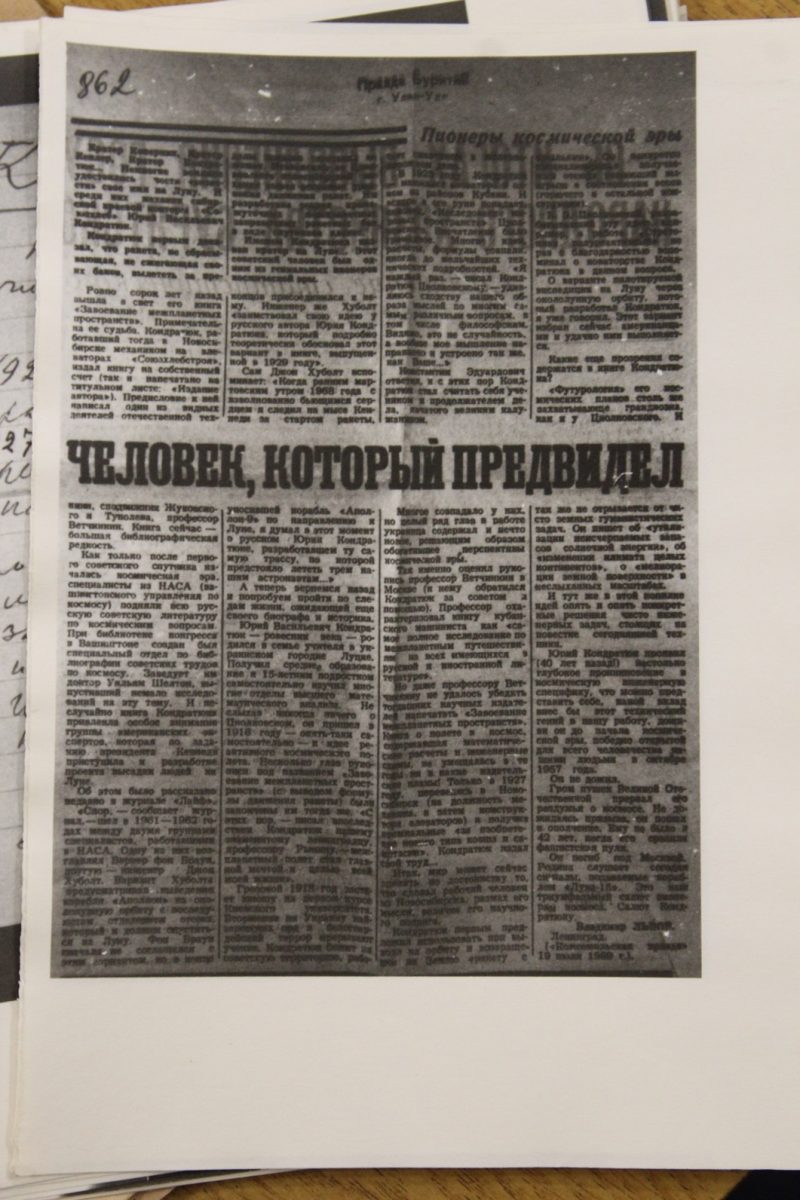
Simultaneously, the author of the article, Volodymyr Lvov, translated and quoted David Sheridan’s text somewhat loosely, which resulted in his own wording being presented as a direct quote from Houbolt himself — who allegedly believed that Kondratiuk was the designer of the flight path along which the three astronauts traveled to the Moon. Moreover, Lvov committed a significant factual error that subsequently gained widespread attention. The Apollo 9 crew only achieved Earth orbit; however, later Soviet and Ukrainian publications incorrectly claimed that Houbolt was referring to astronauts destined for the Moon.
The subsequent development was an article titled “Lunar orbit rendezvous,” published on December 6, 1969, in the Ukrainian-language Soviet newspaper Vechirnii Kyiv. Its authors, S. Karatsuba and Y. Dokuchaeva, evidently drew inspiration from the Lvov publication. It was within their account that the phrase “Lunar Orbit Rendezvous” was first introduced; prior to that, it had not been utilized by anyone or anywhere as the designation for the American plan for a lunar expedition.
Furthermore, the authors of the article asserted that Houbolt (referred to as Houbolt in the article) had appropriated Kondratiuk’s flight plan prior to his dispute with Wernher von Braun. This narrative broadly contributed to the formation of the modern myth of the Ukrainian who facilitated the Americans’ journey to the Moon.
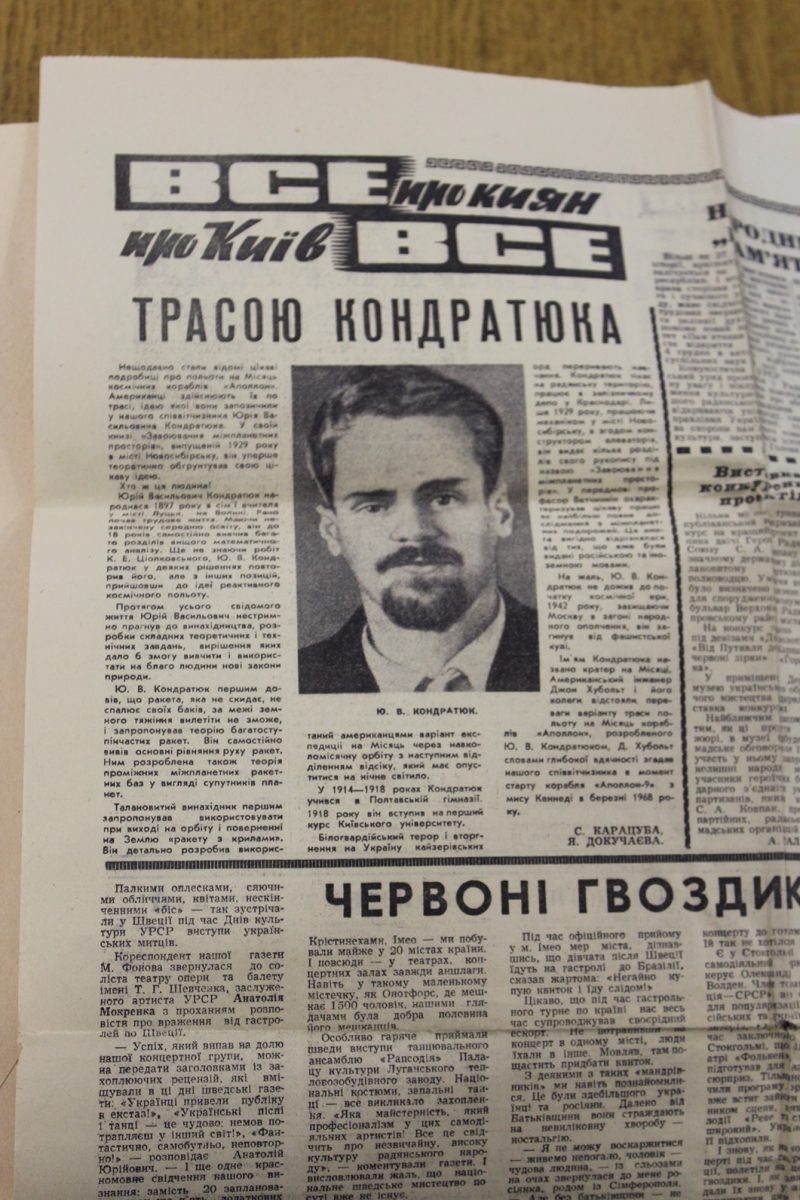
Source: t.me/s/kgbfiles
It was this particular article, as documented in the records of the KGB of the Ukrainian SSR, that laid the groundwork for subsequent events. Kondratiuk attracted the notice of the Central Committee of the Communist Party of Ukraine. They perceived an opportunity to assert a stake in the Americans’ moment of prominence, given that their flight there was solely attributable to a Ukrainian Soviet engineer.
The Communist leadership of the Ukrainian SSR was undertaking significant efforts to commemorate Kondratiuk’s legacy through the naming of streets and the erection of monuments. However, there was a notable issue that anyone who compared the texts of “The Man Who Foresees” and “Lunar Orbit Rendezvous” would readily observe.
In the initial article, the scientist’s year of birth is listed as 1900, implying that he commenced planning a lunar voyage at the age of 15. Conversely, the second article states that Kondratiuk was born in 1897, indicating that he commenced his scientific pursuits at the age of 18 — still relatively young, but markedly more plausible.
The most noteworthy aspect is the existence of two distinct dates of birth. Volodymyr Mykolaiovych Popov, who at that time led the Science Department of the Central Committee of the Communist Party of the Ukrainian SSR and bore responsibility for matters pertaining to Yurii Vasylovych Kondratiuk, was aware that the scientist’s biography contained numerous more perplexing discrepancies. Consequently, in early 1970, a decision was made to seek assistance from the KGB of the Ukrainian SSR to clarify all ambiguities within his biography.
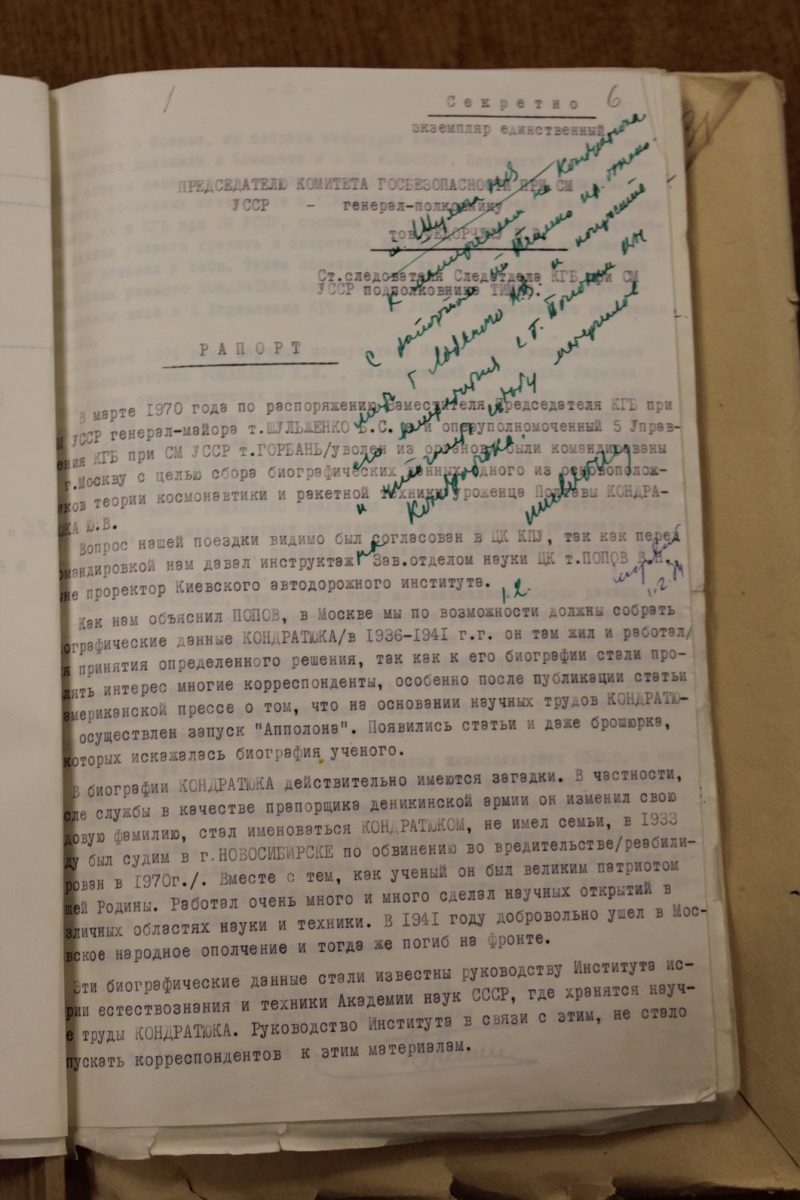
Popov, who was not only a party official but also a civil engineer specializing in bridge construction (subsequently appointed vice president of the Kyiv Highway Institute) and an enthusiast of the history of science, personally briefed KGB officers Tymko and Horban, who had been tasked with investigating events that transpired several decades earlier.
He informed them that Nina Hnativna Sharhey — Kondratiuk’s younger half-sister — resides in Kyiv and is virtually the final individual capable of providing information regarding his early life. Additionally, he mentioned that all the fragmented facts concerning Kondratiuk—seemingly inconsistent — could be obtained from Soroka, the editor of the journal Knowledge and Labor.
Tymko and Horban undertook the task of investigating a deceased individual with limited enthusiasm, as they were accustomed to working with living persons. Consequently, they commenced their inquiry by examining the circumstances surrounding the life of the individual in question, Nina Sharhey. Their findings revealed nothing beyond that of a fatigued Soviet woman nearing retirement, with whom they discussed her stepbrother. Subsequently, they directed their attention to the aforementioned Soroka and unexpectedly realized that the case of engineer Kondratiuk was, in essence, a narrative of how he purportedly “sent” the Americans to the Moon.
The mysterious comrade Kondratiuk
Yurii Vasylovych Kondratiuk was recognized as an enigmatic figure even during his lifetime. Despite lacking formal higher education, he unexpectedly authored a concise yet significant volume of space calculations that closely reflected leading scientific research in the field. Following the significant attention garnered by this publication, he did not publish any further work on space, and in 1942, he died on the front lines.
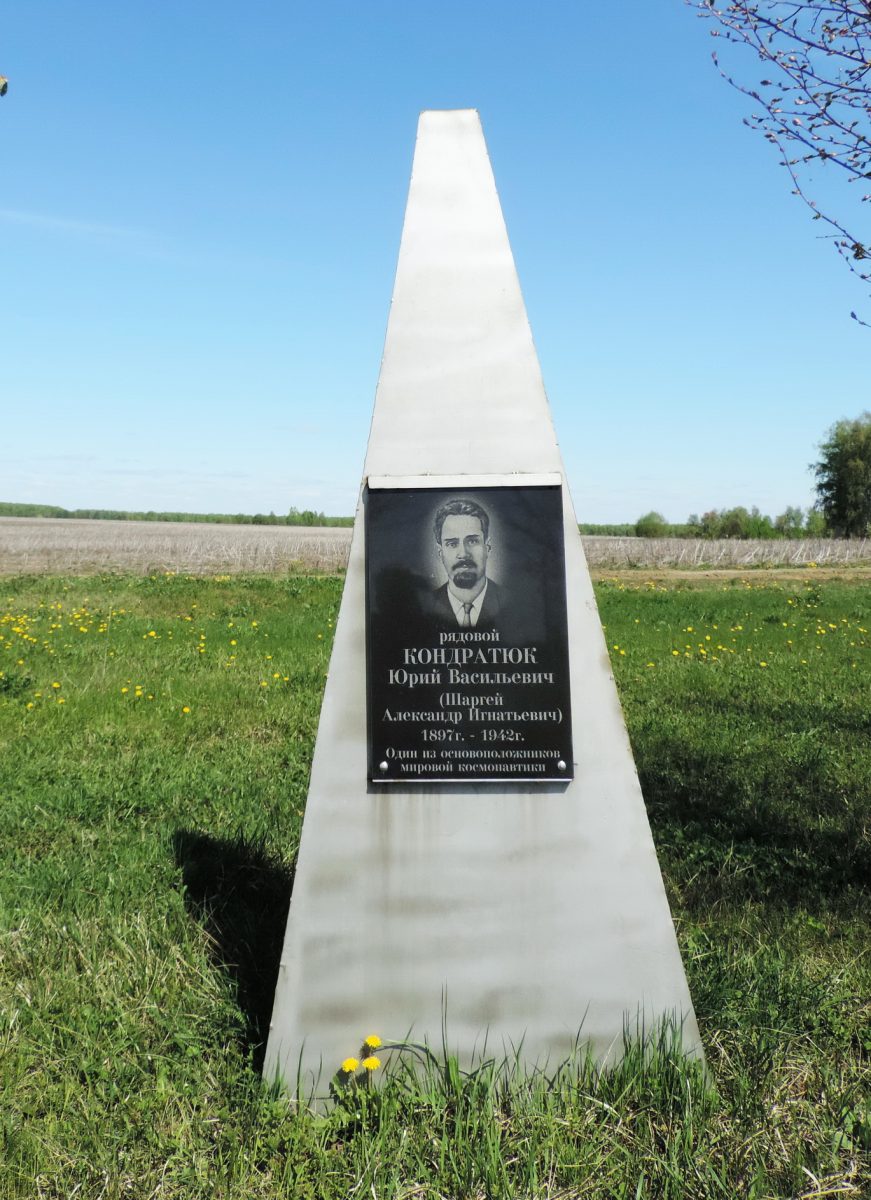
He was remembered within the Soviet space and aerospace community. In 1946, The Conquest of Interplanetary Space was subsequently reprinted. It was from this second edition that the initial Ukrainian edition was eventually produced in the United States. However, no one could ascertain the nature of his character, his origins, or the reasons behind his publication of only a single book.
Subsequently, in the late 1950s, a woman named Olha Horchakova undertook the responsibility. She was a close associate of Kondratiuk during his residence in Novosibirsk and later in Moscow. Kondratiuk had collaborated with her husband, Petro Horchakova, for numerous years and had even been incarcerated with him on fabricated charges.
Horchakova undertook a scholarly investigation into Kondratiuk’s life, involving journalists and historians of science. She possessed a critical resource — Nina Sharhey, whom we are already acquainted with, as well as her mother, Vira Karieieva, who was Kondratiuk’s stepmother. It was Vira Karieieva who recounted this story prior to her demise.
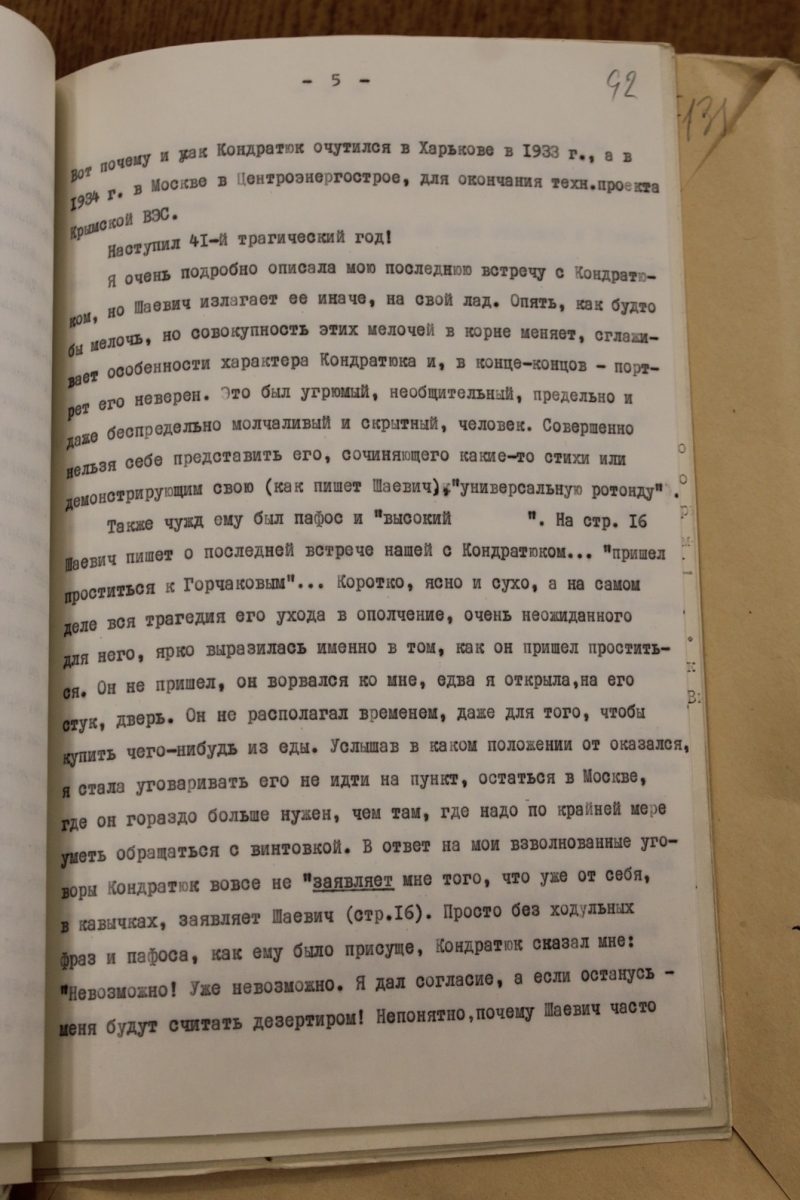
When she encountered and entered into matrimony with Hnat Sharhey in St. Petersburg during the early 20th century, she learned that he was raising a boy named Yurii Kondratiuk, who was the son of an acquaintance of his from Lutsk.
The couple subsequently had a daughter named Nina. In 1910, Hnat Sharhei passed away. Vira relocated to Kyiv with her daughter, while Yurii was taken in by his grandfather, Yakym Dotsenko, in Poltava. There, in Poltava, he attended gymnasium until 1916, after which he enrolled at the University of St. Petersburg.
He was subsequently drafted into military service, engaged in combat for a certain period, and then returned to Poltava, where he was employed as a mechanic. Subsequently, he was compelled to escape from the “counterrevolutionaries” to Krasnodar, where he encountered Horchakov, with whom he traveled to Novosibirsk.
Two biographies of one person
The narrative appeared to be coherent. In Poltava, an elder was even located who purportedly recollected Yurii, the son of Hnat Sharhey; however, for reasons unclear, he indicated that Yurii had traveled not to St. Petersburg, but to Kyiv.
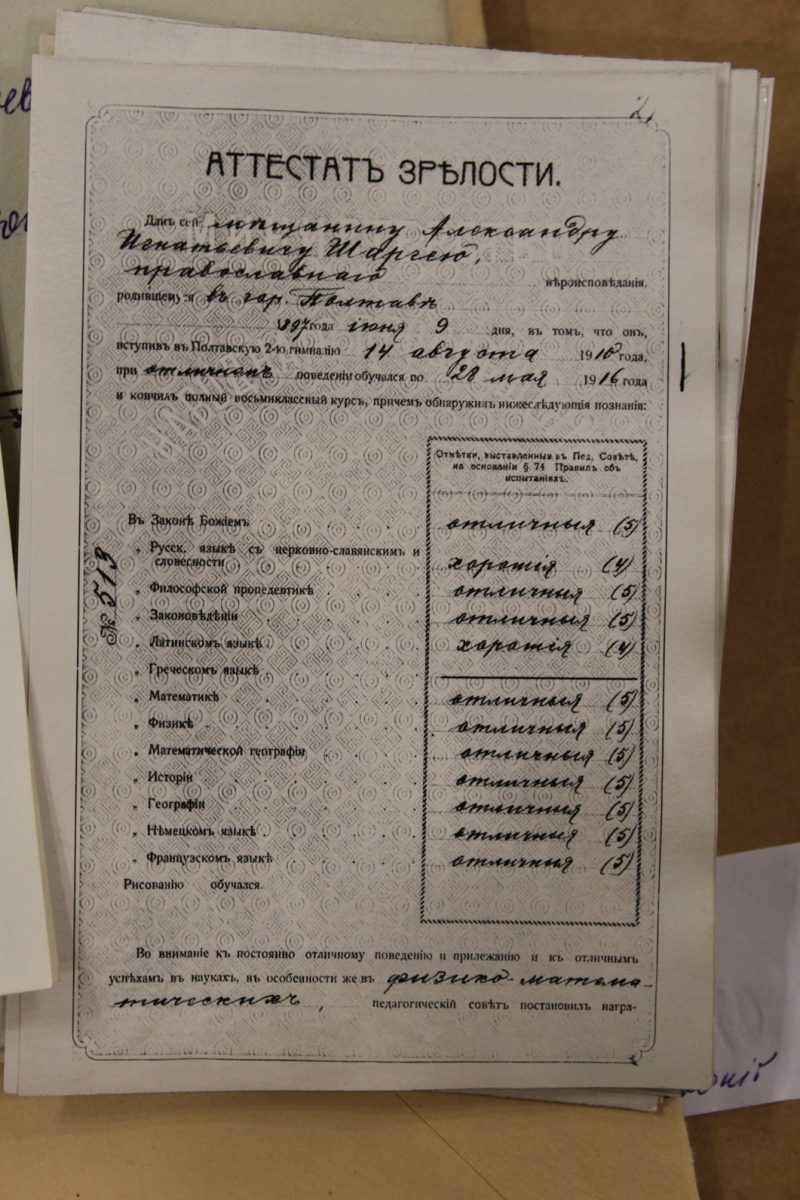
However, at the time, this matter did not attract significant attention, as local historians in Leningrad had presented more extraordinary information. They attempted to search the archives of the local university for Yurii Kondratiuk, who might have enrolled between 1915 and 1920, and discovered that no individual by that name was registered there.
The researchers subsequently undertook an examination of all graduates of the Poltava Gymnasium who had enrolled in university during that period. To their considerable astonishment, they identified among them Oleksandr Hnatovych Sharhey, a native of Poltava, born in 1897. According to his personal file, he had indeed vanished after approximately one month of study there.
However, that was not the entirety of the findings. Researchers discovered in the archives of Kyiv University the personal file of Heorhii Vasylovych Kondratiuk, a native of Lutsk, born in 1900, and a Ukrainian who attended Kyiv University (formerly known as St. Volodymyr’s University). It is noteworthy that he did not complete his secondary education in Poltava; rather, he completed it in Kyiv.
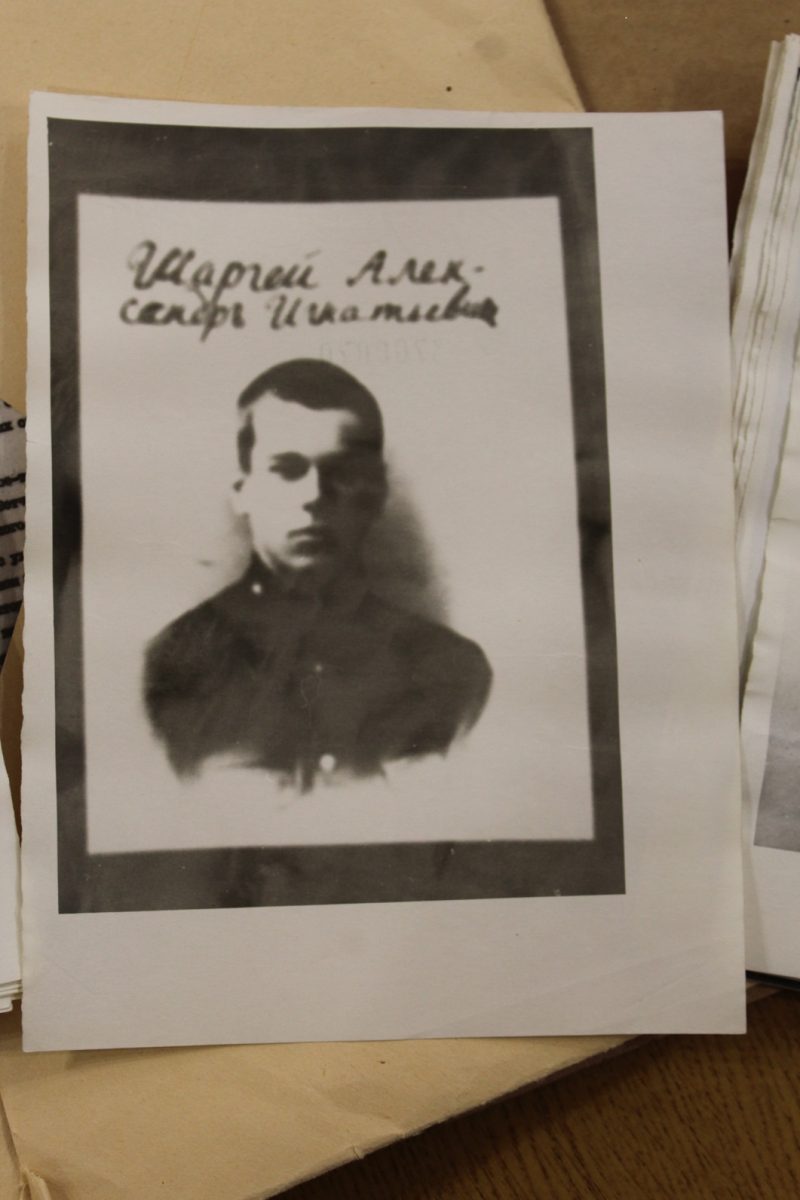
Furthermore, individuals in Lutsk retained memories of the Kondratiuk family — the family of the director of the local gymnasium who relocated to Kyiv following the onset of World War I. It was recalled that the family comprised several sons, among whom, it appears, was Heorhii (Yurii).
A conflict arose between the two groups of researchers at this stage. Olha Horchakova, who initiated the investigation and was the only one among them to have had personal contact with Kondratiuk, stated that he had never, in her presence, mentioned his relatives from Lutsk or any Kondratiuks from Kyiv. Conversely, he maintained regular correspondence with Vira and Nina Sharhey and also personally introduced them to her, referring to them as his family. Vira Sharhey had already passed away by that time, while Nina continued to uphold her version of events.
Horchakova thus concluded that the incorrect individual had been identified in Kyiv — an assertion with which Ukrainian researchers strongly disagreed. An intriguing coincidence is that this entire debate was occurring simultaneously with John Houbolt’s efforts in the United States to persuade his colleagues of the advantages of a landing strategy involving the separation of modules.
Nevertheless, during the disagreement between the two groups of researchers, a third group — comprising scholars from the Institute of the History of Science — discovered that they possessed three photographs: one depicting engineer Yurii Kondratiuk in the late 1930s; a recent high school graduate, Oleksandr Sharhey, from a 1916 university event; and Heorhii Kondratiuk, a student at Kyiv University, dated approximately 1920.
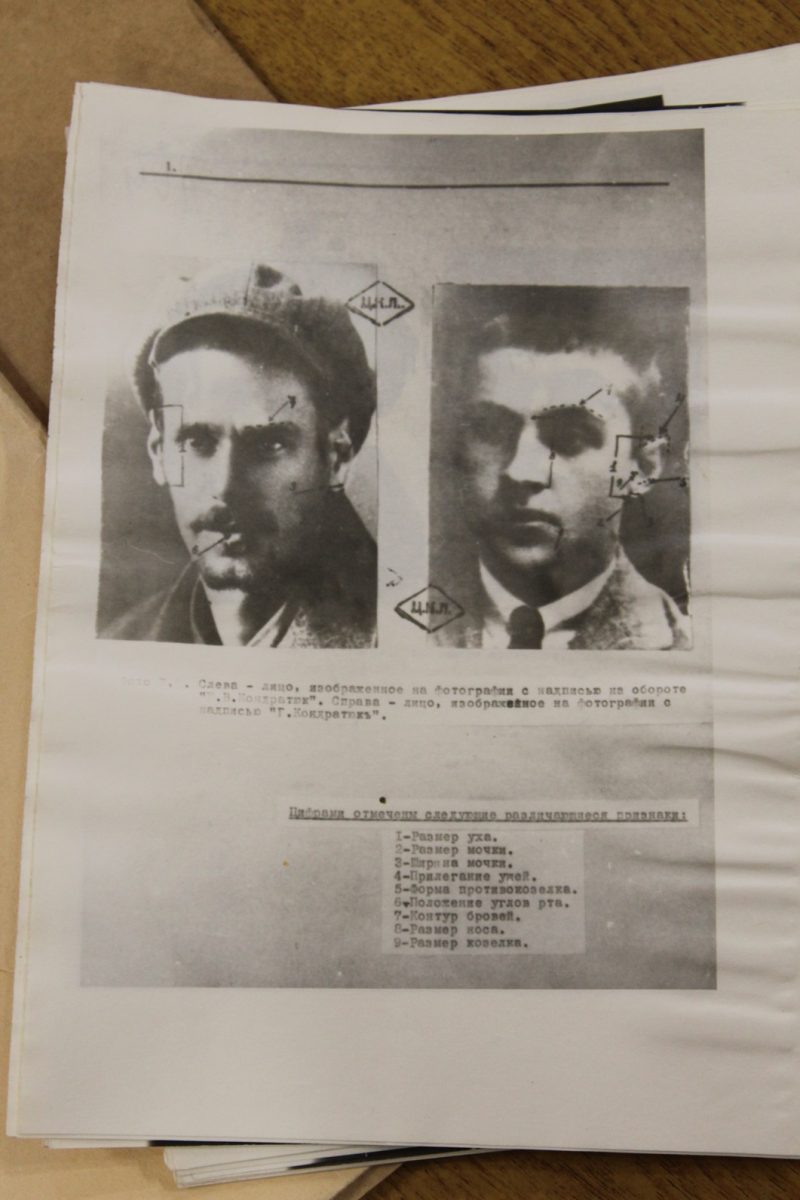
They examined the three photographs, recognized the presence of an unusual element, and forwarded them to the Institute of Forensic Science for verification of whether the images depict the same individual. They received a response indicating that Kondratiuk from the late 1930s and Sharhey from 1916 were indeed the same person, whereas Kondratiuk from Kyiv University was identified as a different individual.
The conclusion was so unexpected that active research in this direction ceased; however, details of Sharhey’s biography gradually emerged in articles about Kondratiuk in various specialized publications, ultimately making their way into an article in Vechirnii Kyiv.
The uncomfortable hero
The findings of the Kondratiuk project were received in 1970 by KGB agents Tymko and Horban in this manner. They, presumably, comprehended the gravity of the situation just as well as civilian researchers. The USSR was diligently cultivating a narrative intended to demonstrate that its leadership in space exploration was not incidental but rather the outcome of a longstanding historical tradition.
For numerous years, Kondratiuk has been honored as a prominent figure among Soviet space visionaries. Notably, Soviet astronomers, exercising their authority as discoverers, designated one of the craters on the far side of the Moon in his honor. A map bearing this designation was submitted to the International Astronomical Union in 1967 and received approval in 1970, during the period of the investigation.
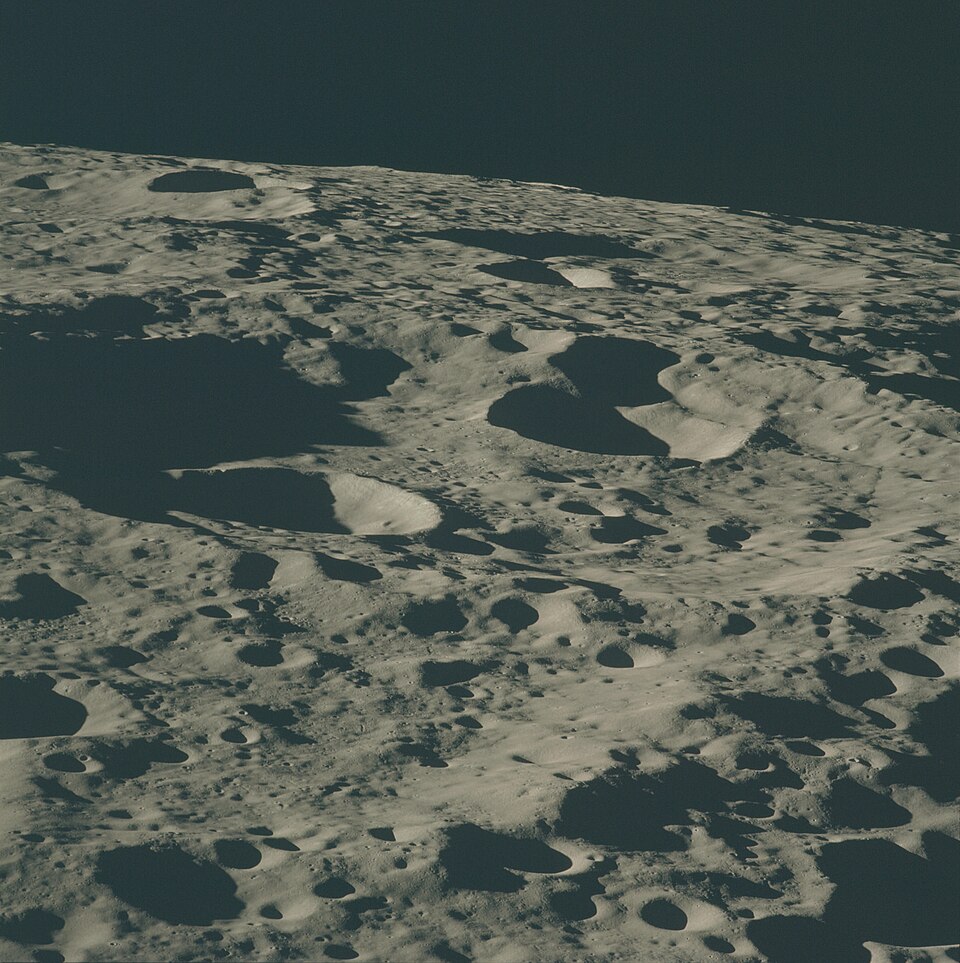
The map and the collection Pioneers of Rocket Technology, which included Kondratiuk’s articles, reached Houbolt, who had previously commended the Ukrainian engineer due to the efforts of the Soviet Union. It was subsequently revealed that the hero, whom the Soviet leadership in Ukraine was on the verge of immortalizing through the naming of streets and schools, had, for reasons unknown, changed his surname upon the advent of Soviet power. Furthermore, his stepmother and sister continued, for reasons unspecified, to conceal this fact even several decades later.
In fact, even at that time, all parties involved recognized the potential implications thereof. Serving as an officer in the tsarist army during the 1960s and 1970s in the Soviet Union was not inherently stigmatized. However, when coupled with the concealment of one’s identity, it became unequivocally evident that during the tumultuous events of 1917–1922, this individual may have fought on the opposing side of the Soviet government. Should such an individual be exalted as a hero, it could engender highly significant consequences.
In a state of alarm, Tymko and Horban commenced submitting inquiries to every accessible archive. Notably, it emerged that even twenty-five years following the “victory in the Great Patriotic War,” the USSR Ministry of Defense was unable to locate any information regarding individuals who had been mobilized directly into the Moscow militia in 1941.
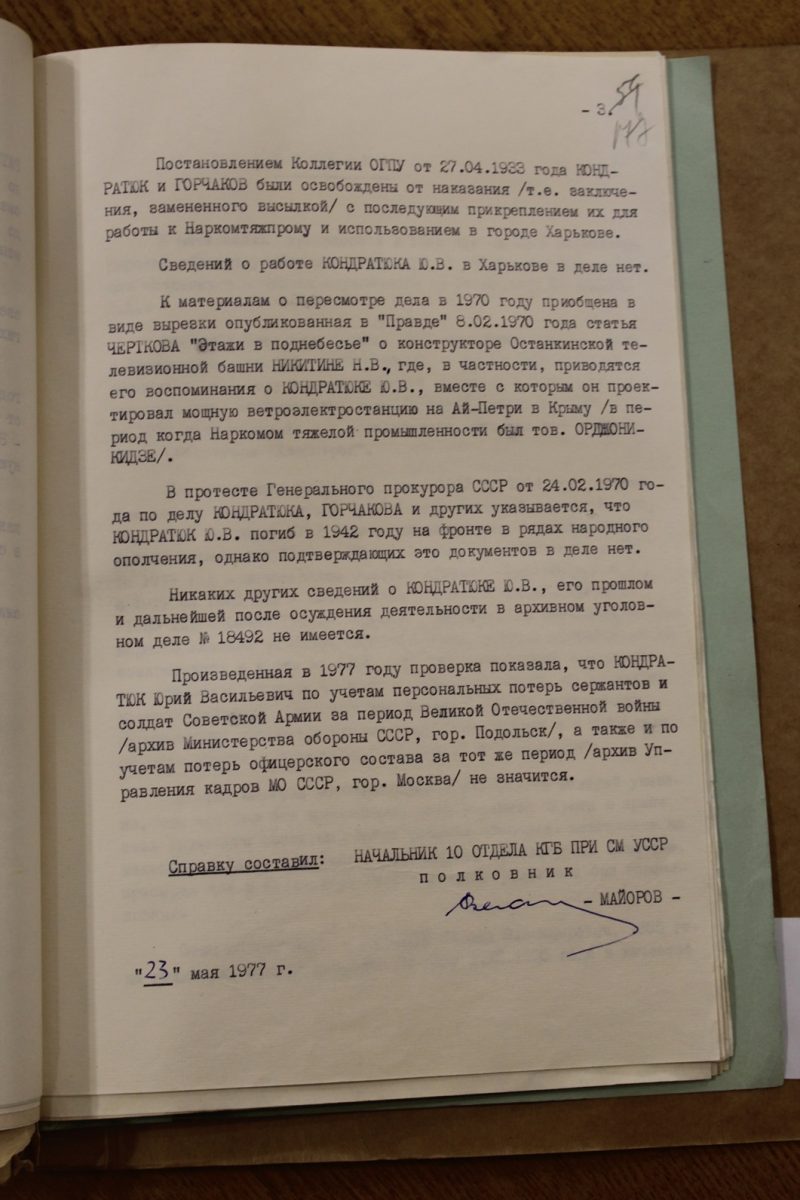
In the majority of instances, it was impossible to locate any references to Kondratiuk or Sharhey; however, in the cases where Kondratiuk was mentioned within the documents, there was no indication of his purported “counterrevolutionary” disposition. The sole exception was a case related to the construction of a grain elevator in Novosibirsk, which was already recognized in the 1930s as entirely fabricated.
Subsequently, the Ukrainian KGB succeeded in persuading Nina Sharhei to provide an account of the events, which has now become the official biography recognized by scholars. Her half-brother was indeed Hnat Sharhei’s biological son — Oleksandr. He served as an ensign in the Tsarist army and returned to Poltava in 1918. He initially concealed himself at home for some time before relocating to Kyiv, where he engaged in various occupations.
In the autumn of 1919, Sharhey was forcibly conscripted into Denikin’s army; his documents were confiscated. However, he managed to escape from the train in Smila, where he subsequently worked for several years while residing with acquaintances. Later, he was issued the documents of the deceased Kondratiuk; initially, he was reluctant to utilize them and attempted to cross the border to Western Europe under his own name.
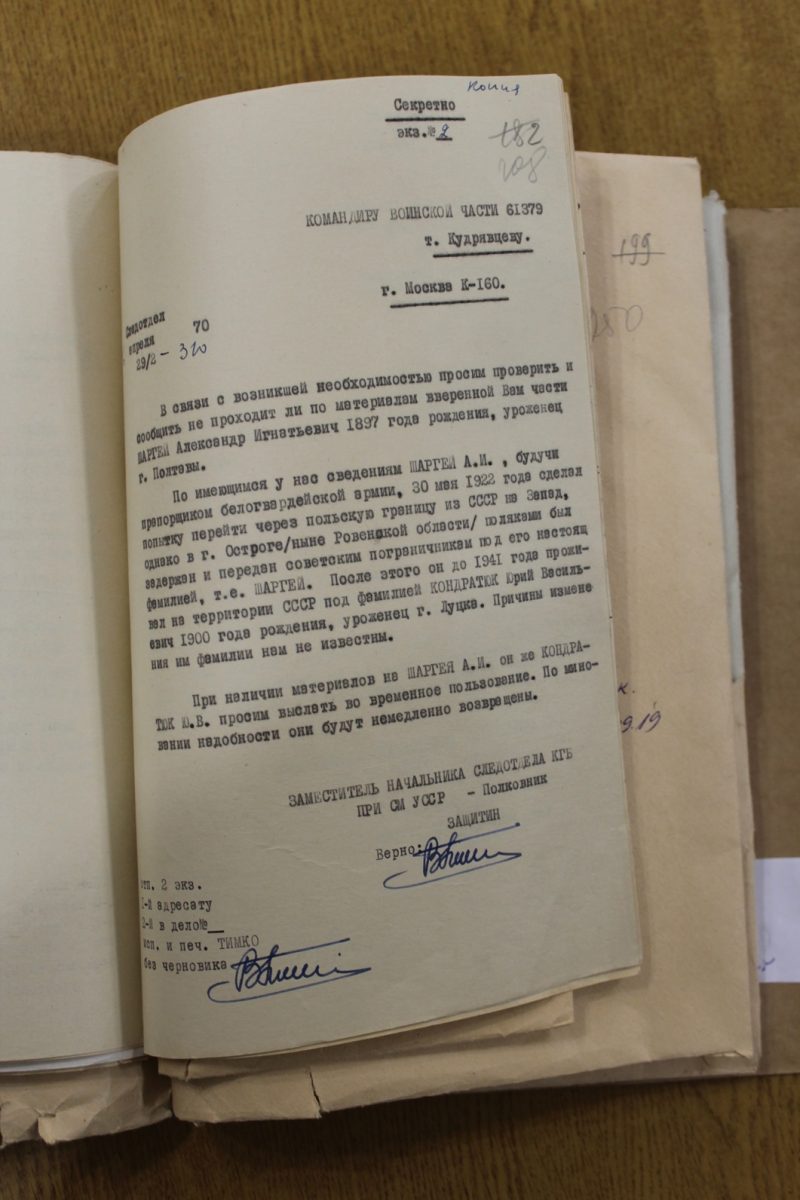
He was detained at the border and subsequently returned to Smila. He resigned himself to the necessity of adopting the identity of Kondratiuk. Subsequently, he proceeded to Krasnodar, Horchakov, and Novosibirsk. While this account corroborated the suspicions, it was generally considered innocent.
Oblivion and return
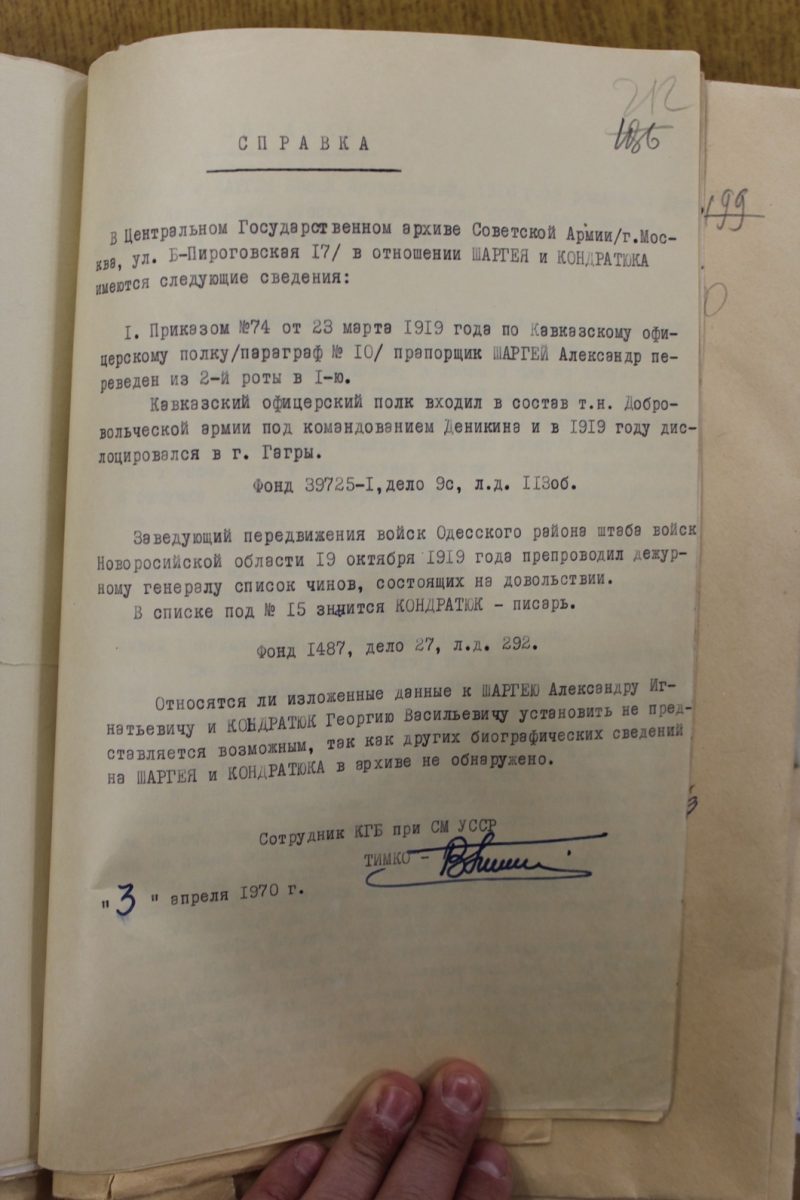
Everything appeared to be in order; however, one of the searches yielded an unfortunately adverse outcome. An archive contained partial documents pertaining to the White Army. Among these was information indicating that Ensign Oleksandr Sharhei had served in the White Guard as early as the spring of 1919 — considerably prior to his compelled mobilization. Nonetheless, it could not be definitively established that he was the same individual as the scholar Kondratiuk.
No evidence was ever found to prove that this was the same Oleksandr Sharhei. Nor was there any evidence that this man had attempted to cross the Soviet-Polish border in 1922. Once again, the Ukrainian Communists and the KGB were faced with the question: what to do?
The authorities in Moscow exhibited a lack of notable interest in the entire situation. No directives from the central authorities were issued concerning the Kondratiuk case. Consequently, they resolved to classify all information obtained during the investigation, cease commemorations of Kondratiuk, and direct all inquiries regarding him to Moscow.
In the early 1970s, discussions about Kondratiuk ceased among the populace in Ukraine. This abstention was not due to a formal prohibition; rather, it was understood that the subject was to be avoided. Simultaneously, in Moscow and Novosibirsk — areas where individuals similarly exercised restraint in speech — they persisted in cautiously extolling Kondratiuk, although his actual surname was not explicitly referenced in these contexts.
Simultaneously, the investigators were diligent in ensuring that at least some form of official decision — albeit behind closed doors — regarding Kondratiuk was attained. In 1977, a specialized commission assembled in Kyiv. They once again heard testimonies from Nina Shargey and KGB officials. Ultimately, they determined that Oleksandr Sharhey’s actions did not constitute an offense against the Soviet regime. It was strongly advised that certain elements of his biography remain confidential; nonetheless, the researchers were generally afforded significantly greater operational freedom.
However, genuine freedom was only realized with the initiation of the perestroika policy in the USSR. During this period, information that “Kondratiuk” was not his authentic surname began to progressively emerge, initially in the Soviet media and subsequently in Western outlets. Nevertheless, the name Oleksandr Sharhey was first publicly identified in 1987 in his hometown of Poltava.
