

The numerous rumors over several months concerning SpaceX’s interest in a substantial area of wetlands in Louisiana have been formally validated. The corporation disclosed its intentions to construct an extensive spaceport in Vermilion Parish along the Gulf of Mexico/Gulf of America shoreline. Nonetheless, environmental organizations promptly raised concerns regarding this development.
On the eve of Governor Jeff Landry’s announcement of a $100 billion project, several environmental organizations submitted a complaint regarding the regulatory amendments proposed by the U.S. Federal Aviation Administration (FAA). Environmental advocates contend that the new regulations would abolish the necessity for an environmental impact assessment, consequently jeopardizing coastal resources.
The largest spaceport on Earth
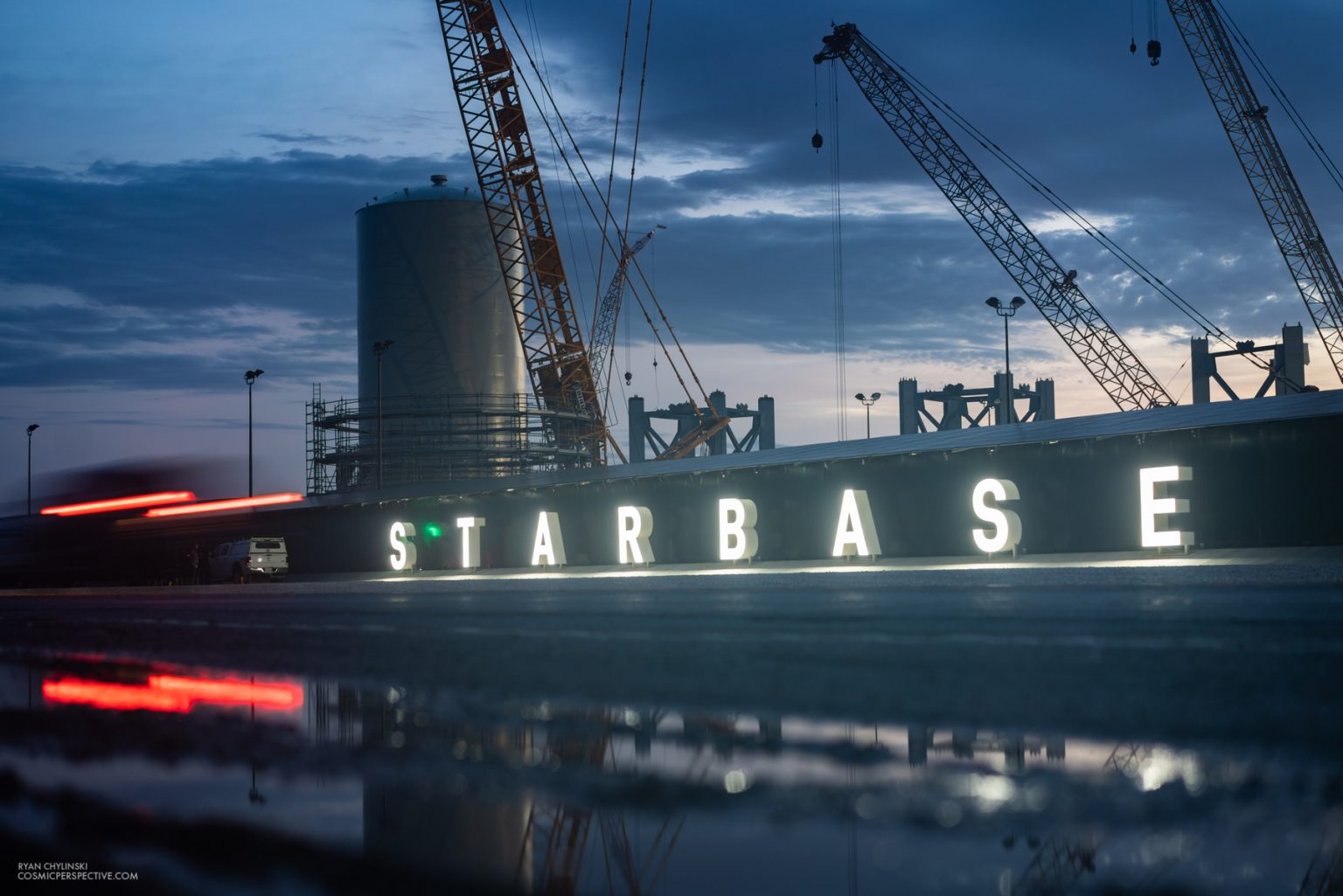
The new Starbase spaceport in Louisiana is engineered to facilitate thousands of Starship launches annually. It will encompass an area of approximately 50,500 hectares. SpaceX CEO Elon Musk has already designated the facility as the largest launch site on the planet. It will be considerably larger than the Starbase in Texas, which has been operational for the past three years.
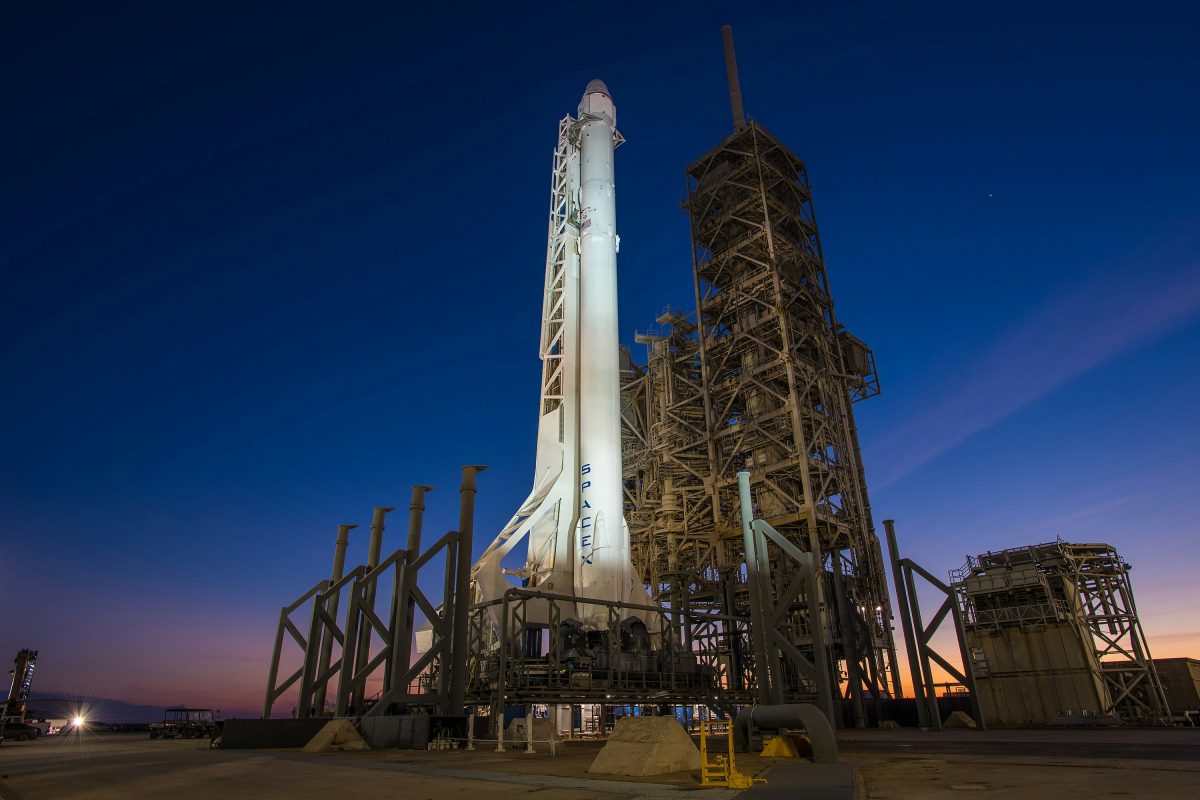
It is noteworthy that the site in Texas has previously been the focus of environmental investigations. In 2024, regulatory authorities identified multiple violations of the Clean Water Act by SpaceX, specifically regarding the unauthorized discharge of pollutants via the launch pad’s water cooling system.
Meanwhile, the FAA is proposing to streamline licensing procedures for the commercial space sector. If these modifications are adopted, operators will be exempt from the requirements of 13 environmental and public health statutes, including the Endangered Species Act, the Clean Water Act, and the Clean Air Act.
A threat to biodiversity
Environmental advocates are urging the Federal Aviation Administration (FAA) to either withdraw or significantly modify these initiatives. While acknowledging the potential economic benefits for the region, it is important to recognize that the designated site possesses exceptional natural significance. Vermilion Parish, situated on the Chenière Plain, serves as a crucial wintering habitat for migratory birds and adjoins multiple protected areas.
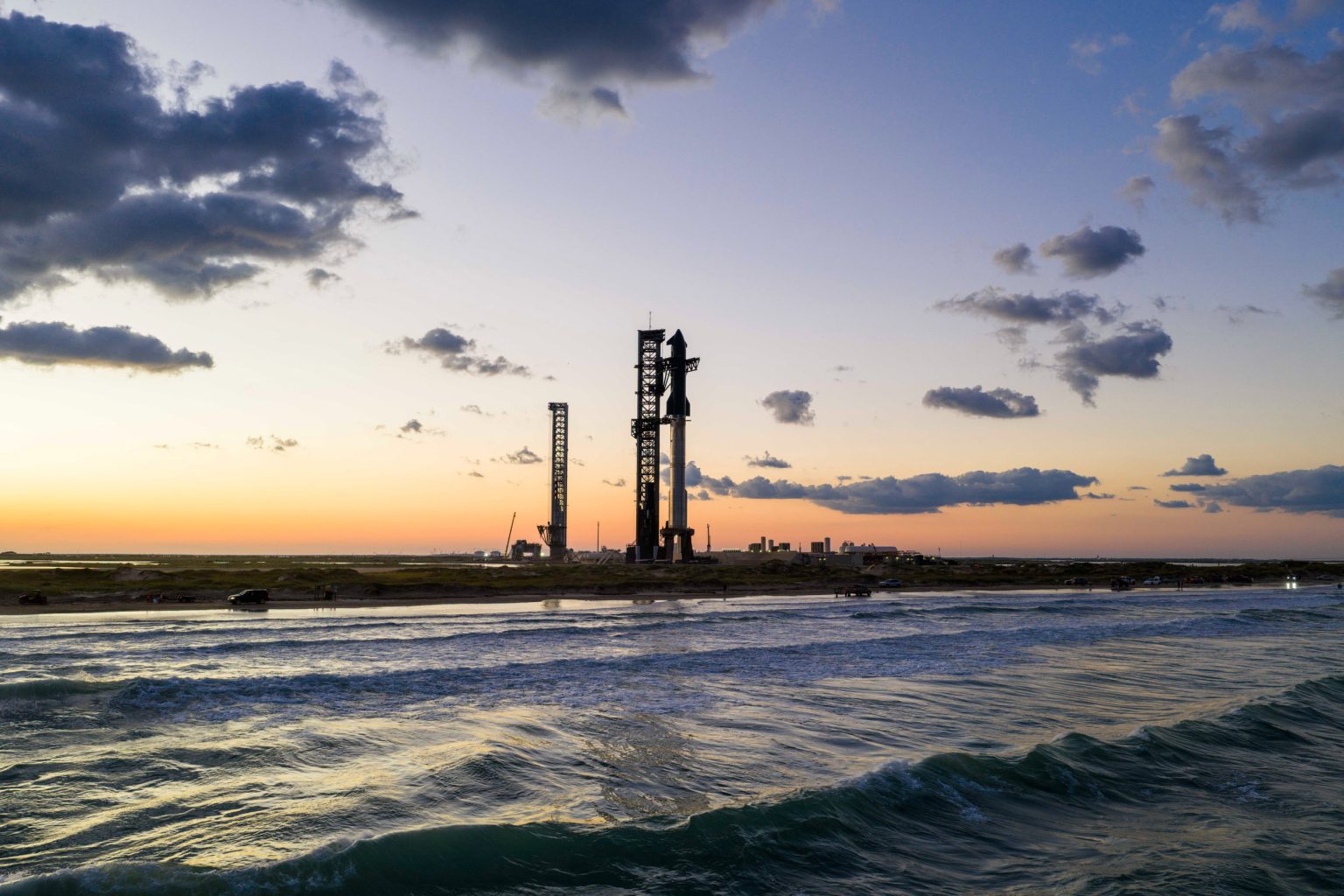
The local wetlands serve as a habitat for millions of ducks and geese, host the rare American sandhill crane, and function as a natural “nursery” for shrimp, crabs, and fish, which underpin the entire coastal fishing industry of the state.
Missile launches amidst the climate crisis
In its presentation of the project, SpaceX itself acknowledges the problem: Louisiana is losing its coastline at the fastest rate in the United States. According to scientists’ projections, by 2070, 75% of the state’s wetlands will disappear, and the coastline will shift inland by more than 48 km.
In response to the allegations, SpaceX affirms that it is collaborating with government agencies and environmental organizations to safeguard the coastline. The company commits to restoring thousands of hectares of wetlands utilizing soil from dredging activities, intending to develop only a designated portion of the land, and to engaging in government-led restoration initiatives.
However, the actual impact of these promises remains in question. The experience in Texas demonstrates that frequent launches of the world’s most powerful rockets near vulnerable ecosystems inevitably result in significant environmental conflicts.
We previously reported that individuals were experiencing difficulty breathing in proximity to the SpaceX facility.
Provided by Gizmodo
