

Last Friday, China achieved a significant milestone by becoming the second nation in the world to successfully land the first stage of its rocket on a sea barge. This accomplishment was undertaken with the intention of facilitating reusability in future space launches. Up to this point, only American companies had demonstrated this capability.
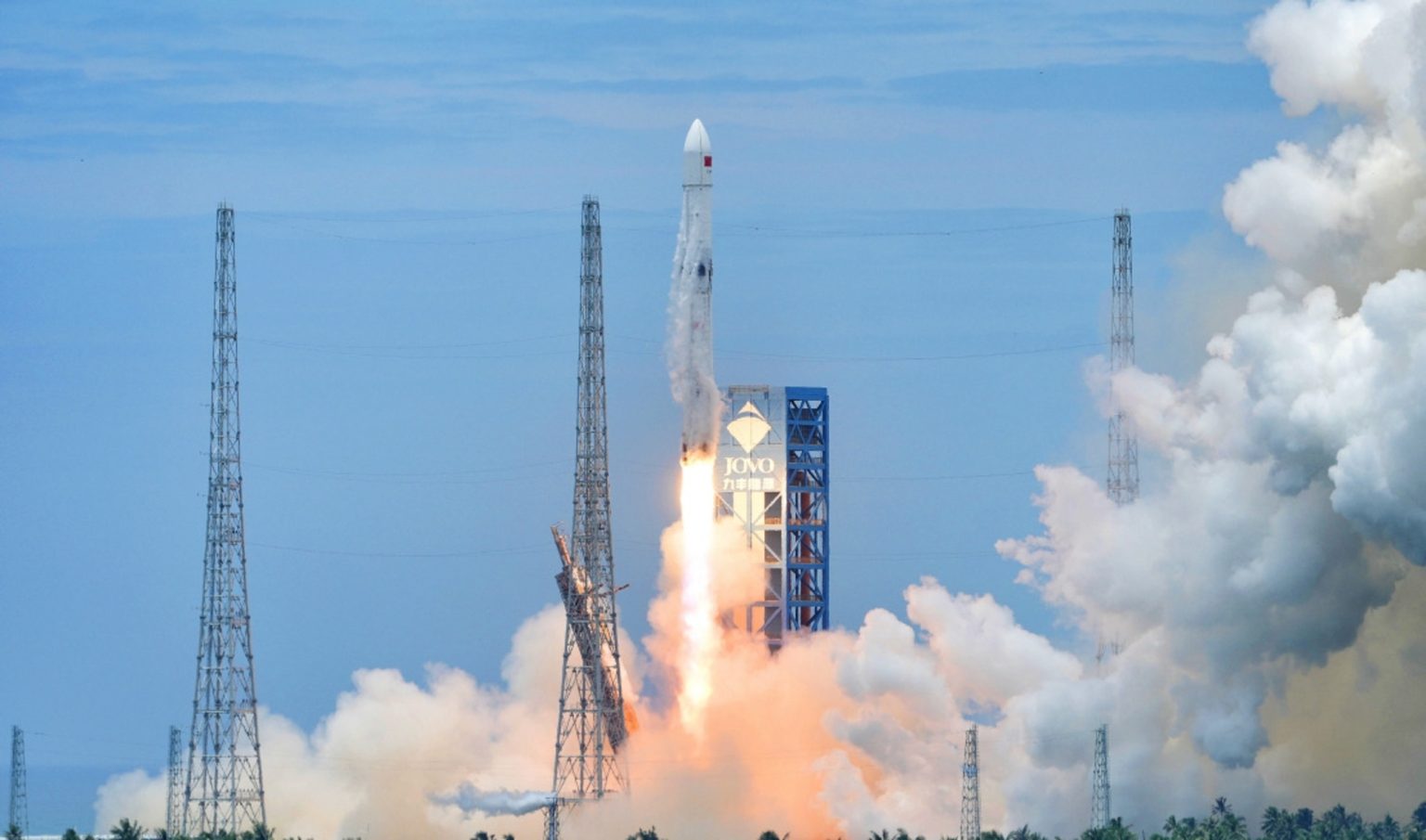
Reusable rockets
News circulated globally that the China Aerospace Science and Technology Corporation (CASC) successfully launched the new Long March 10B rocket into space. Furthermore, it accomplished the retrieval of its first stage, which was positioned on a designated barge at sea.
For numerous individuals, this news elicited a surge of emotions — spanning from enthusiasm to apprehension. This reaction was attributable to the perception that the event signified the termination of the United States’ dominance in the capacity to recover rocket first stages from space.
It is essential to prioritize appropriately: while the landing of the first stage on a barge or a land-based platform is undoubtedly an impressive spectacle, this achievement alone holds limited significance for the overall space program. The critical factor, however, is the capability to reuse that particular stage in future launches — and not merely on a single occasion.
Generally, the challenge posed by single-use missions has persisted in global space exploration since the 1960s. Every human or cargo launch into orbit represents an engineering achievement. Such missions involve operating one of the most complex machines ever constructed by humans, governed by a highly sophisticated program. Nevertheless, even when successful, these complex machines ultimately re-enter and crash onto Earth.
The primary concern here extends beyond the substantial expenditure involved. Unlike other industries, which aim to maximize the utilization of costly equipment, this sector does not follow the same practice. Since the 1960s, engineers have dedicated efforts toward designing space systems with maximum reusability in mind.
The Tsiolkovsky rocket equation presents a significant challenge, illustrating that, with current technology, it requires several kilograms of fuel to deliver one kilogram of payload into orbit, and it is also necessary to store all that fuel. Nevertheless, some advancements have been achieved in this domain.
The initial endeavor was the Space Shuttle program. However, it was found to be prohibitively costly to constitute a significant breakthrough. In actuality, the pursuit of reusability incurred such substantial expenses that the resultant system became more costly to operate than single-use alternatives.
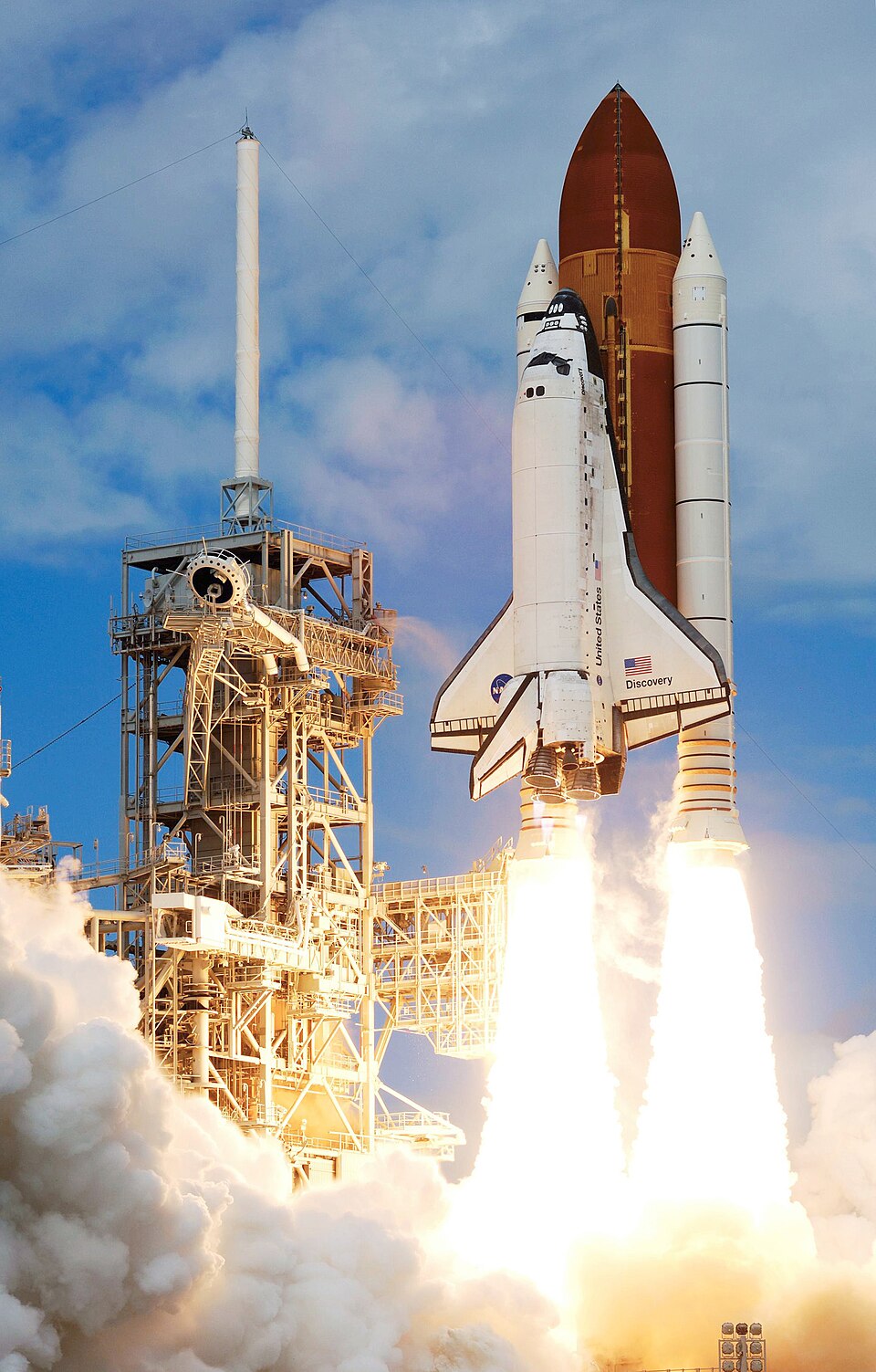
Most likely, scientists will eventually revisit the concept of a “space shuttle,” and it will function as intended — though not with the current level of technology. Consequently, over the past two decades, efforts have been concentrated on enhancing the reusability of individual components of conventional rockets — primarily the first stage, which commences operation immediately after launch, and, if feasible, other stages as well.
How to land a stage design
Initially, concerns primarily focused on whether the first-stage design could endure repeated launch loads. However, in practical application, it has been demonstrated that these stages can be launched into space up to ten times — SpaceX has already established this as a standard practice with its Falcon 9.
The primary consideration is to prevent damage to the structure during the landing process. This presents significant challenges, as parachute systems are unsuitable for such a heavy yet delicate structure, even when landing on water. In such instances, additional problems emerge: the rocket may sink, and seawater accelerates corrosion. Specifically, efforts have been undertaken to employ this method; however, to date, these efforts have not produced the desired outcomes.
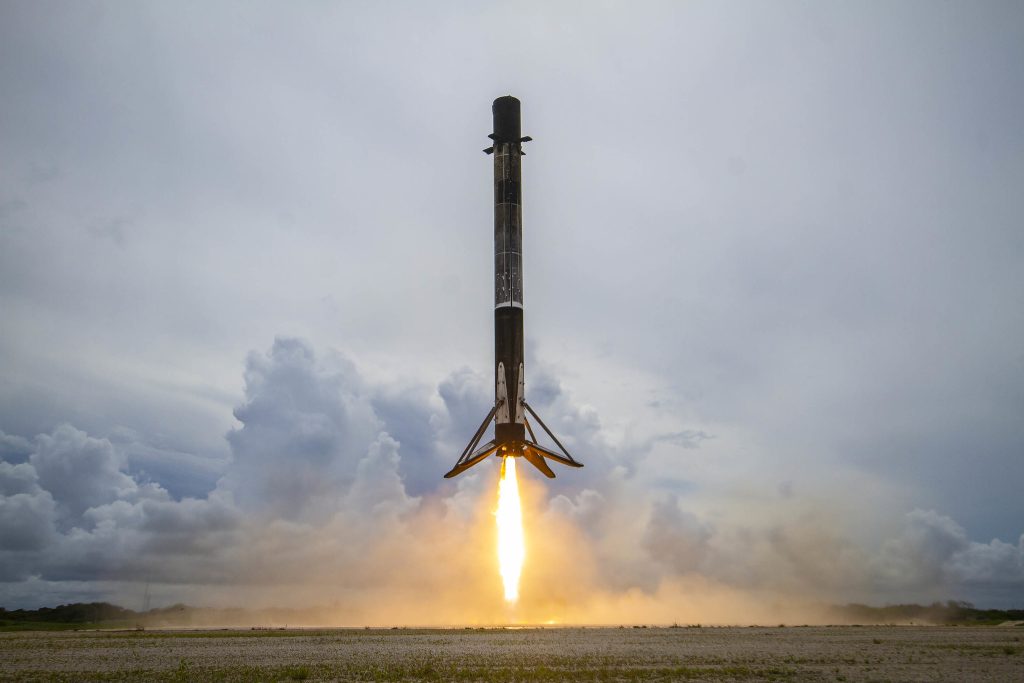
That is precisely why the mainstream approach shifted to attempting to land a rocket using jet propulsion. From the perspective of an engineer in the 1970s, this represented a considerable expense; however, from the viewpoint of an economist in the 2000s — who assessed the costs of fuel, the rocket, and the payload that was “not delivered” to orbit — it was the sole viable option.
Transforming a descent from a height of several dozen kilometers into hovering over a precisely defined point just a few meters above the surface is not exceedingly challenging if all the rocket’s systems are operating correctly. The most challenging aspect is the final stage — the transition from a rocket hovering under jet thrust to a rocket remaining intact on the landing pad.
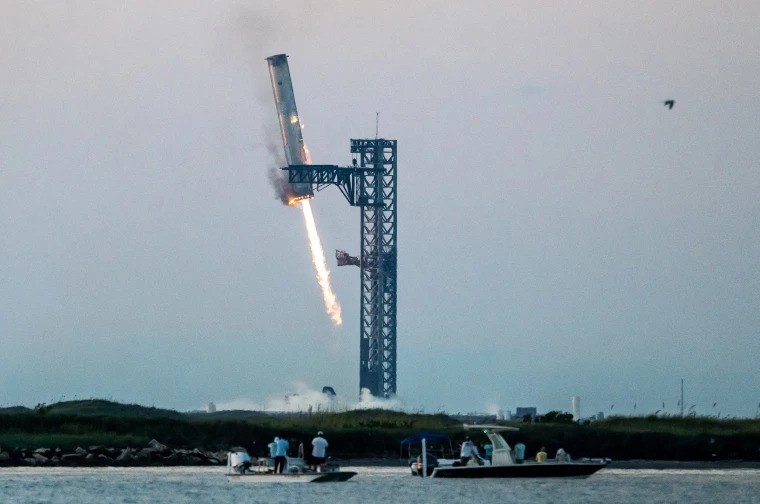
Individuals observing the SpaceX space program are aware of the numerous instances in which the first stage has flipped over at the final moment, despite the presence of fold-out “claws.” Consequently, it was decided to abandon this principle for the significantly larger Starship first stage. Currently, it merely splashes down into the ocean, which does not contribute to reusability. In the future, however, the stage is intended to be captured by a large mechanical “claw” on the launch tower as soon as it comes to a stop.
Another issue arises when, occasionally, even at SpaceX, a rocket fails to function as intended. In such instances, efforts to salvage it are generally not pursued. Instead, the strategy involves attempting to land the rocket on a barge located as far from the shoreline as possible. The potential fallback zone, should there be a complete engine failure, is considerably large, and it is imperative to avoid the risk of it crashing into residential areas.
China’s attempt
China’s participation in this narrative was not unexpected. The nation initiated its space exploration program in the 1970s; however, until the early 21st century, it was regarded as a peripheral entity — until it was recognized that China is among the select few nations classified as spacefaring nations, capable of autonomously launching a spacecraft with an astronaut into orbit.
Since that time, efforts have accelerated to supplant the United States in its predominant position. China’s initiatives to recover and repurpose rocket stages have been publicly recognized for several years. Furthermore, this endeavor encompasses not only official space agencies, such as CASC, but also commercial enterprises.
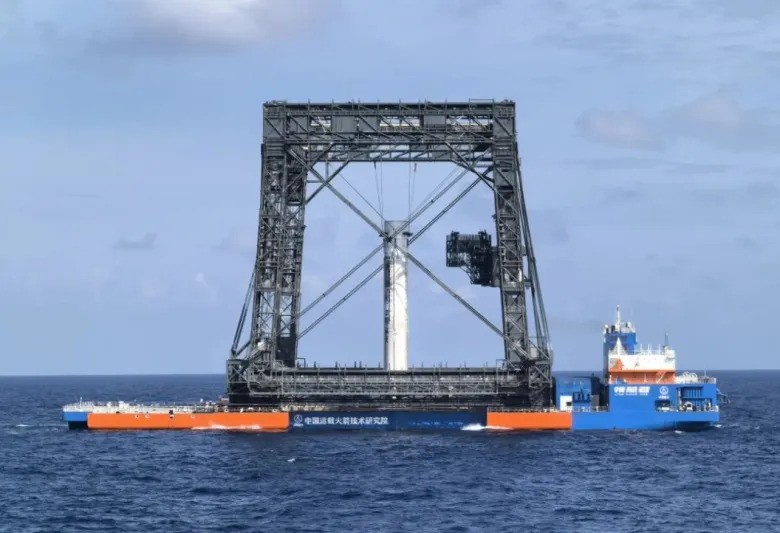
They do not need to replicate SpaceX’s approach precisely. The utilization of this specific method to recover the rocket does not imply it is the sole or most effective option. It represents a technology that they have successfully mastered only after surmounting considerable challenges.
The Chinese decision to position the stage on a barge rather than on land is entirely foreseeable. After all, it was in China in 1996 that a Long March 3B rocket collided with residential buildings, and they evidently wish to prevent such incidents from recurring.
It is also unsurprising that the Chinese opted not to replicate the approach with the support structures. A design utilizing a series of cables to catch the rocket while it hovers is equally effective. Although it appears complex, the primary consideration is ensuring that the rocket remains in a state of hovering.
Long March 10B
The Long March 10B rocket warrants special recognition. It is essentially a variant of the Long March 10, a program the People’s Republic of China announced publicly some time ago, which is chiefly designed to facilitate lunar missions involving astronauts aboard the “Mengzhou” spacecraft.
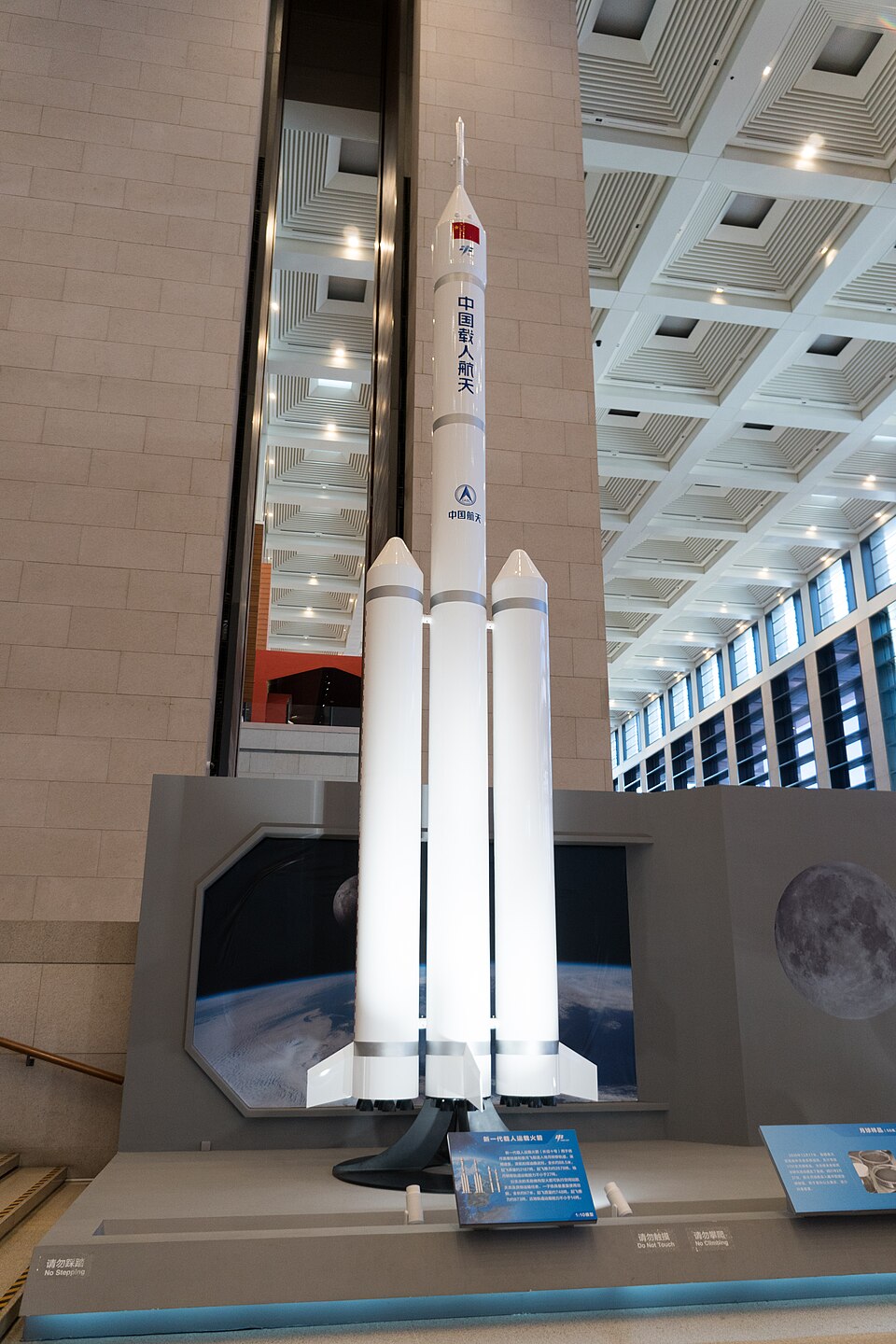
However, the development of a crewed mission to our Moon is advancing at an exceedingly slow pace. Consequently, over recent years, the Chinese have endeavored to construct smaller variants of this super-heavy launch vehicle, which, in terms of specifications and design, most closely resembles the Falcon Heavy.
Primarily, this should be the Long March 10A — a launch vehicle engineered to deploy manned spacecraft into Earth’s orbit. It is well understood that the Long March 2F, which presently launches the “Shenzhou” spacecraft into orbit, is outdated — being a model originally developed in the 1970s that continues to be used for space missions.
Furthermore, the “Shenzhou” spacecraft itself is considered outdated and requires replacement, perhaps with an orbital version of the “Mengzhou.” It is precisely these vehicles that are to be substituted by the new system utilizing the Long March 10A, which conducted its inaugural test flight in February of this year. However, the Chinese are initiating their reusability testing not on this particular rocket but on a different variant of the Long March 10, specifically engineered for this purpose.
Simultaneously, representatives of the China Academy of Space Technology are presently referring to the Long March 10B exclusively as a cargo launch vehicle. This approach will undoubtedly confer substantial benefits upon the Chinese space program. Nonetheless, it raises an important inquiry: what is the status of the Long March 10A? It is worth noting that enhancing the reusability of spacecraft in manned spaceflight represents a considerably more significant accomplishment than in uncrewed missions.
What’s next?
In any case, the landing of the first stage of the Chinese rocket on a barge is not particularly significant in isolation. Nonetheless, CASC has already announced its intention to attempt reuse during the subsequent launch at the earliest opportunity.
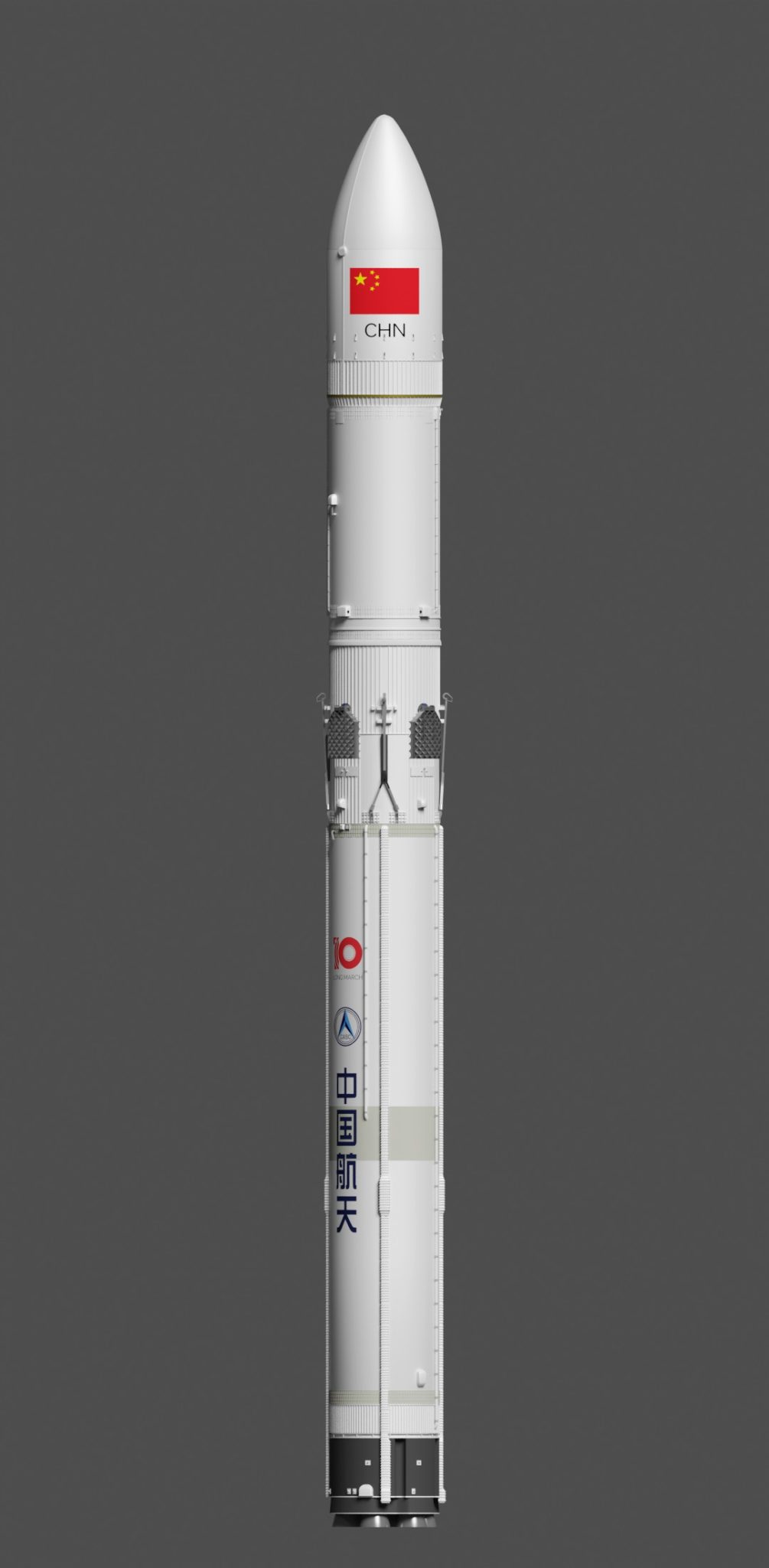
Such an achievement would represent more than mere economic benefit; it would serve as a testament to China’s capacity to compete with the United States within the realm of space technology. Subsequently, questions would arise regarding the relative ease of adapting the capabilities of the Long March 10B to the Long March 10A — and, most critically, to the Long March 10. Should this technology — employing cables on a barge — be sufficiently adaptable for at least crewed orbital flights (a capability that has been announced for the Long March 10A), it would position China on par with SpaceX, the most successful commercial enterprise in the United States.
If CASC successfully manages to launch the largest rocket in its fleet and achieves partial reusability of its components, China would significantly advance in the lunar exploration race. While such plans are conceptualized, they currently remain speculative.
Even if these plans are successfully executed, they will pose significant challenges for the United States to compete with China. The Falcon Heavy — the closest American equivalent to the Long March 10 — is already operational and features reusable side boosters that are standardized with the Falcon 9. However, this rocket was never designed for crewed flights, especially for lunar missions. Conversely, the SLS, which was specifically developed for crewed lunar expeditions, was never intended to be reusable from the outset. Additionally, the program continues to encounter obstacles in maintaining regular launch schedules.
Starship is engineered to integrate reusability with the capacity to conduct crewed missions. Nonetheless, it has only recently accomplished even a basic orbital flight devoid of a payload. Consequently, China may indeed surpass the United States temporarily in space exploration. However, such progress will not be instantaneous; the execution of China’s strategic plans will require several years.
