

Very soon, the Buck Moon will illuminate the night sky, and this year it coincides with activity from three meteor showers at once. However, there are certain complications for amateur astronomers: the Southern Delta Aquariids and Alpha Capricornids will reach their peak on the day after the full moon. This means that the bright moonlight will make it considerably more difficult to observe the “shooting stars.”
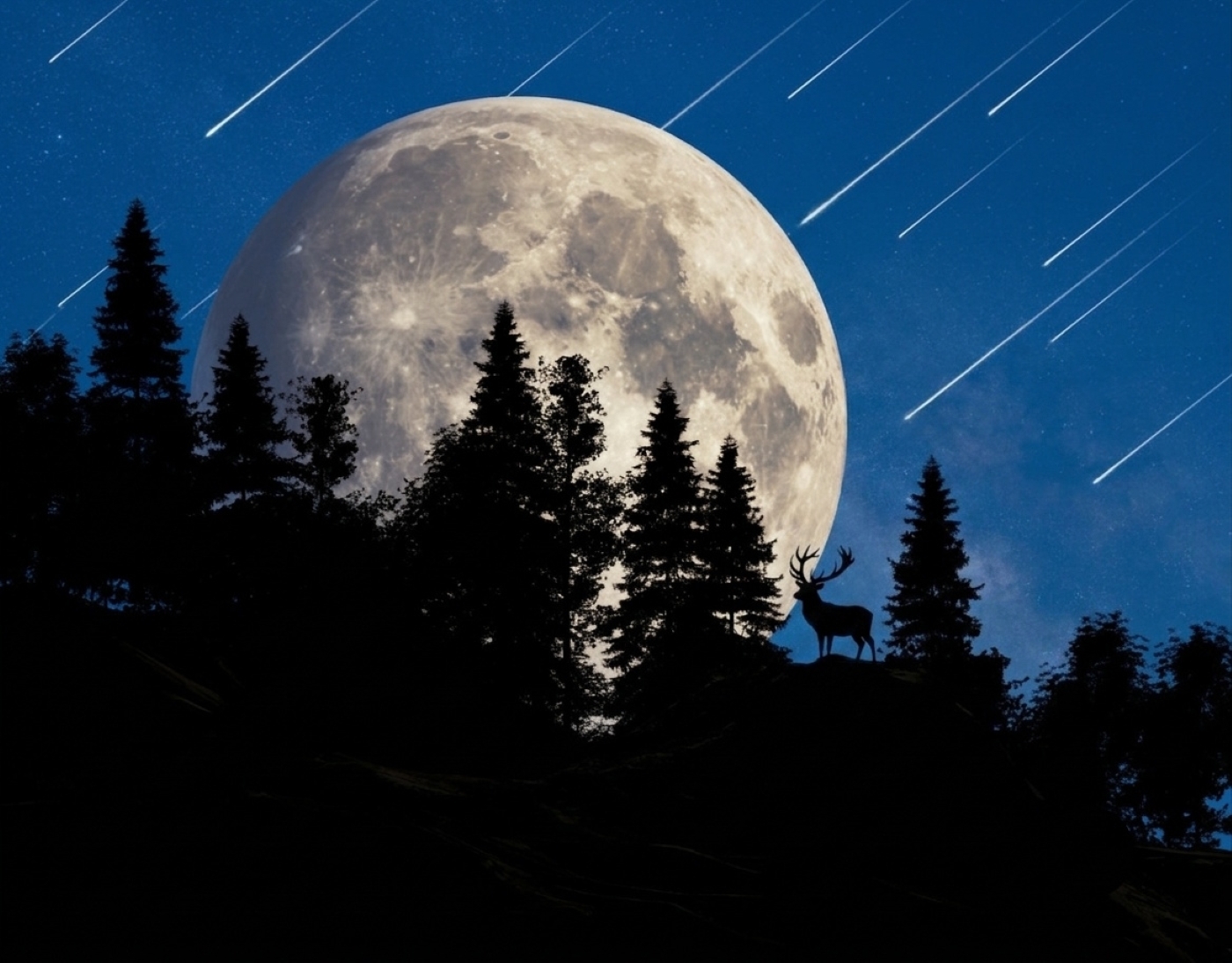
The famous Perseids, meanwhile, are only beginning to gain momentum. Their peak is expected in August, so the July full moon will not prevent observers from enjoying one of the most spectacular meteor showers of the year.
In addition, this full moon has a special historical context: it occurs nine days after another anniversary of the legendary Apollo 11 mission, during which Neil Armstrong took the first historic step onto the lunar surface on July 20, 1969.
The lunar cycle lasts approximately 29.5 days. The exact peak of this year’s Buck Moon will occur on Wednesday, July 29, at 5:36 p.m. Kyiv time. However, the perfectly round lunar disk will remain visible for another day or two before and after the peak.
Why Is the July Full Moon Called the Buck Moon?
The tradition of naming full moons—such as April’s Pink Moon or June’s Strawberry Moon—originated among Native American peoples and early settlers. They used these names as a kind of natural calendar for tracking the changing seasons.
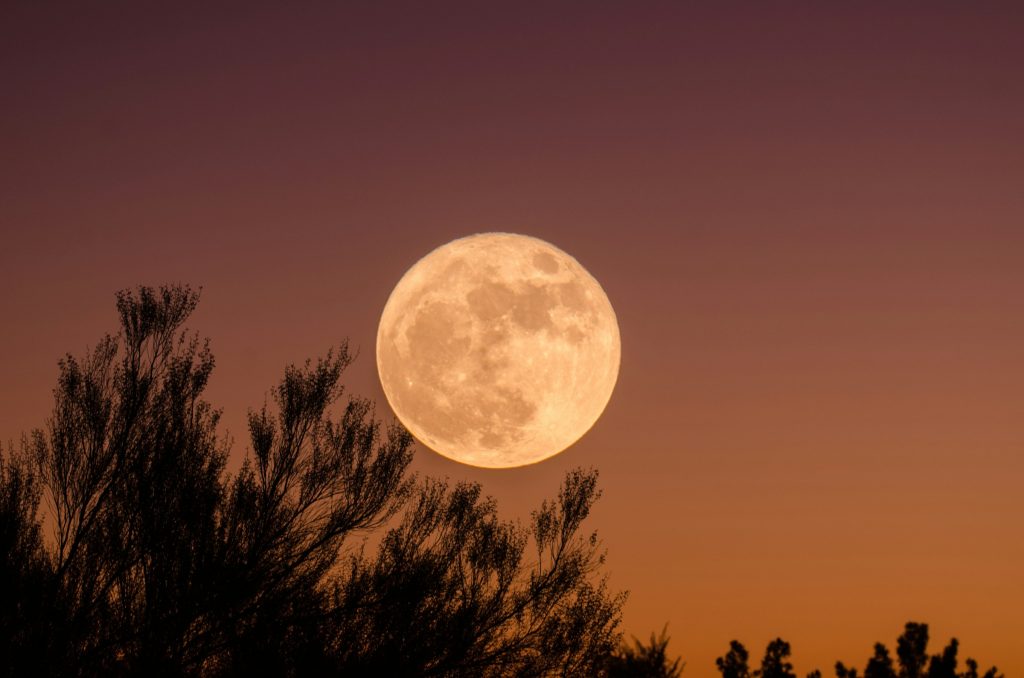
The July full moon became known as the Buck Moon because of the biological rhythms of deer. It is in the middle of summer that male deer experience the most active period of antler growth. According to biologists, their antlers may grow by a record five centimeters per week during this period.
The antlers begin growing in spring, preparing the males for the mating season, and are naturally shed at the end of winter.
Depending on the region, climate, and culture, this full moon has also had other poetic names. These include the Thunder Moon, Midsummer Moon, Hay Moon, Raspberry Moon, and Salmon Moon.
Full Moon Calendar through the End of 2026
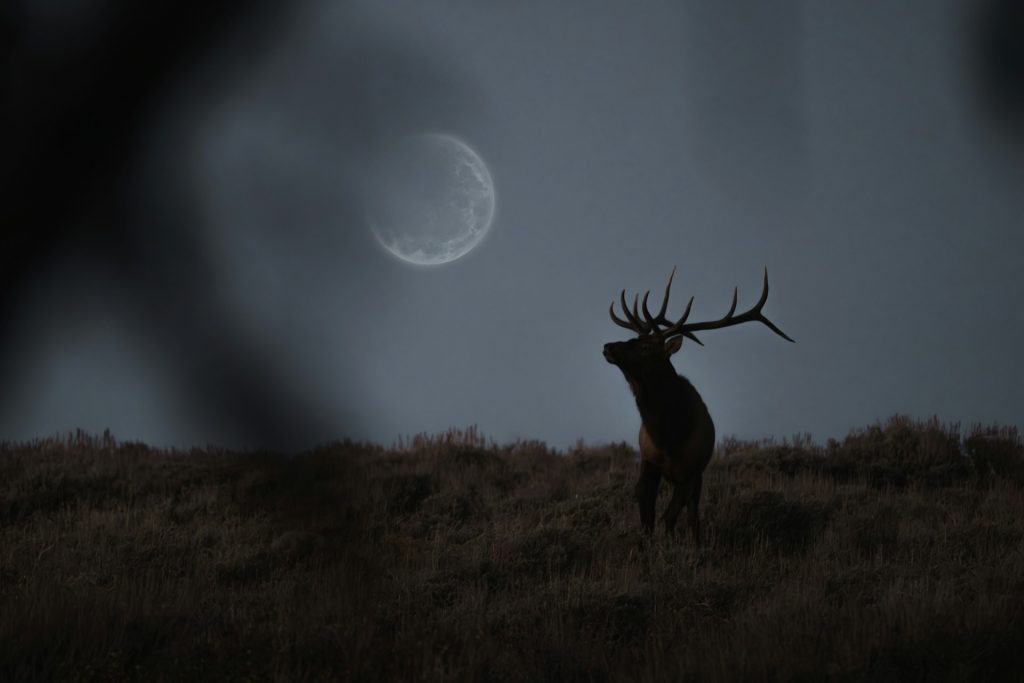
For those who enjoy observing the Moon, autumn and winter will offer many interesting events. According to astronomical almanacs, the schedule of upcoming full moons is as follows:
- August 28 — Sturgeon Moon, accompanied by a partial lunar eclipse;
- September 26 — Harvest Moon;
- October 26 — Hunter’s Moon;
- November 24 — Beaver Moon, which will also be a bright supermoon;
- December 23 — Cold Moon, another winter supermoon.
Earlier, we reported on June’s Strawberry Moon.
According to USA Today
