

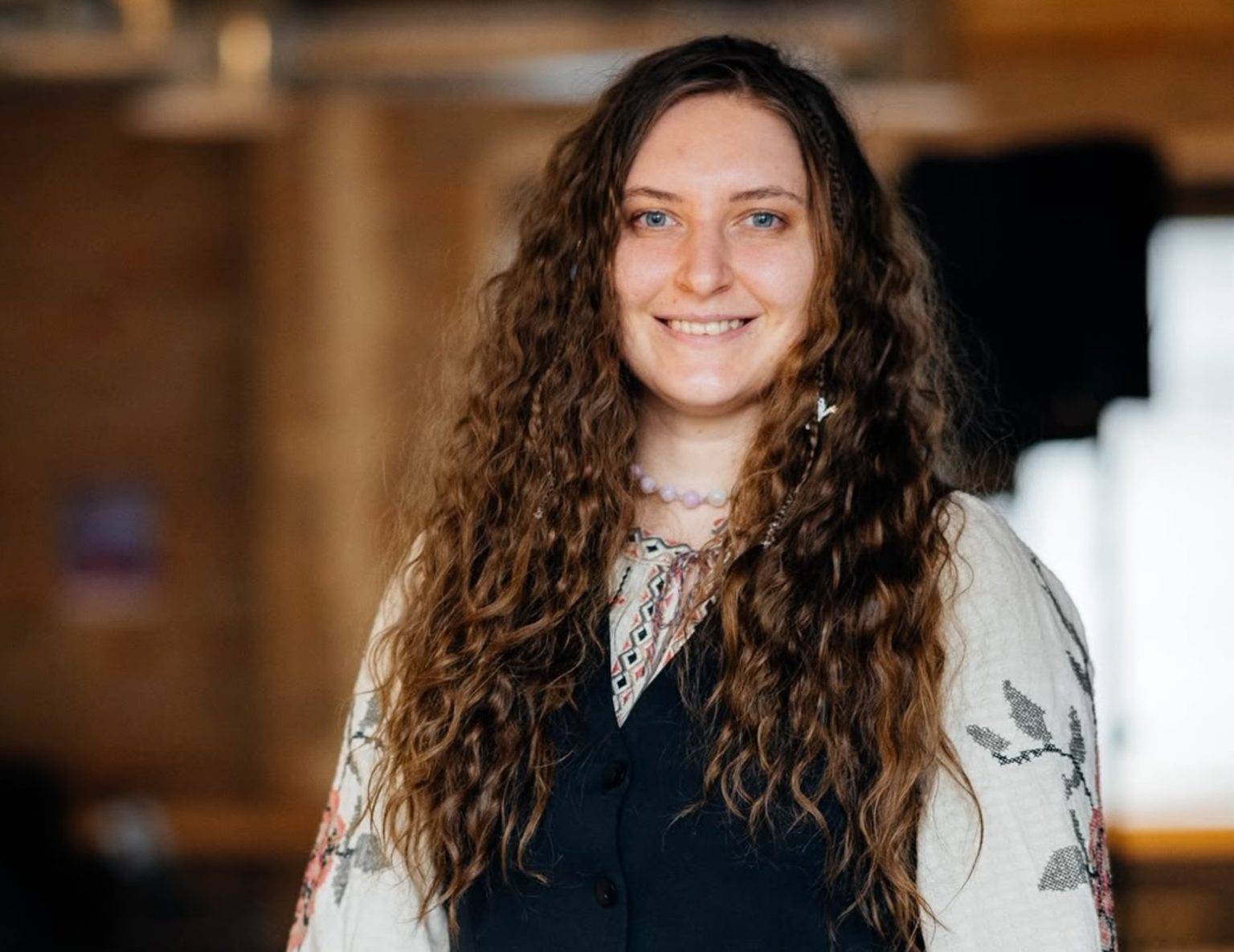
Olena Kompaniets is an astrophysicist and a junior research associate within the Department of Extragalactic Astronomy and Astroinformatics at the Main Astronomical Observatory of the National Academy of Sciences of Ukraine. She presides as the chair of the Council of Young Scientists at the Main Astronomical Observatory of the National Academy of Sciences of Ukraine, serves as the educational coordinator for the “Science Kids” popular science lecture series aimed at children and teenagers, organized by the INSCIENCE public organization, and co-chairs the organizing committee of the All-Ukrainian Astro School held at the Main Astronomical Observatory of the National Academy of Sciences of Ukraine.
Olena conducts research on isolated galaxies with active nuclei and the evolution of galaxies within the universe. Presently, Olena’s team is examining, among other topics, the potential tidal disruption of a star by a supermassive black hole in one of these systems.
We are discussing how artificial intelligence is transforming the daily responsibilities of a female scientist, examining the boundaries of trust in neural networks, and emphasizing the significance of young individuals for the future of Ukrainian science.
Olena, artificial intelligence is employed extensively in various fields nowadays. Could you please elaborate on how you incorporate it into your daily work?
I possess a paid subscription to ChatGPT and am contemplating whether to acquire a similar service for Claude. The primary usage involves searching for academic literature. It features a dedicated tool called Deep Research: simply enter relevant keywords, and it retrieves the most pertinent articles related to the specified topic. Previously, I conducted these searches manually via Google.
It also significantly facilitates our management of bureaucratic processes. Our research articles are authored in English and formatted using Overleaf, a LaTeX-based typesetting system. We compile our annual and grant reports in Microsoft Word. Manually converting content from LaTeX is labor-intensive and complex, given its unique syntax and commands for indexes, images, equations, and other elements. Therefore, we simply provide the article text and request the AI to convert it into Word format.
Recently, my research advisor requested that I inform the students about our latest publication. I was taken aback, but ChatGPT created a very effective presentation based on the article. There is no requirement to manually copy, paste, or translate the text. I request that it generate the file in PPTX format, then access Google Drive to make any necessary modifications.
However, there was also an amusing incident that served as a reminder: trust, but verify. One day, I was preparing the title slide for a presentation at the academic council, where we were reporting on topics related to youth. I uploaded the text and requested the AI to generate an appropriate illustration. The title concluded with the words “space and ground-based telescopes.” However, the model inaccurately combined the words, resulting in the phrase “telescopes of asses.” Fortunately, we identified the error in a timely manner. Therefore, when working with AI, it is imperative to carefully review its outputs. Remember: artificial intelligence is prone to errors — and it indeed makes mistakes.
Apart from auxiliary tasks, in what ways do you utilize ChatGPT for your research purposes?
During my college years, Python was not part of our curriculum. However, it has now become ubiquitous. For those seeking careers in science, proficiency in programming is essential — ranging from generating graphs from data tables to conducting advanced numerical simulations. In the absence of ChatGPT, my progress would have been significantly hindered.
Should I wish to generate a graph from my dataset, it is unnecessary to manually consult manuals to determine the appropriate function, import statements, or methods for opening files in various formats such as CSV, TXT, or FITS. Instead, I need only accurately define the task for ChatGPT, supply comprehensive details within the prompt, and request that it produce the Python code.
There are two alternatives available: either execute the process locally — necessitating that you request him to specify the libraries to be installed — or, if the task does not demand substantial computational resources, utilize Google Colab. The latter is highly convenient, as it eliminates the need for local installations.
Therefore, I avoid expending time on what my friends refer to as a “monkey job.” It consists solely of information from public documentation and repositories; ChatGPT simply locates it more swiftly.
What about research?
We are currently investigating a compelling case. My friend, Inna Izviekova, has identified an object where we may be witnessing the aftermath of a previously quiescent supermassive black hole experiencing a sudden flare. In at least one wavelength band, there was no detectable activity initially, followed by a pronounced flare. According to theoretical models, the expected light curves could resemble those of a supernova explosion at a galactic core or flares resulting from inhomogeneities within the accretion disk. However, the sole explanation consistent with our observations was that a supermassive black hole had disrupted a star, producing a corresponding flare of activity as a consequence of this event.
ChatGPT has facilitated a more efficient analysis of scientific publications, given the extensive volume across various disciplines. We requested it to generate a list resembling our observed data. Subsequently, we utilized analytical and theoretical models from physics and mathematics to estimate the energy release during stellar destruction and the corresponding mass associated with the observed energy. We possess the mathematical framework for an initial approximation, which must then be translated into computer code. This is where the tool proves particularly valuable, as you provide the mathematical foundation and instruct it to implement the models in Python.
The primary point to consider is that we are not observing the accretion disk directly; rather, we are detecting radiation that has already traversed the dust component. Our vantage point provides a perspective that enables us to observe precisely this dust component. Initially, it was essential to simulate the destruction process itself. Subsequently, the energy released during accretion was employed as input data. Given that all these quantities are subject to temporal variation, they were utilized to model the response of the dust component: how it absorbs radiation, re-emits it, and the resulting observations under various scenarios. Consideration of numerous such scenarios was imperative.
This is where the subject becomes particularly intriguing. When coding to model a physical process, ChatGPT may sometimes incorporate incorrect logic. Occasionally, it proposes a suggestion which I counter by stating: Nobody implements it in that manner; it is far more appropriate to employ various curves that accurately depict the process of a star’s destruction based on comprehensive hydrodynamic simulations, rather than merely indicating a direction towards the sky. Upon understanding this, it responds appropriately.
For instance, historically, to classify galaxies according to activity type, I would access the Sloan Digital Sky Survey (SDSS) database, input the coordinates, locate the galaxy, access the spectral-line table, and identify the fluxes of four specific spectral lines. Subsequently, I would perform calculations using Excel. Prior to this, calculations were often conducted with calculators. This process was repeated for each galaxy individually.
Currently, I have a script implemented in Google Colab that loads a dataset comprising coordinates and redshifts, regardless of the number of galaxies involved. The system automatically queries the database to retrieve the relevant data entries, performs ratio calculations, and generates a graph illustrating the classified objects. This classification process — whether identifying active galactic nuclei, star formation, or a combination thereof — can be completed within an hour, regardless of whether it encompasses five or a thousand galaxies.
To develop this code, I initially needed to elucidate the entire process to ChatGPT, including the locations it should examine, the designation of the column corresponding to a particular spectral line, and the precise column to target. Prior to this explanation, it was generating nonsensical output. Additionally, I supplied it with a scientific article and clarified that one equation was to be employed for classifying the active nucleus of a galaxy, whilst another was intended for assessing star formation. Only after these clarifications could it, although not immediately, produce functional code. What is noteworthy is that ChatGPT demonstrates adaptability to its user. Consequently, having explained substantial information to it alongside my colleague, it has transformed into a sort of personal assistant, thereby assisting us in expediting various routine tasks.
Are errors still being made? How do you monitor this?
When initiating coding to model a physical process or conduct data analysis, the output may initially appear nonsensical. It is essential to have a clear understanding, simply by examining the code, of the formula it has generated and the underlying concept upon which it is based.
I request that he first guide me through his procedures step by step, and subsequently send me the code. However, this step-by-step outline does not always correspond with the code as well. Nonetheless, it is more convenient for me because I lack programming skills myself. I prefer not to invest time in learning programming at this moment, as I can currently utilize ChatGPT for my tasks. Alternatively, I may consider using Claude; we shall observe whether it proves more effective at coding. Nevertheless, this does not imply that it performs all tasks independently. You must retain complete oversight of the entire process at each stage.
Even when I send it a request and inquire, “Here’s this galaxy; now — same idea, but just change this part,” it may assure me that it has only modified what I requested and has not altered anything else. However, it often turns out that changes have been made. Consequently, every response must be thoroughly reviewed.
What additional insights have you gained from collaborating with AI?
I began experimenting with ChatGPT approximately one year ago, I believe. However, I have observed an intriguing aspect of my own experience. Engaging with it inevitably leads to learning programming skills. One must scrutinize the function. It is essential to understand how exponentiation, logarithms, and various mathematical operations are represented in Python. Additionally, it is necessary to comprehend how to formulate queries for writing to or reading from a file or a database. All of these skills are acquired concurrently.
I am unsure whether it is possible to manipulate it in such a manner that comprehension becomes entirely unattainable. It is imperative that we perform a thorough verification. Failure to do so may result in the emergence of extremely confusing content that would obscure its origins.
I appreciated the analogy presented by my classmate Daria Dobrycheva, who remarked that our previous method involved reading books to obtain information, which was subsequently supplanted by the advent of the Internet. We now utilize Google for our searches, and there exist specific techniques or “life hacks” for optimizing these searches to locate desired information. Given the exponential increase in available information, we are increasingly turning to neural networks as a means of searching more effectively.
When discussing programming with ChatGPT, it does not generate code entirely from the beginning. There exists a vast array of Python libraries available for astrophysicists. The process involves assembling existing components rather than creating new functions. The system searches through libraries and databases; it does not invent new functions. It utilizes functions and methods that have been previously written, merely retrieving them more efficiently.
It is important to remember that only content devoid of confidential information should be uploaded. As the operational mechanisms of this model are not fully understood, it is prudent to prioritize security considerations.
Could you please provide your evaluation of the various research tools? Specifically, do ChatGPT and Perplexity, for example, cite different sources?
I conducted an experiment involving two identical prompts concerning axolotl regeneration and its potential adaptation to humans. ChatGPT furnished several points, each supported by a link to a scientific publication where the particular claim was tested, verified, or refuted. Conversely, Perplexity simply returned arbitrary web resources, including russian ones. Upon examination, these links did not lead to the original sources. This indicates that someone could falsely claim: “Breaking news! Thanks to axolotl research, we’ve learned how to grow a second head on a human,” and Perplexity would simply endorse such misinformation.
This is the reason why it remains crucial for individuals to possess the skills necessary to work with information sources. It is essential to be able to verify the origin of the information and ascertain its accuracy.
These days, many students use AI to write term papers, and some even use it for their theses. How might this affect the training of future researchers?
As the saying goes, at times, the elementary school students with whom I work may resort to dishonest practices. Numerous tools, if employed without careful consideration, can cause detrimental effects. Accepting everything he states at face value and believing that he can compose an original work entirely independently presents a potential risk to societal well-being. Such circumstances could lead to a situation akin to the movie ‘Idiocracy.’
I frequently organize popular science events across different regions and observe that many individuals believe that if ChatGPT provides information, it must be accurate. Moreover, there have been reports of fatalities resulting from its use as a substitute for medical professionals.
A university education primarily instructs individuals in thinking and analytical skills. I appreciate the way our professors would often mention that much of what is being learned currently may not be directly applicable in one’s professional life. For instance, I do not utilize the theory of functions of a complex variable in my daily routine or professional responsibilities. However, during the process of studying and problem-solving, neural connections are cultivated within the brain. The capacity to think critically, analyze, and assess information is vital in all contexts — to discriminate between trivial propaganda and credible information that requires a response.
For instance, I would find it inappropriate to consult a doctor who endorsed a thesis composed entirely by ChatGPT.
However, if students refrain from utilizing language models entirely, they might not be adequately prepared for the challenges of the contemporary world.
Yes, that is accurate — we should avoid extreme measures in this context. This tool will be utilized by all of us in some capacity. I believe that within a few years, it will entirely supplant manual internet searches. Students may employ it for their studies. You can upload an article and request, “I do not understand — please explain,” and it will provide an explanation. Additionally, it can assist with translating from English to Ukrainian or with various tasks related to formatting and syntax verification.
It is a tool, and its effectiveness is contingent upon its utilization. Similar to a knife, it can be employed to cut bread or cause injury if mishandled. It is indispensable in our work and is increasingly integrated into our daily lives. However, it is crucial that research papers and term papers are not solely produced by artificial intelligence, but rather reflect the student’s own effort.
If we utilize it as a tool to assist with automation, that is acceptable. However, it is imperative that it does not lead to a scenario where individuals remain passive, merely observing while the system performs all tasks for them.
You serve as the educational coordinator for the Science Kids lecture series conducted by INSCIENCE, a publicly funded organization dedicated to educating children about science. May I inquire whether you utilize artificial intelligence in the preparation of the educational materials?
In the context of scientific work, this may include visualizations from publications or photographs of a galaxy, a cell, or an animal — essentially, a depiction of a genuine object. When such photographs are available, we kindly request that instructors prioritize real images. It is of the utmost importance to us to display an actual woodpecker, rather than one artificially generated by AI.
When discussing dinosaurs, paleontologists conduct studies to determine the appearance of specific species. These reconstructions are based on fossilized remains; they are grounded in scientific evidence and are not arbitrarily fabricated. When available, it is advisable to utilize images that are reconstructions derived from fossils, rather than those generated by artificial intelligence.
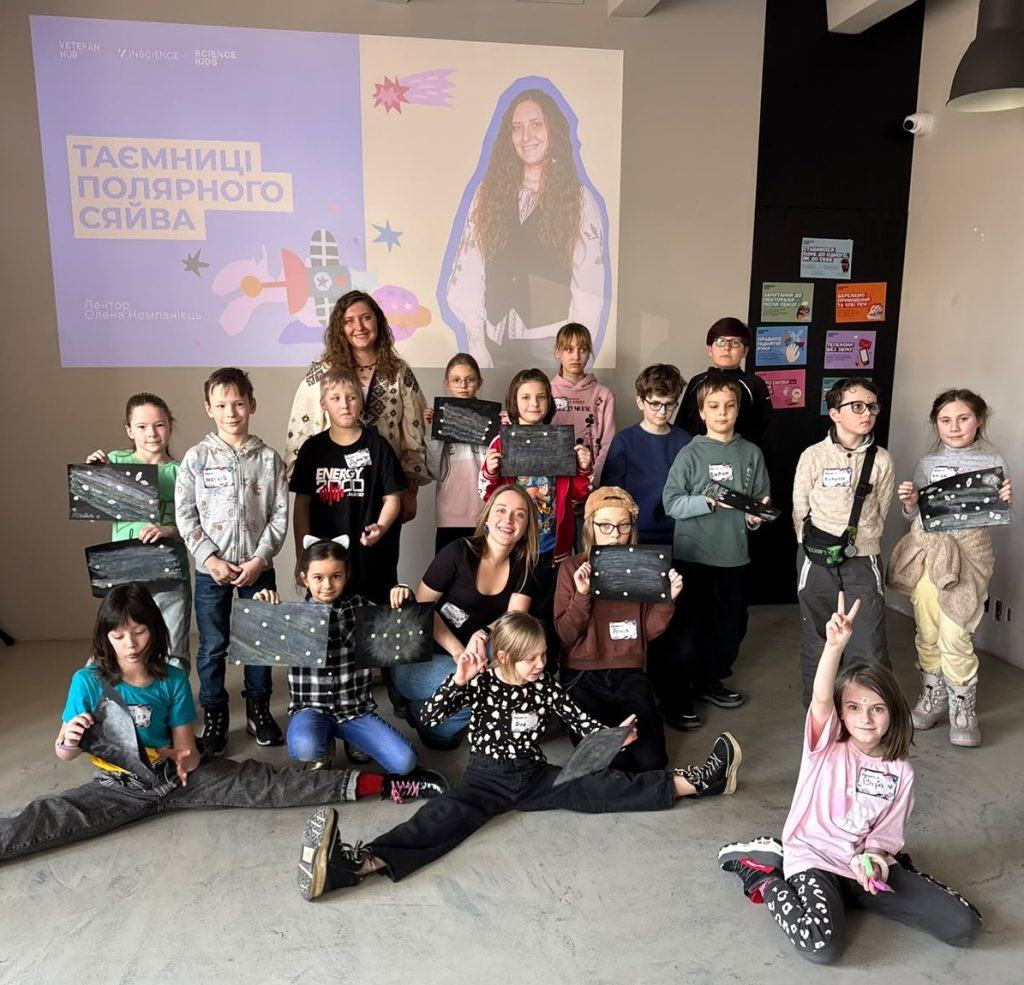
We operate an online lecture series and physical centers currently situated in Mykolaiv, Odesa, and Kharkiv, where weekly lectures are conducted with scientists for children. Furthermore, our centers in Kherson and Zaporizhzhia have recommenced operations; however, the lectures in these locations do not occur weekly. We routinely review the lecturers’ presentations and conduct rehearsals. Additionally, when an image is generated by artificial intelligence, the question invariably arises as to whether a real image or a scientific visualization could serve as an alternative.
There are instances where artificial intelligence provides assistance. If presenters include an illustration that is not of very high quality — particularly one in Ukrainian, given their relative scarcity — you may request that Gemini simply enhance the quality without making any other modifications. This process involves improving the image’s clarity. In such situations, it is proper to cite the source of the illustration and to note that the quality was enhanced using the appropriate tool. Additionally, it can be used to translate captions from English into Ukrainian. While it does not always function perfectly, it is worth attempting. In such cases, this is also indicated in the sources.
It is understood that numerous Ukrainian scientists are presently either engaged in military service or have emigrated from the country. To what extent can artificial intelligence partially compensate for this manpower shortage?
No, AI — at least for now — is not capable of replacing scientists. I cannot speak for the entire Ukrainian scientific community; however, I can provide insights based on my observations within our astronomy community. The primary issue is that very few young individuals are entering the scientific field, and the transfer of knowledge is not effective everywhere. We face the risk that certain areas of astrophysics could vanish entirely within a few years. A significant portion of our scientists is aged 70 or older, while the influx of young professionals remains limited. This challenge predates the conflict — specifically, prior to 2014 — and has persisted through the full-scale invasion, with its severity now exacerbated.
Some young individuals enlist in the military, while others pursue alternative career paths, and an increasing number of people are eschewing academia. Moreover, there are researchers who have served in the military since the onset of the full-scale invasion. We have a colleague from our department, Maksym Vasylenko (who is a year senior to me) — he has been engaged in military service since the commencement of the full-scale invasion.
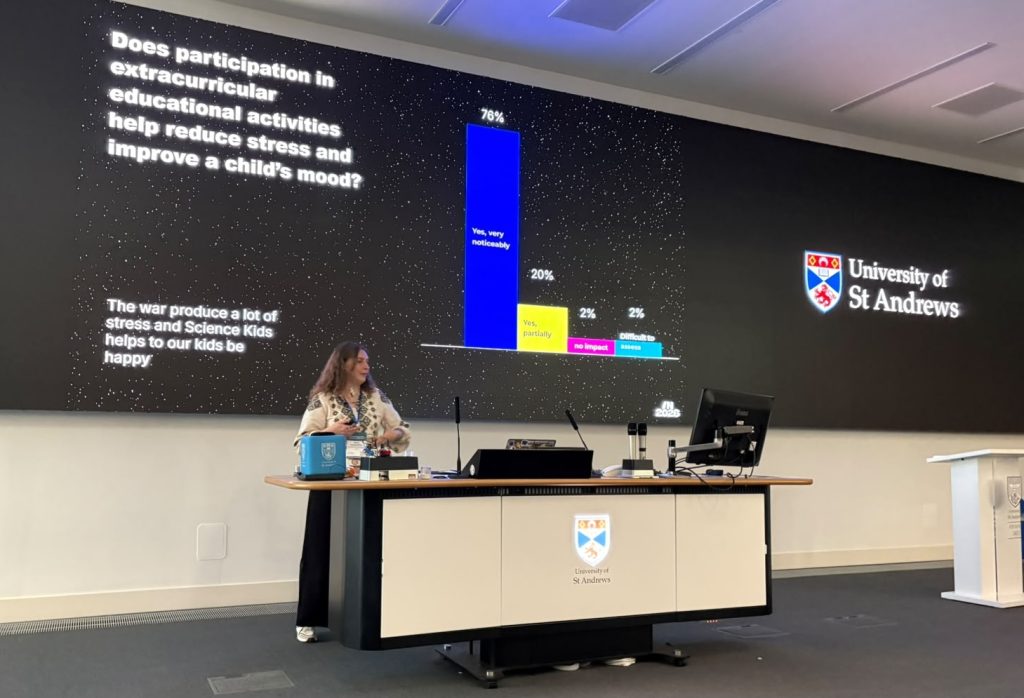
That is the reason for the establishment of the Astro School at the observatory in 2024. The purpose is to assemble students, impart theoretical knowledge concerning current developments in astrophysics, and elucidate our activities at the observatory. The venue is not publicly advertised; it is disclosed solely to registered participants. The organizing committee predominantly comprises staff members from our observatory, and most lecturers are also employees. When funding permits, we extend invitations to lecturers from other astronomical institutions. Our aspiration is that this initiative will enhance the number of young individuals pursuing careers in science after completing their college education.
To what extent does government funding influence this situation?
It indeed has an impact. Upon graduating from college, individuals are no longer permitted to reside in dormitories and must seek rental accommodations. Commencing employment at the observatory, it is often observed that even a full-time salary is insufficient to cover rent expenses, let alone the costs of sustenance and other necessities. Consequently, it is initially quite challenging; individuals typically need to balance this with some form of secondary employment.
Recently, we hosted evolutionary biologist Taras Oleksyk from Oakland University in Michigan as a speaker at Science Kids. He is a Ukrainian who has resided in the United States for an extended period. Mr. Oleksyk explained that the transitional phase following higher education exists not only in Ukraine but globally. During the early stages of a young scientist’s career, financial remuneration is typically modest. However, upon successfully navigating this phase, one begins to publish their research, defend their dissertation, and find the process becomes somewhat less challenging, as opportunities to apply for research grants increase. With multiple grants, researchers can often achieve a sustainable income. Although I have not yet defended my dissertation, I sincerely hope that my experience will align with this progression.
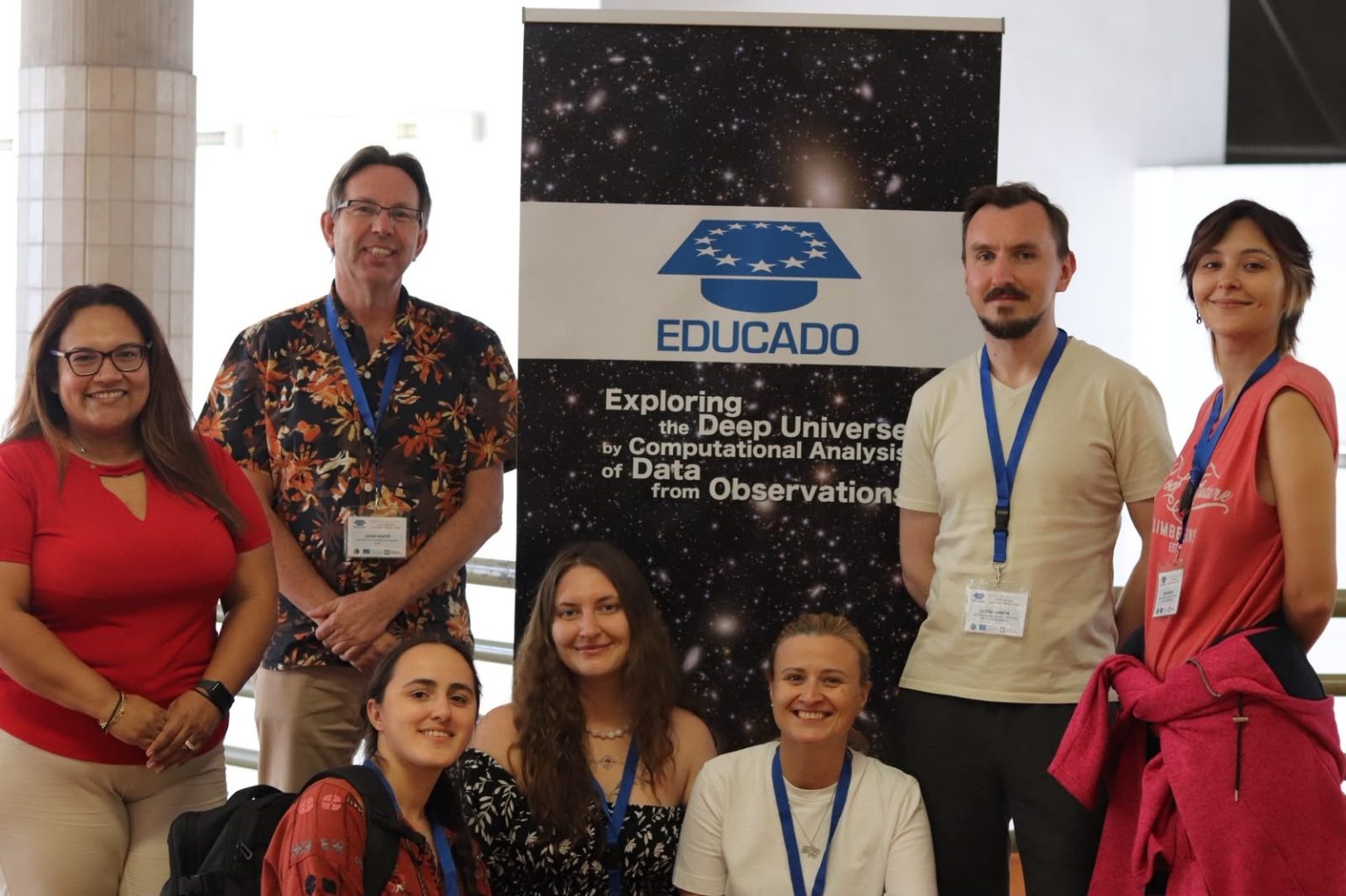
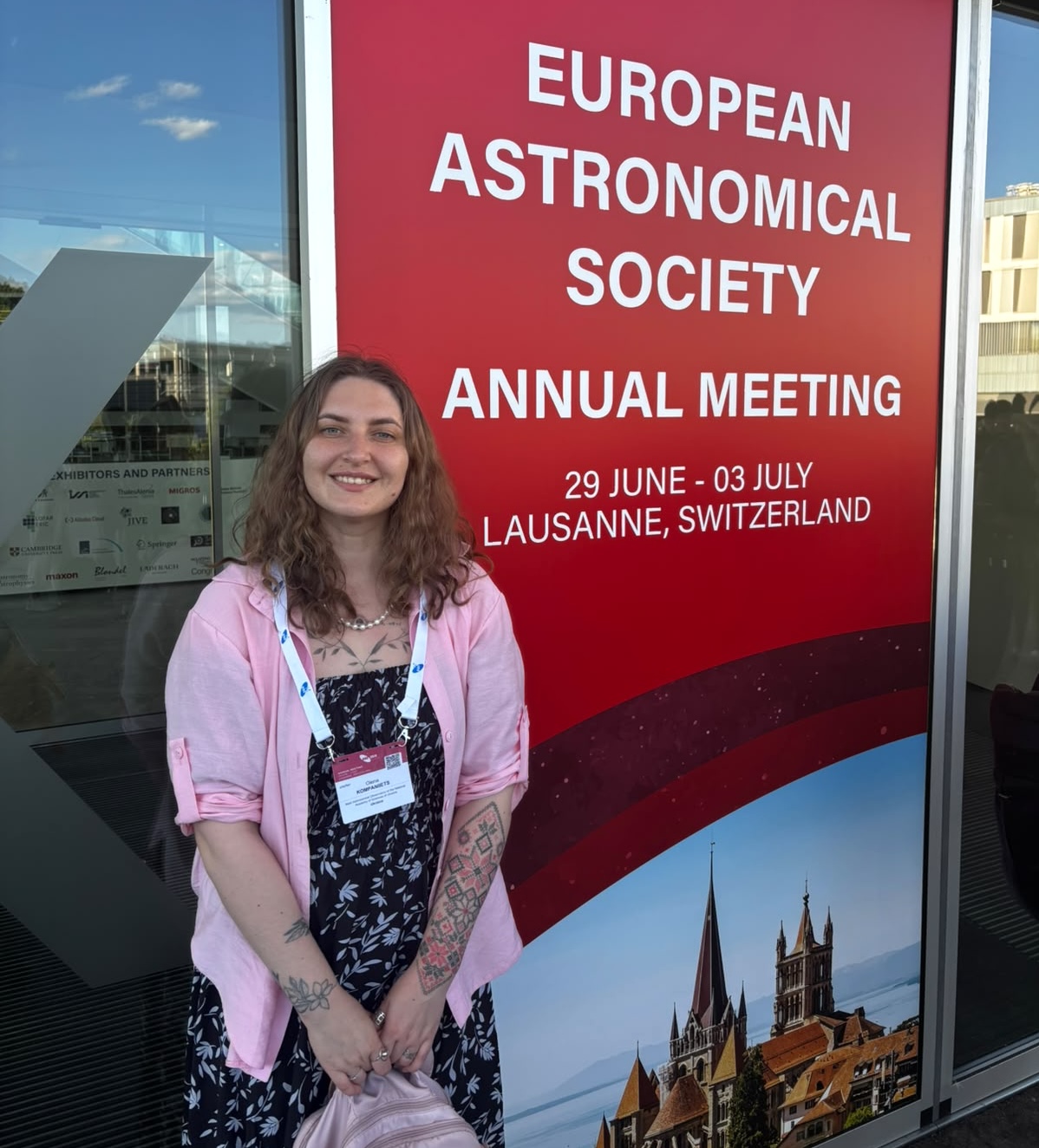
Medical professionals and researchers frequently encounter extensive travel commitments, particularly when their inaugural publications are released or when they have the opportunity to present at conferences. My colleagues and I have been awarded a Travel Grant to participate in the European Astronomical Society conference, one of the most prominent gatherings in Europe; this year, it will be hosted in Switzerland. We hope to efficiently complete the necessary administrative procedures with the Ministry of Education and Science and to secure approval for our colleagues’ travel expenses. Additionally, there will be a dedicated session concerning Ukraine and the preservation of astronomy within the country, making it crucial for our representatives to be present.
I also attended a cosmology course in Kraków, hosted by Jagiellonian University. There, I met some really amazing female professors, became interested in their work, and six months later went for an internship in Warsaw at the National Center for Nuclear Research. They were using a new methodology there that no one in Ukraine was working with at the time. I came back and started working on it. There are now scientific papers on the subject, and our student Olena Pastoven has already defended her master’s thesis in this field this year. Together with Daria Dobrycheva, I participated in a cosmology school at the University of Michigan. We applied for a Travel Grant, submitted our CVs and motivation letters, and received the grant. They covered all the expenses.
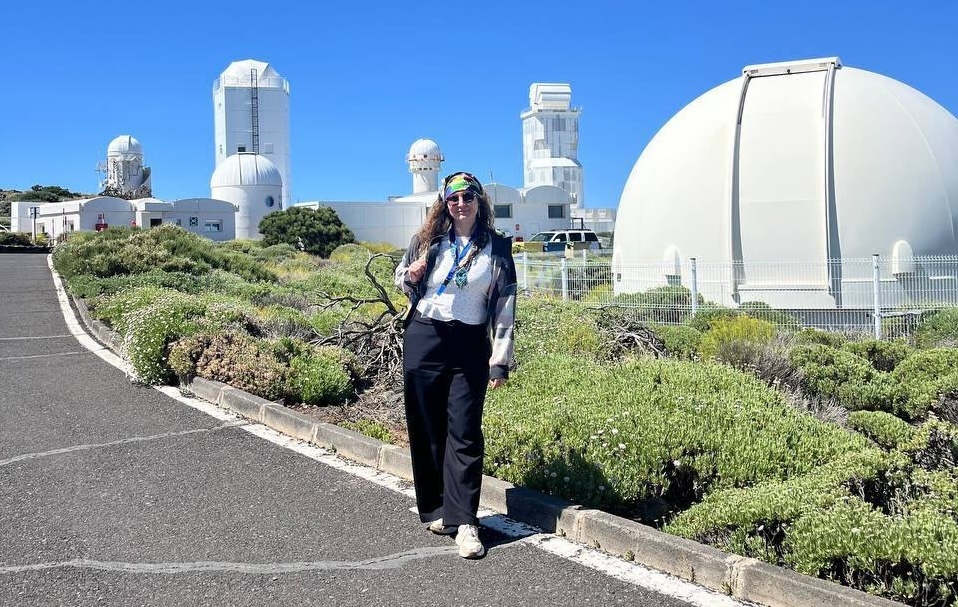
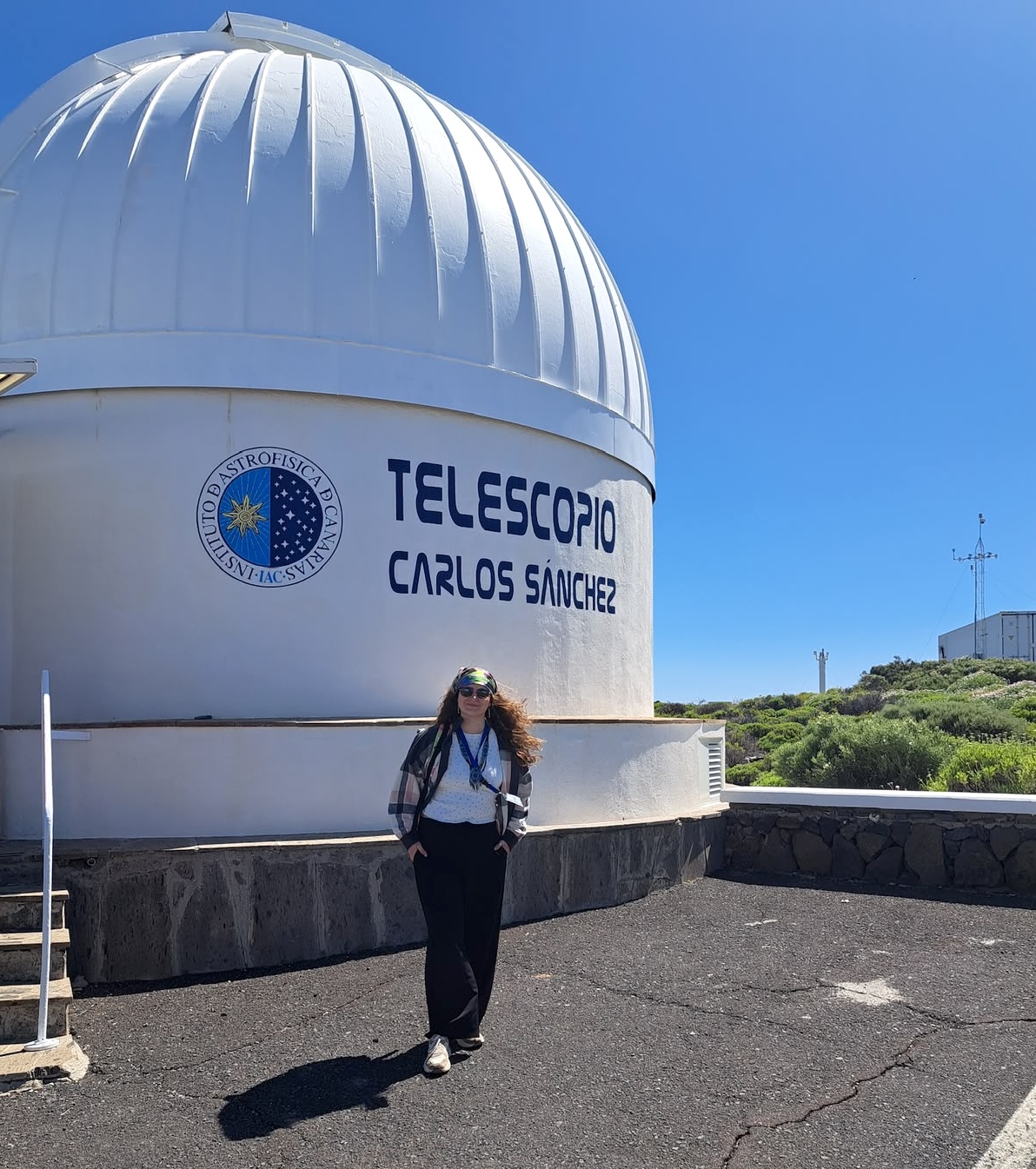
Last year, we undertook two business trips to Tenerife. To date, it remains the sole location where I have genuinely derived satisfaction from work. You are at the institute until 4:00 p.m., and merely thirty minutes thereafter, you may find yourself unwinding by the ocean.
I wish to express that traveling constitutes a distinctive benefit for young researchers.
What motivates you the most?
My husband is in the military; he is currently away on a mission and is not at home. To maintain my mental well-being, I remain actively engaged in various tasks. Together with my colleagues, we are producing numerous articles in succession. Engaging in the analysis of interesting research cases proves to be significantly more stimulating than simply translating my articles from English into Ukrainian and integrating them into my dissertation. Nevertheless, these tasks must be completed, and I am diligently doing so. However, my psychological well-being requires a greater sense of excitement derived from the research itself.
