

Charles Cockell serves as a Professor of Astrobiology at the University of Edinburgh and is the founder and Director of the UK Centre for Astrobiology. His previous affiliations include NASA Ames Research Center, the British Antarctic Survey, and the Open University. He holds the position of Senior Editor for the journal Astrobiology. Since February 2026, he has been instructing a course in astrobiology at Kyiv National University.

Charles investigates life under extreme conditions and evaluates the habitability of extraterrestrial environments. He directed the BioRock and BioAsteroid experiments aboard the International Space Station, wherein microorganisms extracted rare-earth elements from basalt, and a fungus liberated palladium and platinum from meteorite material.
Initially, we examined the potential of microbes as instruments for space exploration, including their capacity to endure the vacuum and radiation of space, as well as the necessity of a planet for sustaining life. Subsequently, we will analyze the risks associated with introducing terrestrial life to extraterrestrial bodies and the possibility of bringing extraterrestrial organisms to Earth, along with the ongoing debate surrounding the outcomes of the Viking missions and the ethical considerations of transporting life to other celestial bodies.
The very qualities that make microbes beneficial can also render them hazardous. What is meant by direct contamination?
Direct contamination refers to the concern that the introduction of microbes onto the surface of another planet could interfere with scientific experiments aimed at searching for extraterrestrial life. Such contamination may lead to the mistaken conclusion that extraterrestrial life has been discovered, whereas in reality, it may simply be life introduced from Earth. This apprehension was primarily the initial motivation behind concerns regarding direct contamination.
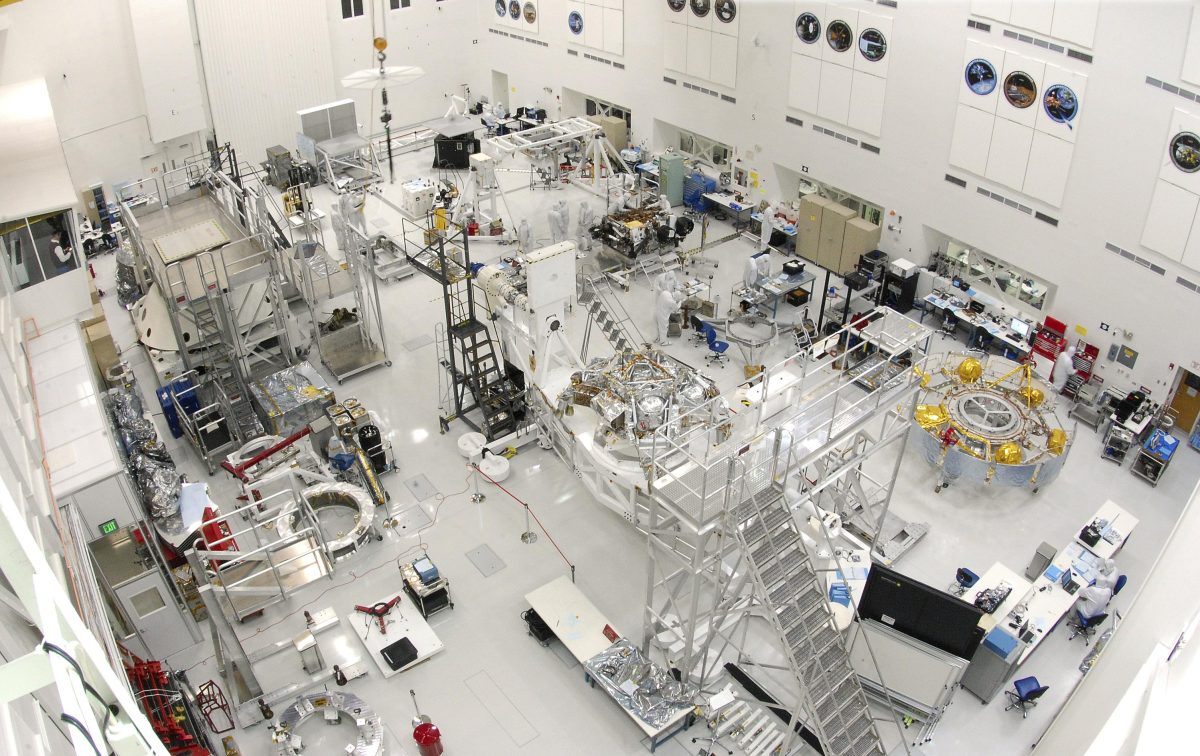
Today, an additional concern has been raised regarding this matter. If indigenous life exists on another planet — and I must emphasize that we have not yet detected such life; therefore, this remains purely speculative — could direct contamination potentially harm it? Could such contamination interfere with the native ecosystem? Consequently, professionals engaged in planetary protection are particularly concerned about the level of cleanliness that spacecraft must sustain to minimize the risk of contaminating planetary bodies, especially those that may be capable of supporting life.
What procedures are currently employed to prepare and sterilize spacecraft prior to their deployment to Mars or an icy Moon?
It is challenging to achieve complete sterilization of a spacecraft unless subjected to high-temperature sterilization, as was historically executed with the Viking landers in the 1970s. However, electronic technology in the 1970s was less complex than current systems, and it was then feasible to place a spacecraft in an oven and bake it for several hours to ensure sterilization. In contrast, the sensitive electronics used in contemporary spacecraft preclude such methods. Consequently, researchers are exploring alternative sterilization techniques — such as cold plasma or hydrogen peroxide — to effectively remove or eradicate microorganisms from spacecraft surfaces.
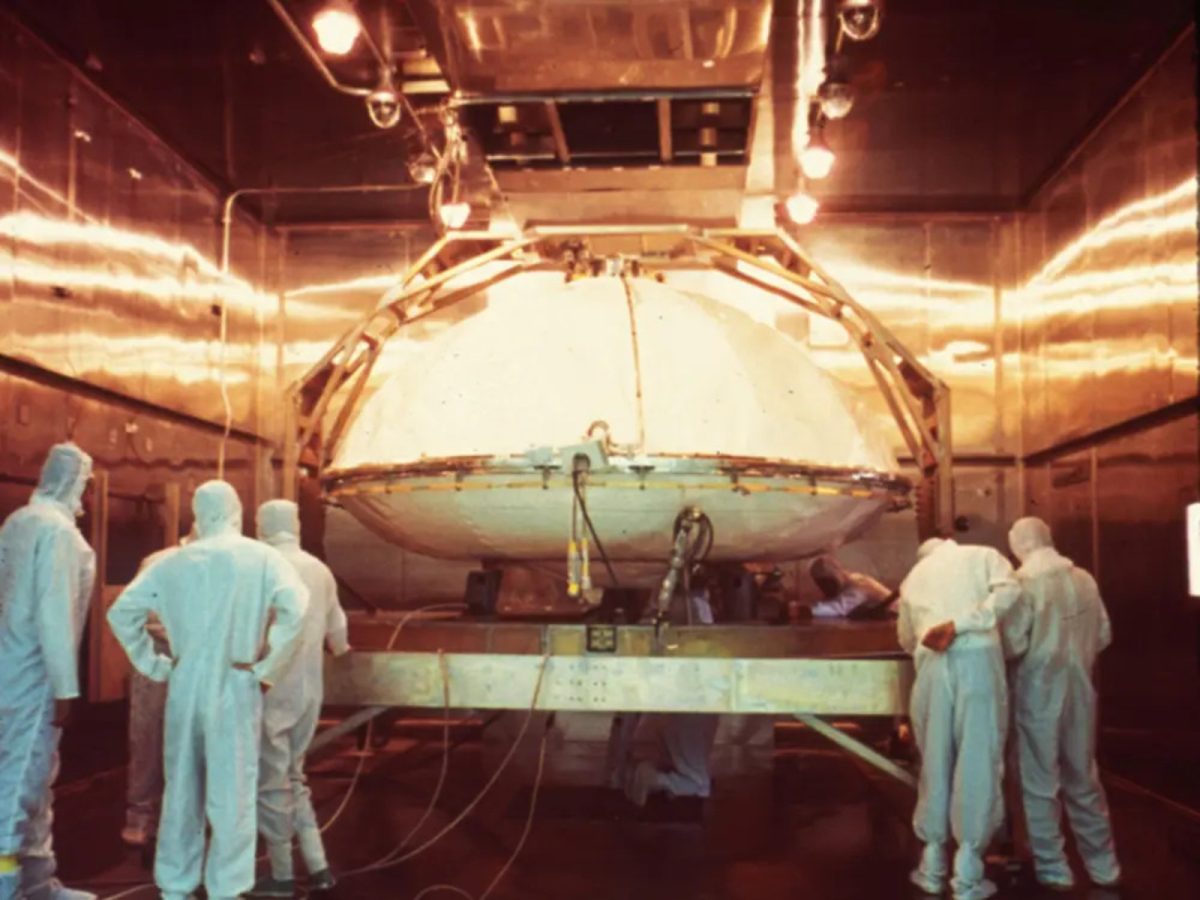
Sterilizing the device presents considerable challenges and incurs significant costs. Consequently, implementing comprehensive protective measures on a global scale becomes imperative. In essence, it is essential to ensure with absolute certainty that the device is sterilized prior to shipment, given that cleaning it thereafter would entail high expenses.
The pertinent inquiry concerns whether it is necessary to decontaminate all spacecraft dispatched to Mars. Presently, regulations established by COSPAR, the Committee on Space Research, mandate that spacecraft visiting designated regions must undergo decontamination or sterilization. These regions on Mars are identified as those where life could potentially exist. For such environments, stringent standards regarding cleanliness are enforced. This constitutes the fundamental principle of planetary protection.
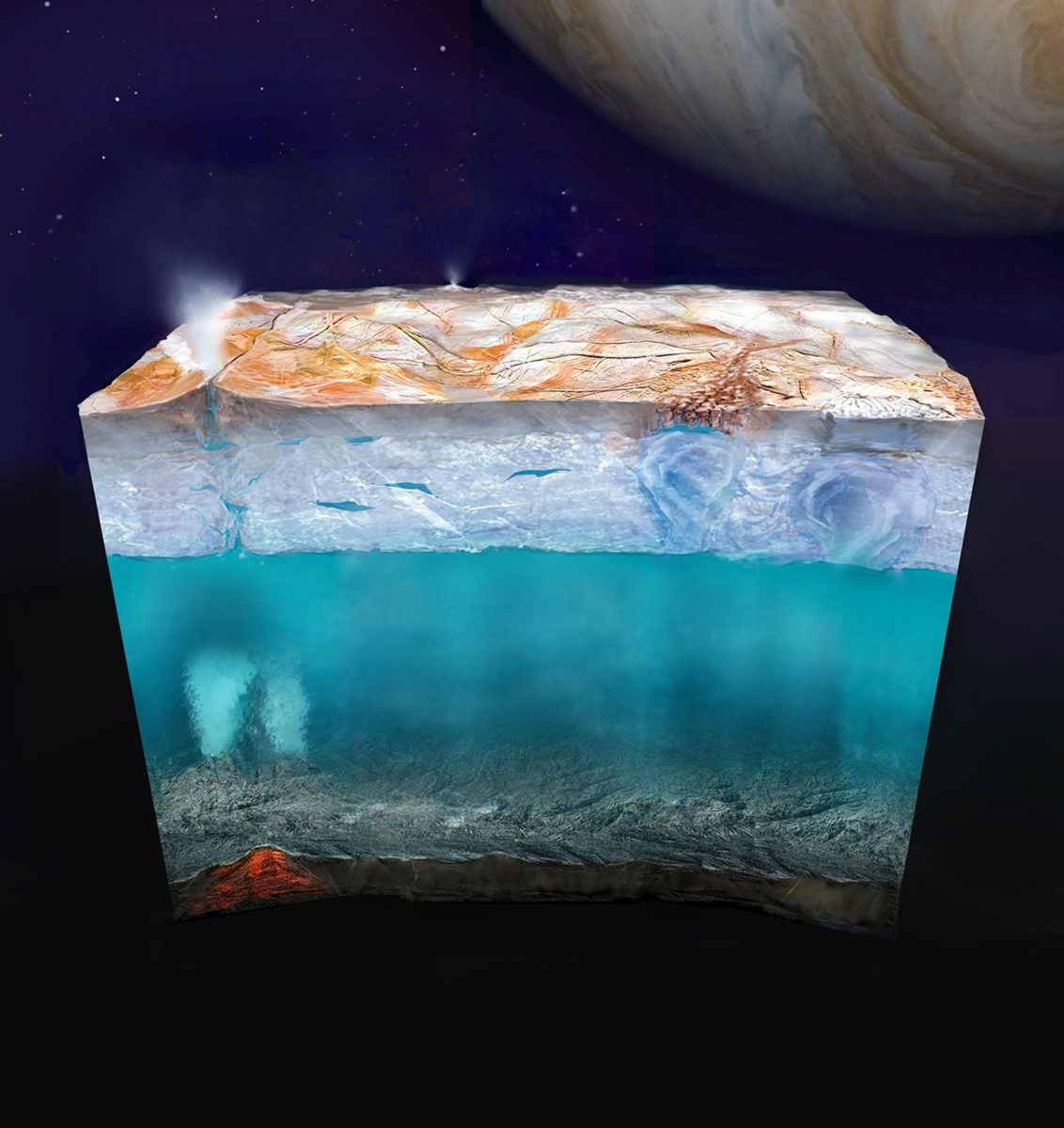
The question fundamentally concerns whether it is worthwhile to be concerned about this matter at all. My perspective is that if one were to introduce contaminants into the ocean of an icy moon — particularly one that envelops the entire celestial body — it would be prudent to avoid introducing any organisms capable of reproduction in that environment, as such action could result in widespread contamination of the entire ocean. Consequently, I comprehend the rationale behind the implementation of stringent regulations concerning spacecraft landings or endeavors to access extraterrestrial oceans.
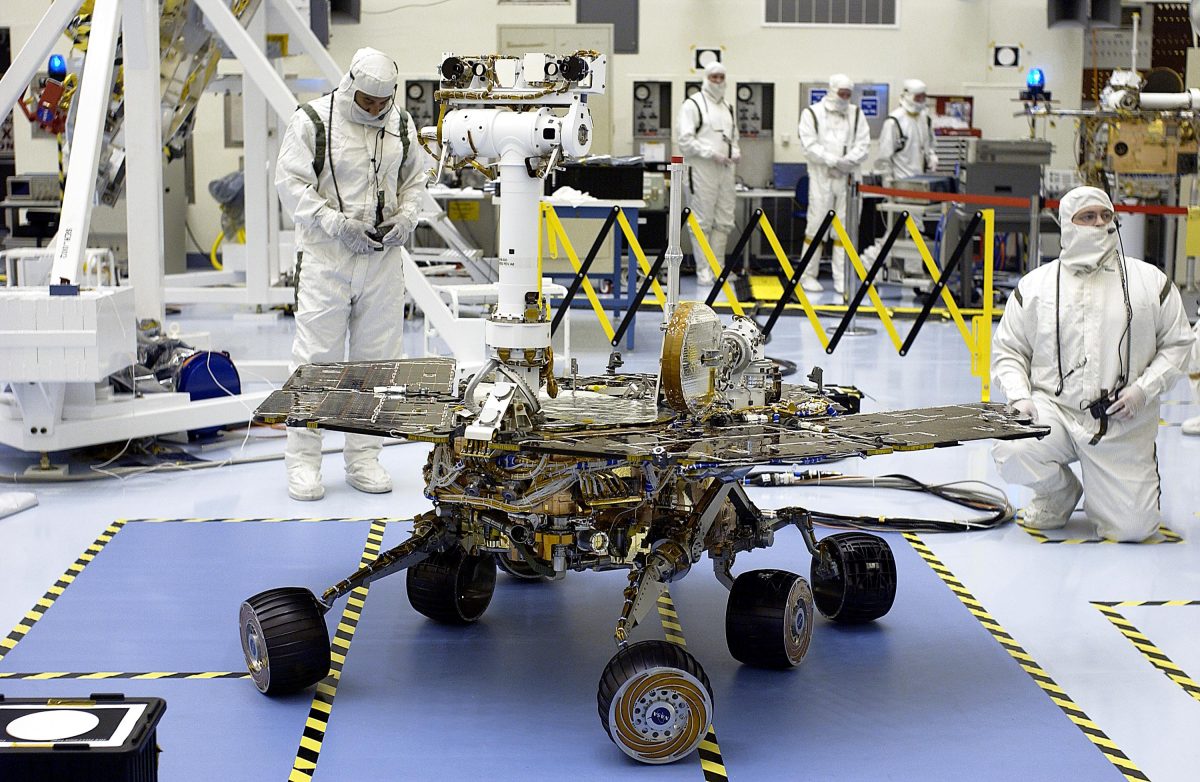
I am uncertain whether the same degree of regulation is necessary on Mars, where microorganisms are likely to remain confined to the local surface environment. They may not disperse extensively and will be exposed to radiation regardless. Therefore, numerous questions persist. Is direct contamination genuinely a concern? Is there even any life present that warrants concern? Additionally, to what extent must a spacecraft traveling to Mars be sterilized, if at all? I believe these issues remain unresolved.
Last year, twenty-six new species of bacteria residing in NASA’s clean rooms were identified. Does this discovery surprise you, or was it anticipated?
That is an intriguing question. It is my belief that in any environment, diligent efforts to discover novel bacterial species will likely yield positive results. If one were to collect a soil sample from the area behind your garden and conduct a systematic examination, with careful attention to the microorganisms present, it is probable that new species would be identified. Moreover, given that clean rooms have not been exhaustively studied, the discovery of new species in such settings is unsurprising. In fact, identifying twenty-six new species in such environments is quite feasible.
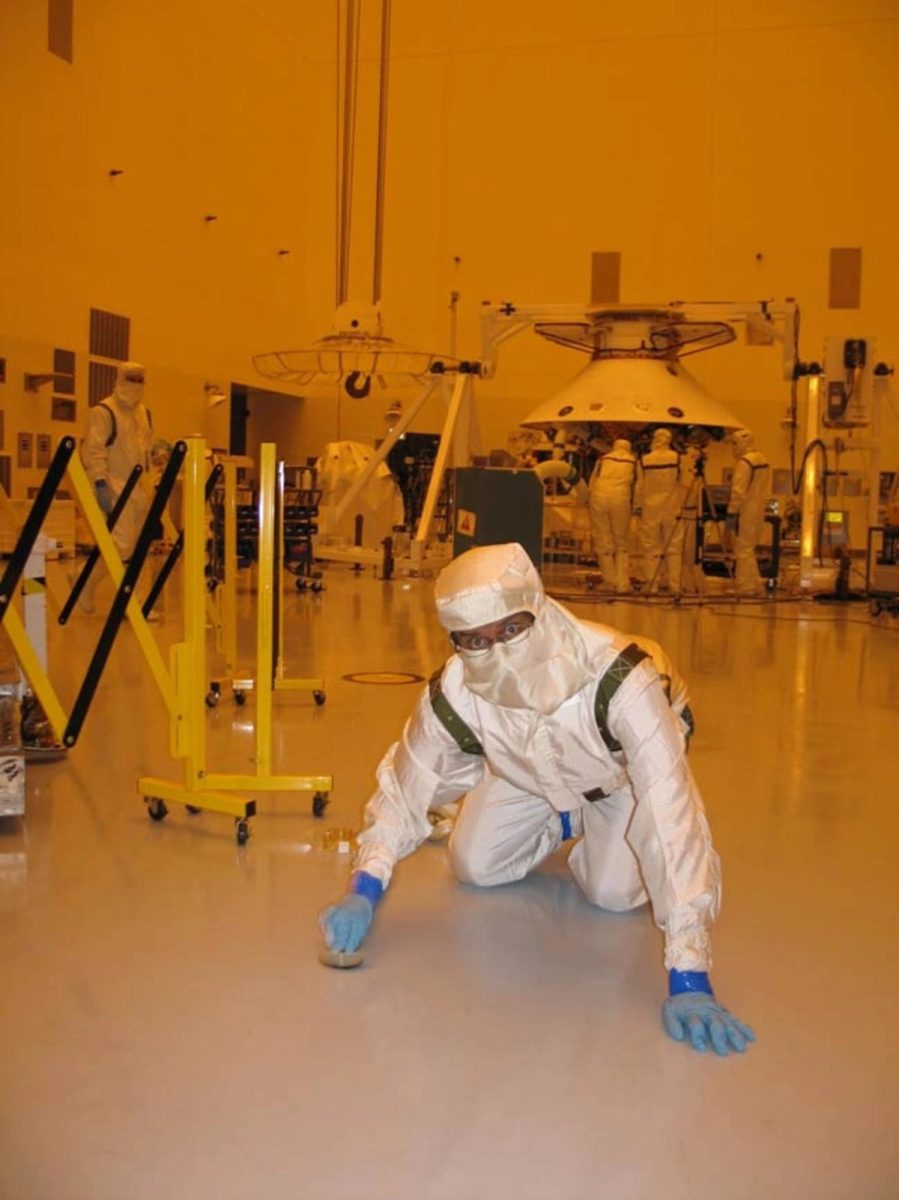
However, what is particularly compelling is an alternative aspect. Historically, no investigations have been conducted into the interior environments of spacecraft clean rooms; however, subsequent to this inquiry, our comprehension of the microbial inhabitants in these environments has significantly improved. Furthermore, some of these microbial species may serve as valuable model organisms for researchers studying survivability under Martian conditions. Consequently, while the outcome is not entirely unexpected, it is nonetheless noteworthy. This discovery establishes a novel repository of microorganisms that can be employed in scientific experiments.
You are discussing particular regions where the possibility of life evolving might exist. However, it remains uncertain whether such regions actually exist.
Indeed, our current knowledge is limited. To date, no definitive location on Mars has been identified that unquestionably supports the reproduction of life. While certain regions have been theorized as potential habitats, these remain speculative assumptions. We have yet to visit any such sites on Mars, nor have we demonstrated the existence of organisms capable of reproduction in those areas.
Please provide information regarding the Viking missions. Specifically, what objectives did they pursue, and what outcomes were ultimately achieved?
The Viking missions occurred in the 1970s, with the primary objective of detecting signs of active life within Martian soil. These missions involved collecting samples and performing a series of experiments on them. Nutrients were introduced to the soil to observe if any gases would be emitted. Radioactively labeled carbon dioxide was also added to evaluate whether photosynthesis would take place or if microbes would utilize this gas. To their astonishment, they detected, for instance, the release of oxygen. Additionally, they observed the absorption of the labeled carbon dioxide by the soil and its entrapment within the soil matrix.
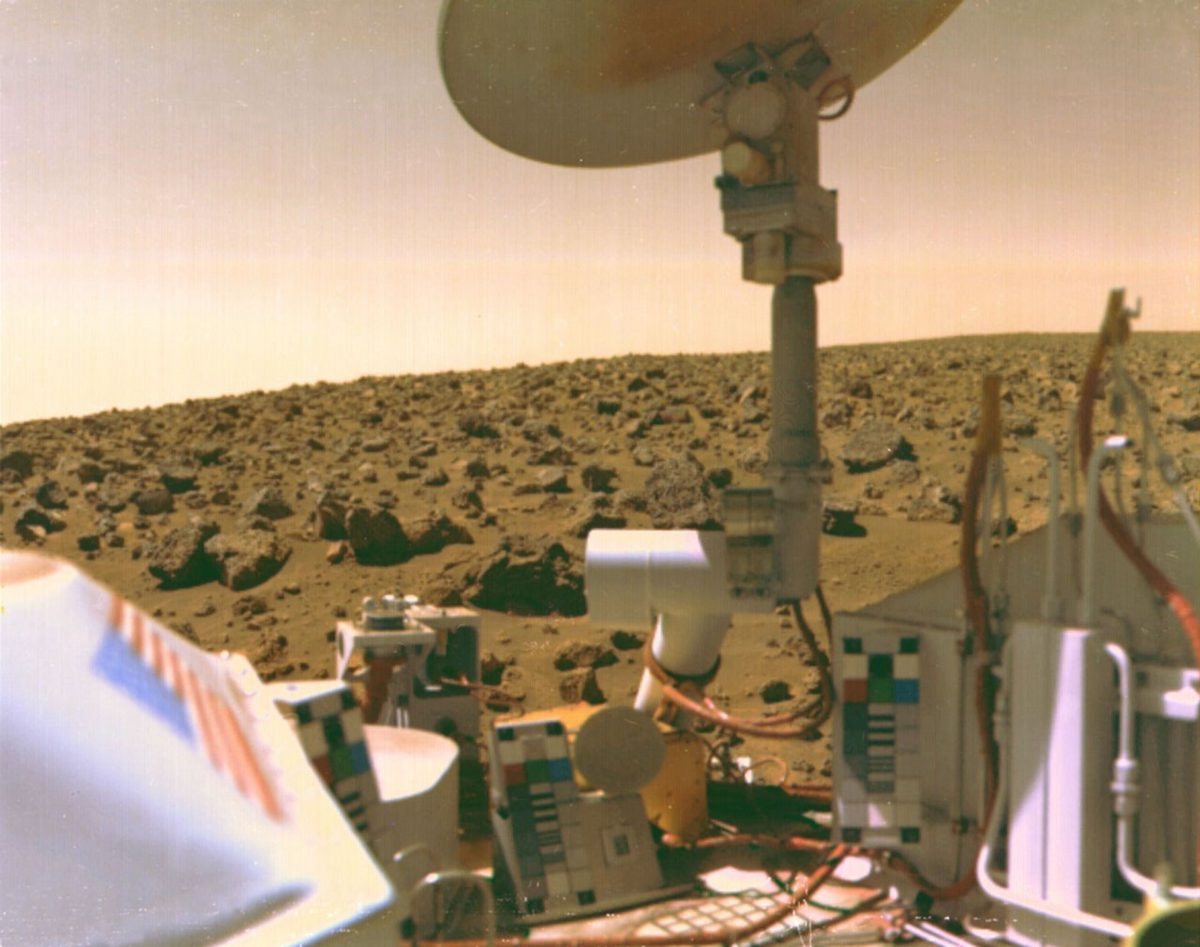
However, it is noteworthy that in certain experiments, identical results were observed in samples that had been subjected to heating — namely, sterilization. Consequently, this was subsequently interpreted as a non-biological process. Additionally, the absence of detectable organic matter in the Martian soil led to the conclusion that these phenomena were likely chemical reactions.
Since then, it has been established that organic material within Martian soil reacts with perchlorate upon heating, resulting in its breakdown. The Viking instrumentation involved heating the sample, which could have caused the organic matter to decompose during analysis. The use of the word “possibly” acknowledges this likelihood, especially given subsequent discoveries of organic matter on Mars. NASA’s rovers have identified organic compounds in Martian rocks and soil, confirming the presence of organic material on the planet. Consequently, the interpretation of the Viking results remains subject to debate. Some experts assert that life was indeed detected during the mission, whereas others remain uncertain. In essence, the controversy persists to this day. It is remarkable that these issues remain unresolved fifty years later.
The Perseverance rover has collected rock samples in Jezero Crater. How can these samples be securely transported to Earth?

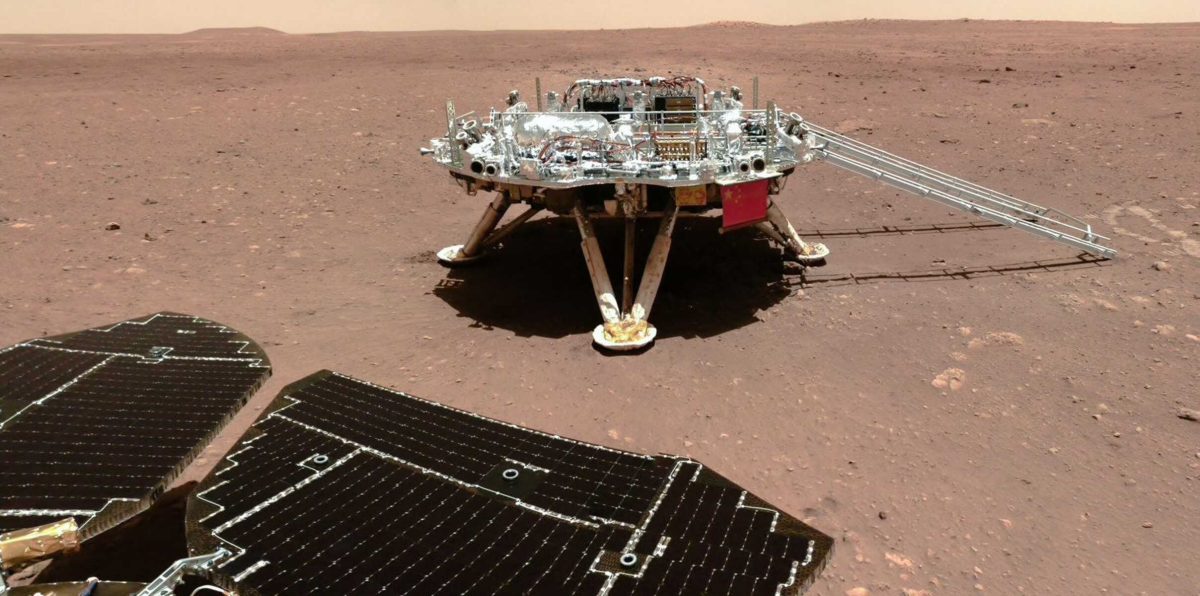
There is no certainty that they will be returned at all, as Donald Trump discontinued the Mars Sample Return program. More specifically, it was not him personally—he withdrew funding for several NASA missions, including the Mars Sample Return mission. Consequently, the future of the samples remains uncertain; they have been collected, contained in vials, and are currently on the Martian surface, yet their return is still unconfirmed.
It remains uncertain whether Chinese astronauts will collect Martian samples and subsequently transfer them to future missions. However, the presence of such samples is acknowledged. China is actively planning a mission within the next few years to return Martian samples to Earth. The mission entails a lander descending onto Mars, gathering samples, and retrieving them. This mission is anticipated to involve collecting fewer samples than those obtained by Perseverance. It will concentrate on a singular landing site and returning a limited number of samples. Consequently, it is plausible that China may succeed in returning Martian samples prior to NASA, should NASA opt to undertake such a retrieval. Observations and developments in this domain will provide clarity. Regardless, it is reasonable to expect that new Martian samples could be available within two or three years.
Would you be interested in studying them personally?
Access to them is challenging due to the high demand from numerous individuals wishing to view them and their considerable value. There are limited samples available. However, if they were to be returned, it would undoubtedly be advantageous to analyze them. Most likely, they would need to be dispatched to a laboratory equipped with the requisite capabilities for such analysis and handling of pristine material. We indeed possess such capabilities here at the University of Edinburgh. Consequently, although not necessarily in my personal capacity, the university could potentially examine these samples once they resurface on Earth.
What is the actual likelihood of backcontamination occurring when a sample arrives from extraterrestrial sources?
This is also speculation, because we obviously don’t know if there is life on another planet. Therefore, the assumption that we will bring back samples that could contaminate Earth remains entirely uncertain. It is purely speculative. At least, on all the asteroids and comets that have been visited and from which material has been collected, no evidence of indigenous microorganisms has ever been found. This is not particularly surprising; we did not anticipate discovering microbial communities on asteroids and comets.
The situation concerning Martian samples may differ. In principle, these samples could harbor microorganisms from Mars that are currently active. This consideration underscores the necessity of initially placing returned samples in a high-security containment facility to assess the presence of extraterrestrial life. Upon completing this assessment and confirming safety, the samples would be disseminated to the broader scientific community. Should the samples indeed contain microorganisms, subsequent investigations would aim to identify the specific types of microbes present and evaluate their potential hazards, including toxicity testing and biochemical analysis.
Our discussions have encompassed the technical considerations of protection; however, it is equally important to acknowledge the moral implications. Do we possess the ethical authority to introduce life originating from Earth to a location that may already harbor its own indigenous life forms?
That is quite an intriguing inquiry. There are multiple approaches to consider. The initial perspective is, so to speak, the instrumental viewpoint. One should refrain from destroying extraterrestrial life, as doing so would forfeit the opportunity to acquire exceptionally valuable knowledge. In essence, it is not solely about rights; rather, it pertains more to practical utility.
Subsequently, there exists an argument founded on intrinsic rights. It primarily concerns whether these microorganisms possess an inherent right to exist independently. Is it morally permissible to contaminate another microbial community?
I find this to be a particularly intriguing question, as on Earth, we utilize bleach in our households without difficulty in exterminating microorganisms. Conversely, there exist microbial communities that we diligently strive to conserve. Stromatolites, for example — these microbial structures located in regions such as Shark Bay in Australia — are subject to protection. They are preserved due to their status as living fossils. These remarkable microbial formations provide insight into what may have existed on Earth approximately three and a half billion years ago. Consequently, we ensure their preservation.
It appears that on Earth, we frequently disinfect certain microbes with bleach while handling others with varying degrees of care. What is the rationale behind this? Is it genuinely due to the intrinsic value attributed to microbes? If we accept that microbes possess intrinsic worth, does the location — whether microbes in your residence or those in Shark Bay, Australia — alter this perception? Why is it deemed acceptable to disinfect some microbes with bleach, yet not others?
I suspect this situation resembles the allegory involving trees. A comparable argument exists concerning plants. We tend to preserve specific trees — particularly venerable, aesthetically notable ones, and those bearing significant cultural heritage. However, we exhibit no hesitation in felling trees to facilitate the construction of housing developments or supermarkets. In essence, trees lack inherent value and are devoid of rights that warrant safeguarding, irrespective of their species.
Then, you return to this argument. Is the issue genuinely about people’s perceptions of microbes? It is possible that microbes lack intrinsic value. Perhaps the central concern is that maintaining a clean home is more significant than caring for microbes. This represents an instrumental argument, grounded in human needs. Our concern for stromatolites may stem from a desire to avoid constructing a hotel or shopping mall in that location. However, if a development project were to be undertaken there, it would most likely result in the destruction of the stromatolites.
These are intricate arguments concerning whether microbes possess intrinsic value or whether their significance is ultimately driven by human needs. Concerning Mars, one might argue that the decision to leave Martian microbes undisturbed is rooted in respect for these organisms. Additionally, it reflects our current lack of necessity to explore Mars further, enabling us to preserve and treat them as special entities. However, should we endeavor to establish a civilization on Mars, the question arises: how long will our regard for Martian microbes persist? Alternatively, similar to the development of a shopping mall, we may reach a point where we deem our instrumental needs to surpass the intrinsic value of the microbes, leading us to destroy them in favor of constructing a station.
In my assessment, none of these arguments are straightforward. It is advisable that we endeavor to safeguard Martian microbes, should they exist, primarily because they constitute an invaluable scientific resource capable of imparting profound insights into our own existence and the origins of life. Furthermore, I hold the conviction that the argument concerning intrinsic value is significant; if Martian microbes are present, they ought not to be destroyed. Instead, we should consider modifying the Martian environment to demonstrate our capacity for coexistence without causing harm to these organisms.
In this scenario, I believe it is acceptable to establish a station on Mars. However, I also think it is imperative to endeavor to prevent its destruction. This will most likely necessitate conducting specific scientific experiments on Mars to study the Martian microbes and determine whether they can persist even if humans inhabit the planet.
That is a rather extensive argument. I have indeed authored articles concerning the rights of microbes. I have published papers on microbial ethics and have given considerable thought to this matter; however, I still do not possess a definitive answer in my own mind.
Where can these works be accessed for reading?
They are documented in scholarly journals. By accessing Google Scholar and entering my surname alongside the keyword “microbial ethics,” you will find several of my significant articles on the topic.
The underlying issue appears to be the absence of a definitive answer. I have articulated my own perspective; however, others hold markedly different viewpoints. Given that this pertains to ethical considerations, there is no scientific resolution. Many individuals contend that this matter involves both intrinsic and instrumental values. This situation exemplifies a common challenge within environmental ethics, where establishing a truly objective foundation for such arguments proves to be complex. Ultimately, it hinges on values that are inherently difficult to assess.
Eventually, I ceased contemplating the matter for a period. I authored these articles and concluded that this was sufficient — I had already contemplated it extensively. Perhaps someone else might consider it as well, since I was unable to reach a definitive conclusion. I simply could not arrive at one.
My personal conclusion is as follows: It is imperative that we diligently care for microbes wherever and whenever possible. In environments such as Mars, it is crucial to exercise caution to prevent the destruction of any indigenous microbes, should they exist. Nonetheless, I also contend that asserting the imperative to protect all microbes universally, and suggesting that humans must never cause their destruction, would be an impractical stance. Such an extreme viewpoint would hinder human existence and daily functioning.
Sources:
Cockell C. S. та ін. Space station biomining experiment demonstrates rare earth element extraction in microgravity and Mars gravity. Nature Communications, 2020. https://doi.org/10.1038/s41467-020-19276-w
Santomartino R. та ін. Microbial biomining from asteroidal material onboard the international space station. npj Microgravity, 2026. https://doi.org/10.1038/s41526-026-00567-3
Wordsworth R., Cockell C. Self-sustaining living habitats in extraterrestrial environments. Astrobiology, 2024. https://arxiv.org/abs/2409.14477
Cockell C. The rights of microbes. Interdisciplinary Science Reviews, 2004. https://doi.org/10.1179/030801804225012635
Cockell C. The value of microorganisms. Environmental Ethics, 2005. https://doi.org/10.5840/enviroethics20052744
Cockell C. Planetary protection, a microbial ethics approach. Space Policy, 2005. https://doi.org/10.1016/j.spacepol.2005.08.003
American Geosciences Institute. What is biomining? https://profession.americangeosciences.org/society/intersections/faq/what-biomining
