
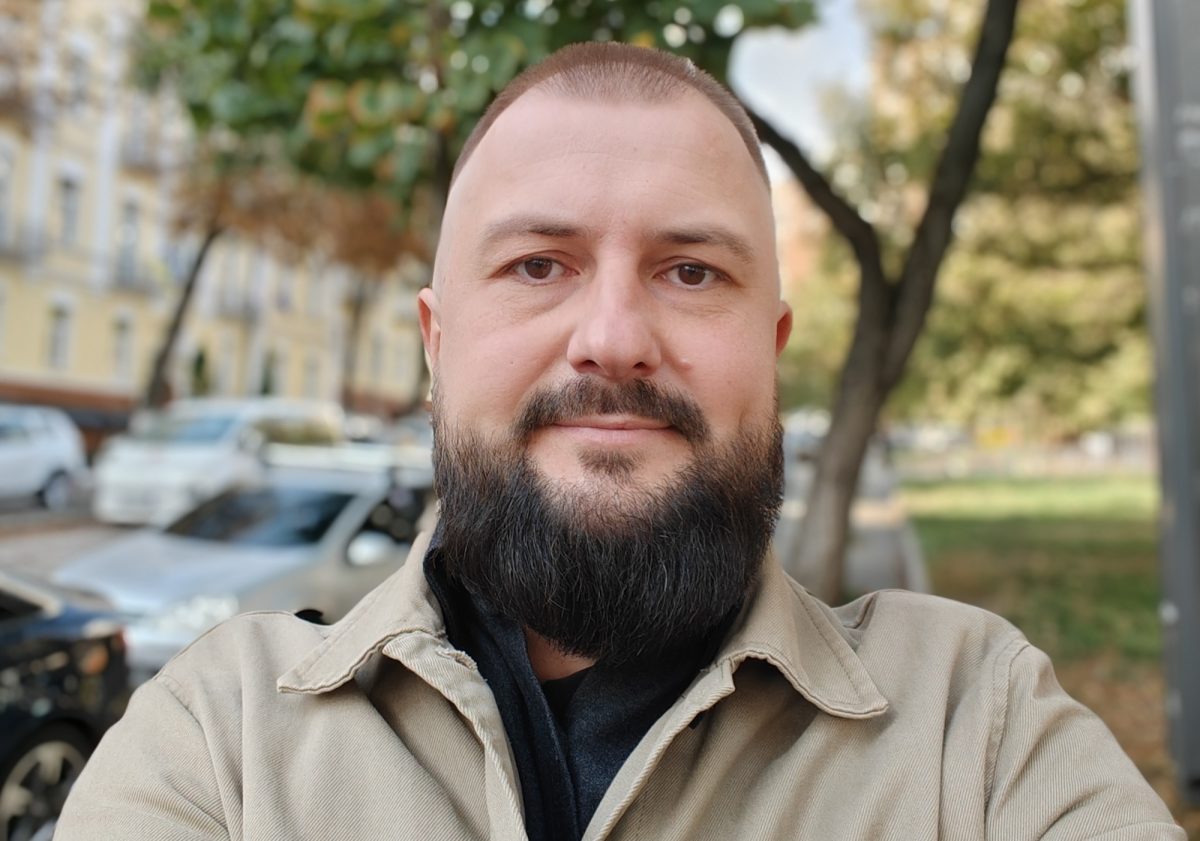
In 2021, 82-year-old aviator Wally Funk finally reached space aboard the suborbital New Shepard spacecraft, 60 years after she passed astronaut testing as one of the “Mercury 13.” She died on July 8, 2026, at the age of 87, and now part of her cremated remains will travel to space twice more: to Earth orbit and back, and into deep space forever. Wally felt her first flight had been too short and dreamed of going back. Both missions are run by Celestis, a memorial spaceflight company that has been sending cremated remains and DNA into space since 1997. We spoke with its co-founder and CEO, Charles Chafer, about Wally Funk, capsules that come back from orbit, the loss of the Nyx capsule, and plans for Mars.

From Earth orbit to deep space
Many of our readers may be hearing about Celestis for the first time. What does the company do, and how has the idea of a memorial spaceflight changed since 1997?
Celestis makes it possible for people to honor their loved ones through real space missions, carrying a symbolic portion of cremated remains or DNA into space. When we pioneered memorial spaceflight in 1997, we offered a single destination: Earth orbit. Nearly 30 years and 25 missions later, we’ve expanded to include suborbital space, the Moon, and deep space. What began as an extraordinary idea has become an established part of commercial spaceflight, allowing people from all walks of life to participate in humanity’s exploration of the universe.
On October 1, Celestis completed its 25th Memorial Spaceflight, the Endeavor Flight, with 56 participants aboard Blackwing Space’s Baby Bird satellite. How did the mission go, and what does this milestone mean for the company?
Endeavor was a tremendous success. All 56 participants were successfully launched into Earth orbit aboard a SpaceX Falcon 9 rocket, and we welcomed more than 100 guests to our memorial and launch events in California. Our partners at Blackwing Space delivered an exceptional spacecraft and mission experience. Reaching 25 completed missions is particularly gratifying because it demonstrates how far we’ve come since 1997. What was once considered an unconventional idea is now a proven service with an expanding future.
Wally Funk’s journey
Did you know Wally Funk personally? How did the decision to fly her with Celestis come about?
Wally Funk was an extraordinary pioneer whose determination helped reshape opportunities for women in aviation and spaceflight. Her lifelong ambition to reach space and her eventual journey aboard Blue Origin’s New Shepard made her an inspiration to generations. Honoring her through Celestis is particularly meaningful given our shared commitment to expanding access to space. I did not have the pleasure of meeting her.

Her remains will fly on two missions: one will return to Earth, the other never will. Why two flights, and what is the symbolism of that pairing?
The two missions represent different aspects of Wally’s remarkable legacy. Serenity will carry her into Earth orbit, with a planned return to Earth, while Infinite will carry her beyond the Earth–Moon system into deep space, where her journey will continue indefinitely. For someone who spent a lifetime pursuing the dream of spaceflight, I think there’s something especially fitting about one journey returning home and another continuing outward into the universe she loved.
Wally waited 60 years for her ten minutes in space. She was also the first female air safety investigator at the National Transportation Safety Board (NTSB) and the first female inspector at the Federal Aviation Administration (FAA). Which part of her story resonates with you most?
Her perseverance. Wally demonstrated that she had the qualifications and determination to become an astronaut long before society was prepared to give her that opportunity. Rather than abandon her ambitions, she built an extraordinary aviation career and continued pursuing spaceflight. When she finally reached space at 82, she proved that dreams don’t have expiration dates. Having spent my career working to expand access to space, I find that particularly inspiring.
Serenity: to space and back
Serenity is your first orbital mission that will return the flown capsules to the families. Why did you decide to offer this, and what does it mean for a family to hold a capsule that has been to orbit?
We wanted to offer families another meaningful way to experience memorial spaceflight. With Serenity, the goal is not only to carry their loved ones into orbit but also to return their flight capsules to Earth. Imagine holding a capsule that has traveled around our planet, knowing it has genuinely been to space. It becomes a tangible connection to an extraordinary journey and a family keepsake that can be passed down through generations.
Can you walk us through the mission profile: the launch on Vulcan Centaur, the time in orbit, reentry and recovery? How long will the flight last, and where will the capsule land?
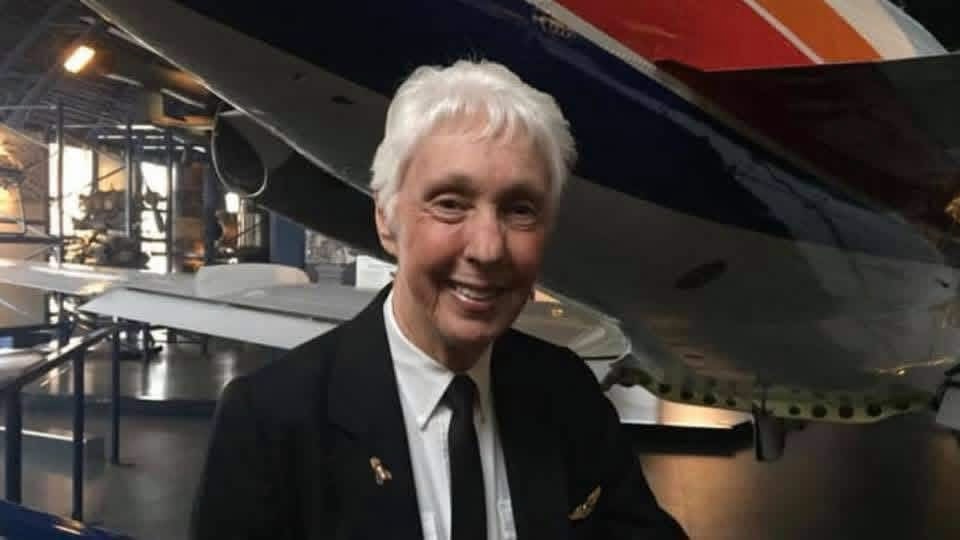
Serenity is planned to launch aboard United Launch Alliance’s Vulcan Centaur rocket from Cape Canaveral, entering low Earth orbit at approximately 400 kilometers altitude. The mission is expected to last up to 45 days, during which the spacecraft will circle Earth repeatedly before attempting atmospheric reentry and recovery. The final recovery location and procedures will be confirmed as mission preparations progress. Our objective is to safely recover the individual flight capsules and return them to participating families.
The return vehicle is built by Genesis Space Flight Laboratories, a Croatian company. Why did you choose a European partner, and what makes their capsule right for this mission?
Commercial spaceflight has become a truly international industry, and we’re seeing exciting innovation from companies around the world. Genesis is developing recoverable spacecraft technology that aligns with our mission objectives. We select partners based on their technical capabilities, mission compatibility, and commitment to execution rather than geography. We’re pleased to work with a European aerospace company as we expand the possibilities of memorial spaceflight.
In June 2025, the Nyx capsule built by the German company The Exploration Company, carrying the remains and DNA of 166 participants in the Celestis Perseverance Flight, crashed into the Pacific Ocean after its parachutes failed. What did you learn from that experience, and what has changed in how you select and vet return vehicles?
Our Perseverance Flight successfully completed two orbits of Earth, fulfilling the orbital portion of the mission, but unfortunately the Nyx spacecraft was lost during its return. It was disappointing, particularly for families hoping to receive their capsules back. The experience reinforced the technical challenges of atmospheric reentry and recovery, and the importance of careful partner evaluation, technical readiness, and transparent communication. Spaceflight carries inherent risks, and our responsibility is to manage those risks thoughtfully while continuing to advance what is possible.
What is the current launch date for Serenity? Your website mentions both December 2026 and March 2027.
Our current planning target is late March 2027. The December 2026 date reflects an earlier launch estimate. As a secondary payload customer, we depend on the readiness and launch manifest of our commercial partners. Launch timelines can change, and we work to keep participating families informed as those plans develop.
Infinite: a one-way ticket
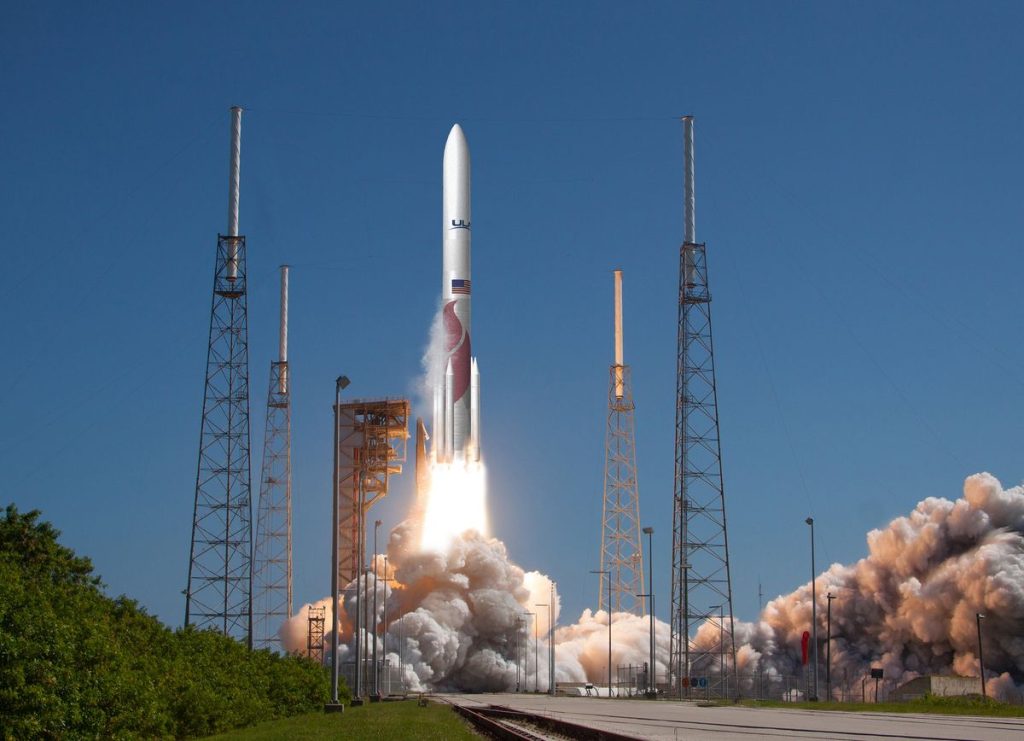
Infinite Flight, planned for early 2027, will leave the Earth–Moon system for a permanent orbit around the Sun. How will it differ from the Enterprise Flight of 2024?
Enterprise was a historic milestone, carrying more than 200 participants beyond the Earth–Moon system aboard the inaugural Vulcan Centaur mission in January 2024. Infinite will offer a similar permanent deep-space memorial, but using a different launch vehicle and mission architecture. Our larger objective is to make these extraordinary journeys more accessible and more frequent, establishing deep-space memorial flights as a recurring opportunity rather than an occasional historic event.
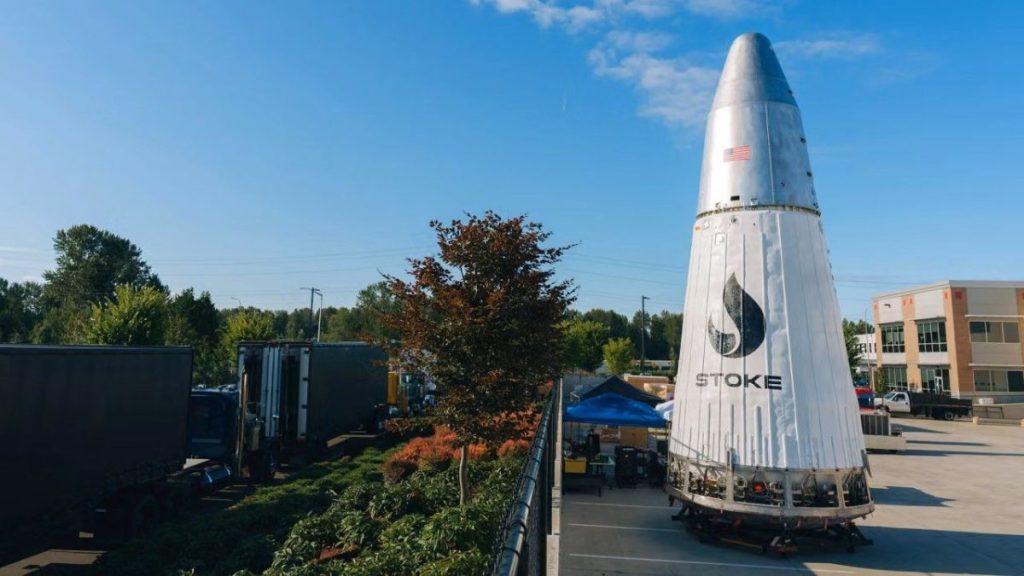
Why did you choose Stoke Space and its new Nova rocket? Isn’t it risky to fly on such a new vehicle?
Stoke represents the innovation driving the next generation of commercial spaceflight. Their development of a fully reusable launch system has tremendous potential to expand access to space. Of course, new rockets involve risk. I was involved in launching Conestoga 1, the first privately funded rocket to reach space, in 1982, so I understand the challenges of pioneering new technology. We evaluate our partners carefully, but innovation requires a willingness to embrace and responsibly manage risk.
How many participants do you expect on board, and will the spacecraft carry anything besides the memorial capsules?
We’re finalizing the participant manifest and will announce the total once it is confirmed. Each participant is represented by an individual flight capsule containing a symbolic portion of cremated remains or preserved DNA. As with our other missions, Celestis participates in a larger commercial spaceflight opportunity, sharing launch infrastructure with other payloads. This approach allows us to offer extraordinary destinations without the expense of a dedicated rocket launch.
Prices, clients and Mars
An Earth orbit flight costs $4,995, and a deep-space flight costs $12,995. What goes into those prices, and how has cheaper launch access changed the economics of your business?
Our pricing includes the preparation and integration of individual flight capsules, launch services, mission coordination, and the memorial experience we provide to families. Costs vary according to the destination and technical complexity. By flying as a secondary payload aboard commercial missions, we’re able to offer access to space at a fraction of what a dedicated launch would cost. The growth of commercial spaceflight has created opportunities that were unimaginable when we started Celestis, and we’re committed to making those opportunities accessible to more people.
Who are your clients today? Do you see interest from Europe, including Ukraine?
Our participants come from all walks of life: astronauts, scientists, artists, engineers, and ordinary people who shared a fascination with space. We serve families internationally, including those in Europe, and welcome interest from Ukraine. What unites our participants isn’t nationality or profession, but a sense of wonder about the universe. One of the most meaningful aspects of Celestis is bringing together people from different countries and cultures through a shared connection to space exploration.
Celestis has already flown to suborbital space, Earth orbit, the Moon, and deep space. What is next? How realistic is a memorial program to Mars, and on what timeline?
Mars is a natural next step. Our Mars300 program envisions carrying memorial capsules aboard a future commercial mission to Mars, just as we’ve done with other destinations. The technology and transportation infrastructure are still developing, so we’re not announcing a firm timeline. In the meantime, we’re focused on increasing our Earth orbit mission frequency and expanding our lunar and deep-space opportunities. When we started Celestis, many of our accomplishments seemed impossible. I believe Mars will eventually become another destination for memorial spaceflight.
Critics of memorial spaceflight raise concerns about space debris and ethics. How do you answer them?
These are important questions, and we take them seriously. Celestis flies as a secondary payload aboard existing commercial missions rather than launching dedicated rockets for memorial purposes. Our capsules remain integrated with their host spacecraft, and our Earth Orbit missions operate within established regulatory and orbital debris requirements. Ethically, I see memorial spaceflight as an extension of humanity’s longstanding tradition of honoring loved ones in meaningful places. Space is simply another place that holds profound significance for many people.
More than forty years after Conestoga
In the early 1980s, you were part of the team behind Conestoga 1, the first privately funded rocket to reach space. What has surprised you most about how commercial spaceflight turned out? And will you fly with Celestis yourself one day?
When we launched Conestoga 1 in 1982, commercial spaceflight was considered a radical idea. Today, private companies launch astronauts, operate vast satellite networks, and are developing missions to the Moon and Mars. What’s most gratifying is seeing space become accessible for purposes we could scarcely have imagined four decades ago, including the deeply personal experience of memorial spaceflight. As for flying with Celestis myself, after spending so many years helping others reach space, I certainly appreciate the appeal and plan to use our services when timely.
