

Finnish companies ICEYE and Nokia could build a dedicated satellite communications network for Ukraine’s military. Ukraine’s Ministry of Defense has signed a letter of intent with the companies. The document emerged as Starlink restrictions were hampering Ukrainian drone operators. Under such a system, Ukraine would own the satellites, terminals, and ground stations.

Signed During the Restrictions
The letter was signed on October 22 during the Finnish prime minister’s visit to Ukraine, according to ICEYE. Eight days earlier, during the night leading into October 14, SpaceX restricted the operation of Starlink terminals in motion. The slowdown lasted about ten days, and some drones began losing contact and crashing. According to one unit commander, his troops lost more than a million dollars’ worth of drones on the first night alone.
Elon Musk explained the restrictions by alleging that Ukraine had violated the civilian network’s terms of service. As early as October 1, ICEYE co-founder Rafal Modrzewski said that countries should control their communications without depending on a foreign commercial operator’s terms of service. Two weeks later, Ukrainian troops experienced that dependence firsthand.
A Network in Low Earth Orbit
The letter does not specify the number of satellites, the cost, or the timeline. The partners outlined how such a network would operate in an ICEYE announcement dated October 1. They are developing broadband networks in low Earth orbit for governments and plan to launch their first communications satellites in 2028.
The customer country would own the satellites, ground segment, and terminals, meaning it would impose any necessary restrictions itself, rather than leaving that decision to a foreign company. The new network would complement existing military and commercial systems rather than replace them.

Altitude also matters. Starlink satellites fly a few hundred kilometers above Earth, while most spacecraft in Europe’s governmental Govsatcom system operate in geostationary orbit, approximately 36,000 kilometers above Earth. Signals reach a closer satellite more quickly, giving low Earth orbit an advantage when exchanging data with moving vehicles.
Not the First Project for Ukraine
In August 2022, Ukrainians raised funds for an ICEYE radar satellite, which images the surface at night and through clouds by recording reflections of its own radio signal. By June 2024, military intelligence had received 4,173 images of enemy targets from it, and 38% had been used to support strikes.
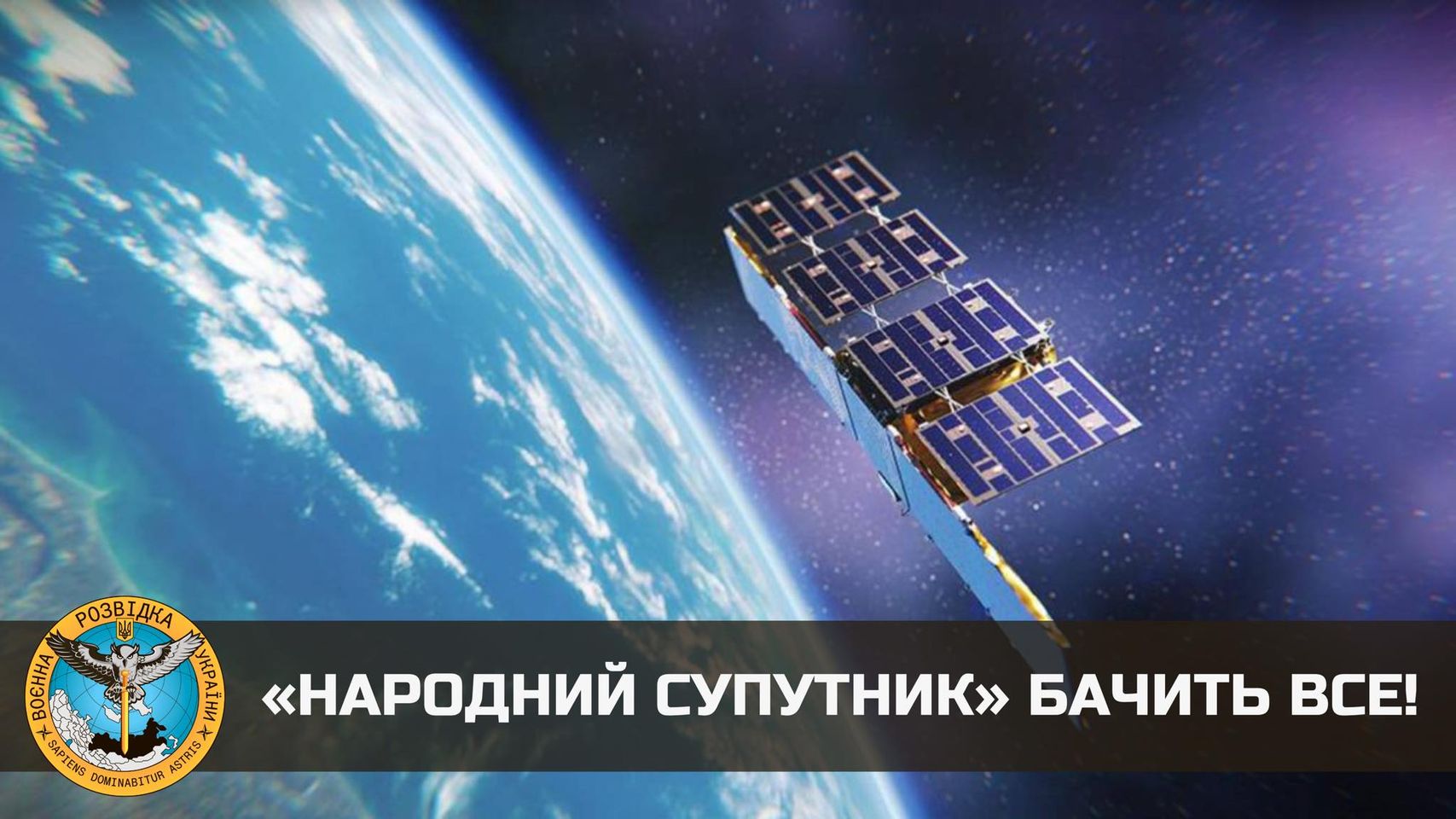
Rafal Modrzewski noted that the company delivered a radar satellite system for Poland in less than a year. Until now, however, ICEYE has built Earth-observation spacecraft, and satellite communications is a new field for the company. This is why it partnered with Nokia, which has experience building secure networks. The companies have not yet announced specific dates for Ukraine.
Ahead of IRIS²
The European Union plans to launch its 348-satellite IRIS² constellation only in 2029. If ICEYE and Nokia keep to their schedule, their first communications satellites will reach orbit a year earlier. In the meantime, the European Commission is offering Ukraine access to Govsatcom, although a separate agreement is still under discussion.

Since 2025, a dedicated Space Policy Directorate within the Ministry of Defense has been responsible for space projects. Ukraine plans to have its own defense satellites by 2030.
Whether satellites for Ukraine will be among the first spacecraft depends on the Ministry of Defense. The letter of intent commits the parties only to exploring cooperation, not to building the network.