
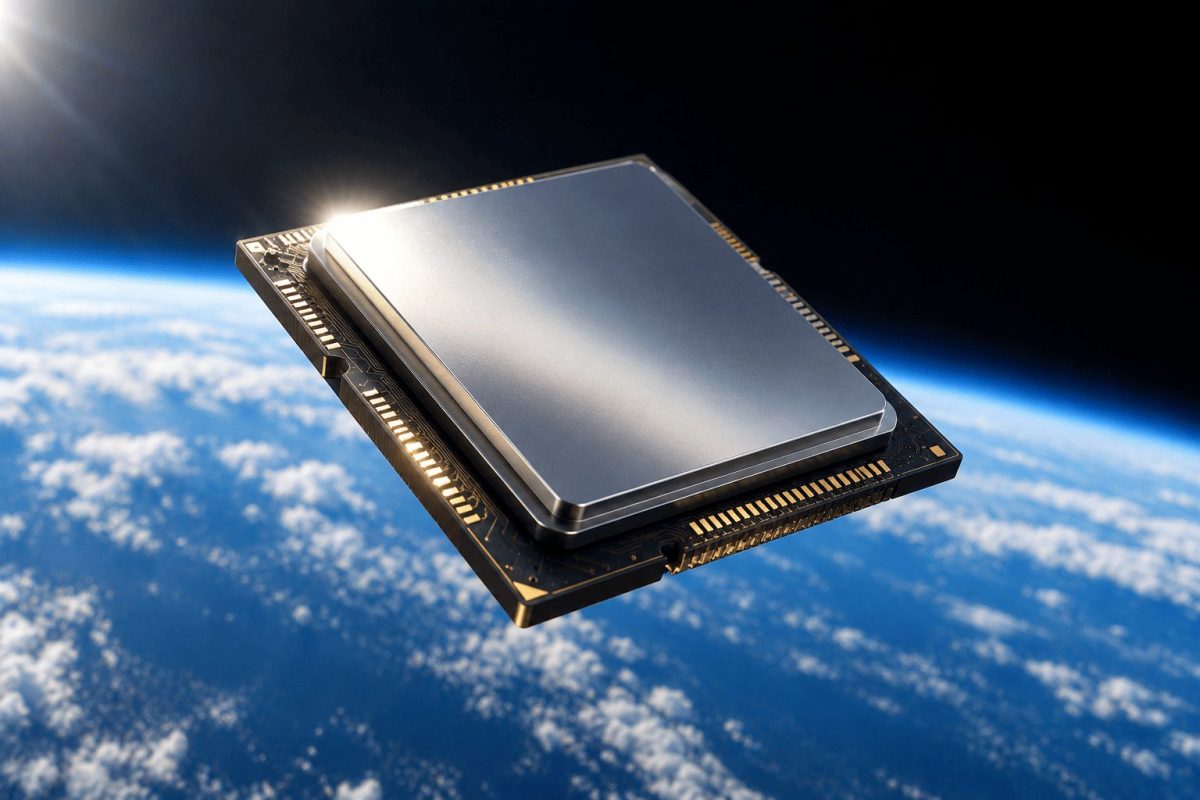
The vacuum of space could replace the ultra-clean facilities in which semiconductors are manufactured. Startup Besxar is betting on this idea and has reached an agreement with SpaceX for a series of flights aboard Falcon 9 boosters. The first containers carrying silicon wafers have already traveled beyond the atmosphere and returned. The samples turned out to be cleaner than those that remained on Earth.
The Cleanroom Problem
Modern microchips are manufactured in facilities where the air is purified of dust to a level unmatched in any other industry. A single speck of dust settling on a silicon wafer during processing can ruin the entire product.
Because such conditions are required, building a semiconductor plant becomes an enormous infrastructure project. Besxar founder Ashley Pilipiszyn believes that a new generation of rockets offers an alternative to these costs.
The July Flight
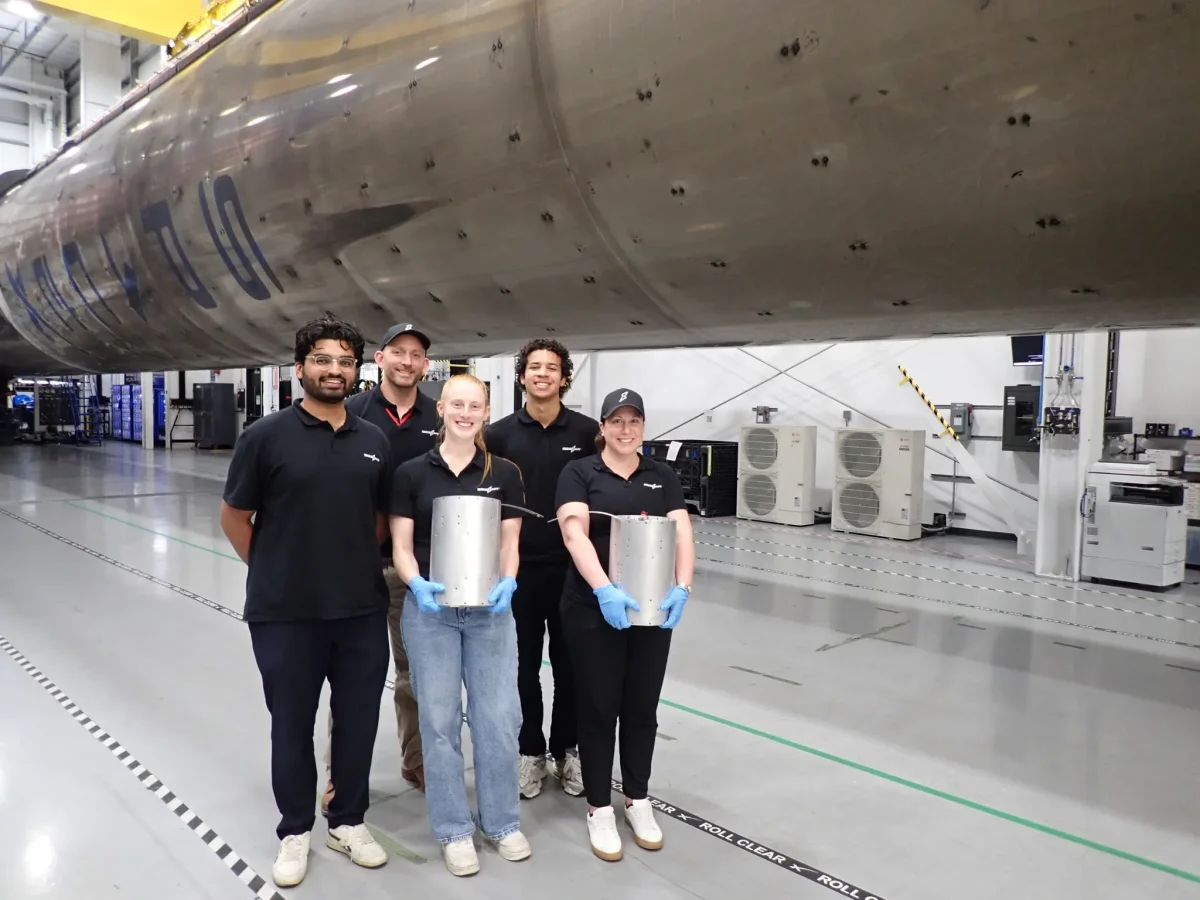
The company’s first two devices, which it calls fabships, traveled into space in July together with a Starlink mission. Semiconductor materials were inside.
The task was straightforward. The equipment had to withstand launch loads, protect its contents from contamination, and expose them to vacuum. All of this was accomplished, although the flight-data recording system failed in one of the containers, and the cause of the malfunction is still being investigated.
According to Ashley Pilipiszyn, the returned samples had the lowest number of foreign particles compared with those kept on Earth. She discussed this in an interview with TechCrunch.
A Few Minutes Beyond the Atmosphere
The Falcon 9 boosters travel into space and back more often than any other rocket hardware. Last year they completed such a trip 163 times, and this year they have already done so more than a hundred times.
However, they do not enter orbit. Separation occurs in the upper atmosphere, after which braking and descent begin. In other words, the startup is not getting an orbital factory, but short sessions in an almost perfect vacuum — with a regularity that no returning capsule can provide.
Money and Competitors
Nearly $14 million has been raised to develop the technology, including $9 million in a seed round led by Dauntless Ventures and Overture VC. The agreement with SpaceX provides for roughly a dozen flights carrying experimental payloads on boosters.
Space-based semiconductor manufacturing is also being developed by United Semiconductors and Space Forge. All of them face the same obstacle: the limited amount of product that can realistically be returned to Earth.
Ashley Pilipiszyn expects to scale first to hundreds and later to thousands of wafers from a single installation. Achieving that scale depends on the emergence of inexpensive launch vehicles, whether Starship or next-generation rockets from Rocket Lab and Stoke Space.
Next Steps
Over the next two years, the company plans to make the experiment more complex step by step. First will come wafer heating, followed by deposition of the first material.
Full-scale manufacturing modules are expected to be transported aboard Starship. The finished products are intended for chip manufacturers that produce power-management components for data centers and electric vehicles.
The startup’s name comes from the word “beskar,” the metal used for Mandalorian armor in the Star Wars universe.
