

NASA has been forced to take emergency measures as it prepares for a future in which access to SpaceX’s Crew Dragon spacecraft may be lost. The space agency plans to provide additional funding to Boeing in order to improve the safety of the troubled Starliner spacecraft and adapt it to new launch vehicles after the retirement of Atlas V.

In the near future, NASA is expected to announce an order for two additional crewed Starliner missions from Boeing. In addition, the government agency will cover part of the costs of fixing design flaws in the spacecraft’s propulsion system and certifying it for new launch vehicles.
SpaceX Changes Course
NASA’s decision to support Boeing came in response to informal and public statements by SpaceX management about plans to retire Crew Dragon by 2030 or even earlier. At present, Crew Dragon is the only operational U.S. spacecraft capable of regularly carrying people to low Earth orbit.
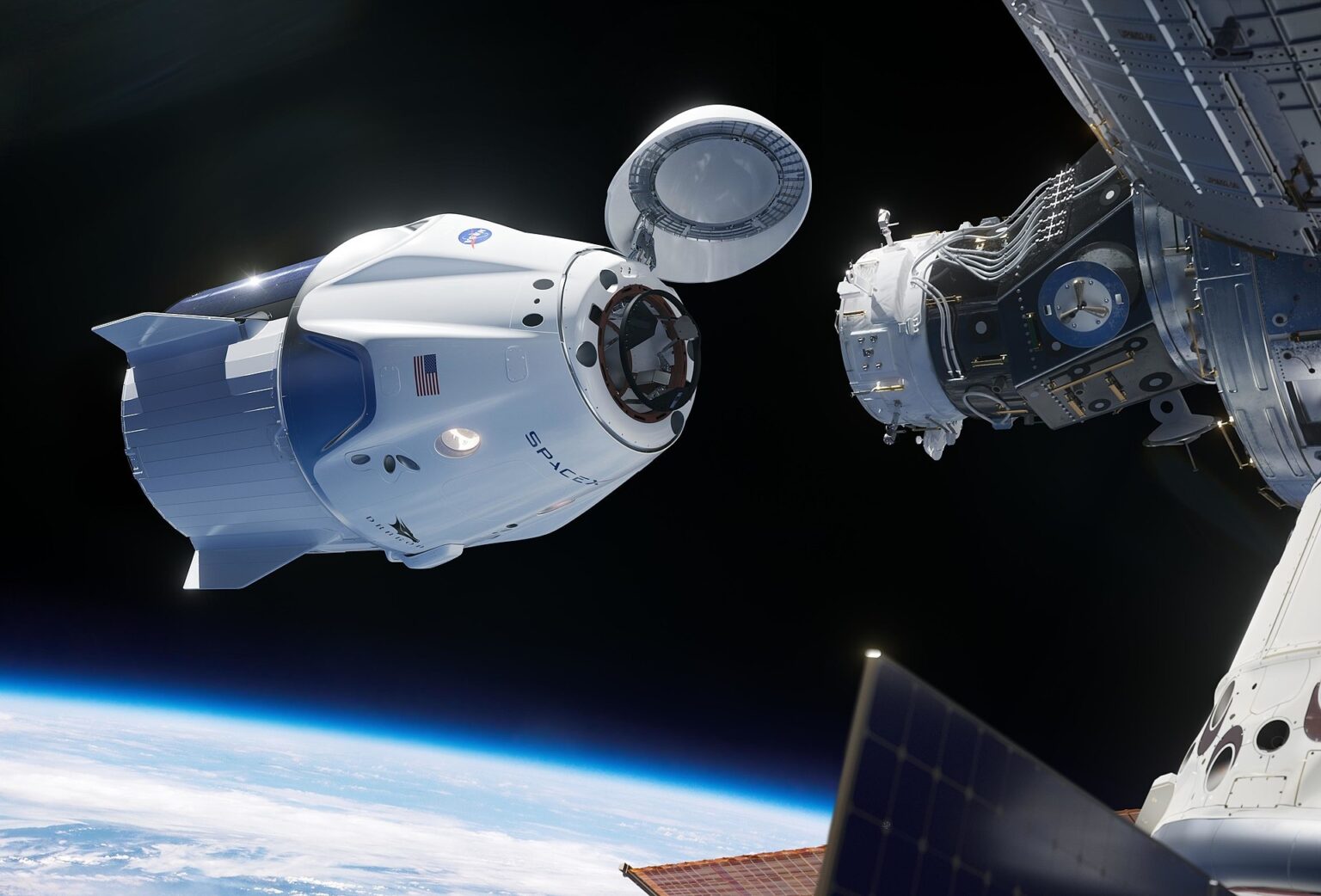
SpaceX President Gwynne Shotwell said the company is focusing its resources on the much larger Starship system for launching Starlink satellites and building data centers in orbit. Shotwell directly hinted that Boeing should finally make effective use of the government funding it has received and provide its own transportation system.
Since 2010, under the Commercial Crew program, the agency has paid SpaceX about $3.1 billion, enabling the company to successfully complete 13 crewed missions to the ISS. In turn, Boeing received $5.1 billion but has still not delivered a fully operational solution.
A History of Starliner Problems
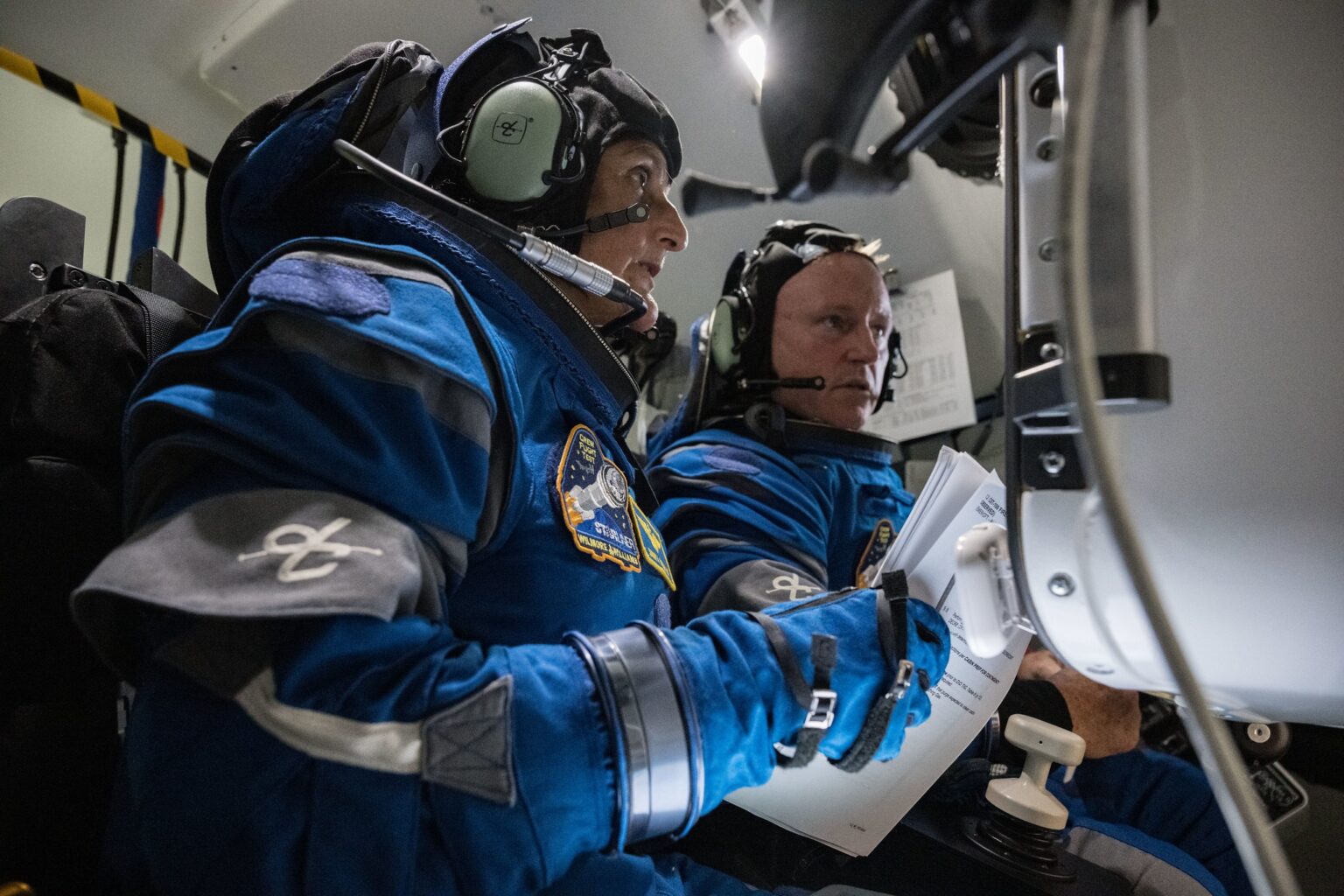
Starliner’s introduction into service has been accompanied by persistent problems. Uncrewed tests in 2019 and 2022 revealed a number of failures, while the 2024 flight nearly ended in disaster because of propulsion-system problems. Astronauts Butch Wilmore and Suni Williams had to return to Earth aboard Crew Dragon, while NASA officially classified the Starliner flight as a Type A mishap.
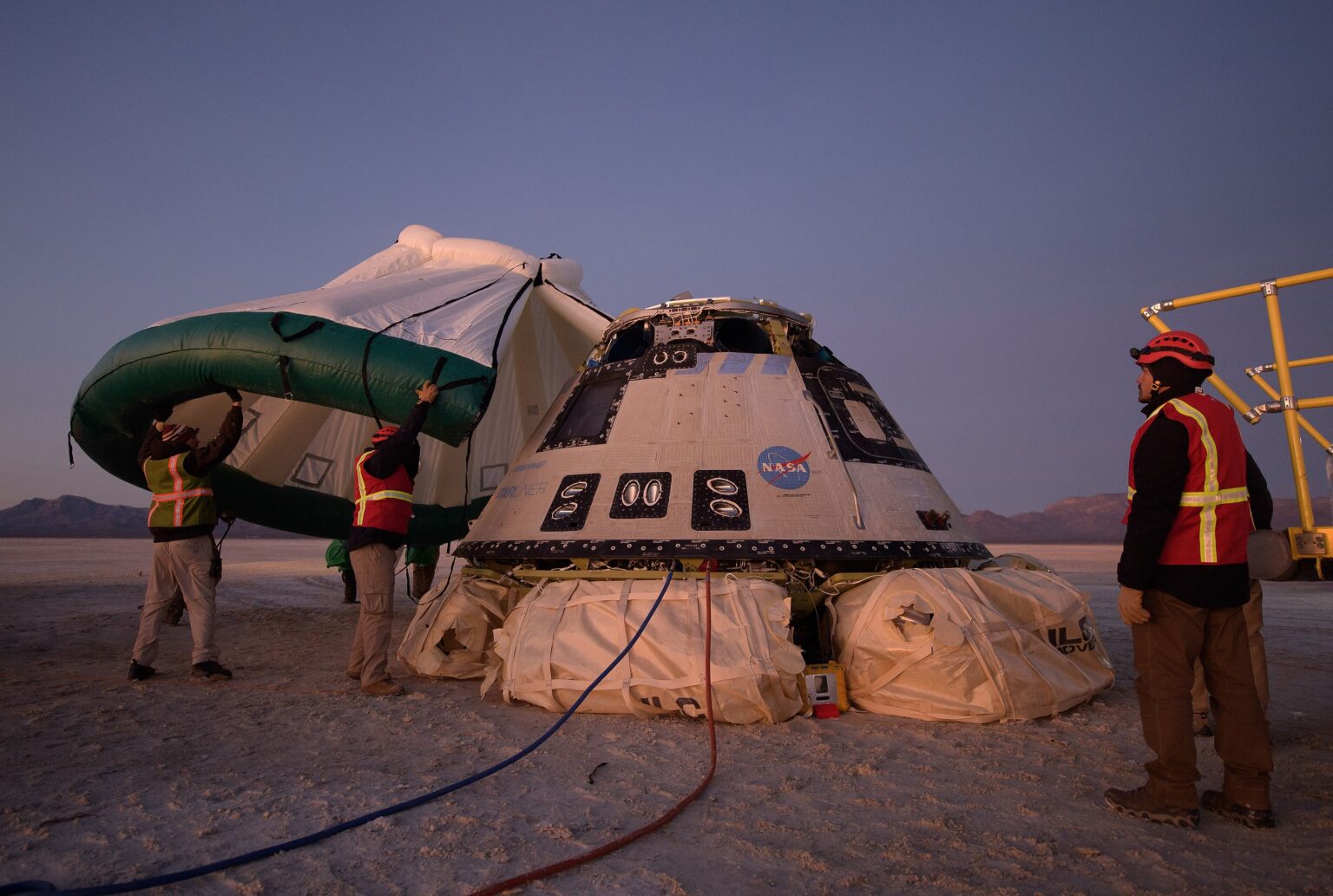
A 311-page investigation report showed that, in addition to technical defects, the project suffered from serious problems in management culture and decision-making. Although Boeing’s losses under the fixed-price contract have already exceeded $2 billion, NASA is being forced to provide financial support in order to avoid being left without a crewed spacecraft altogether.
Threat to Private Space Stations
Starliner’s main problem is that its current launch vehicle, Atlas V, which uses Russian engines, is being phased out of production. Only six rockets remain: one will be used for the uncrewed Starliner 1 test, while five are reserved for crewed missions. For future launches, a competition will be held between United Launch Alliance’s Vulcan and Blue Origin’s New Glenn.
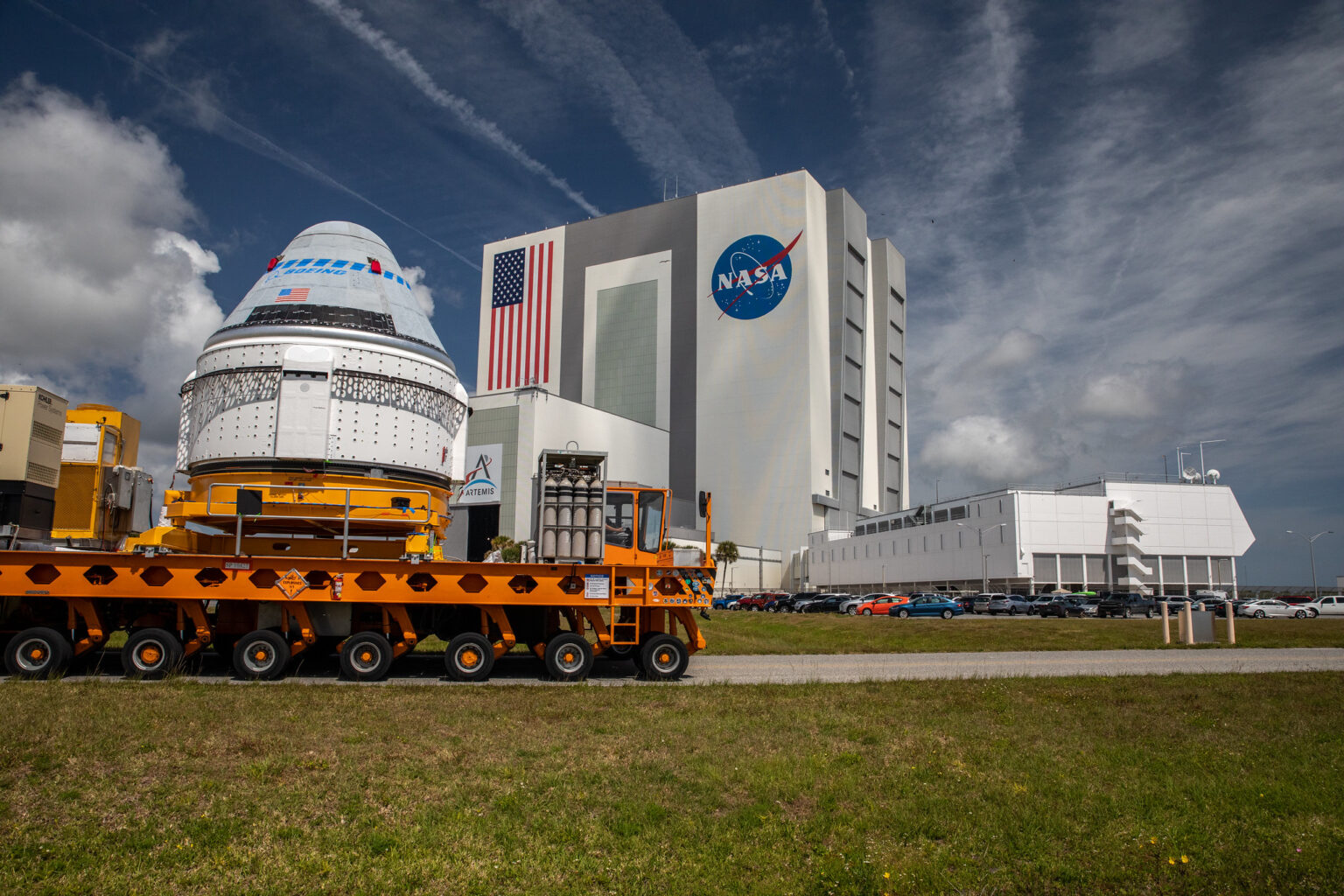
This situation also critically affects commercial orbital stations that are expected to replace the ISS after 2030. Private aerospace companies face the risk of building stations without having a reliable means of transporting crews. NASA’s actions give the market some assurance that at least one carrier will remain available, although they also create the risk of a Boeing monopoly with high prices.
Alternative Players
Another option for NASA is Blue Origin, which has reportedly been developing its own crewed spacecraft in secrecy for several years for the New Glenn rocket. The project is currently at the stage of testing the crew cabin pressure vessel, parachute systems, and thermal protection.
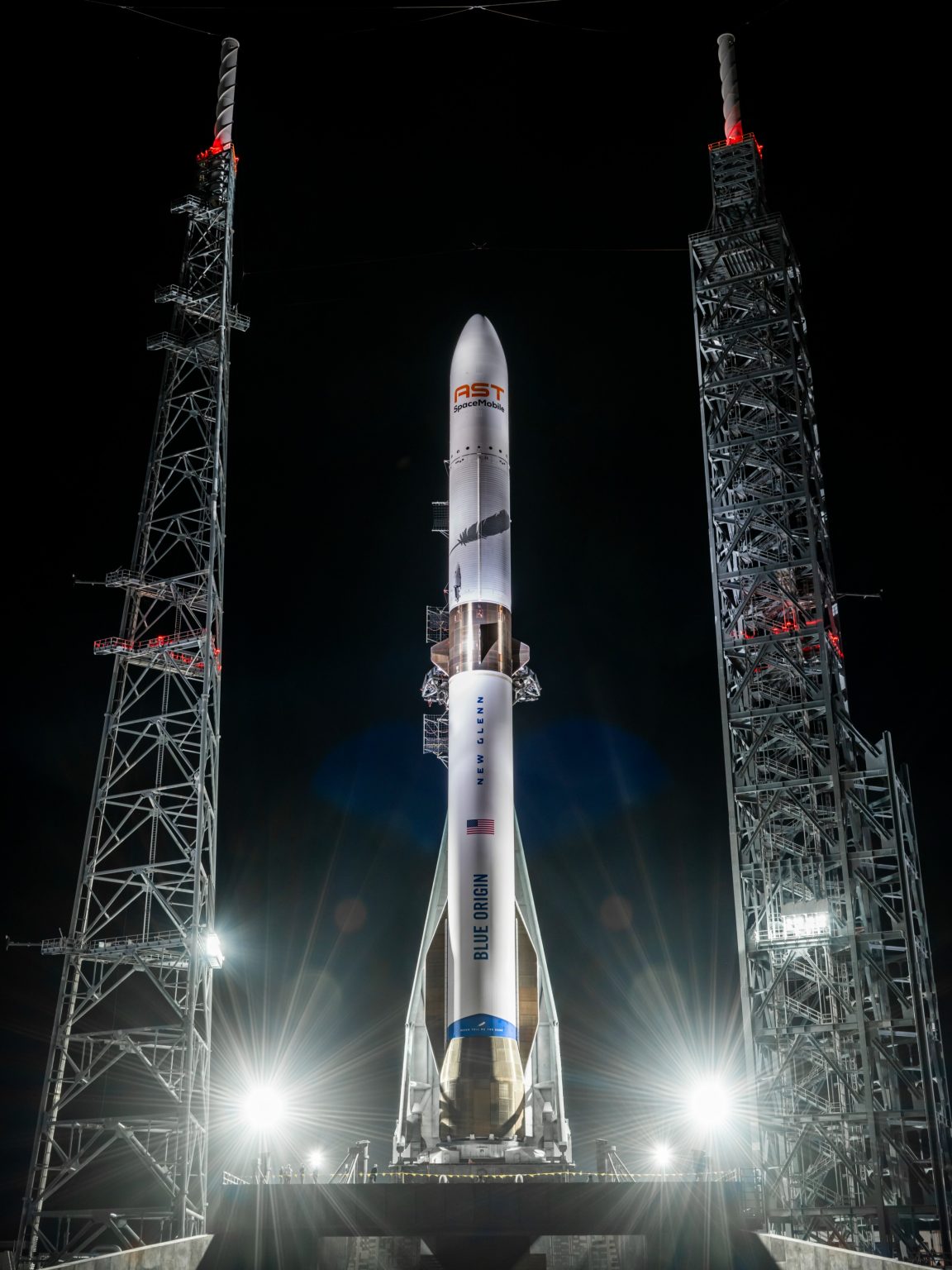
If Starliner begins launching on New Glenn, this would allow Blue Origin to obtain human-spaceflight certification for the launch vehicle at Boeing’s and NASA’s expense, while also building the necessary launch-pad infrastructure. New Glenn’s capabilities could potentially allow it to launch both a crewed Starliner and a Cygnus cargo spacecraft at the same time, significantly reducing the cost of orbital logistics.
Earlier, we reported on how NASA’s bet on Boeing Starliner nearly derailed the U.S. space program.
According to ARS Technica