

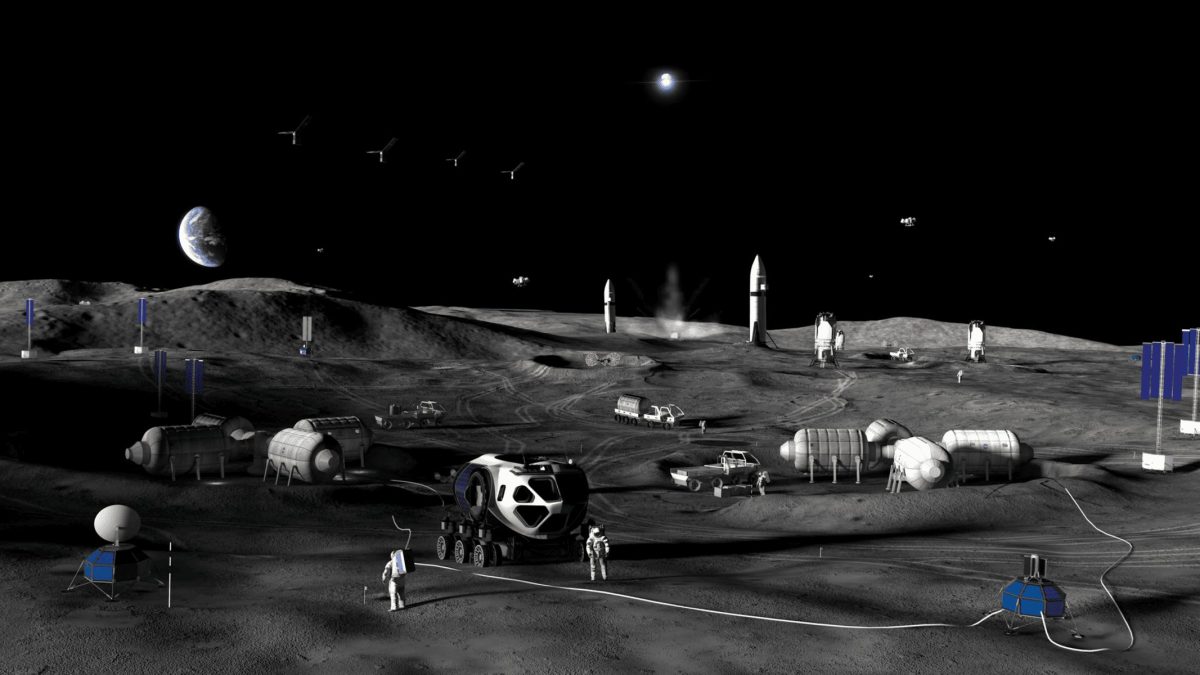
Earlier this year, SpaceX founder and CEO Elon Musk announced plans to build an autonomous city on the Moon in less than 10 years. However, implementing this idea depends entirely on the availability of vital resources, above all water. A new study published in Frontiers in Space Technologies suggests that ice reserves on our natural satellite are too limited to support large-scale, long-term habitation by one million people.
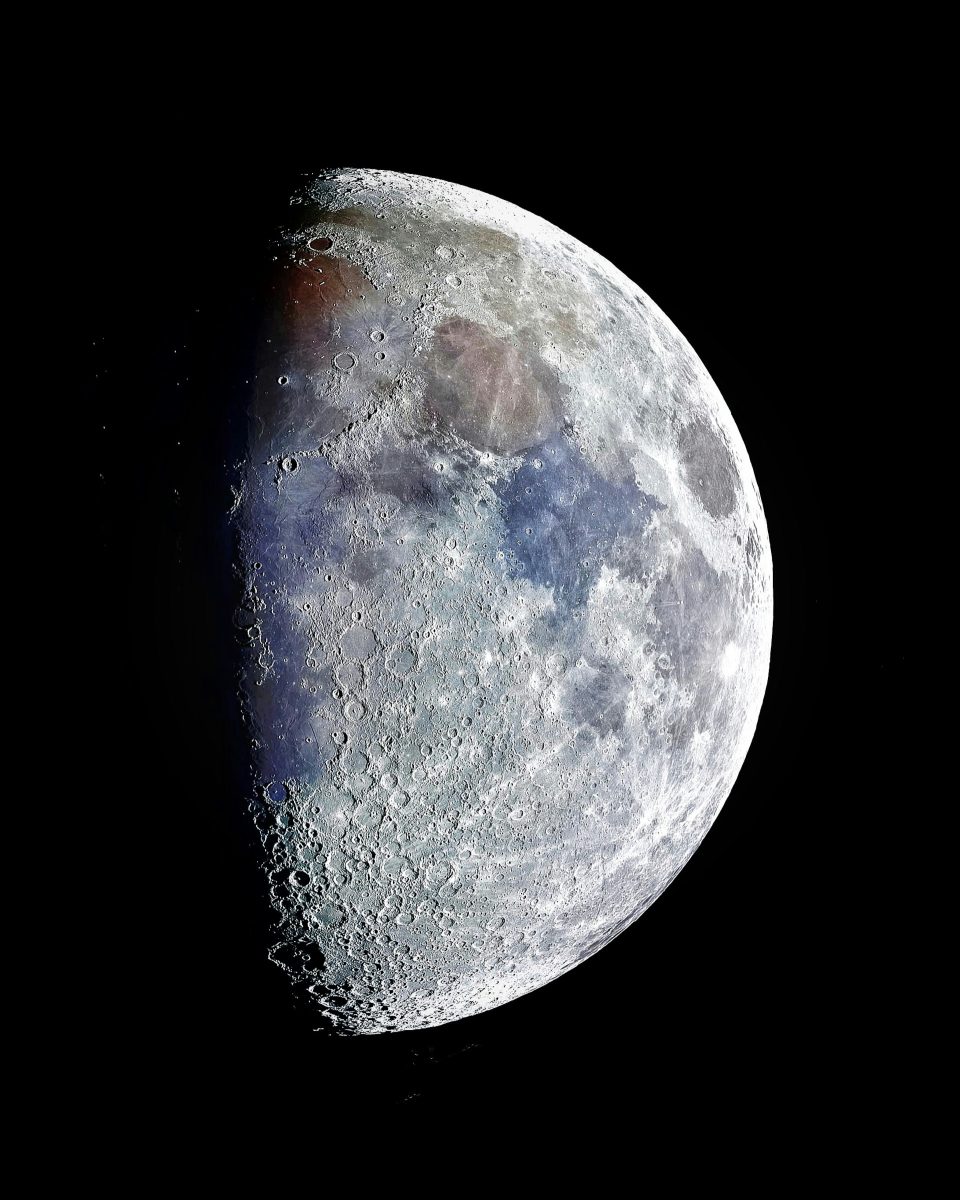
Shortly after the Moon formed, its surface was heavily bombarded by water-rich asteroids. The water became trapped as ice at the poles, inside deep craters with high rims that are never illuminated by the Sun.
As Martin Elvis, an astronomer at the Smithsonian Astrophysical Observatory and co-author of the study, noted, the presence of water near the poles fundamentally changes the approach to lunar missions. It makes it possible to imagine settlements where people grow food and enjoy everyday conveniences without having to transport every drop of water from Earth. According to current estimates, about 600 million tons of water ice may be hidden in permanently shadowed regions.
Consumption Calculations: How Long Would the Ice Last?
The researchers compared the available resources with the needs of a city with a population of 1 million people. For objectivity, the scientists used an even more optimistic estimate of lunar water reserves — 1 billion tons — while noting that the actual amount could be 20–30 times smaller.
The results were discouraging:
- Without recycling: the megacity would completely exhaust the available water reserves in a little over 2 years.
- With a closed-loop recycling system (98%): using technology similar to that employed on the International Space Station, the city would run out of water in approximately a century.
From a Scientific Base to Asteroids

The authors of the study emphasize that building a full-scale megacity is currently unrealistic. At the same time, the Moon could вполне support a small scientific station or settlement with a population of 1,000 to 10,000 people — the available resources could last such a community for several centuries.
For the ambitious plans of space entrepreneurs to become possible, humanity would either have to reduce water consumption significantly or find new sources — for example, by extracting and importing water from near-Earth asteroids.
Previously, we discussed what, besides water, could support life on other planets.
According to Forbes
