

The concept of orbital data centers for artificial intelligence has faced public criticism from one of the most influential technology investors. SoftBank founder Masayoshi Son has questioned the economic viability of the idea, which SpaceX is actively promoting.
Criticism from OpenAI’s ally
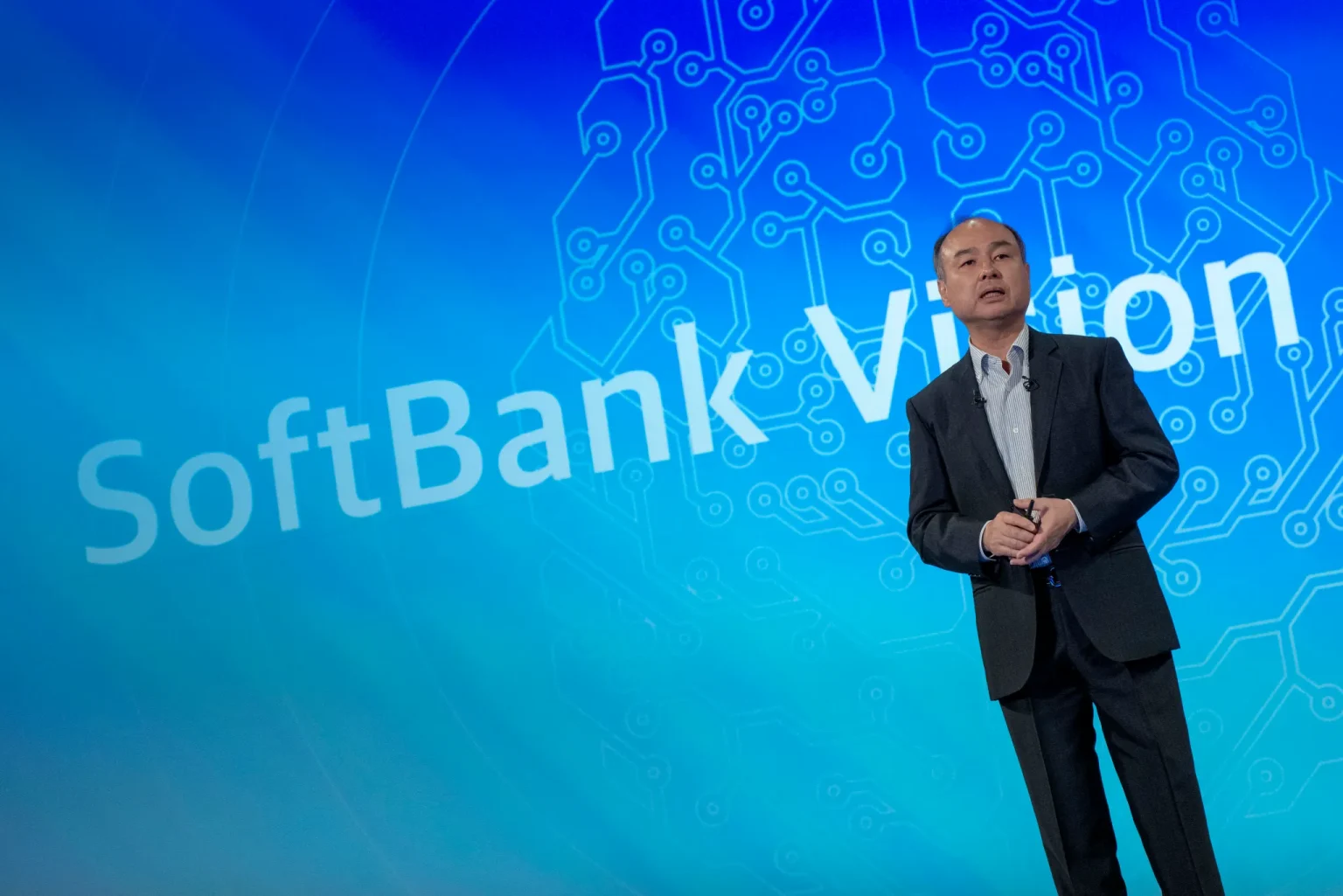
At the shareholders’ meeting on June 23, Masayoshi Son stated that orbital data centers would not be able to significantly reduce costs. In his view, the next few years—rather than the outlook for the coming decade—will be decisive in the race for leadership in the field of artificial intelligence.
His skepticism is particularly interesting given his own role in the industry. SoftBank is a co-founder and financial partner of the Stargate project, a $500 billion joint venture with OpenAI to build ground-based data centers in the United States. In effect, Masayoshi Son is criticizing a concept that directly competes with his own investments, as the success of orbital data centers would devalue Stargate’s large-scale ground-based infrastructure.
Who is promoting orbital AI technologies?
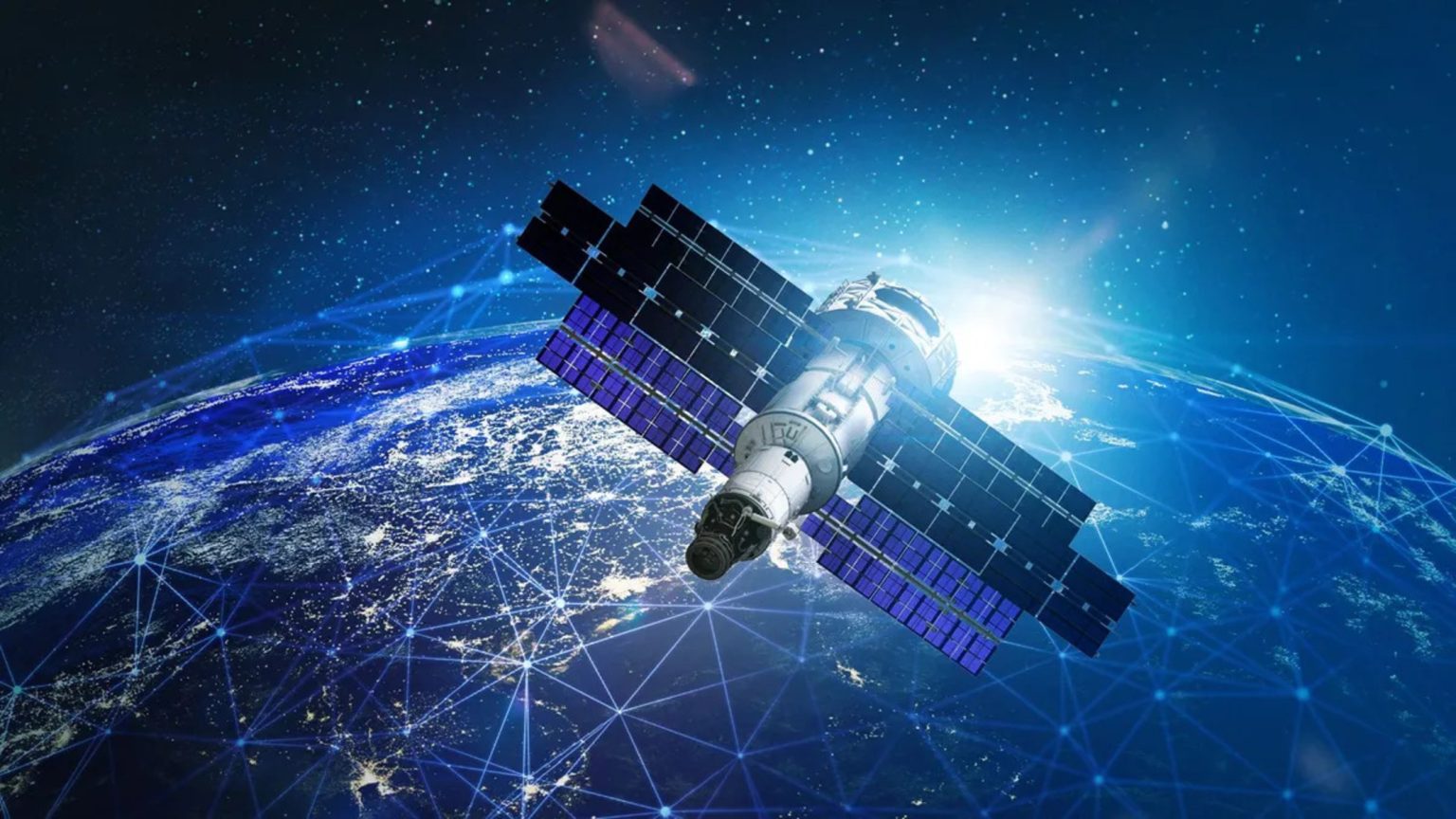
The main proponent of the idea is SpaceX and its founder, Elon Musk. In January 2026, the company filed an application with the Federal Communications Commission (FCC) to launch up to one million satellites configured as orbital data centers. The logic is compelling, as solar energy is available virtually continuously in orbit, and there are no constraints on land resources or power grids.
However, as noted by journalists on TechCrunch’s Equity podcast, there is a hidden benefit for the company itself in this arrangement. Satellites in such a constellation need to be replaced every few years, and each replacement requires new rocket launches. In other words, SpaceX is both the manufacturer and the primary customer for this infrastructure.
Engineering and economic challenges
The technical challenges of orbital data centers remain significant. The vacuum makes it difficult to dissipate heat from processors, ultraviolet radiation damages cooling infrastructure, and the chip upgrade cycle is shrinking to two years, creating an additional challenge for replacing equipment in orbit.
According to Google’s estimates, orbital data centers will only become economically viable once the cost of launch drops to $200 per kilogram. Currently, that figure stands at around $1,000. The first two prototypes of SpaceX’s AI1 satellite are scheduled to undergo testing in early 2027, and they will serve as the first real-world test of the concept’s viability.
Everyone plays for themselves
Journalist Anthony Ha noted that there were no unbiased observers in the debate surrounding orbital data centers. Elon Musk is promoting an idea that benefits SpaceX. Masayoshi Son criticizes it, defending SoftBank’s billions in ground-based investments. Sam Altman of OpenAI is also skeptical of the orbital concept, while having a long-standing and complex conflict with Musk.
While tech giants debate the issue, demand for computing power continues to grow faster than new infrastructure can be built. According to forecasts by the International Energy Agency, data centers will consume about 1,000 terawatt-hours of electricity per year, and this figure is rising rapidly.
According to TechCrunch
