

For millennia, humanity measured time by the Sun and Earth’s rotation. But when the growth of international trade created a need to standardize time, the Royal Observatory in Greenwich laid the foundations for the time zone system. Now, however, this ancient connection between our planet and our clocks is coming to an end.
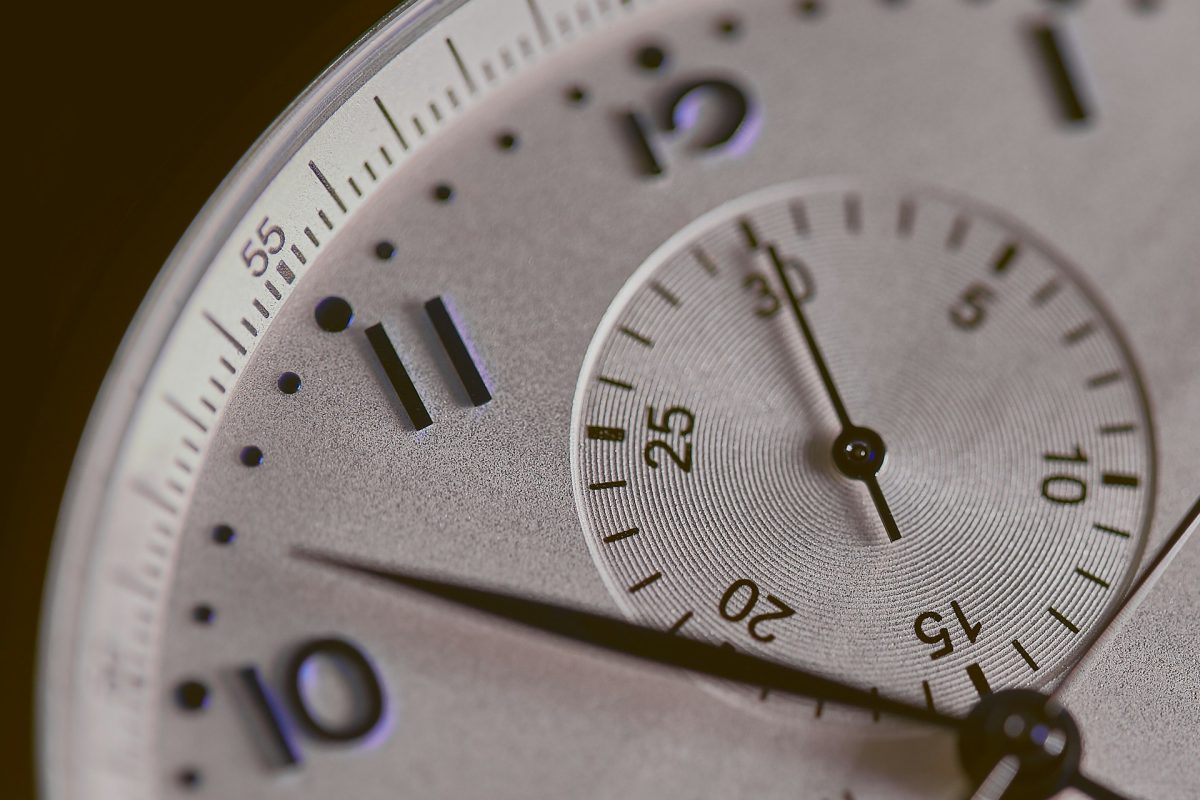
The international metrology community is preparing to permanently abolish the “leap second”—a tiny but critically important adjustment that has kept our planet’s rotation and the world’s digital infrastructure synchronized for decades.
The Planet’s “Limp”
Since 1972, a single second has been added to global time on 27 occasions. This has kept two systems in harmony: astronomical time, measured by observatories based on Earth’s rotation, and Coordinated Universal Time (UTC), based on the ultraprecise oscillations of cesium atoms.
The problem is that Earth is an extremely unreliable mechanism. The planet rotates unevenly and constantly “wobbles.” This is influenced by the Moon’s gravity, processes in Earth’s core, and the redistribution of water and ice across the surface—a process intensified by melting polar ice caps.
Scientists face a choice: continue following the motion of celestial bodies or trust the more stable atomic clocks and even nuclear clocks in laboratories.
Digital Chaos
Unlike a leap year, which regularly adds a day to February every four years, leap seconds are introduced irregularly, with just six months’ notice. For modern IT systems, high-frequency financial trading, and communications networks, this creates a genuine nightmare.
In 2012, a leap second caused widespread disruptions to Reddit, LinkedIn, and Qantas’s booking system. During the adjustment at the end of 2016, customers of cloud provider Cloudflare experienced widespread server failures. Leading technology companies, including Meta, have long described the leap second as a “major headache.”
The Danger of a “Negative Second”
The debate over abolishing the adjustment has become particularly urgent. Although Earth is slowing down over the long term, it has recently accelerated its rotation around its axis. This presents scientists with an unprecedented challenge: they may have to subtract a second rather than add one.
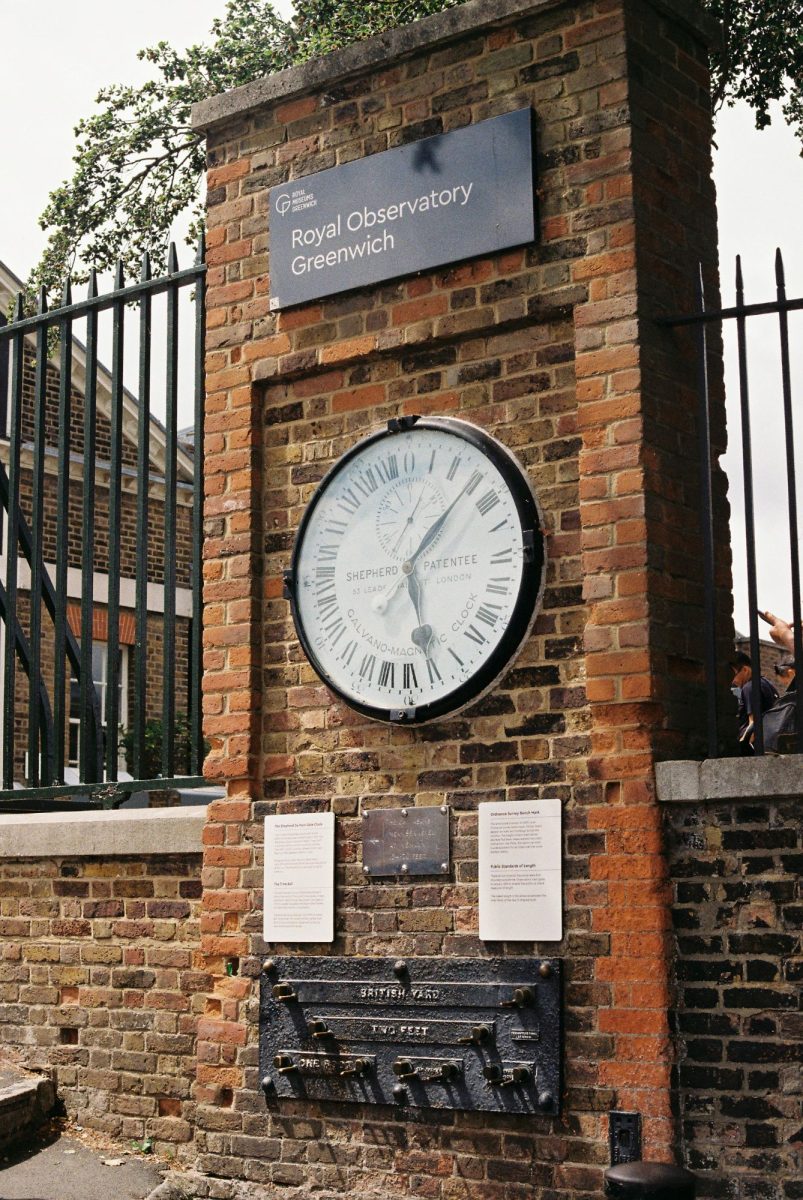
According to estimates from the International Earth Rotation and Reference Systems Service (IERS) in Frankfurt, the probability of needing such a “negative second” by 2035 will reach 30%. Subtracting a second has never been attempted before, and operators of critical infrastructure are entirely unprepared for it. Specialists at the International Bureau of Weights and Measures (BIPM) say the cost of preparing systems for such a step would be comparable to the investment required to address the “Year 2000 problem” (Y2K).
Geopolitics and the Future of Time
The BIPM in Versailles plans to give final approval to abolishing the leap second, with the decision taking effect in May 2027.
The transition to continuous UTC has been discussed for more than 20 years. It was previously opposed by the United Kingdom, because of its cultural connection to Greenwich, and Russia, whose GLONASS navigation system, unlike the American GPS and European Galileo systems, is tied to leap seconds.
There are skeptics, however. Some scientists, such as Marek Ziebart, a professor of space geodesy at University College London, believe the technical problems are exaggerated and that the connection between time and Earth’s rotation has important scientific and psychological value for humanity.
A “Leap Hour” for Our Descendants
The new resolution would allow atomic time to gradually drift away from astronomical time. The proposed maximum permissible difference between them is 3,600 seconds—one hour.
According to specialists’ calculations, it would take more than 3,000 years for such a discrepancy to accumulate. Future generations would then have to decide whether to introduce a “leap hour.” By that time, however, human timekeeping technology may have changed so much that our current atomic clocks will seem as archaic to our descendants as ancient sundial pillars seem to us.
We previously explained how the pocket watch came into being.
Based on material from CNN.
