

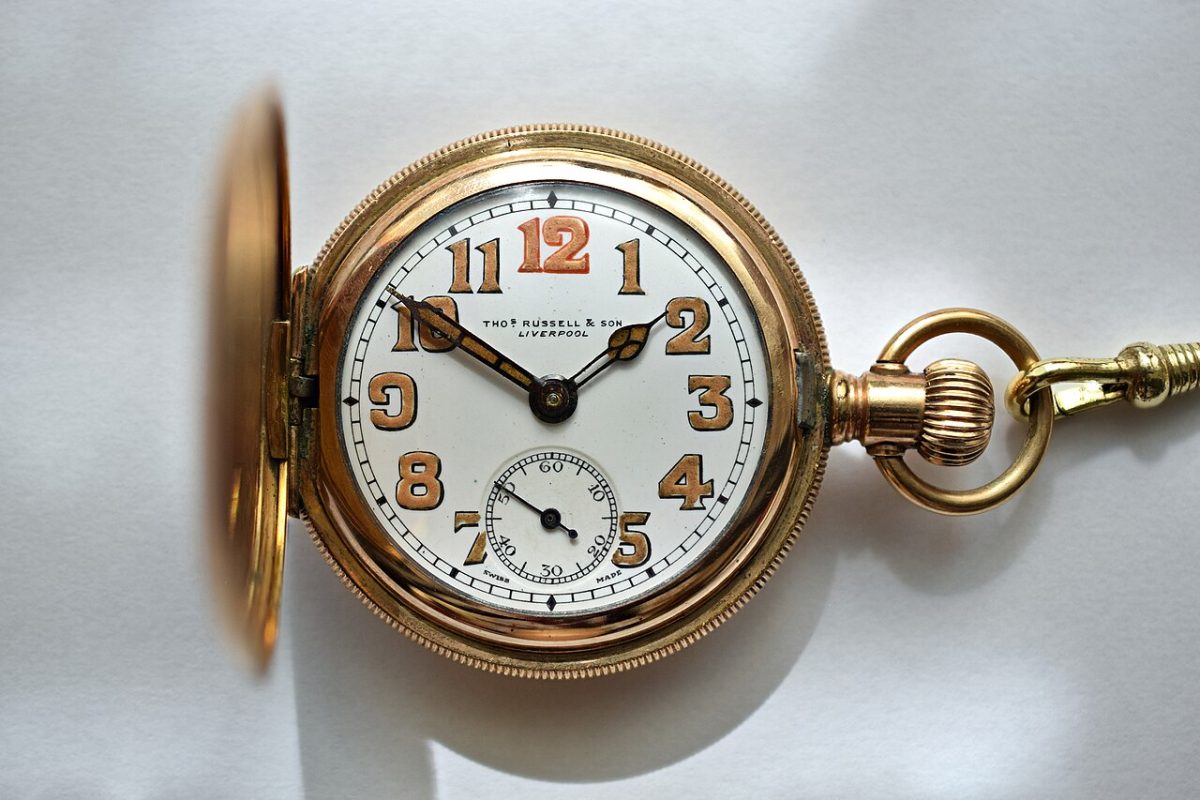
351 years ago, Christiaan Huygens patented the pocket watch. Since then, carrying a timekeeping device has become commonplace. More importantly, this Dutch astronomer introduced a component into the watch’s design that made it accurate and reliable.
How important is it to measure time?
In today’s world, we have grown accustomed to the fact that nearly everyone owns a smartphone, whether carried in a pocket or bag or placed on a desk. Among its many functions, it can also serve as a watch. The ability to know the exact time, down to the minute and second, is a convenience available to almost everyone. We rarely pause to consider that, by the standards of human civilization, this is a relatively recent practice. It has existed for only three to five centuries, depending on the starting point chosen.
One significant milestone in human history was Christiaan Huygens’s patenting of the pocket watch on October 13, 1675. To appreciate the revolutionary nature of this development, it is useful first to consider how we perceive time.
When one lives in accordance with one’s inner feelings and observes nature, hours, minutes, and seconds become irrelevant. The body’s internal biological clock produces cyclical changes in hormonal states. At the same time, a system adjusts this clock in response to changes in daylight duration.

For human beings, this is why the day is divided into morning, daytime, evening, and night, each characterized by different lighting conditions. The seasons also follow a recurring cycle. However, several thousand years ago, people gave little consideration to the number of days in a year or to whether a day could be divided into equal intervals.
These questions emerged with the dawn of civilization. Ancient astronomers first devised calendars by determining the number of days in a year and a month. Later, as food supplies became sufficient to support large cities, states, and organized religions, the need for a structured daily routine arose.
It is unsurprising that the practice of dividing the day into 12 hours and the night into an equal number of parts emerged in Ancient Egypt between 2100 and 1500 BCE. As one of the earliest civilizations, Ancient Egypt was renowned for its astronomers and mathematicians. Initially, however, this division merely distinguished the periods of light and darkness, rather than representing precisely measured or defined intervals of time.

This was because astronomy was the only practical means of tracking the passage of time throughout the day. A sundial is essentially a gnomon — a vertical rod — with markings on its surface, which need not be horizontal, indicating the direction of its shadow. If the sun is not visible, why would one need to know the exact time? It is time to sleep.
The appearance of the dial and the minute markings
For many years, astronomers — who relied on conducting observations — were virtually the only people interested in keeping precise track of time at night. Water clocks and hourglasses assisted them in this endeavor. In general, the flow of liquid or fine grains through a small opening is effective for measuring short intervals, but not extended periods. However, with careful observation, turning the devices over at the appropriate time, and keeping records, one can measure time at any moment — and with greater accuracy than by using a shadow.
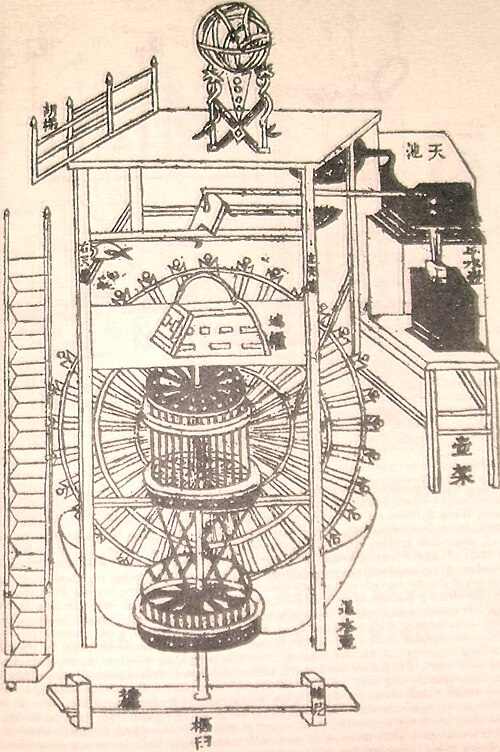
It is unsurprising that the first mechanical device for measuring time independently of the sun was based on a water clock. Scientists and engineers had understood the underlying principle as early as the first millennium CE. The challenge was to develop a trigger mechanism — one that would set the gears and levers in motion at precisely defined intervals.
The first to do so was the Chinese astronomer Yi Xing in 723 CE. Over the following centuries, similar designs spread through the Arab East and reached the Mediterranean. However, timing mechanisms based on the flow of liquid or sand had a significant drawback: the flow was too variable to measure precise intervals of time.
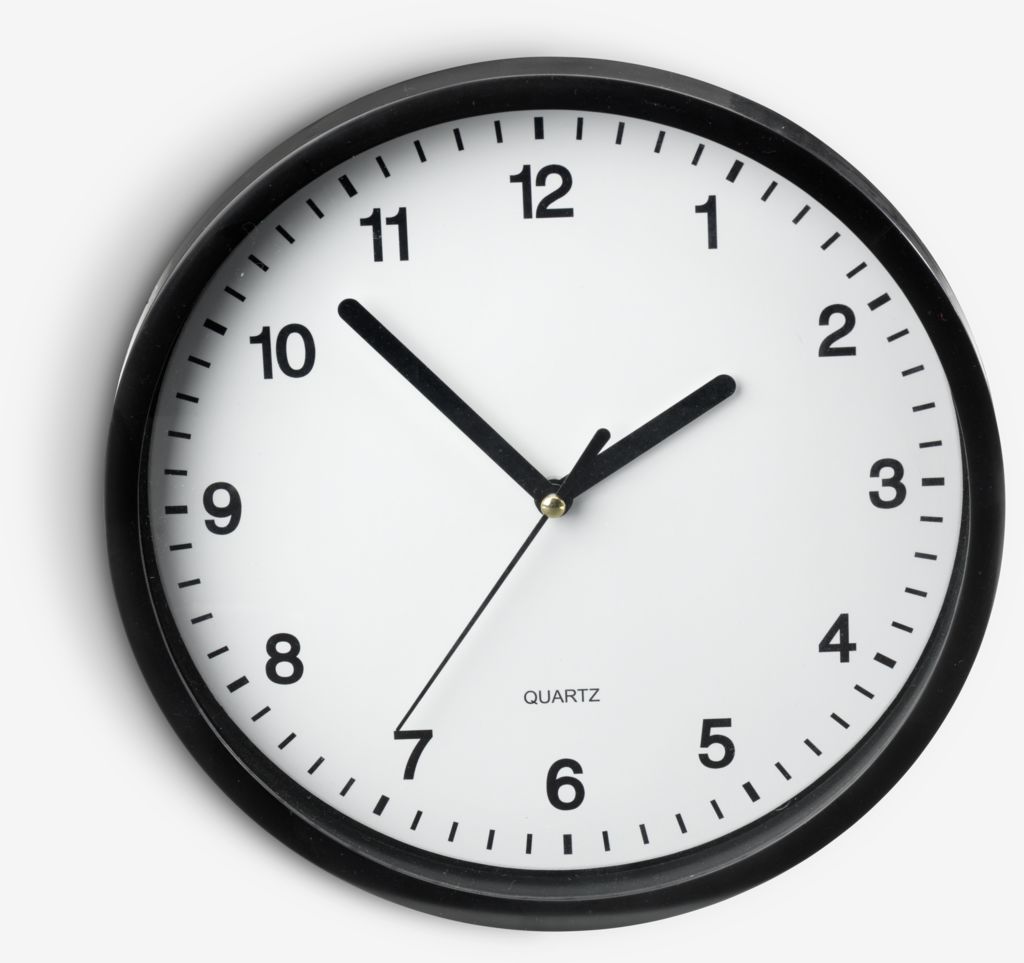
At the same time, the concept of the dial dates back to the earliest experiments with water clocks, predating even Yi Xing. Today, electronic watches primarily display numerals. In mechanical watches, however, it is simpler and more practical to rotate a hand, replicating the movement of the Sun’s shadow. The key difference is that a sundial’s hand can complete a full circle only in the polar regions during summer, whereas a mechanical watch’s hand can rotate indefinitely, provided the mechanism repeatedly sets it in motion.
The concept of the watch face is closely associated with the emergence of minutes and seconds. These units first appeared around 2000 B.C. in ancient Babylon, where they were originally used as angular measurements. The number system of the Tigris-Euphrates civilization was sexagesimal. Accordingly, a circle was divided into 60 minutes, and each minute into 60 seconds.
We continue to use this system in geometry today, although a minute is defined as 1/60 of a degree. For the first 3,000 years of its existence, a minute served solely as a unit of angle. With the advent of the first mechanical clocks, it also came to denote a period of time corresponding to 1/60 of the circumference of the clock face, assuming that a full rotation takes one hour.
The first mechanical watches
However, several more centuries would pass before the minute appeared on the watch face. The exact location and date of the creation of the first purely mechanical watch escapement remain unknown, but it almost certainly occurred in Europe sometime between 1200 and 1300, around the time Mongol rule was established in Ukraine.
At the core of many clock mechanisms is the anchor wheel, a gear with asymmetrical teeth. Its design enables the wheel to advance while preventing backward movement. The wheel transmits motion to other components of the mechanism, thereby ensuring the clock’s operation. This wheel can be driven in several ways; the simplest involves transmitting the pendulum’s oscillations directly to its teeth. A weight that gradually descends along a chain supplies the energy required for continuous operation.
However, as early as the Middle Ages, artisans developed another component that transmitted oscillations more evenly: the balance wheel. It consisted of a horizontal, toothless wheel with a thick rim and needed to move back and forth through less than one full revolution to drive the anchor wheel evenly.
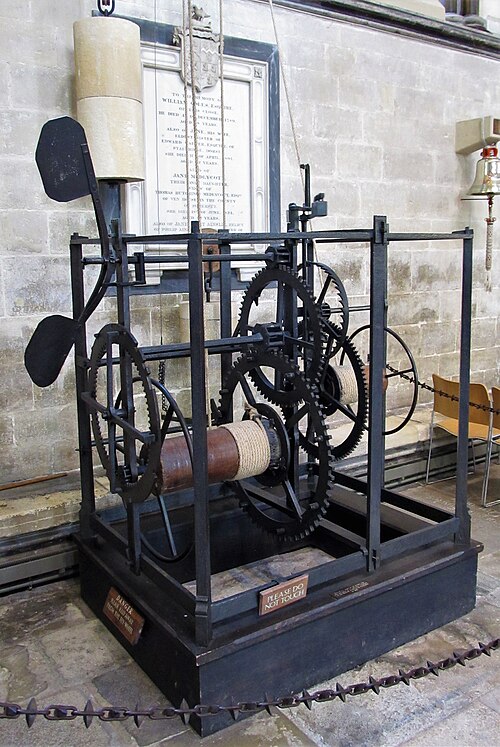
In most of these designs, oscillation was driven by a pendulum and a weight suspended from a chain; springs were incorporated into later designs. Nevertheless, these developments were sufficient to set the evolution of clocks in motion.
Initially, mechanical clocks were enormous, installed in towers, and their mechanisms often rang bells. However, as early as 1314, a household clock is mentioned; it was apparently the size of a small cabinet. By 1480, the French King Louis XI already owned a watch portable enough to accompany him on his travels. It may be considered one of the most technologically advanced devices of its time.
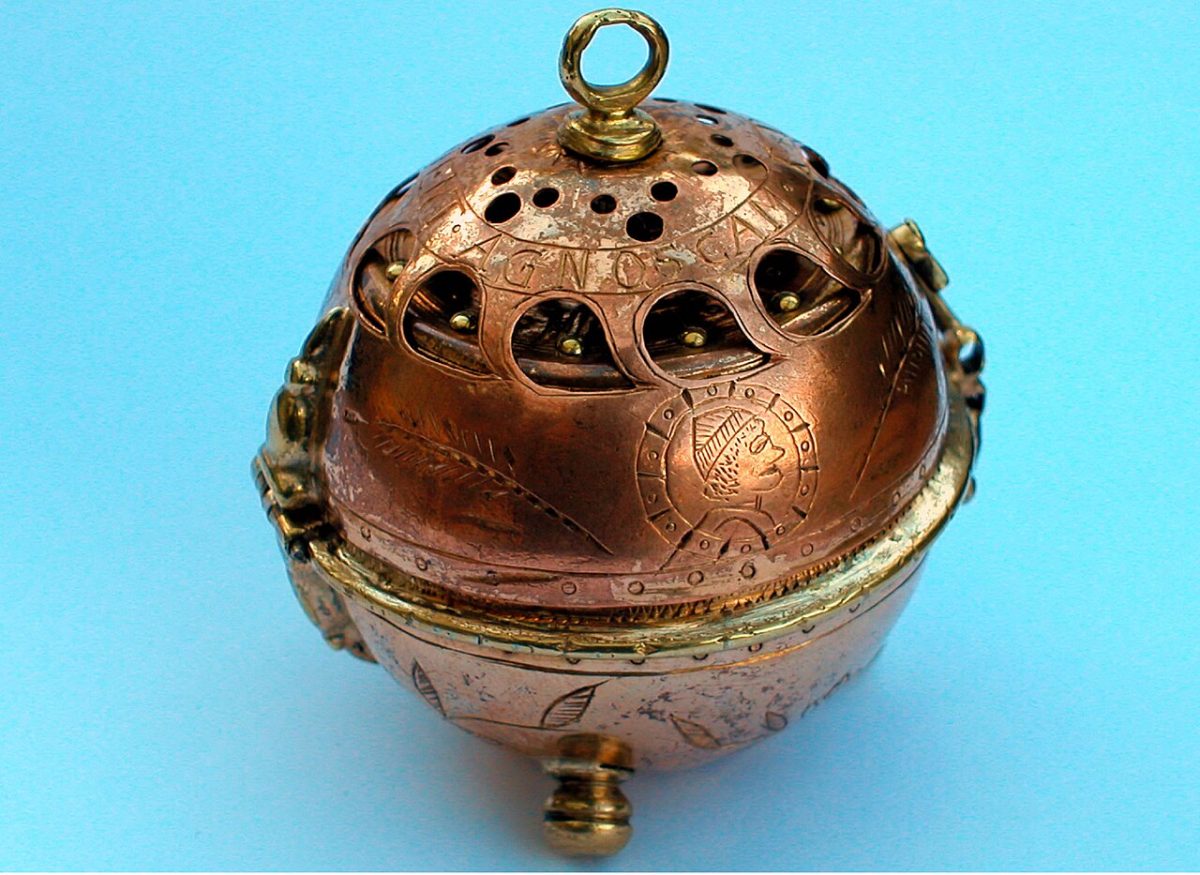
In 1510, a further breakthrough occurred when craftsman Peter Henlein created a watch that could be worn around the neck on a chain. Although it remained quite heavy, it may be considered the first genuinely portable timekeeping device.
Christiaan Huygens
However, this progress had virtually no impact on one particular feature of watches: they still predominantly displayed only the hour hand. This is unsurprising, given that their mechanisms had an error margin of 15 minutes per day. At that level of accuracy, measuring intervals shorter than an hour did not make sense.
However, this need already existed at the time. The age of ocean navigation had begun, and in the absence of GPS, sailors could rely solely on astronomical observations. Coordinates were determined by measuring the angle of the Sun or the North Star at a precisely specified time, and an error of only a few minutes could significantly affect the result.
This is precisely why Christiaan Huygens became deeply interested in the problem in the mid-17th century. He was not only a mechanical engineer but also a mathematician and astronomer. Initially, he addressed a theoretical question: why did existing clocks have such a substantial margin of error? The cause proved to lie in the pendulum: its period varies considerably with its length, making accurate timekeeping difficult.

The scientist began searching for a pendulum trajectory whose period would be independent of the amplitude of its oscillations. In 1657, he concluded that the trajectory could not be a circular arc; rather, it had to be a cycloid — a curve traced by a point on the rim of a wheel as it rolls along a straight line.
Huygens began considering how to apply this idea to a clock and decided to replace the weights and pendulum with a coiled metal spring. Although springs had already been used in clocks for some time, the Dutch astronomer was the first to propose using a coiled spring to regulate a clock’s movement.
Although he was not the only person to conceive of this idea, the Englishman Robert Hooke — the same individual after whom Hooke’s law of elastic deformation is named — also devised a very similar concept for a clock. For this reason, Huygens had to patent his own design, even though he was most likely not the first to develop it.
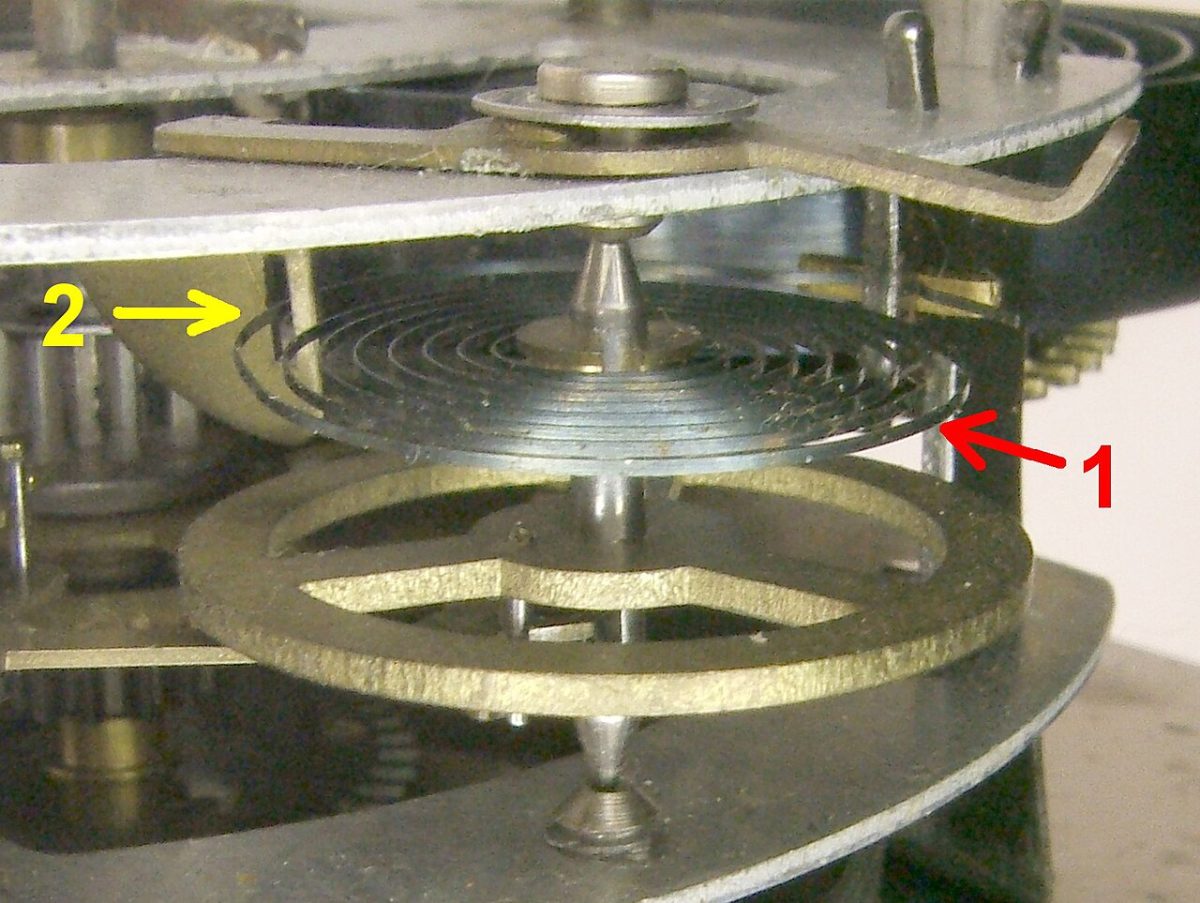
The principal advantage of the new design was its accuracy. The new escapement reduced the error from 15 minutes to 15 seconds per day. Under these conditions, the minute hand — and later, the second hand — became essential.
At the same time, simplifying the design made it possible to reduce the mechanism to a size with which we are familiar. Vests were fashionable at the time, so artisans began adding a small pocket to the inner lining. This is where they placed the watch. Consequently, the personal timepiece evolved from an impractical luxury item into an expensive yet relatively affordable and popular accessory.
Notably, it was during this period that women began wearing small watches around their necks. Although wristwatches had been invented much earlier, they remained uncomfortable and impractical until they gained popularity in the 20th century.

A functional prototype of a marine chronometer — that is, a watch capable of keeping time to the second — was not successfully developed during that period. Such a device did not emerge until the 18th century; initially, it was approximately the size of a small box and only later was reduced to the size of a wristwatch.
The escapement mechanism, developed by Christiaan Huygens, remained the most effective source of rhythmic oscillations for clocks for three centuries. It was not until the 1970s that it began to be supplanted by quartz crystals and the oscillations of cesium atoms.
However, if you consider, for example, an older alarm clock — the type that emits an unpleasantly loud sound when it rings — you will find a mechanism inside it containing a coiled spring, which was patented by Huygens.
This is the spring that is wound each time a mechanical watch is wound. Although electronic devices have largely supplanted mechanical ones, the longstanding habit of carrying a timepiece in one’s pocket has remained unchanged.
