

NASA astronaut Mike Fincke, who has nearly 30 years of experience, is leaving the space agency. He made the decision several months after a medical emergency aboard the International Space Station forced him and three colleagues to return to Earth ahead of schedule.
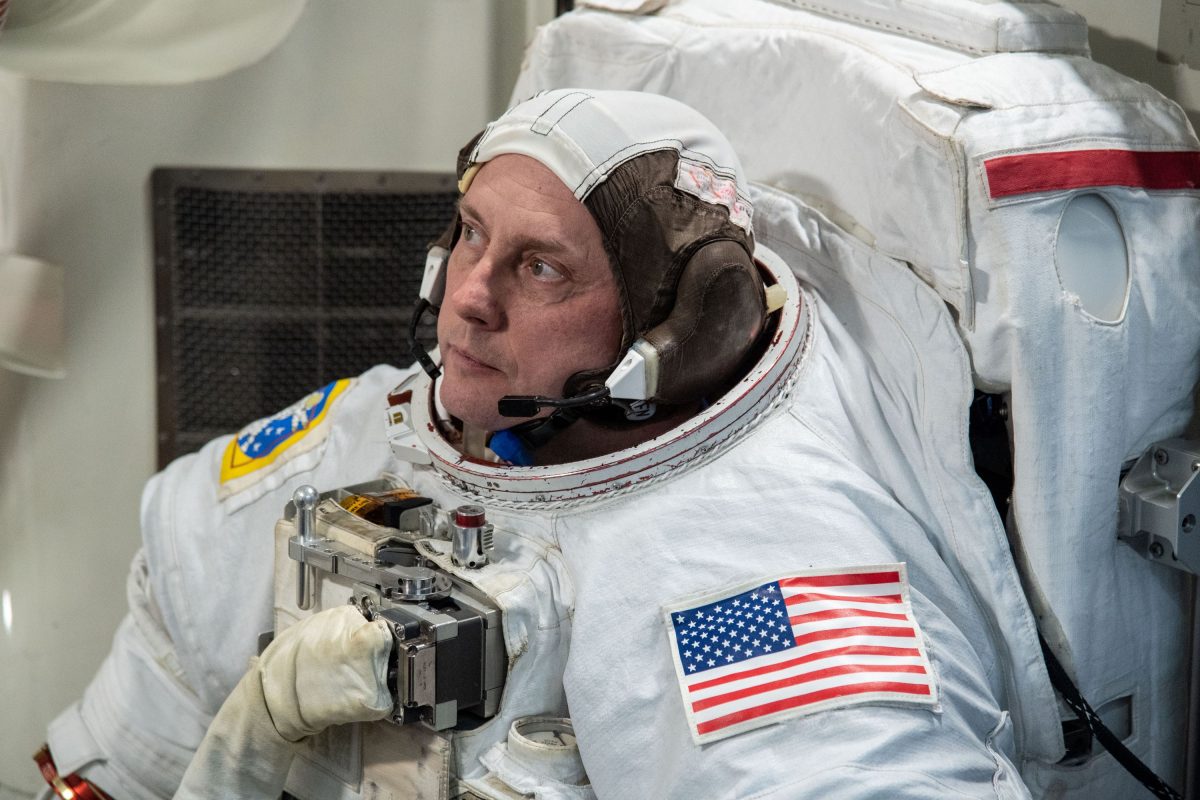
Fincke emphasized that he remains deeply committed to space exploration. In a statement, he thanked his crewmates, ground teams, international partners, and families: “I look forward to passing this knowledge on and helping prepare the next generation of engineers, explorers, and leaders. Together, we will return humanity to the Moon, travel to Mars, venture to planets and moons beyond Earth, and one day reach the stars — all while taking care of Earth.” Neither Fincke nor NASA disclosed the former astronaut’s future plans.
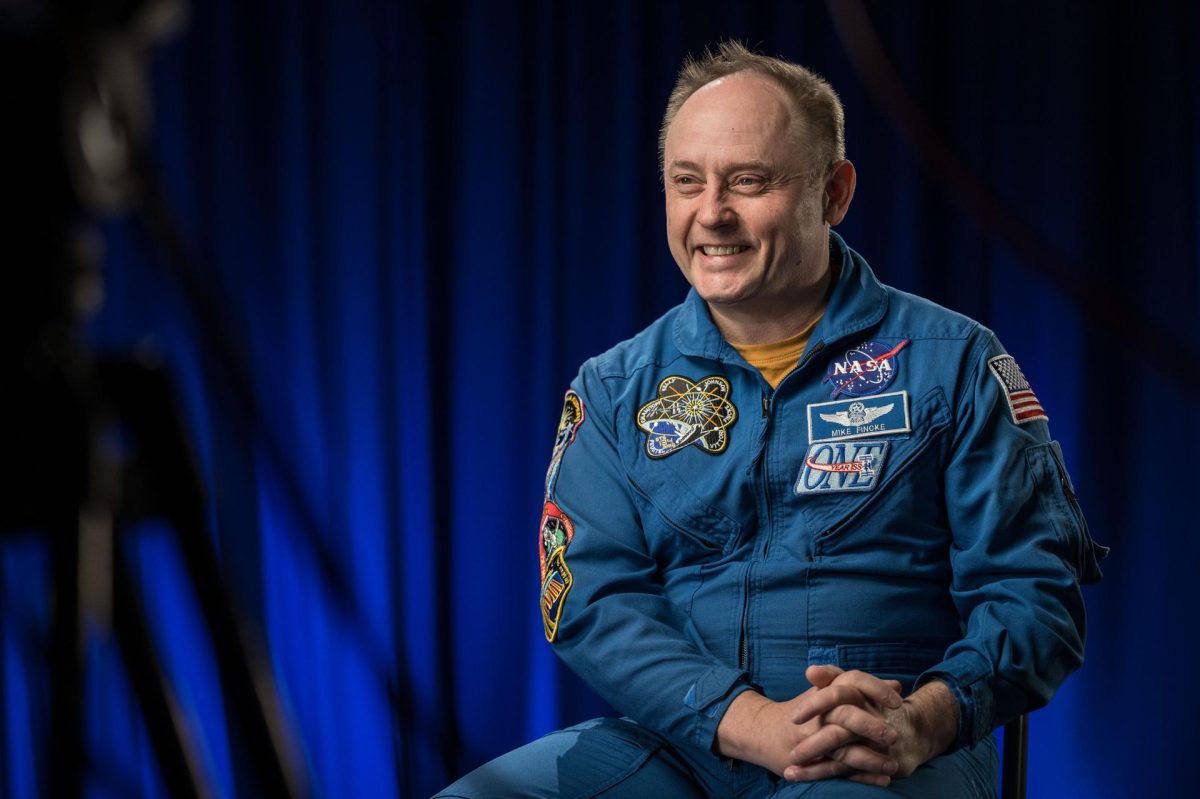
Fincke joined the astronaut corps in 1996. Over the course of his career, he flew four missions, spending a total of 549 days in orbit and completing nine spacewalks. He spent most of that time working aboard the ISS.
Medical Mystery in Orbit
His most recent stay aboard the station disrupted the mission and drew worldwide attention. During the SpaceX Crew-11 mission, Fincke suddenly lost the ability to speak for approximately 20 minutes. According to him, he did not feel short of breath, but his colleagues immediately noticed the problem and rushed to help.

The crew also included NASA astronaut Zena Cardman, Kimiya Yui (JAXA), and cosmonaut Oleg Platonov. In mid-January, they returned to Earth several weeks earlier than planned. This marked the first time that NASA ended a mission early for medical reasons.
Initially, the agency did not identify the affected crew member or disclose details in order to protect their privacy. Fincke later spoke about the incident himself in an interview with the AP. The cause remains a mystery, and NASA and medical researchers are continuing to investigate it. The agency decided to bring the crew home so that modern imaging techniques unavailable aboard the station could be used.
Consequences for the Station
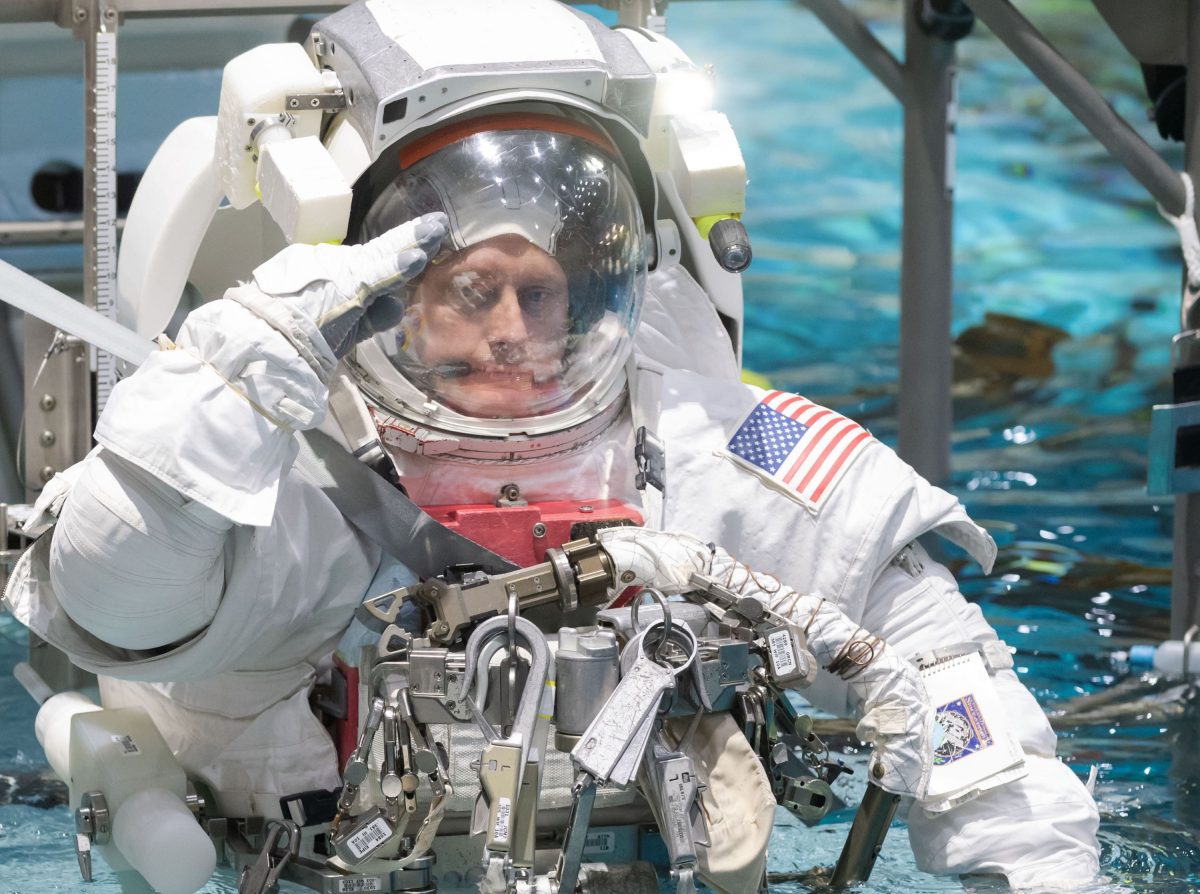
Because of the incident, NASA canceled the planned spacewalk, accelerated the return of Crew-11, and moved up the launch of the next mission. After the four crew members departed, only three astronauts temporarily remained aboard the station. On February 14, the Crew-12 crew arrived, bringing the number back up to seven — the optimal staffing level for scientific experiments and daily operations.
Fincke is leaving, but his experience and his call to future generations remain part of the larger story of space exploration.
Earlier, we reported on how the Starliner failure gave a sidelined astronaut the chance to lead the SpaceX Crew-11 mission.
According to NASA
