

The first target list has been compiled for Lazuli, a space observatory being built with philanthropic funding rather than by a government agency. It includes gas giants orbiting nearby stars. Astronomers plan to photograph them using light from their host stars reflected by the planets themselves. This approach could reveal old, cold planets that remain invisible to current direct-imaging methods.
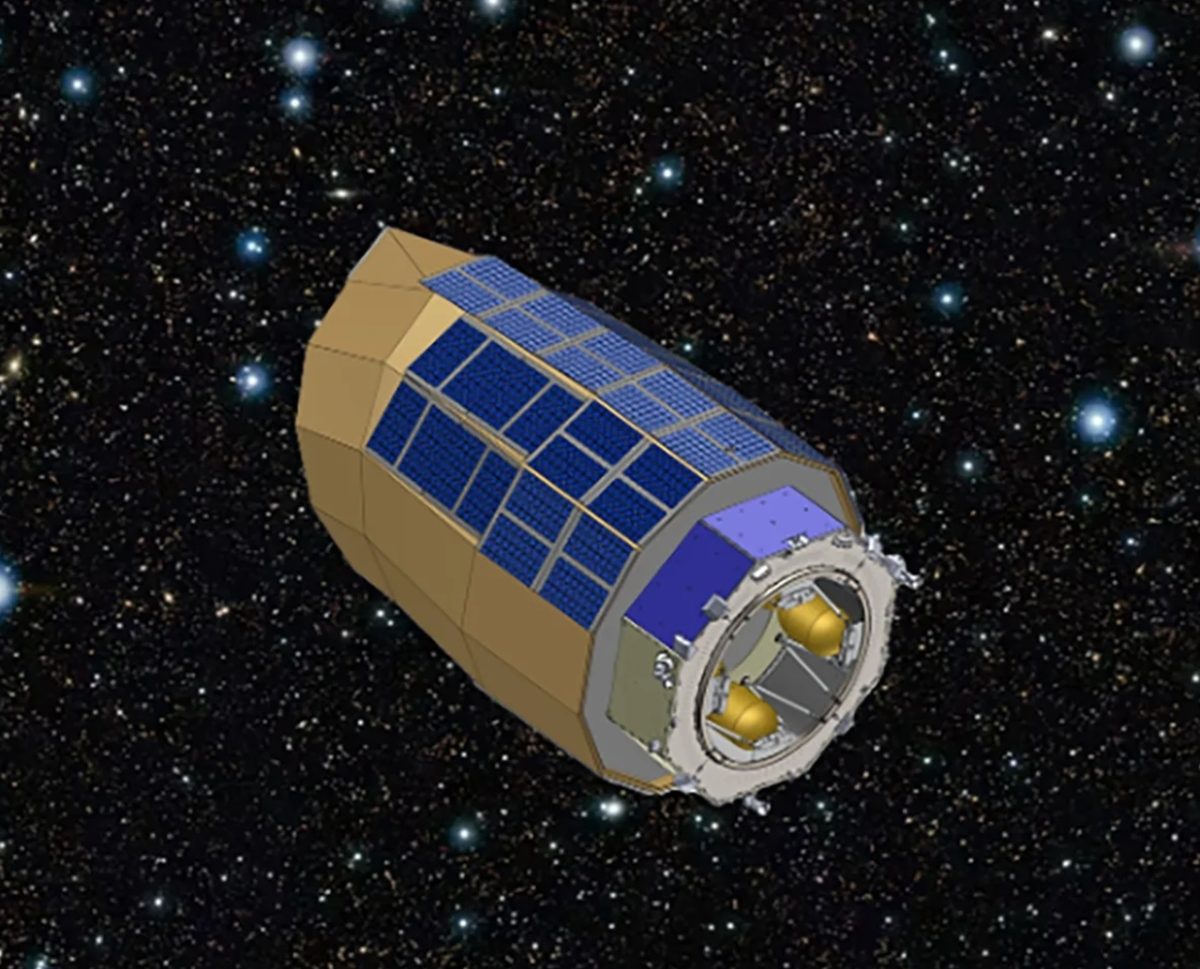
Larger Than Hubble
The Lazuli observatory is funded by former Google CEO Eric Schmidt and his wife, Wendy Schmidt, through the philanthropic organization Schmidt Sciences. Its president, Stuart Feldman, described Lazuli as the first full-scale, privately funded space observatory, according to Scientific American.
The telescope’s primary mirror measures 3 meters in diameter, compared with Hubble’s 2.4 meters. One of its three instruments, a coronagraph, is designed to image exoplanets.
A List of 27 Planets
Logan Pearce of the University of Michigan and Ewan Douglas of the University of Arizona’s Steward Observatory selected the planets for observations with Lazuli’s coronagraph. Their preprint appeared on arXiv, and its findings have not yet undergone peer review. The list contains 27 planets, all of them gas giants.
Among the most promising targets, the authors identify 14 Herculis b and Beta Pictoris b. The latter was among the first exoplanets to be directly imaged.
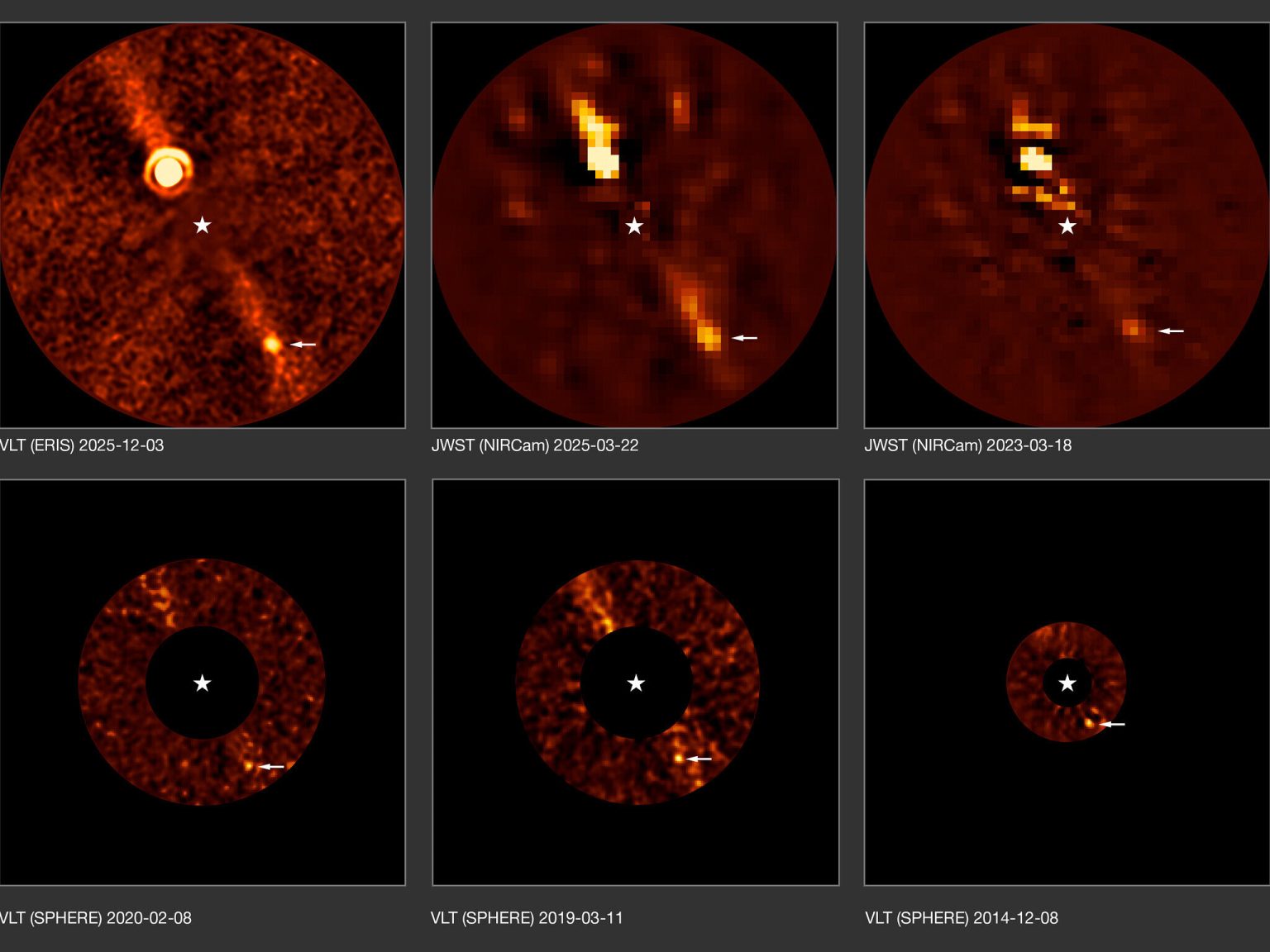
Only planets orbiting bright stars and with well-established orbits made the list. Knowing a planet’s orbit allows astronomers to calculate when its apparent separation from its star will be large enough to keep it from disappearing in the glare. There is little room for error, as a single observation takes tens to hundreds of hours.
Reflected Light Instead of Thermal Emission
So far, all direct images of exoplanets have captured their own infrared emission, produced by heat left over from their formation. As a result, these images have primarily revealed young giants, since planets cool and fade as they age.
Reflected light, however, does not diminish with age. Visible wavelengths are shorter than infrared wavelengths, producing sharper images and allowing planets closer to their stars to be distinguished.
A coronagraph inside the telescope suppresses the central star’s glare. Without it, the planet would be invisible, as it is between ten million and a billion times fainter. To a distant observer, Jupiter would appear approximately a billion times fainter than the Sun. Earth is ten billion times fainter than the Sun, so Lazuli will not be able to reveal twins of our planet.

As Universe Today notes, some targets will also be observable with the Nancy Grace Roman observatory’s coronagraph and the METIS infrared instrument on the Extremely Large Telescope. Comparing images at different wavelengths will give astronomers a more complete picture of their atmospheres.
Cost and Contractors
Schmidt Sciences has not disclosed the budget but estimates the project’s cost at hundreds of millions of dollars, roughly one-tenth the price of a flagship NASA mission. For comparison, James Webb cost approximately $10 billion. The team expects to save money by using commercially available components and assembling the telescope in Florida near the launch site.
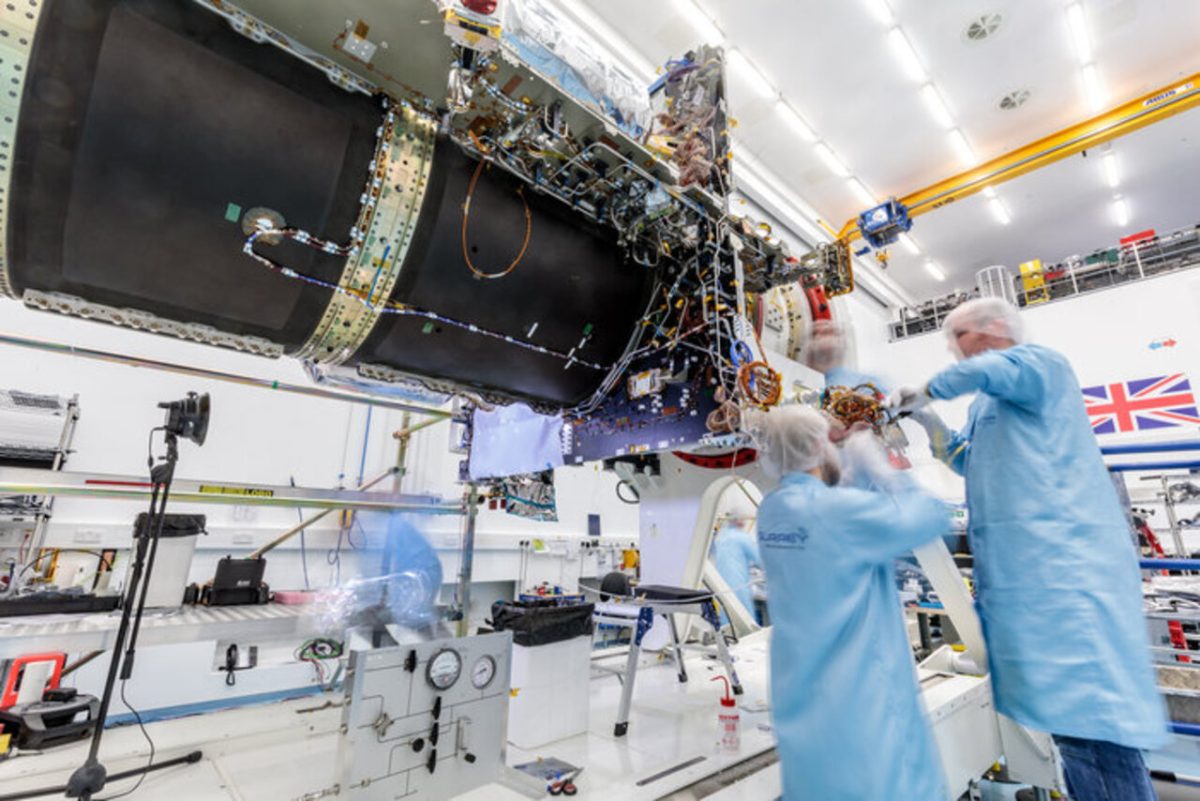
The British company SSTL is building the spacecraft platform, according to SpaceNews. The rocket has not been officially named, but launch is planned from a complex at Cape Canaveral used by Relativity Space, a company headed by Eric Schmidt himself. The project has no commercial business model, and its data will be made publicly available within days of observations.
Launch is planned for no earlier than 2028. The target list may change before then because the orbital inclinations of several planets remain unknown. Once these are measured, the authors expect those planets to become top-priority targets.
