
Thousands of galaxy clusters remained unnoticed in the earliest light of the universe for years. It was possible to detect them not by their own radiation, but by the characteristic imprint they leave on relic radiation — the echoes of the Big Bang. Astronomers recorded a significant part of these systems for the first time.
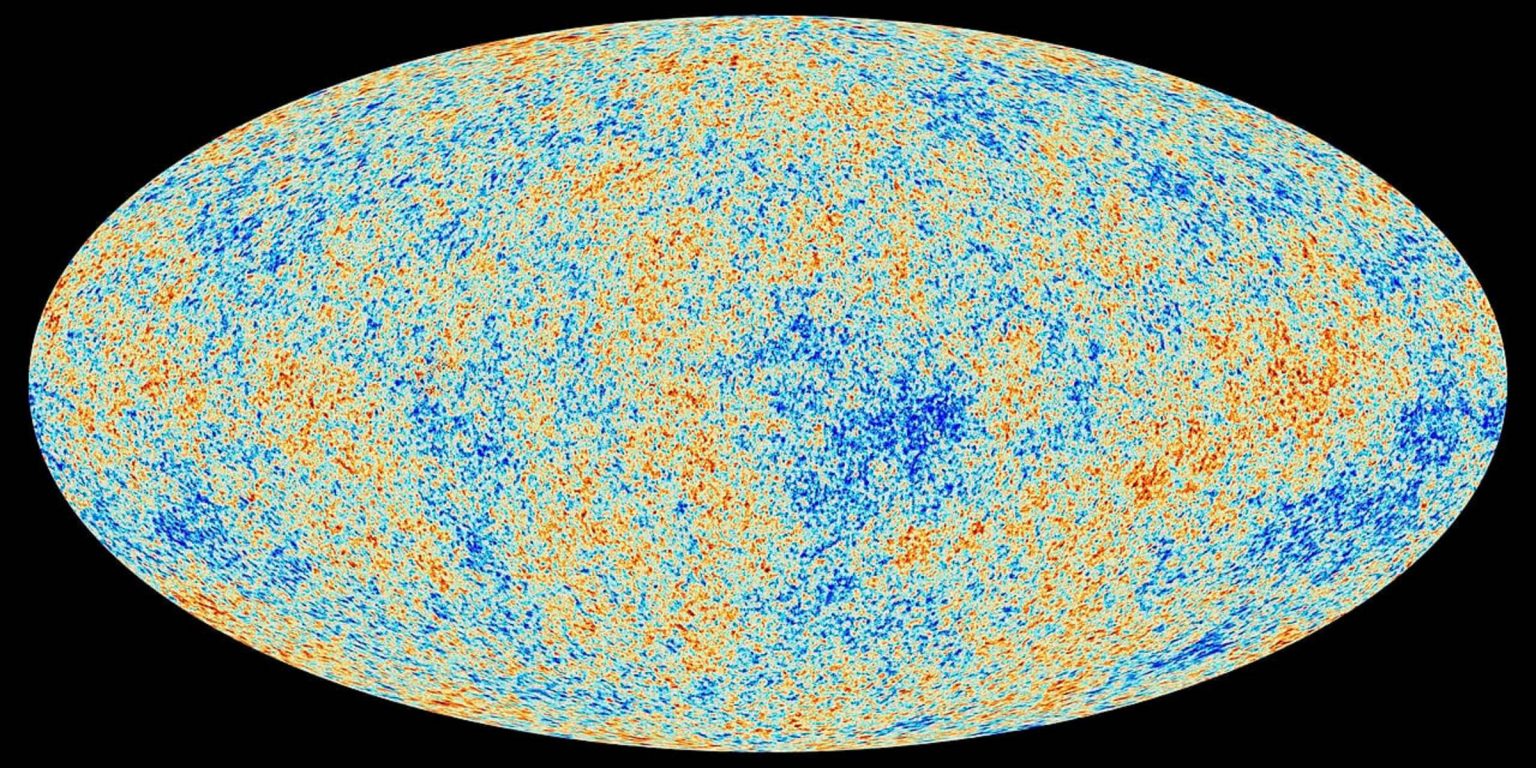
A Shadow on the Cosmic Microwave Background
Galaxy clusters are among the largest structures in the universe held together by gravity. Each cluster contains hundreds or thousands of galaxies, hot gas, and a massive amount of dark matter.
Because of their immense scale, such systems serve as indicators for testing theories about dark matter and dark energy. They also allow scientists to trace how the structure of the universe has evolved over billions of years.
To detect these clusters, the researchers did not photograph the galaxies directly. Instead, they looked for a barely noticeable distortion in the cosmic microwave background, a faint echo of the Big Bang. When this ancient light passes through a cluster, high-energy particles of hot gas leave a characteristic imprint on it. The phenomenon is named after physicists Rashid Sunyaev and Yakov Zeldovich.
Detectors at the Pole
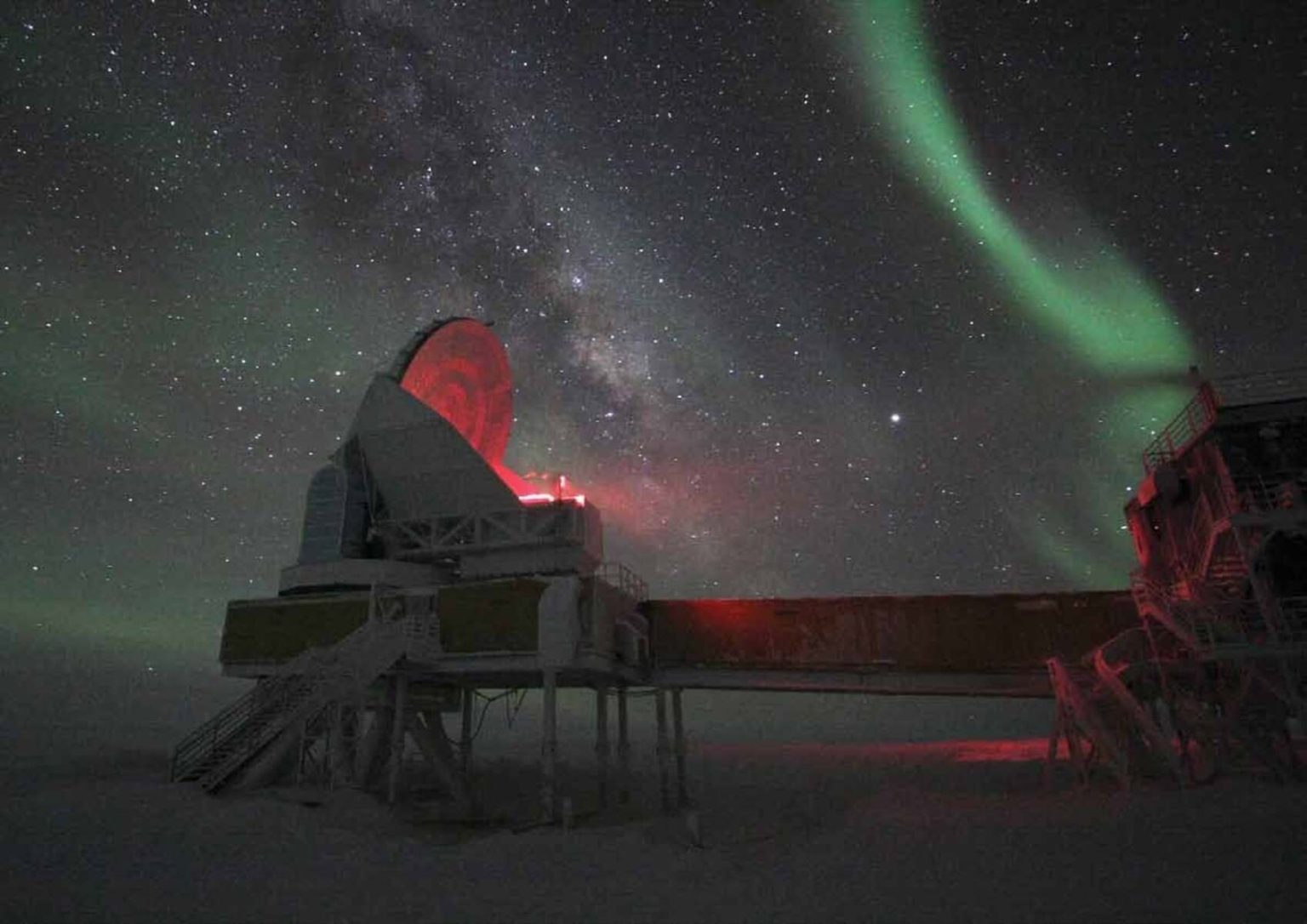
The catalog was compiled as part of the SPT 3G experiment, according to Universe Today. The camera for the experiment was upgraded in 2017 with the installation of 16,000 detectors manufactured at Argonne National Laboratory.
The equipment is operating at the South Pole Telescope near the Amundsen-Scott Station in Antarctica. The dry, thin air above the pole causes almost no interference with observations in the millimeter range, making this one of the best places on Earth for such work.
Two-thirds of the Hot Gas
The survey covered about four percent of the sky. Initially, 8,892 candidates were selected from the data, and 7,190 of them were confirmed using optical and infrared data from the Dark Energy Survey.
About one-fifth of these clusters had not been recorded in any previous catalog. For two-thirds of the entire sample, hot gas was detected for the very first time. The oldest systems existed more than 7.8 billion years ago, when the universe was still relatively young.
Signal does not weaken with distance
The hot gas signal in the relic light is almost independent of the cluster’s distance, whereas the ordinary light from galaxies fades with distance. Thanks to this property, this method is equally effective for detecting both nearby and very distant systems.
The catalog also revealed something somewhat unexpected. In older clusters, significantly more radiation from dust was detected, indicating a change in the rate of star formation around these giant systems as the universe has aged.
Team and Next Steps
The study was led by Lindsey Bleem of Argonne National Laboratory. Kayla Cornoelie, a graduate student at the University of Chicago, was responsible for verifying the data to confirm that the detected clusters were real and not statistical noise.
These results will soon be supplemented by data from surveys conducted by the Vera Rubin Observatory in Chile and ESA’s Euclid space mission. The new observations will expand the catalog to include even more distant clusters.