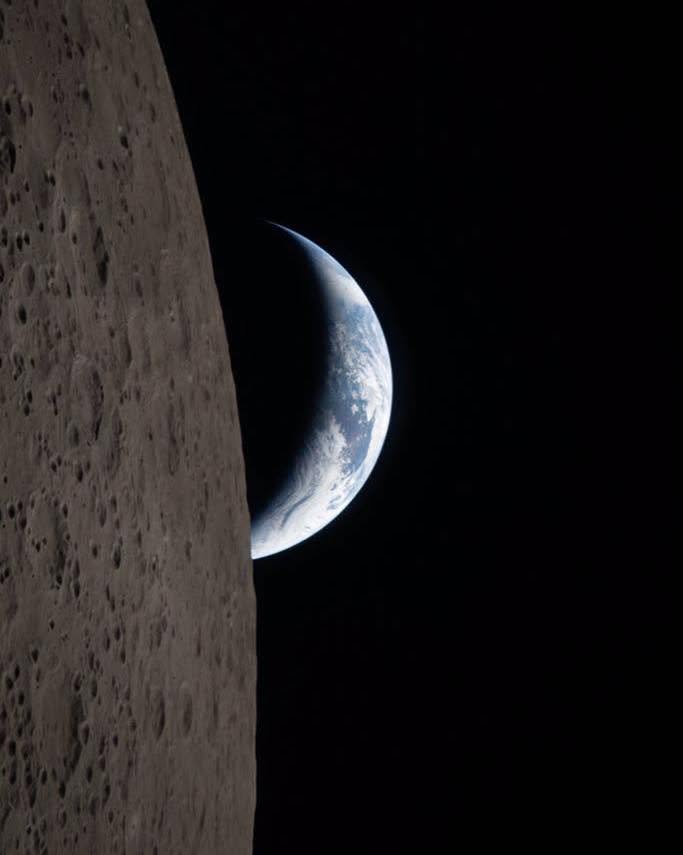
On August 23, 1966, humanity received the first photograph of Earth captured from lunar orbit by the American spacecraft Lunar Orbiter 1. For 60 years, we have continued to receive photographs of our satellite, many of which are noteworthy and memorable.
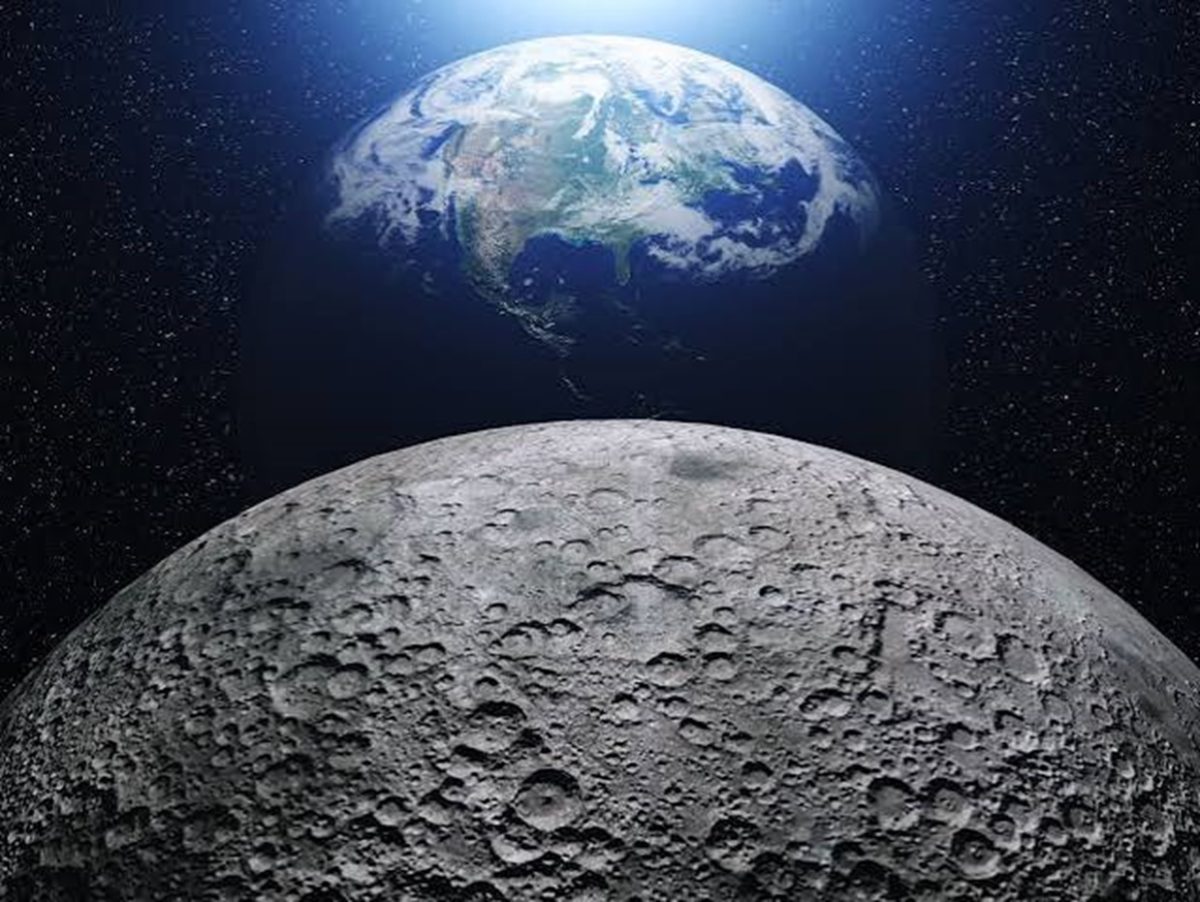
Mission Lunar Orbiter
August 23 commemorates the 60th anniversary of the initial photograph of Earth captured from lunar orbit. This milestone enabled us to perceive what our planet appears to be through the perspective of extraterrestrial observers. Despite the absence of life on the Moon, humanity may establish a settlement there in the future. When this occurs, they will observe our planet as a recognizable object in the sky.
In fact, the primary motivation for the Lunar Orbiter 1 spacecraft — the first to capture an image of Earth — to end its mission in lunar orbit was the imperative to initiate lunar exploration at the earliest opportunity. Although the Apollo program was already progressing vigorously, engineers still lacked comprehensive surface imagery to identify suitable landing zones for the lunar module.
The Ranger program of automatic probes, originally assigned to this mission, was unable to execute it; consequently, the considerably Lunar Orbiter which were specifically designed for photographic mapping of the Moon and selecting landing sites probes were employed instead. These spacecraft were conical, measuring 1.65 meters in height and 1.5 meters in diameter, and equipped with four solar panels. In addition to an optical system and a Kodak camera, they contained control and data-transmission equipment for communication with Earth, a micrometeorite detector, and a star-tracking navigation system.
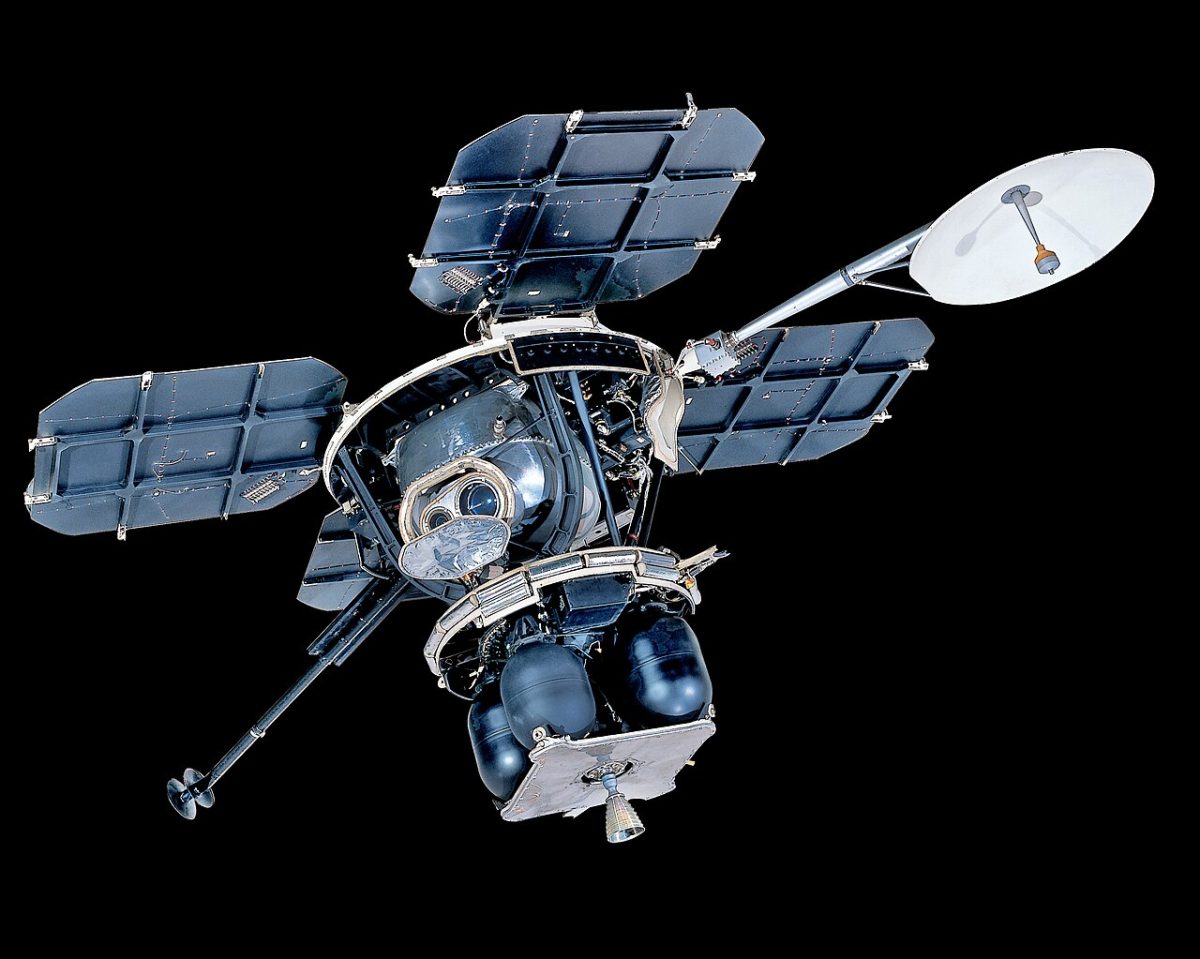
From 1966 to 1967, a total of five Lunar Orbiter spacecraft were launched into space. These missions successfully mapped 99% of the lunar surface with a resolution of one meter. In total, they captured 2,180 high-resolution images and 882 medium-resolution images, thereby fulfilling the program’s primary objectives.
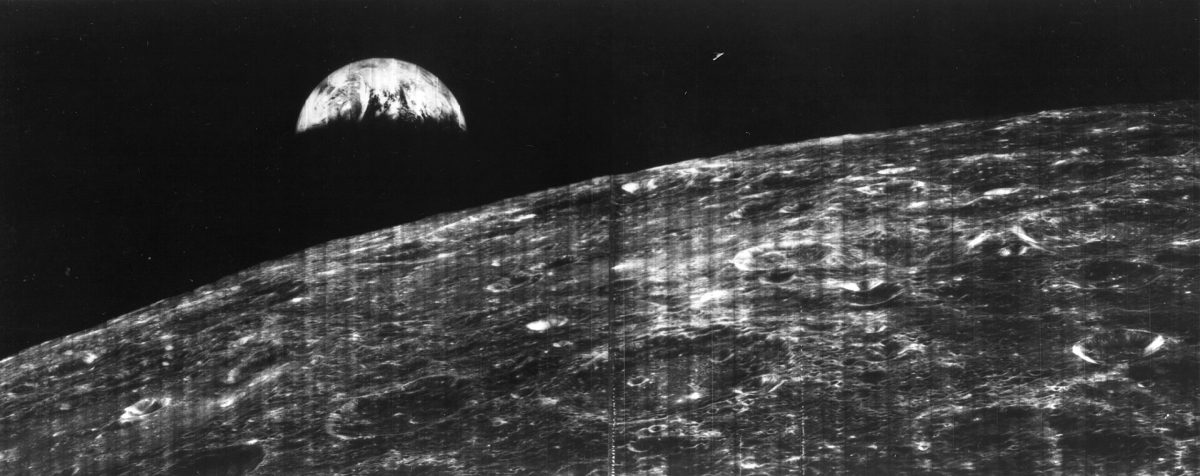
The initial photograph captured in proximity to the Moon
The photograph, which holds the distinction of being the first image of Earth captured from lunar orbit, was not initially anticipated. As previously noted, the spacecraft’s primary objective was to photograph the Moon’s surface. Nonetheless, towards the conclusion of the mission, when the success of the endeavor was already evident, it captured the Earth rising above the horizon. Although the image is somewhat blurry, it generated significant public and scientific interest.
Earthrise
The renowned photograph “Earthrise” was captured by astronaut William Anders on December 24, 1968. The Apollo 8 crew members were the pioneering individuals to attain the Moon’s orbit. This image is distinguished as the first to depict both the Moon, in close proximity to the spacecraft, and the Earth, observed in its crescent phase.
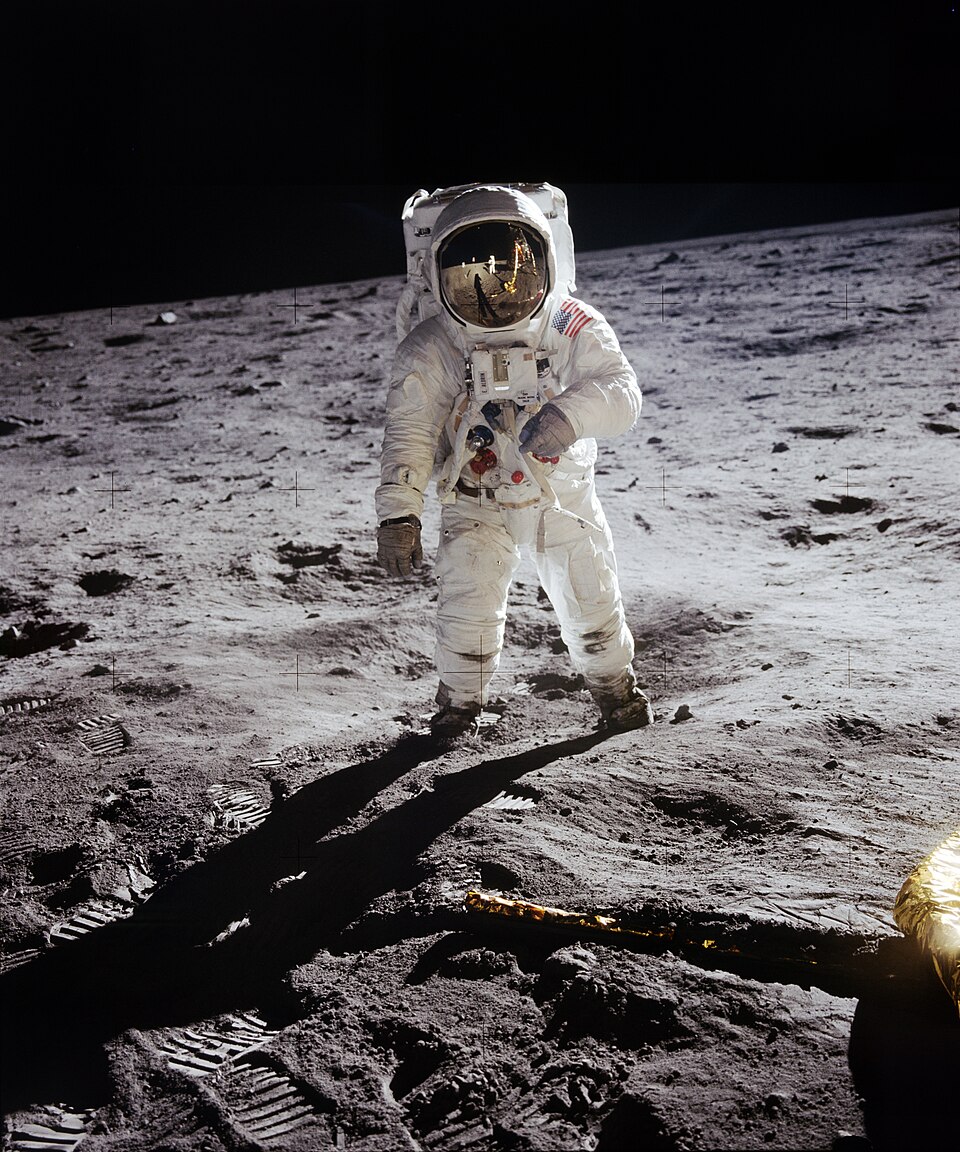
Reflection on the helmet
Upon initial examination, this photograph appears to depict Apollo 11 astronaut Buzz Aldrin posing for his colleague, Neil Armstrong, on the lunar surface. However, upon closer inspection, a reflection of the Moon’s surface and the Earth above it can be observed on his helmet. The photograph was captured on July 21, 1969, during the historic first human landing on the Moon.
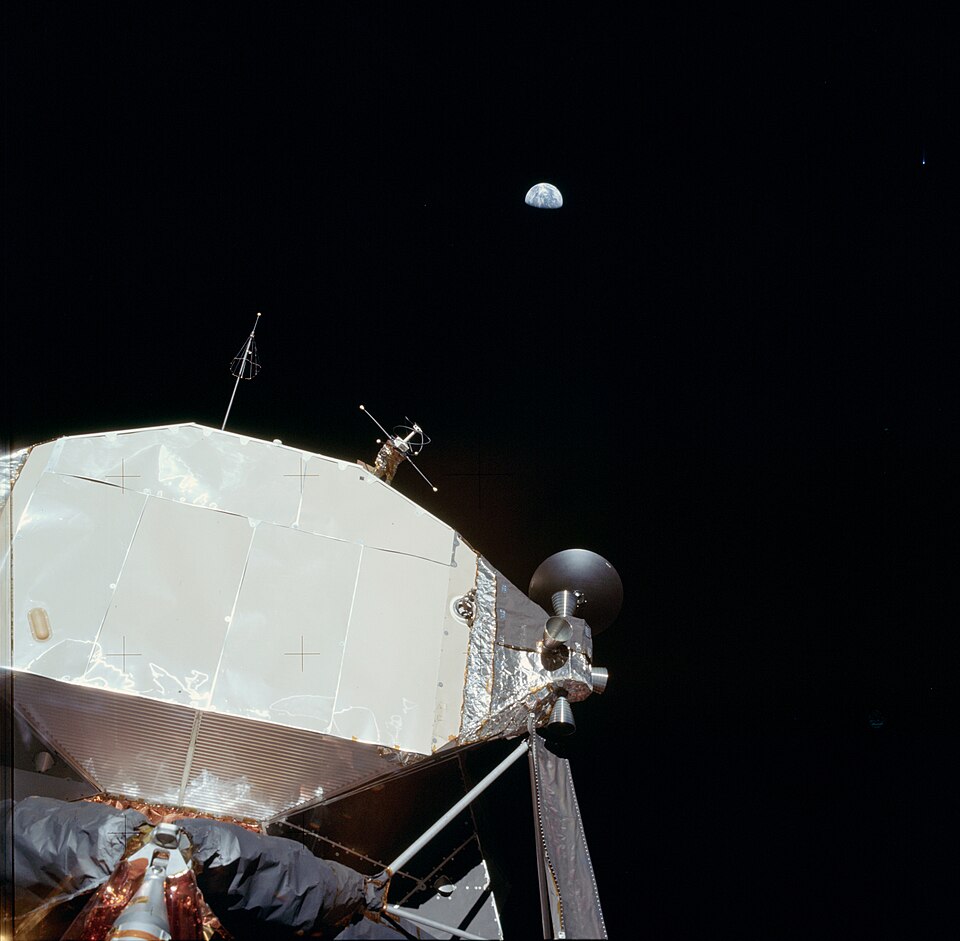
The Earth as seen from the Apollo 11 module
The photograph depicts Earth as observed from the Eagle lunar lander of the Apollo 11 mission, captured by the same team on the identical day as the preceding image.
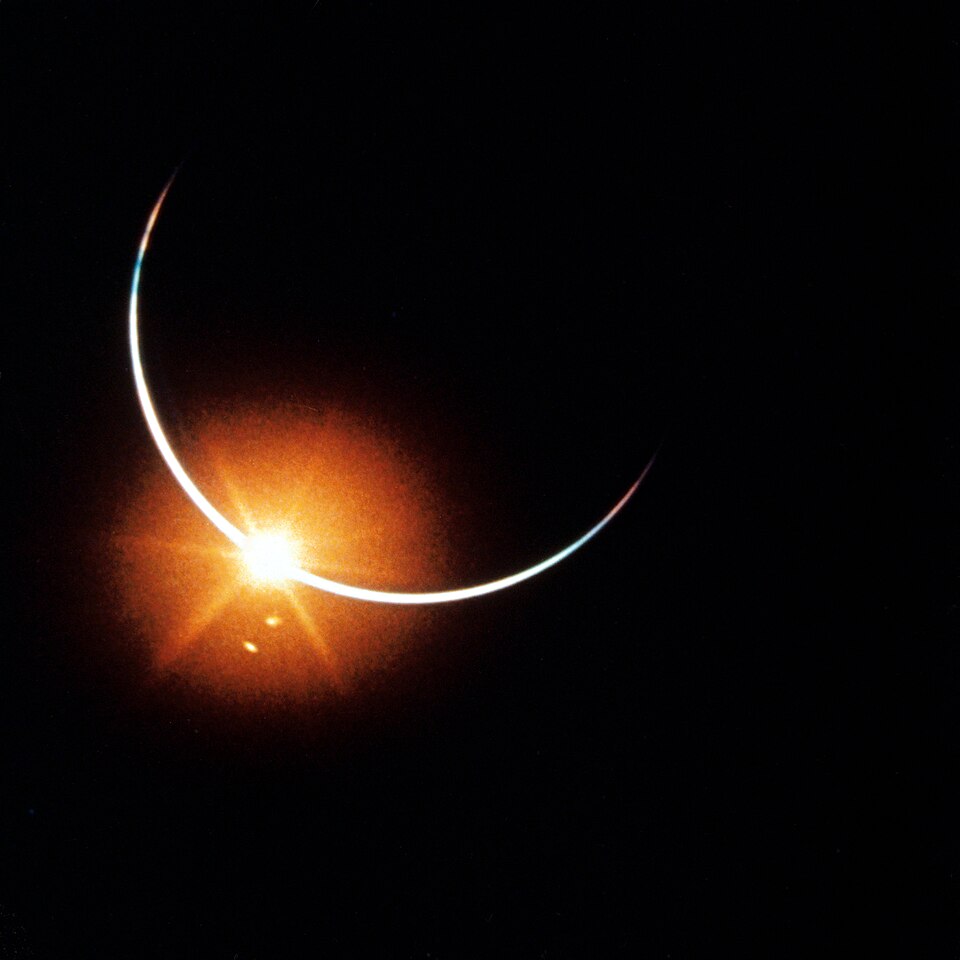
Solar eclipse on the Moon
The Apollo 12 crew captured the subsequent iconic photograph of Earth on November 24, 1969. It depicts the first solar eclipse in history to be documented from the lunar surface. Typically, during such phenomena, the Sun is concealed by our Moon; however, in this instance, Earth fulfilled that role.
The Blue Marble
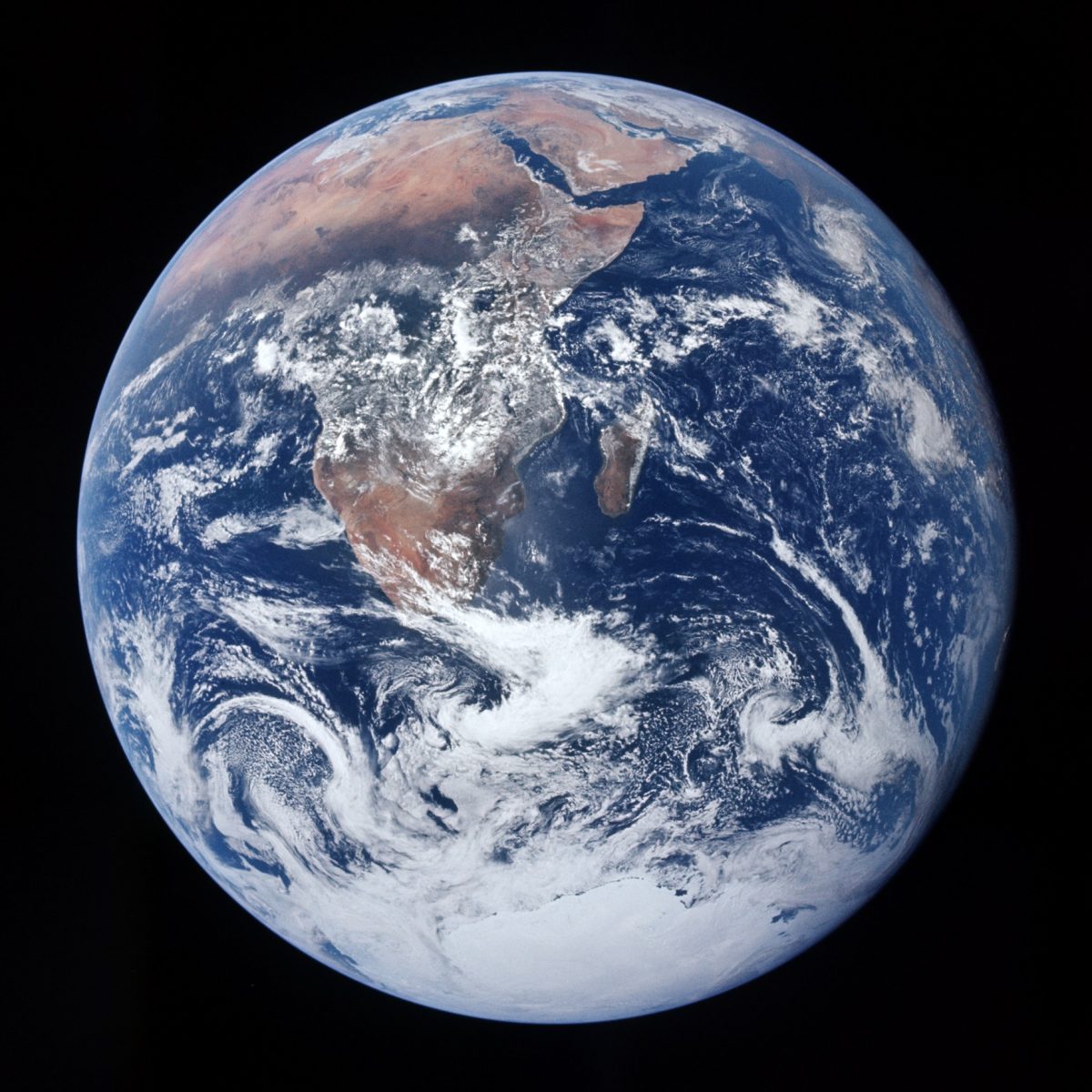
“The Blue Marble” is another iconic photograph taken by the members of the lunar expedition. On December 7, 1972, Apollo 17 was en route to the Moon, at a distance of 29,400 km from Earth. This moment proved to be optimal for capturing the Earth in its entirety; however, the outlines of Africa, Madagascar, and Antarctica remained distinctly visible on its surface.
Hello world
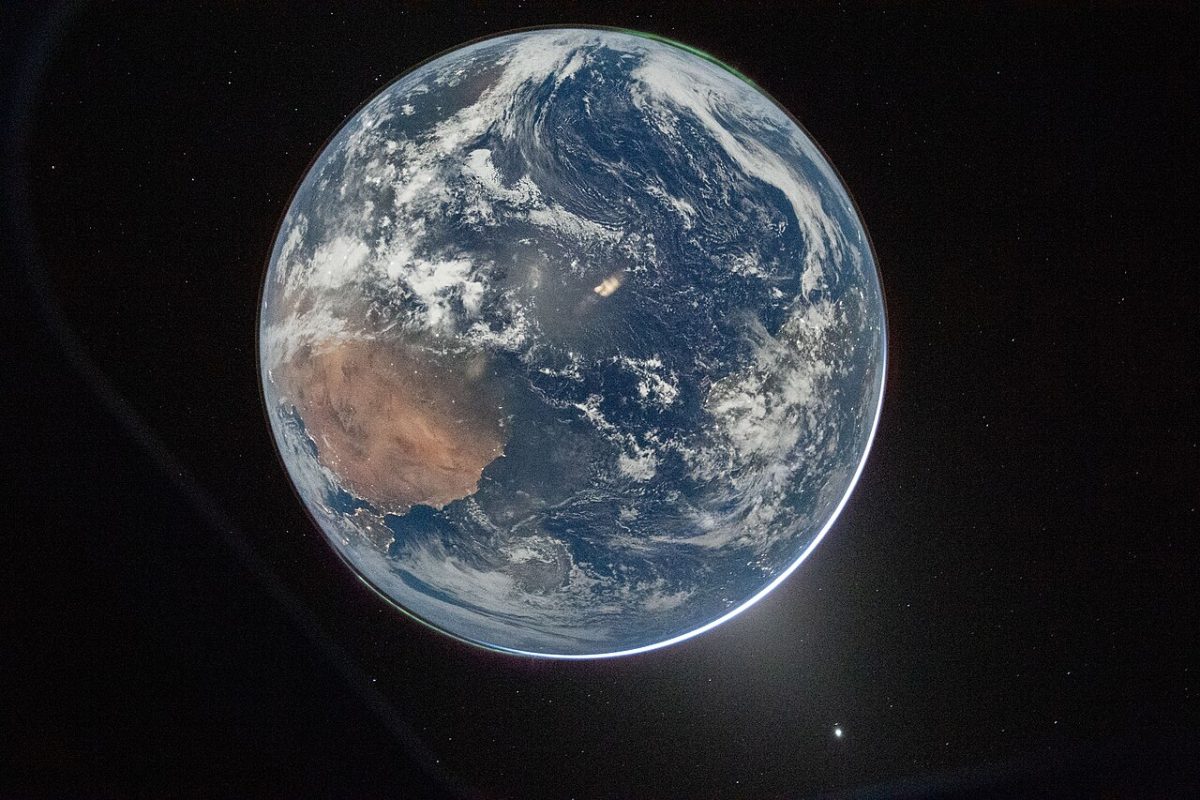
“Hello world” is the name of the simplest program, typically written by those learning any programming language. It is also the title of a photograph captured by astronaut Reid Weisman on April 3, 2026, during the Artemis II mission to the Moon. It bears a striking resemblance to the “Blue Marble” image from Apollo 17. However, there is actually a 54-year gap between them, during which no human had the opportunity to take such a photograph of Earth on their own.
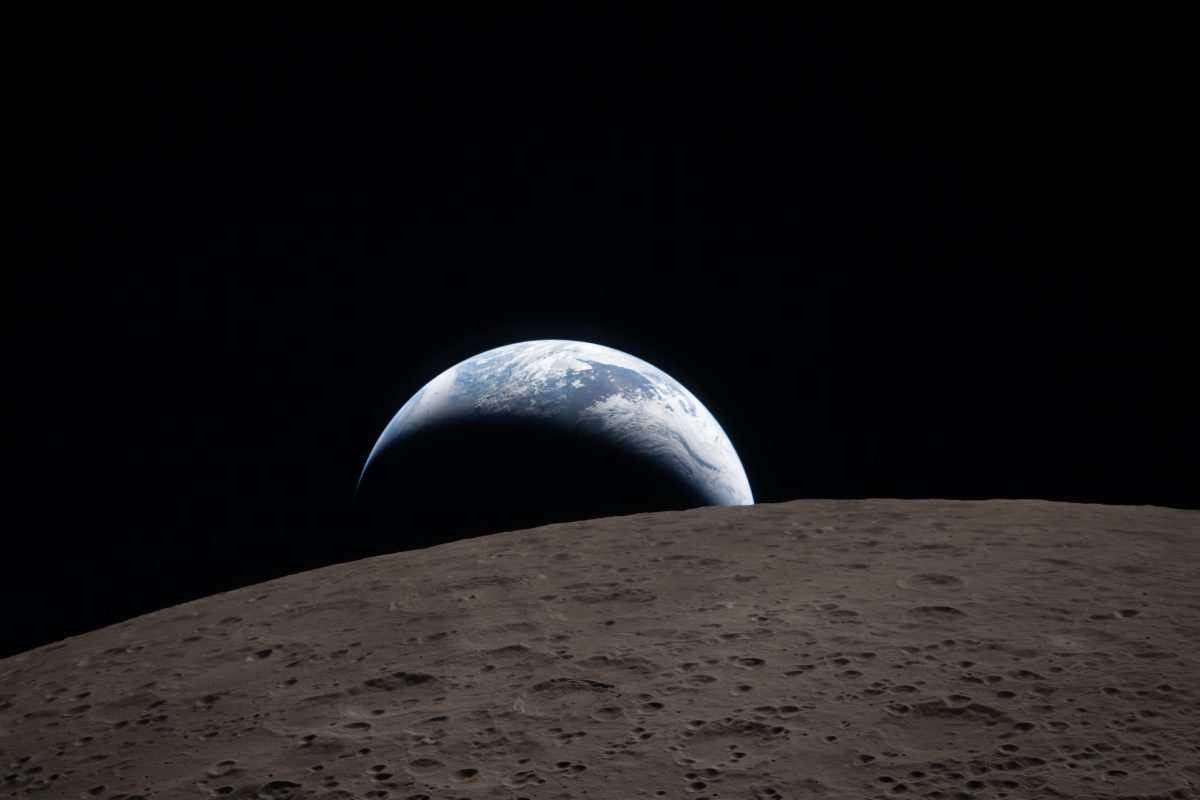
New Earthrise
The Earth appears from behind the Moon’s disk during the Artemis II mission