

Scientists used satellite data to determine how ground levels are changing in 465 of Earth’s largest cities. The data indicate that they are sinking into the ground under their own weight, extremely slowly, millimeter by millimeter.
Measuring Ground Movement
New satellite data show that the ground beneath our planet’s major cities is subsiding each year. Cities in Asia and Mexico are particularly affected. These cities face an increased risk of damage to buildings and urban utilities, according to phys.org.
Land subsidence is the gradual sinking of the ground, which can damage buildings, foundations, drainage systems, and sewers, while also increasing the risk of flooding. However, information on subsidence patterns remains limited, making it difficult for policymakers to identify where risks are increasing and where urgent intervention is needed. Previous assessments often used different methods or time periods, or focused on only a small number of cities, making global comparisons difficult.
Shengli Tao, Xie Hu, and their colleagues analyzed high-quality satellite data collected between 2014 and 2023 to measure ground movement in 465 cities across 107 countries. Their findings were published in the journal Nature Cities.
Subsidence Rates in Major Cities
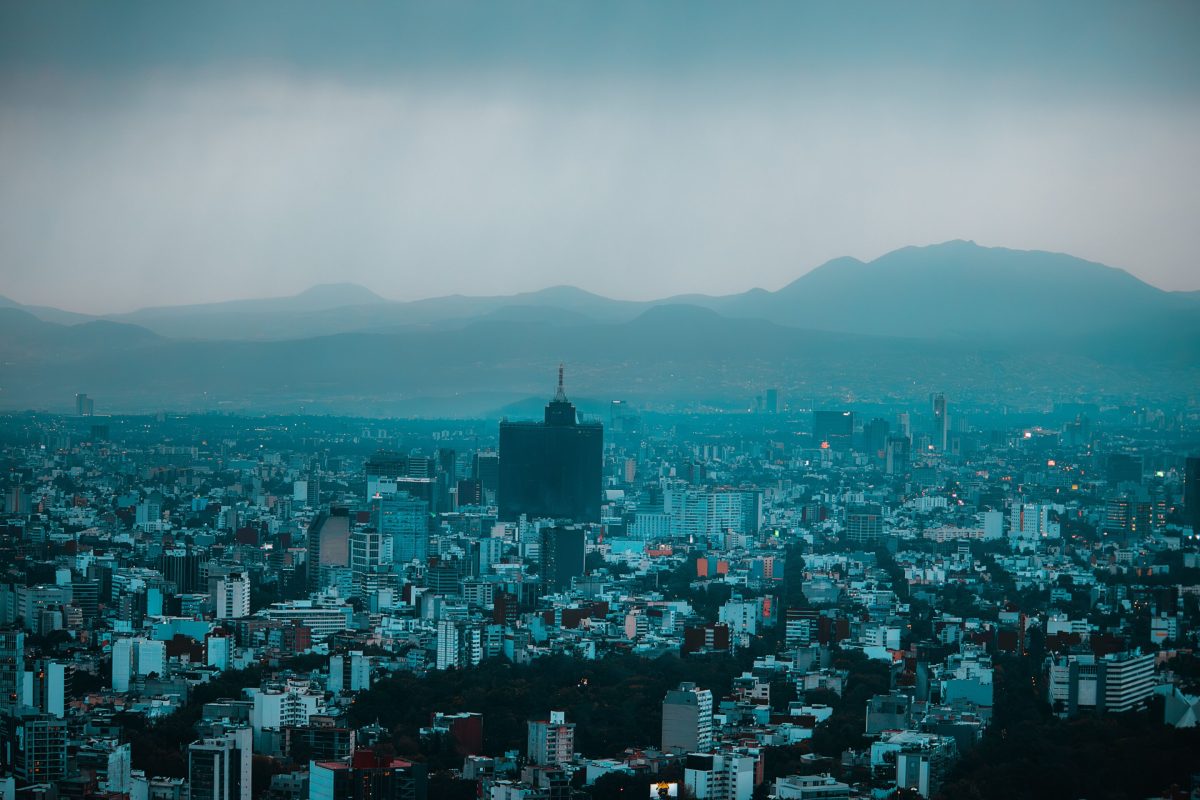
Some areas of Mexico City recorded the fastest localized subsidence—approximately 217 millimeters per year (8.5 inches per year)—although the citywide average was only 8 millimeters per year (0.3 inches per year). Torreón, also in Mexico, subsided by approximately 17 millimeters per year (0.7 inches per year).
At the regional level, the highest subsidence rates were found in Asia. Medan, at approximately 33 millimeters per year (1.3 inches per year), Bandung in Indonesia, at 22 millimeters per year (0.9 inches per year), and Isfahan in Iran, at 11 millimeters per year (0.4 inches per year), had the highest average citywide subsidence rates.
Annual ground movement was generally stable in Boston, New York, London, Beijing, Tokyo, Seoul, Sydney, Montevideo, and Naples, with estimated subsidence and uplift rates ranging from 0.1 to 1.9 millimeters per year (0.004–0.075 inches per year). Given their small magnitude, these measurements should be interpreted cautiously.
The authors caution that the nine-year study focused on relative local subsidence in major cities, may not cover areas outside administrative boundaries, and has greater uncertainty where ground-station coverage is sparse. Continued monitoring could confirm whether these trends persist and help guide targeted interventions.
