

The space mines of the future will probably begin not with drills and explosives, but with inconspicuous mold. An experiment aboard the ISS has shown that it is capable of efficiently extracting valuable metals from real meteorite material.
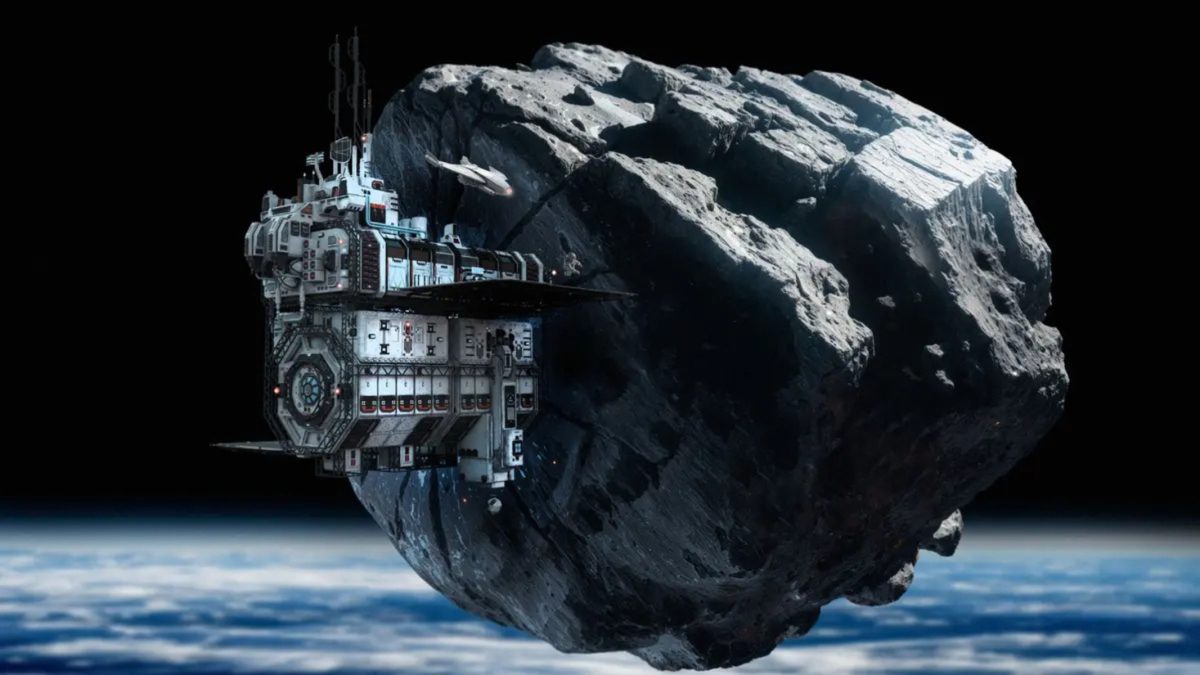
Tiny Miners
Microorganisms have been breaking down rocks and extracting elements from them for at least three and a half billion years. They need metals for growth, so over this time they have become highly effective at breaking down mineral matrices.
According to Charles Cockell, Professor of Astrobiology at the University of Edinburgh, microbes can be thought of as tiny natural factories. A single cell measuring about one-thousandth of a millimeter changes almost nothing on its own, but billions of such cells in a small volume can produce a noticeable result. On Earth, biological extraction already accounts for about twenty percent of the world’s copper production.
A Meteorite in an Incubator
For the orbital experiment aboard the ISS, researchers used crushed material from the NWA 869 meteorite, an ordinary stony chondrite, and two types of microorganisms. The bacterium Sphingomonas desiccabilis had already been sent to the station in the previous BioRock experiment, while the fungus Penicillium simplicissimum is known on Earth for its ability to leach metals from industrial waste.
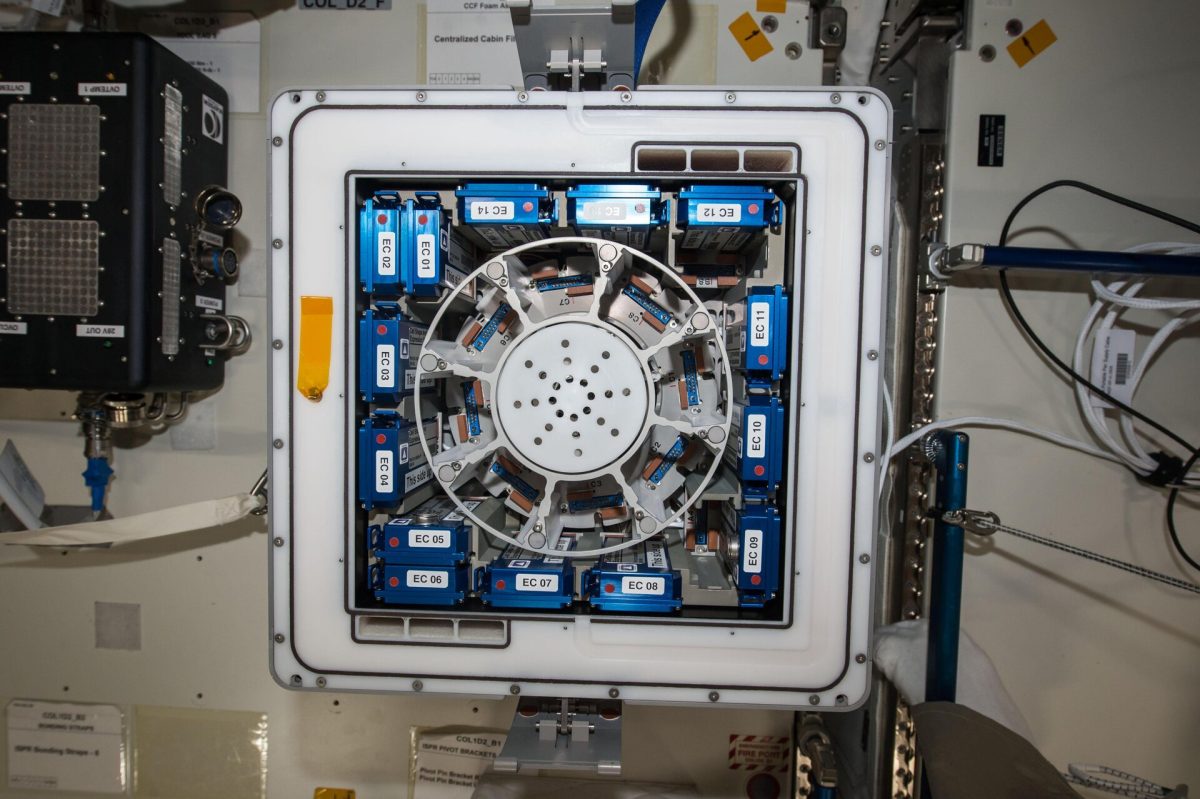
NASA astronaut Michael Scott Hopkins placed the containers in the European KUBIK incubator at the end of December 2020. The cultures grew for nineteen days at a temperature of about twenty degrees Celsius. After fixation, the samples were returned to Earth in the same Dragon capsule that had delivered them to orbit, and the liquid was analyzed for the concentrations of forty-four elements.
The Palladium Surprise
This metal produced the greatest surprise. According to data published in the peer-reviewed journal npj Microgravity, under microgravity conditions without living organisms, 13.6 times less palladium entered the solution than in control samples on Earth.
The material was tested in four configurations: the bacterium alone, the fungus alone, a mixture of the two, and control chambers containing no organisms. The best result for palladium was produced by the pure fungal culture. Penicillium simplicissimum increased the yield by about 5.5 times compared with the non-biological control and released nearly twelve percent of all the metal contained in the fragment.
The fungus also extracted platinum and ruthenium more effectively, although the increase was more modest. The bacterium performed no better than non-biological leaching, and in the mixed culture it even reduced the fungus’s palladium yield.
Not for Profit
Bringing platinum-group elements from asteroids back to Earth does not yet make obvious economic sense. Charles Cockell explains this simply: if large quantities were mined and delivered here, the market would collapse and prices would fall.
The opposite argument is much stronger. For those planning to remain on the Moon, Mars, or asteroids, it would be cheaper to extract metals locally than to launch them from Earth’s surface against the planet’s gravity.
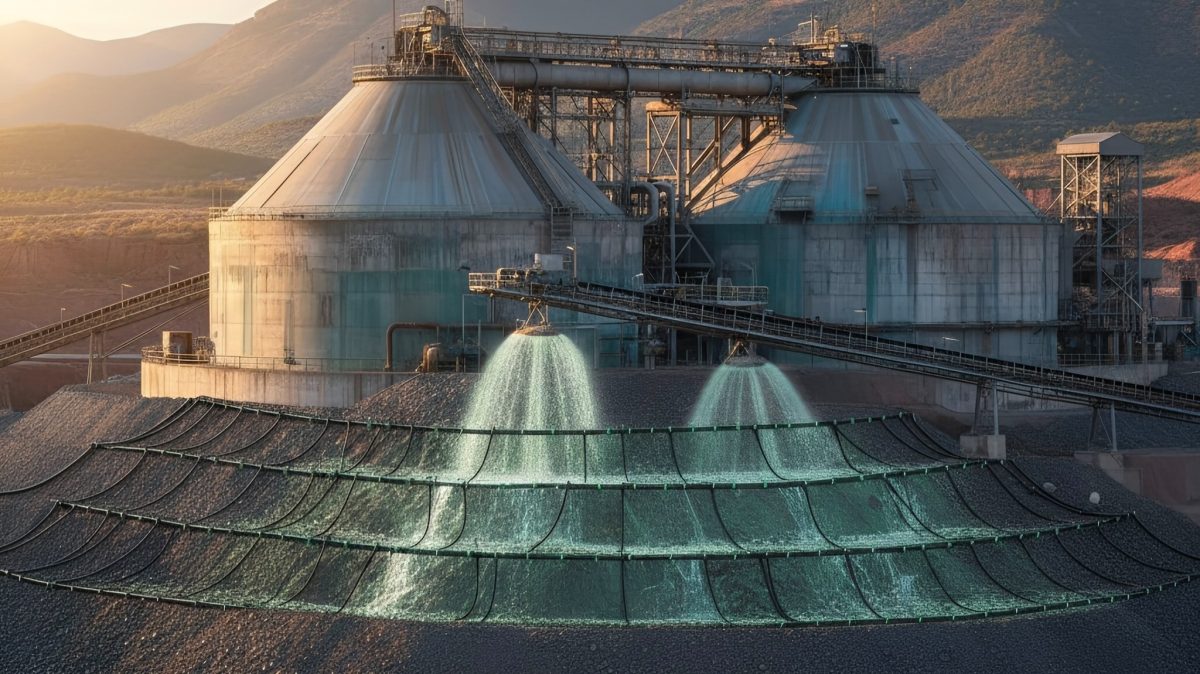
In an interview with Universe Space Tech, he added that along the way such experiments also benefit industry on Earth. Cyanide is currently used to extract metals from increasingly low-grade ores, while microbes cause far less environmental harm.
Ten Years of Waiting
Work in this field lasted far longer than the experiment itself. About fifteen years passed from the first idea to the experiment in space, and ten years from submission of the application to ESA.
Commercial spaceflight shortened this path, and BioAsteroid itself took a year and a half from concept to launch. The results of the experiment were published five years after the equipment returned from orbit.
