

On the outside, it looks like an ordinary dark, smooth stone with a reddish streak. But its interior revealed a scientific treasure: one of the oldest known Martian meteorites. Named Teghaza 001, the object differs radically from anything scientists have studied before, according to findings published in Science.
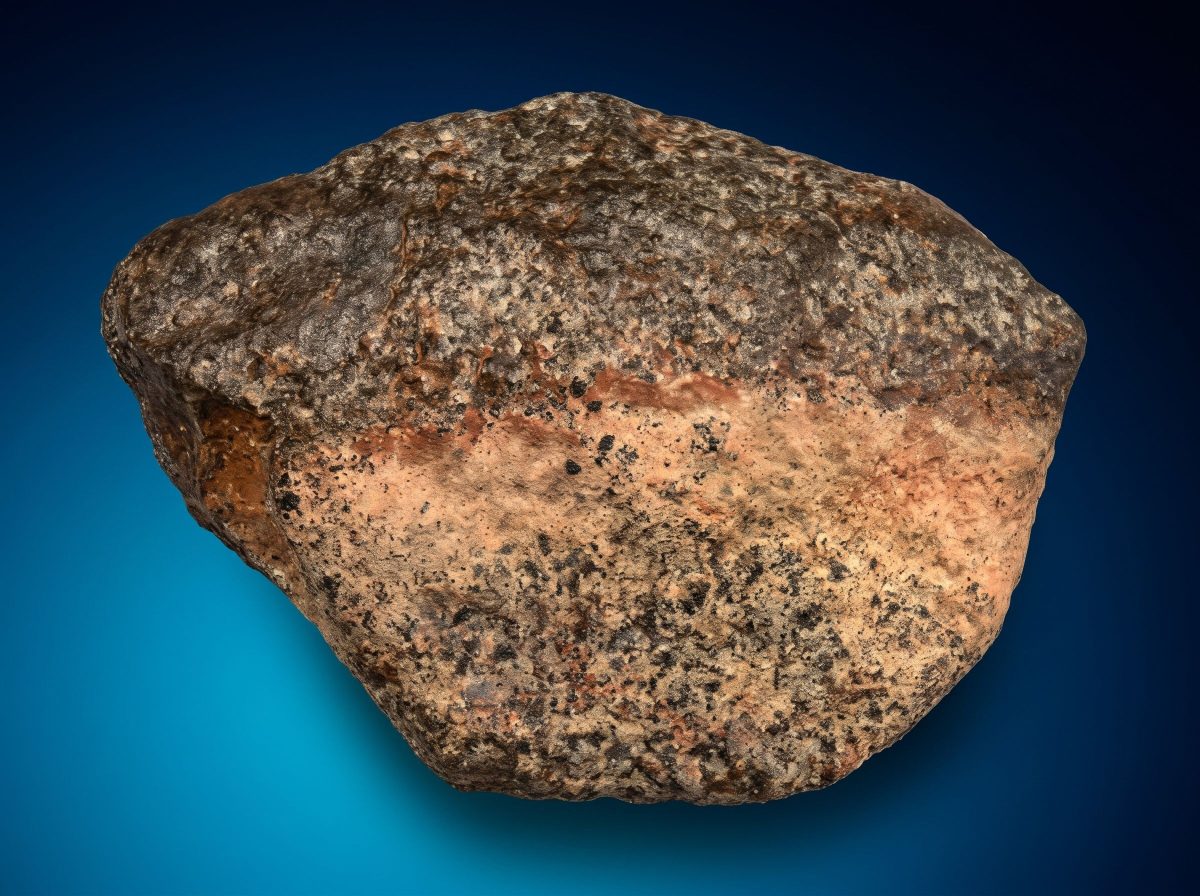
The 900-gram find consists of eight fragments, the largest about the size of a fist. They were discovered in the Sahara Desert in Mali in 2022. Initial analysis confirmed the rock’s Martian origin, while further detailed research involving specialists from NASA’s Jet Propulsion Laboratory shed light on its complex history.
A 4.1-Billion-Year-Old Time Capsule
The story of Teghaza 001 began approximately 4.1 billion years ago, when the mineral zircon crystallized from molten magma on Mars. Because zircon allows exceptionally precise radiometric dating, this immediately placed the meteorite alongside just two other Martian remnants of a similar age. Most fragments of the Red Planet found on Earth are only 1–2 billion years old. This has long puzzled astronomers, since orbital observations indicate that the Martian surface is much older.
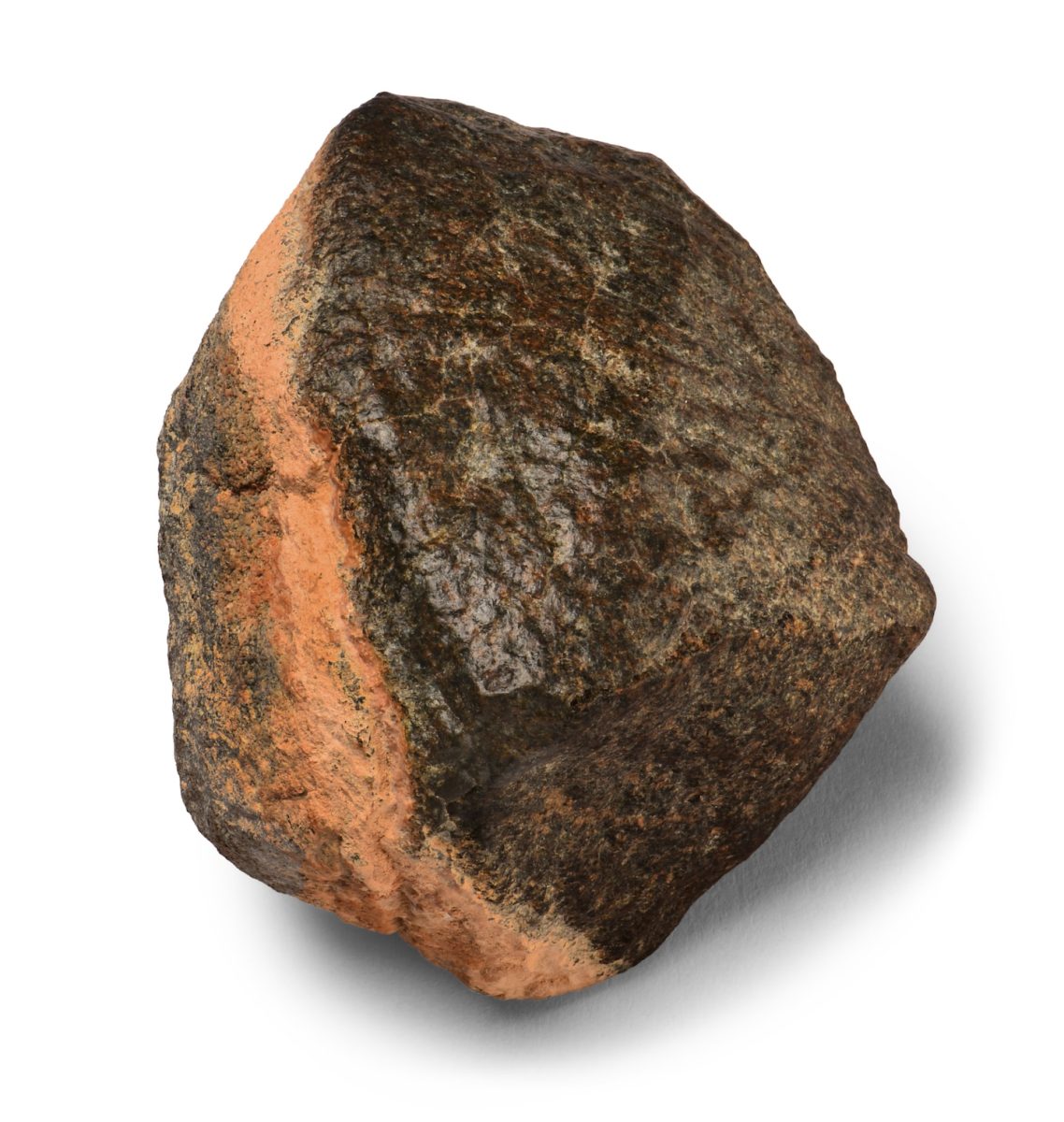
Analysis showed that Teghaza 001’s texture and composition do not match any other known meteorite group. This cosmic traveler has therefore opened a new window into Mars’s geological past that was previously inaccessible to study.
Traces of a Wet Past
What impressed researchers most was the presence of chemical markers indicating that the rock had been in contact with liquid water during its formation and evolution. This makes Teghaza 001 a direct witness to an era when Mars was wet and potentially suitable for life to emerge.

The discovery clearly demonstrates the potential of laboratory analysis of Martian soil. The Perseverance rover has been collecting valuable rock samples directly on the planet’s surface since landing in 2021. Although NASA’s plans to return them to Earth are currently under review, scientists are convinced that even the smallest fragment brought directly from Mars would represent a fundamental scientific breakthrough.
Previously, we reported on how a strange rock on Mars could be a meteorite.
Based on material from The Washington Post
