

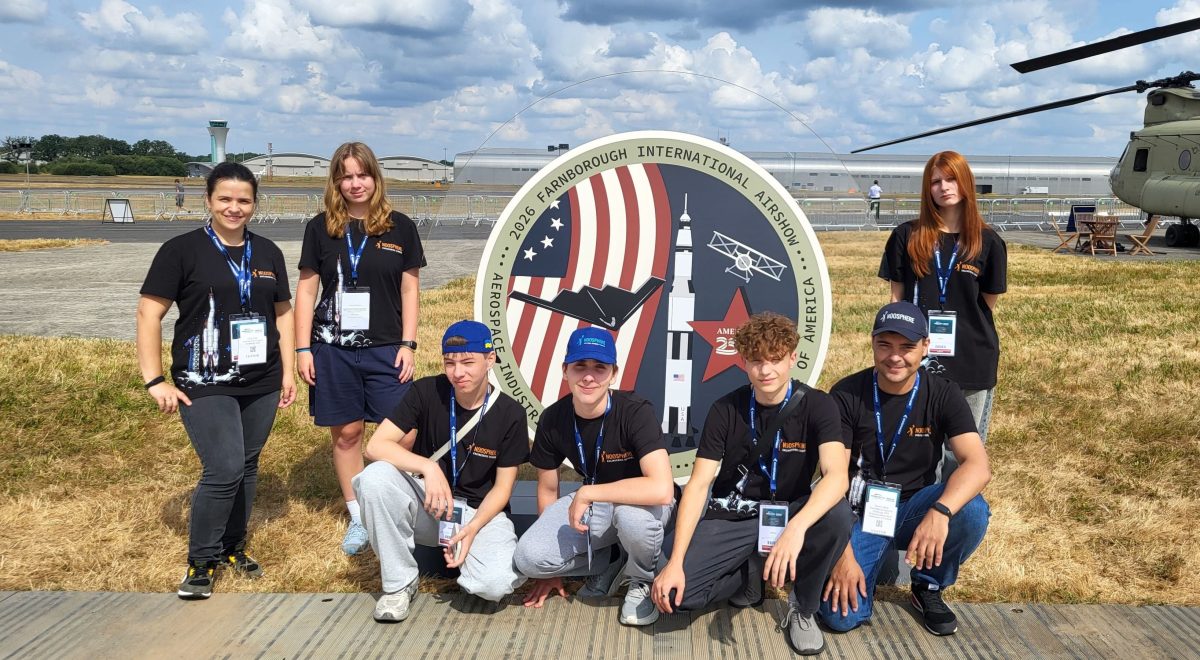
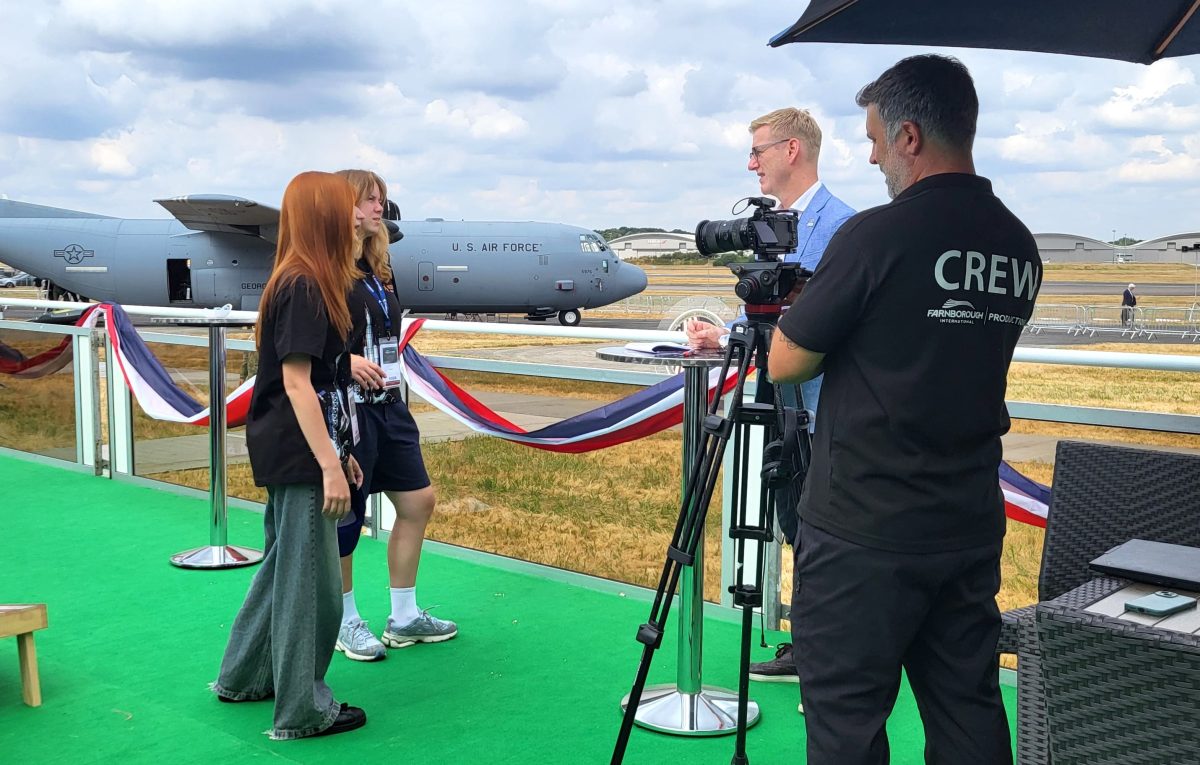
On July 24, 2026, a Ukrainian rocket, measuring sixty-six centimeters in height and weighing two hundred fifty grams at launch, was positioned on the runway at Farnborough Airfield in the United Kingdom. Inside the rocket was a raw chicken egg. Sofia and Yehor, two of the five team members, placed the model on the launch pad and subsequently retreated. There was only one attempt permitted, as the regulations did not allow for a second attempt.
Sofia speaks with restraint regarding her immediate feelings in that fleeting moment. There is always a prevailing sense that everything is on the verge of collapse, and the only actions remaining are to concentrate, position the model appropriately, and withdraw. The participants had already completed all responsibilities within their scope during the preparatory phase. A representative of the organizing committee pressed the button, as stringent safety regulations mandated on the airshow runway prohibit participants from launching the model independently. The Ukrainian model achieved a smooth ascent. However, during descent, the rescue system — that is, the parachute with its attachment intended to decelerate the fall and facilitate a gentle landing — became detached. Nonetheless, the egg remained undamaged.
On that day, our team participated in the finals of the International Rocketry Challenge for the first time as a fully authorized competitor. Ukraine took nine years to achieve this flight.
What is the Rocketry Challenge?
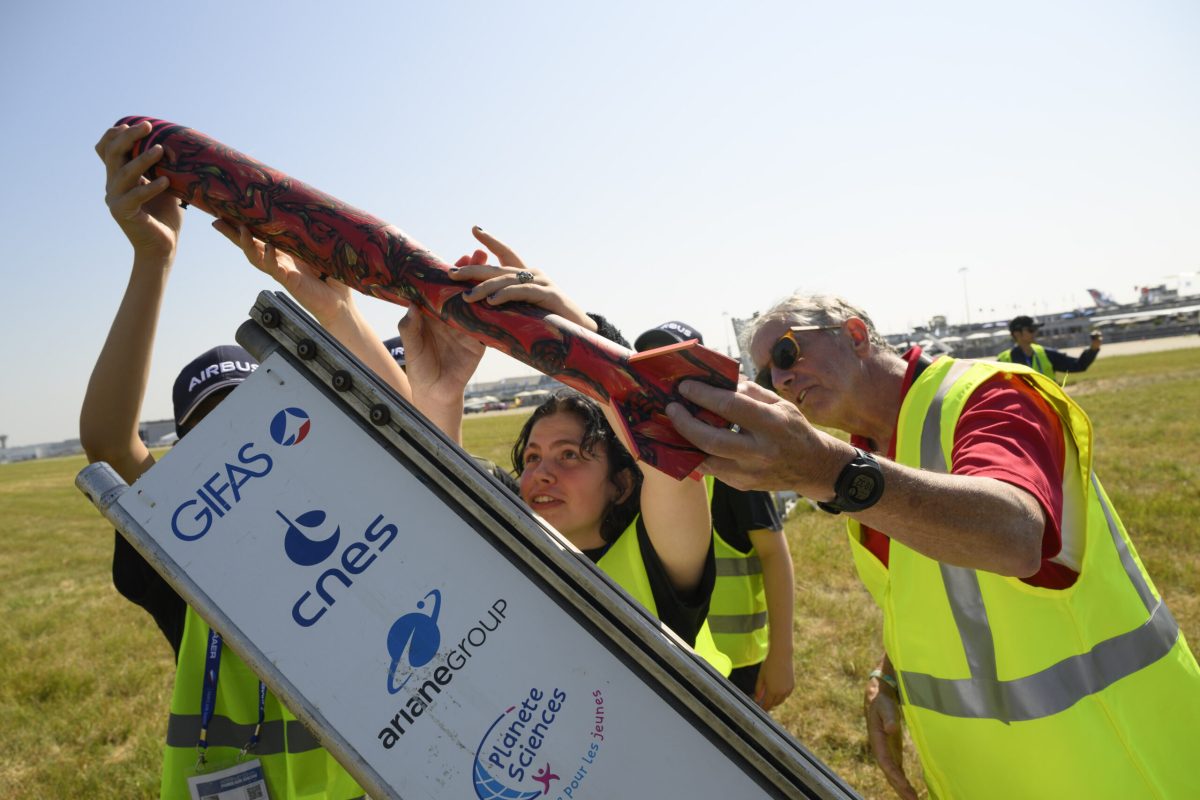
The Rocketry Challenge was initiated based on the S2P model class, wherein participants are required to elevate a delicate payload to a designated altitude and retrieve it without damage. The payload consists of a raw chicken egg. The United States adapted the competition guidelines for secondary education students and conducted the inaugural event in 2002. The concept proved more successful than anticipated, leading to the competition becoming an annual occurrence and subsequently an international event.
Source: rocketrychallenge.org
According to the regulations for the 2026 season, the rocket was required to have a minimum length of 650 mm and a diameter of at least 47 mm. When carrying a raw chicken egg, it was mandated to reach an altitude of 750 feet (approximately 229 meters) and to land within a time frame of 36 to 39 seconds. Any deviation from the specified altitude or exceeding the allotted time results in the accrual of penalty points; the individual with the fewest penalty points is declared the winner.
The primary characteristic of this competition is the annual modification of its rules, whereby each iteration involves the teams designing and constructing a new rocket model. For instance, if the egg is positioned lengthwise along the rocket’s body during one year, it might be positioned crosswise in subsequent years. Additionally, the rocket itself may vary in structure, including sections of differing diameters instead of a uniform diameter throughout its length. An illustrative example is the 2019 competition, which commemorated the 50th anniversary of the moon landing; the model was crafted to resemble the Saturn V rocket and was capable of carrying three eggs instead of one, thereby symbolizing the three astronauts of the crew.
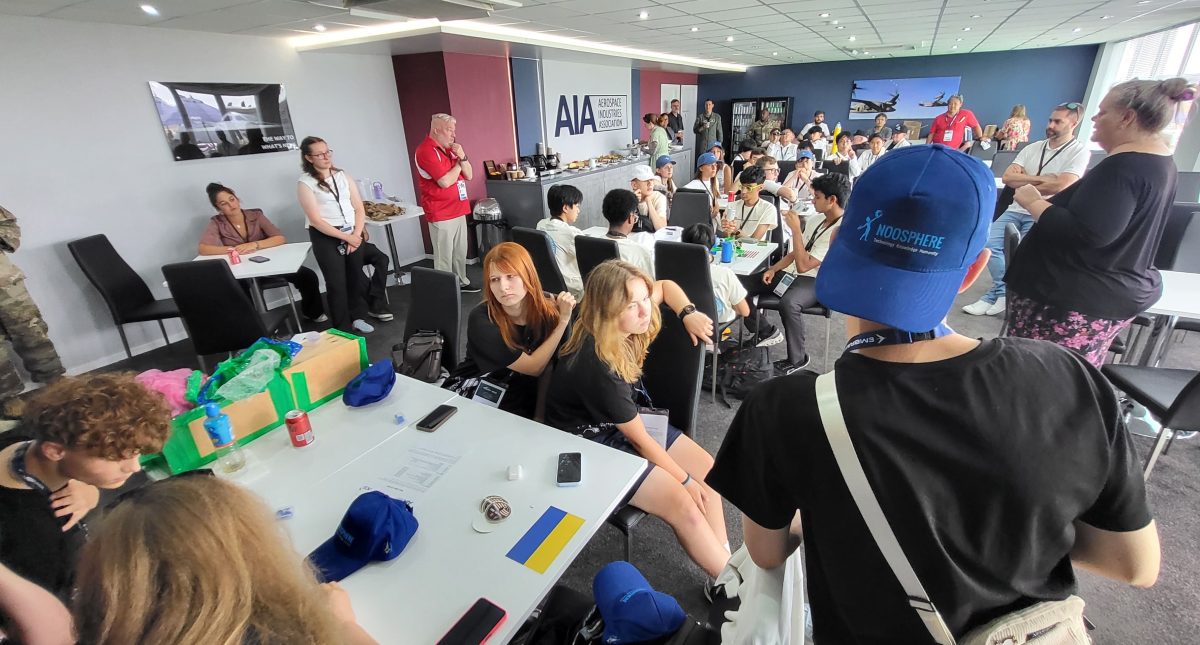
They participate in team competitions, where each member is assigned a specific role. The children independently learn how to divide responsibilities and determine who shall serve as the captain, the engineer, and who will be responsible for calculations, testing, social media, and other tasks. However, the flight itself constitutes only a portion of the overall assessment. The team must defend its project before the judges, and at the international level, the presentation holds greater significance: this year, it is valued at 60 points, in contrast to 40 points for the flight. The children prepare to present their work without utilizing slides — relying solely on the model in their hands — to demonstrate their engineering solutions and their capacity to justify them convincingly.
The international finals were inaugurated in 2015. Each nation is represented by a single team that has secured victory in the respective national qualifiers. This year, a total of 1,107 teams competed for this opportunity in the United States, 126 in the United Kingdom, and 60 in France. Our country was represented by one team. In Ukraine, this discipline is promoted by the Spacemodelling Sport Federation in collaboration with the non-governmental organization “Association Noosphere.”
Our team
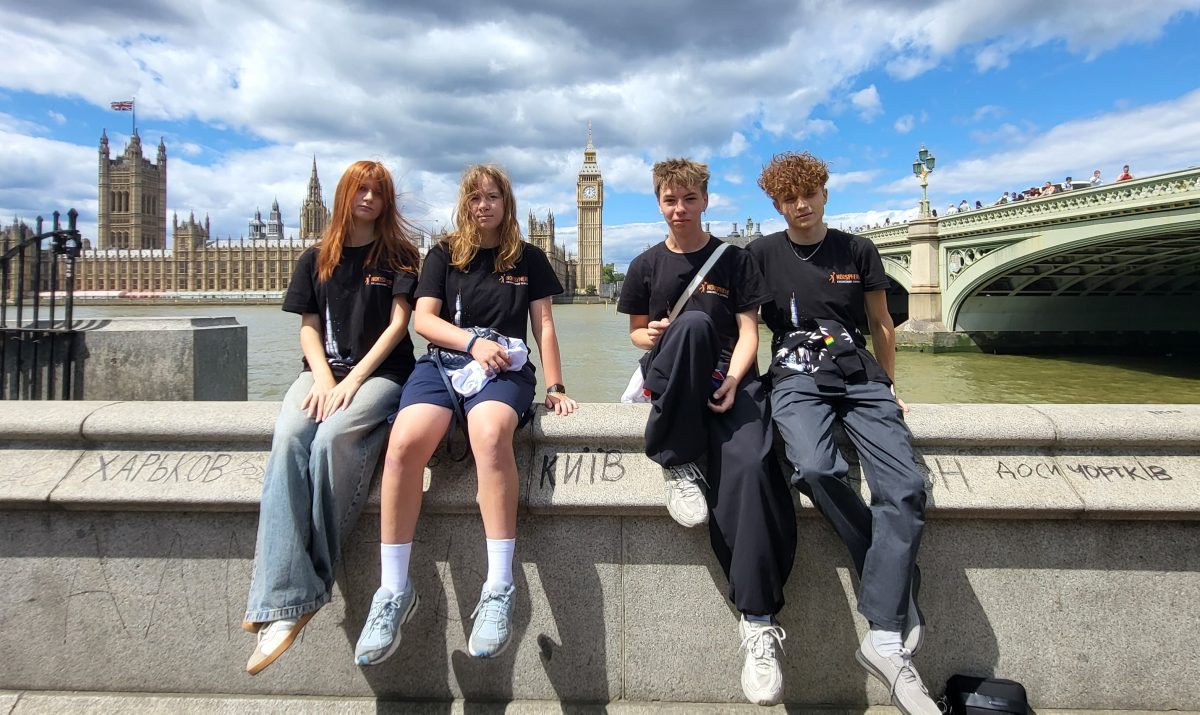
The team that traveled to Farnborough comprised five members from four different cities. Oleg and Yehor serve as members of the Nizhyn Station of Young Technicians; Sofia is enrolled at the Dnipropetrovsk Regional Center for Scientific and Technical Creativity and Information Technologies for Schoolchildren; Artem is affiliated with the Shostka City Council’s “Station of Young Technicians” Municipal Educational Institution; and Yeva is a student at the School of Free and Caring People in Lviv. It was at this institution that the Federation initially introduced a rocket modeling course as part of the comprehensive educational curriculum. The Noosphere Engineering School provided an additional platform, uniting students with similar interests from various regions into a cohesive team. Their training was conducted through a combination of online coursework and in-person sessions.
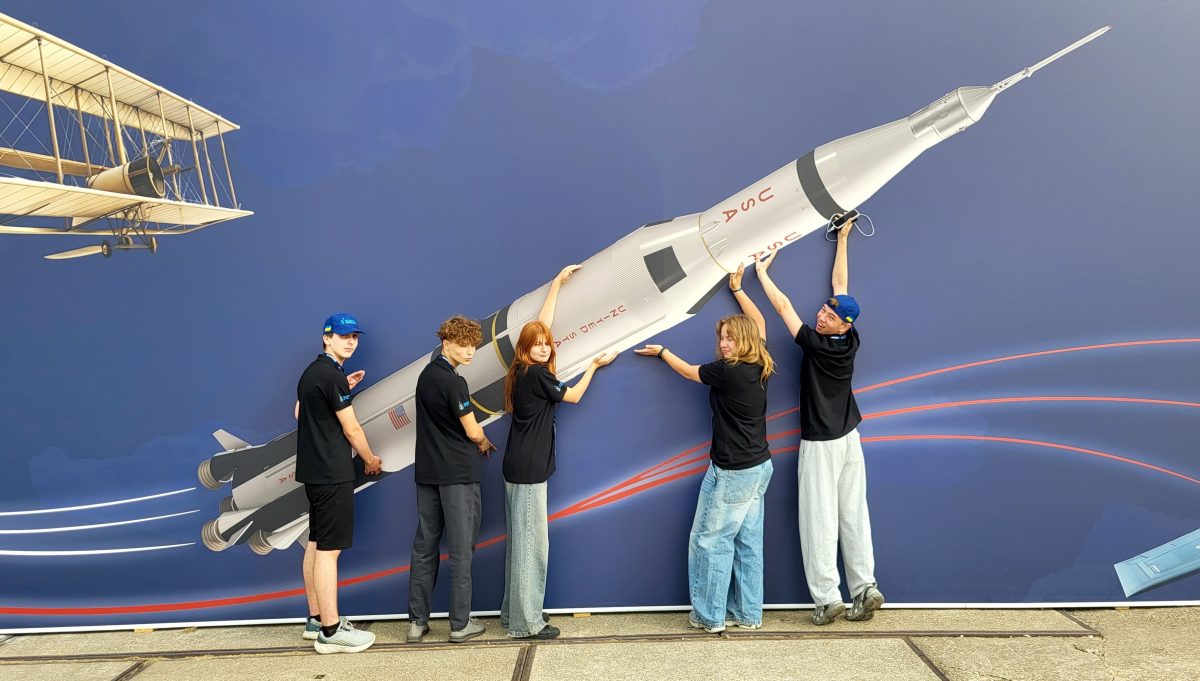
Everyone has their own unique journey into this sport. Sofia has displayed a keen interest in technology since childhood and has experimented with various clubs before discovering the most suitable one. During an exhibition attended with her parents, she observed model rockets and airplanes and was informed that children are the ones who build them. Since that time, beginning in the fourth grade, she has been actively engaged in model rocketry. Currently, Sofia is a college freshman. Yehor accompanied a classmate to the event and developed a fascination with this sport, primarily because he finds the assembly process intriguing. Additionally, he relishes the moment when his self-assembled creation takes flight. Yehor’s grandfather, who had prior involvement in the rocket industry, also fostered his grandson’s interest by sharing knowledge about aviation and rocket technology. Yeva initiated her journey toward joining the team during a technology class at a school in Lviv. She quickly became a full member of the team, managing communications in English and providing support during critical moments.
There is virtually no obstacle to entry in this domain. According to Denys Khmil, Secretary General of the Ukrainian Rocket Model Sports Federation, constructing a basic model and launching it requires only fundamental educational knowledge equivalent to approximately the sixth grade, along with a mentor capable of demonstrating the principles of engine operation and design calculations. Two fundamental concepts are involved: the center of gravity and the center of pressure; it is essential for the center of gravity to be located above the center of pressure to ensure stable flight of the model.
Nowadays, it is more convenient for children to design model structures due to the availability of specialized software that enables them to virtually assemble a rocket prior to any manual construction. For instance, the free OpenRocket software permits users to specify exact dimensions, select an engine from a comprehensive database, and view the projected flight altitude. This facilitates the elimination of non-viable options at the initial design phase.
The team transported the completed model to Farnborough; however, the journey to the airfield itself was not devoid of challenges. We were required to arrive at the entrance of the airshow by 6:30 a.m., necessitating an early departure from London prior to dawn. During transit, the minivan experienced a flat tire, prompting us to contact the airport to arrange for a replacement vehicle. Nonetheless, we successfully arrived at the venue punctually.
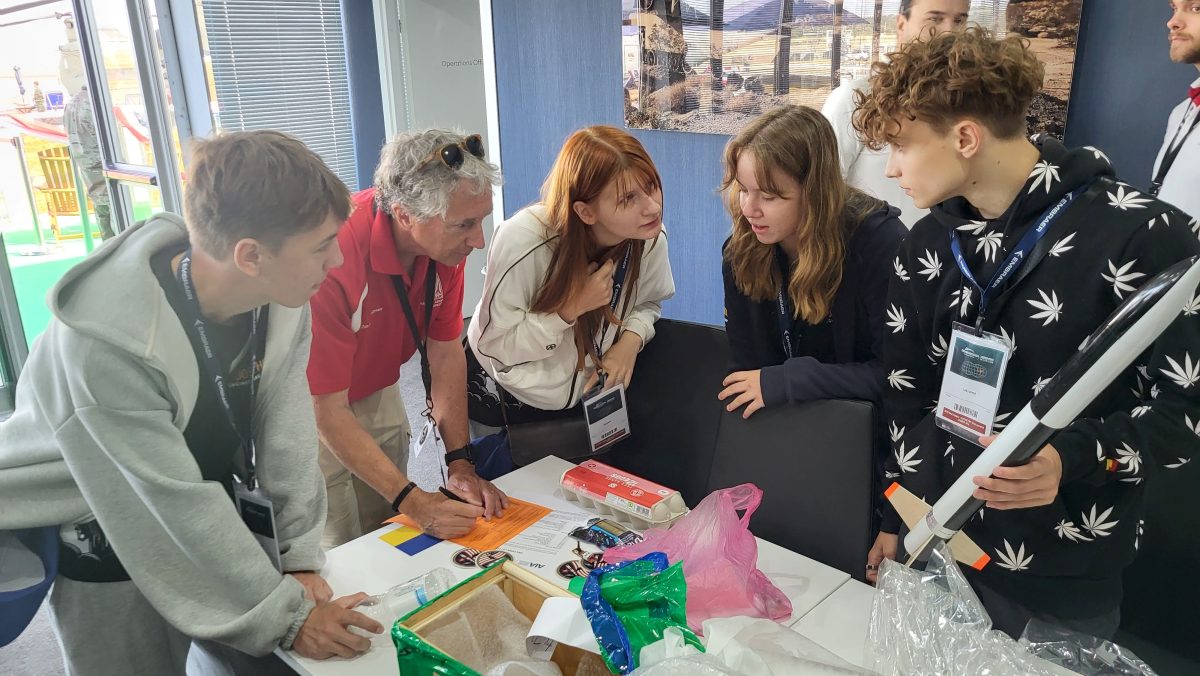
The team was allocated one hour to assemble the model and conduct system tests. Subsequently, the judge inspected the rocket and measured its weight, verifying the presence of all components. Two participants transported a shuttle to the launch pad, while the remaining individuals observed from a distance. The launch order was established by a random drawing. The Ukrainian model was found to be the lightest among the five, and the participants were subsequently informed of this distinction.
Sofia states that the organizers treated all participants with equal fairness. One of the judges explicitly commended the Ukrainian model, and when the engine depleted its fuel supply just prior to the commencement, it was promptly replaced on site.
Nine years until the first launch
This competition may not have occurred at all. Ukraine secured the right to participate in the finals only after its third attempt, and the pursuit of that objective commenced well before the formation of this team.
The development of model rocketry in Ukraine is flourishing, owing to the support of Maksym Polyakov, who commenced his assistance in 2013 and has continuously sustained this endeavor. As a result of this collaboration, Ukraine hosted the 2015 European Championship in Lviv and the 2016 World Championship. The Fédération Aéronautique Internationale (FAI) recognized the latter as one of the most technologically advanced events in the history of the sport. Notably, it was the first occasion in which modern software was employed to facilitate the competition, calculate results, and enable live online streaming. This software remains in use today for the organization of various national and international competitions.
The Federation first became aware of the Rocketry Challenge in 2017 and, within the same year, dispatched a team of secondary school students to the national finals in the United States. The Ukrainian team was featured on the overall leaderboard; however, their status was that of invited guests, and thus they were ineligible to compete for prizes or awards. For instance, the Ukrainians secured victory in a separate category dedicated to model airplane construction; nevertheless, according to the stipulated regulations, only participants from the United States were qualified to receive the associated $500 prize.
There, they learned about the international finals, a closed-door tournament held in conjunction with the world’s largest air shows, Le Bourget and Farnborough. Subsequently, they traveled to Le Bourget to observe the tournament firsthand. The Japanese team participated in this event for the first time.
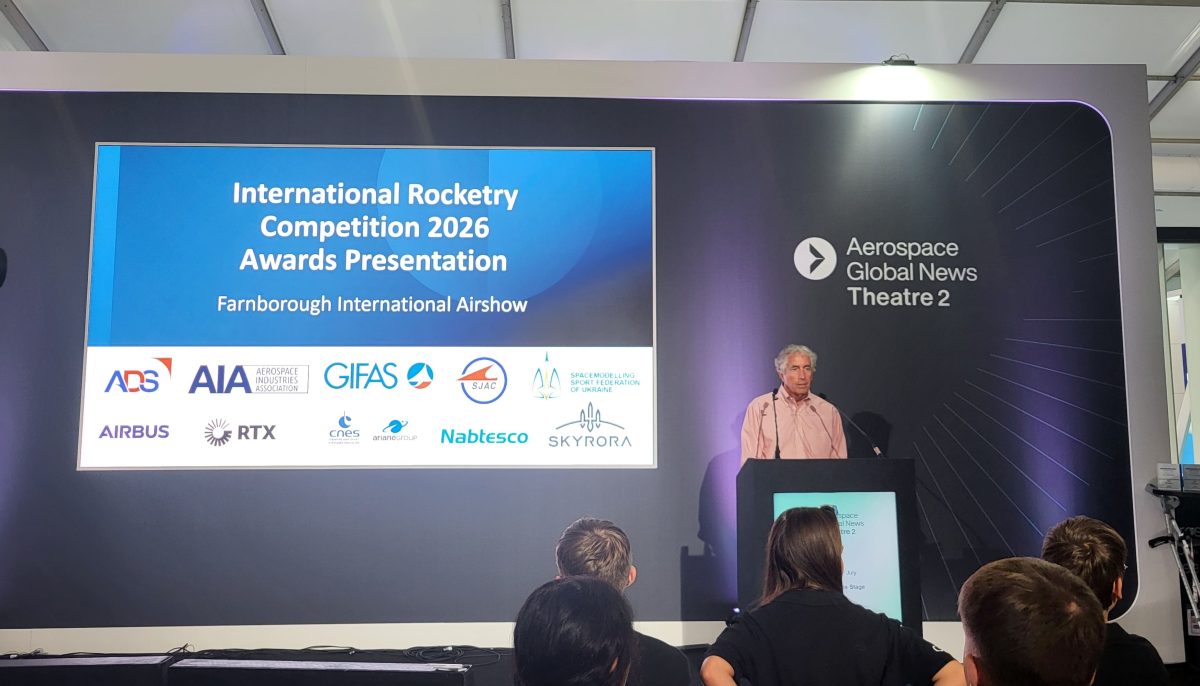
To qualify for the finals, a specific requirement had to be satisfied — one that Ukraine had not fulfilled at that time. Each nation within this community is represented by a national aerospace association: the Aerospace Industries Association in the United States, GIFAS in France, the ADS Group in the United Kingdom, and SJAC in Japan. The Ukrainian delegation addressed this issue and returned for negotiations a second time in 2019. By the end of that year, the organizers concurred that the country could be represented at the competition by the Ukrainian Model Rocket Sports Federation, and preparations for an invitation in 2020 commenced.
Subsequently, unforeseen circumstances arose. Initially, the COVID-19 pandemic impeded the organization of the international finals for two consecutive years. Subsequently, as correspondence was reinstated and preparations were underway for 2022, a full-scale war erupted. The federation repeatedly returned to the negotiating table throughout these events. Ultimately, the third attempt proved successful.
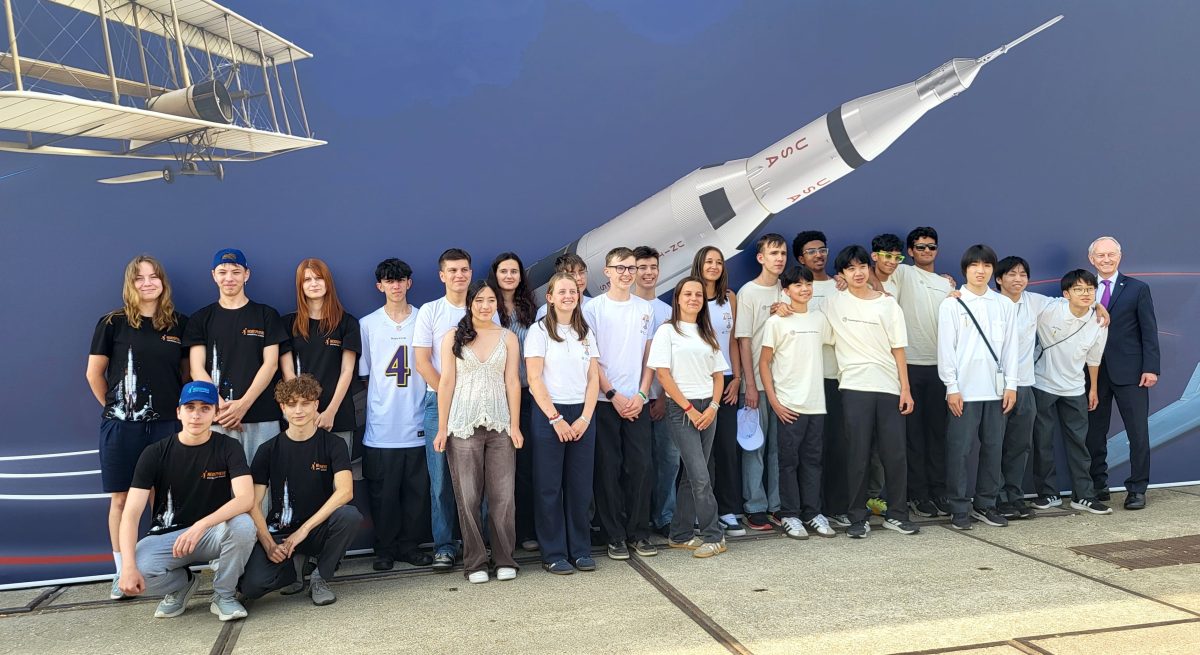
This year, Ukraine officially became a member of the International Rocketry Challenge, distinguished as the fifth nation to do so, joining the United States, France, the United Kingdom, and Japan. In undertaking this, Ukraine aligns itself with those shaping the future trajectory of the aerospace industry. It has been nine years since the initial efforts commenced, marked by persistent dedication and perseverance.
Challenges for Ukraine
Objectively speaking, it is more challenging for Ukrainian teams to reach the starting line today than it is for their competitors, and the difficulties commence well before the competition itself. Nevertheless, none of these obstacles have compelled the Federation to cease activities thus far. The initial barrier is strictly technical: engines for model rockets are no longer produced domestically in Ukraine; the manufacturing facility has ceased operations, necessitating procurement from foreign sources. Additionally, their thrust capacity is limited. The most powerful engine presently accessible delivers 40 newton-seconds of thrust, whereas in the United States, with the appropriate licensing, engines with thrust in the thousands can be acquired.
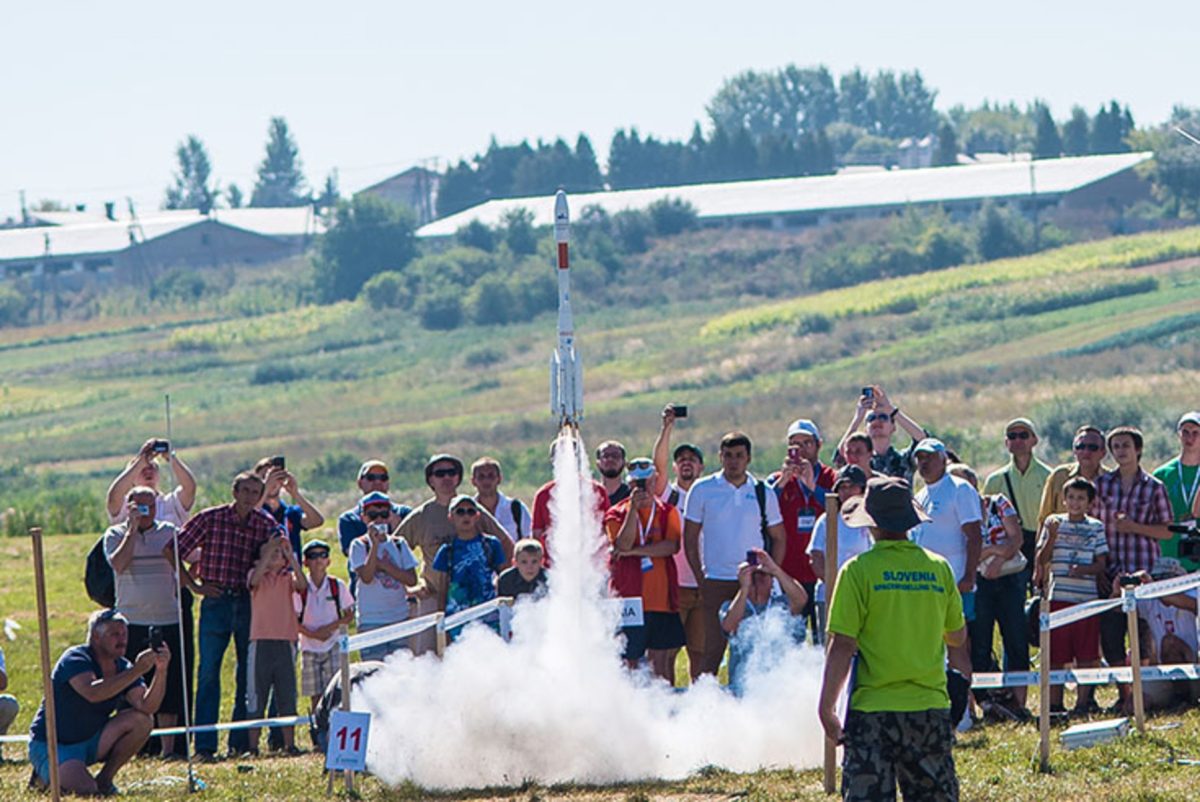
The geographic distribution of launches within Ukraine has undergone changes. Historically, the primary venue for most competitions was the Kamianka dirt airfield near Dnipro. This site measures approximately one kilometer by one kilometer and is characterized by efficient logistics and numerous accommodations within the city. Currently, new permits must be obtained from military administrations, and a new launch site must be established, as there is a requirement for shelter within a radius of several hundred meters from the launch point, which is absent in the middle of the current field. Additionally, the site must be situated outside the range of ballistic missile fire. Consequently, the Federation is exploring locations closer to the western border, specifically within the regions of Lviv, Ivano-Frankivsk, Zakarpattia, and Chernivtsi.
Source: noosphereglobal.com
The team’s international travel is coordinated via the Ministry of Youth and Sports. Participants under the age of 22 do not face any complications; however, individuals exceeding this age threshold are required to undergo a separate procedural process. Furthermore, only an adult over the age of 21 is permitted to accompany the minors.
Despite these numerous limitations, the sport continues not only to persist but also to flourish. This year, the Federation incorporated model rocketry into the mainstream education curriculum for the first time, and in the upcoming season, it intends to broaden its partnership with academic institutions and augment the frequency of national competitions.
Not merely sports
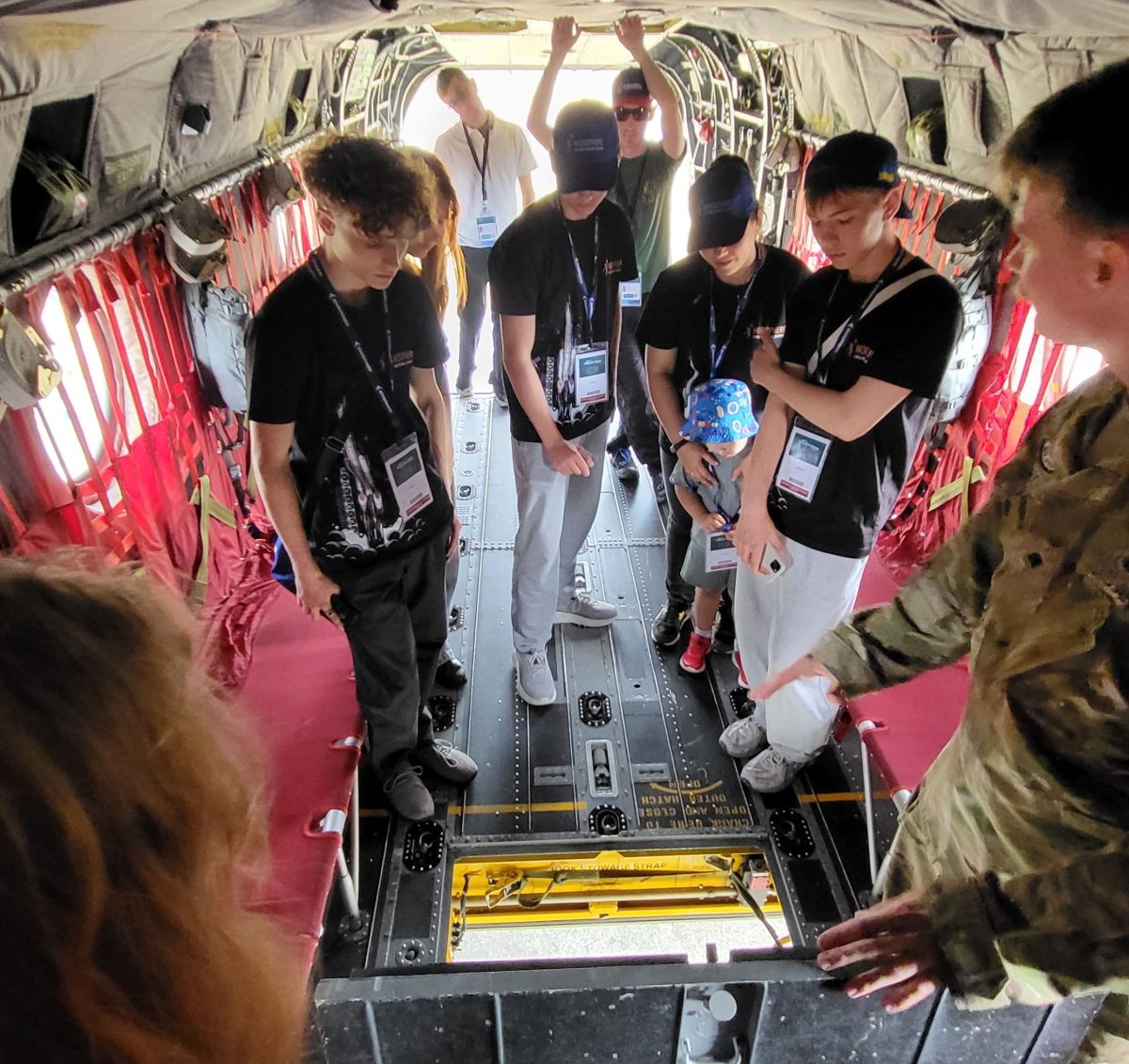
The most significant phase commences immediately following the finals. Competitors in the International Rocketry Challenge are afforded the opportunity to attend the world’s largest air shows and are granted access to restricted areas ordinarily inaccessible to the general public. U.S. military personnel conduct guided tours, showcase equipment, and allow participants to sit in the cockpit.
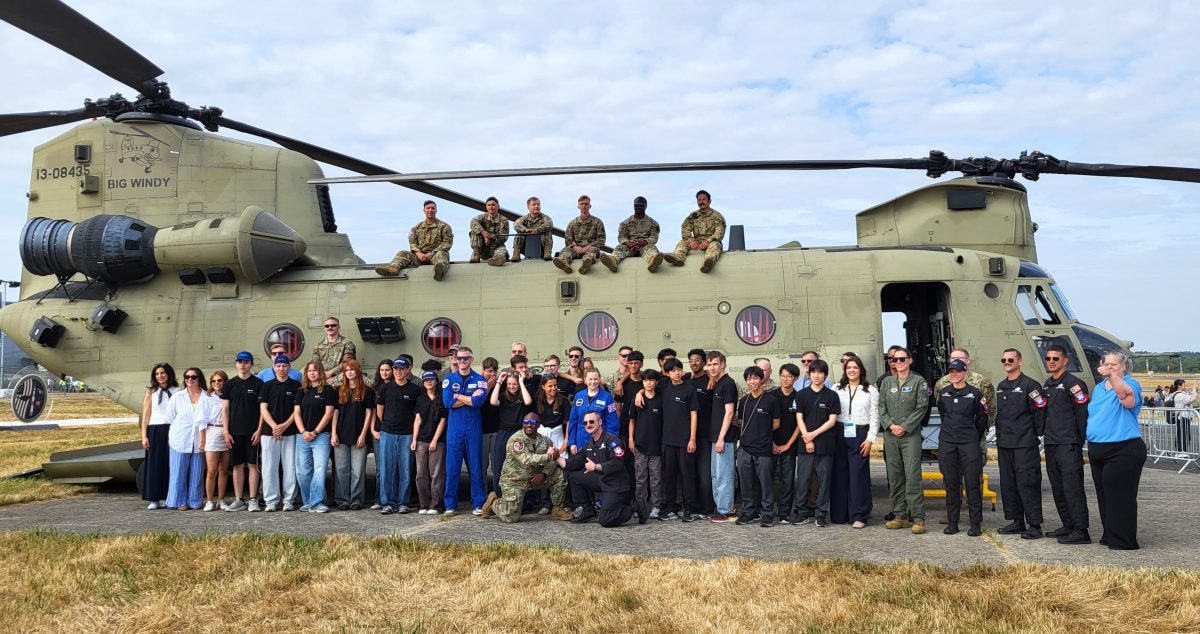
Aircraft manufacturers display their aircraft during testing — devoid of seats or paneling, with exposed wiring — and provide explanations for the purpose of each testing stage. During group luncheons, the children are seated alongside astronauts and military personnel. The rationale is straightforward: professional relationships in this domain are established at an early stage.
The opportunities in this domain extend well beyond the realm of sports, as exemplified by Warren “Woody” Hoburg. He was a participant in one of the inaugural cohorts of the American Rocketry Challenge, and in March 2023, he traveled to the International Space Station as a pilot aboard NASA’s SpaceX Crew-6 mission. During his address to the competition participants from orbit, he stated that his passion for amateur rocketry was instrumental in his journey to the ISS.
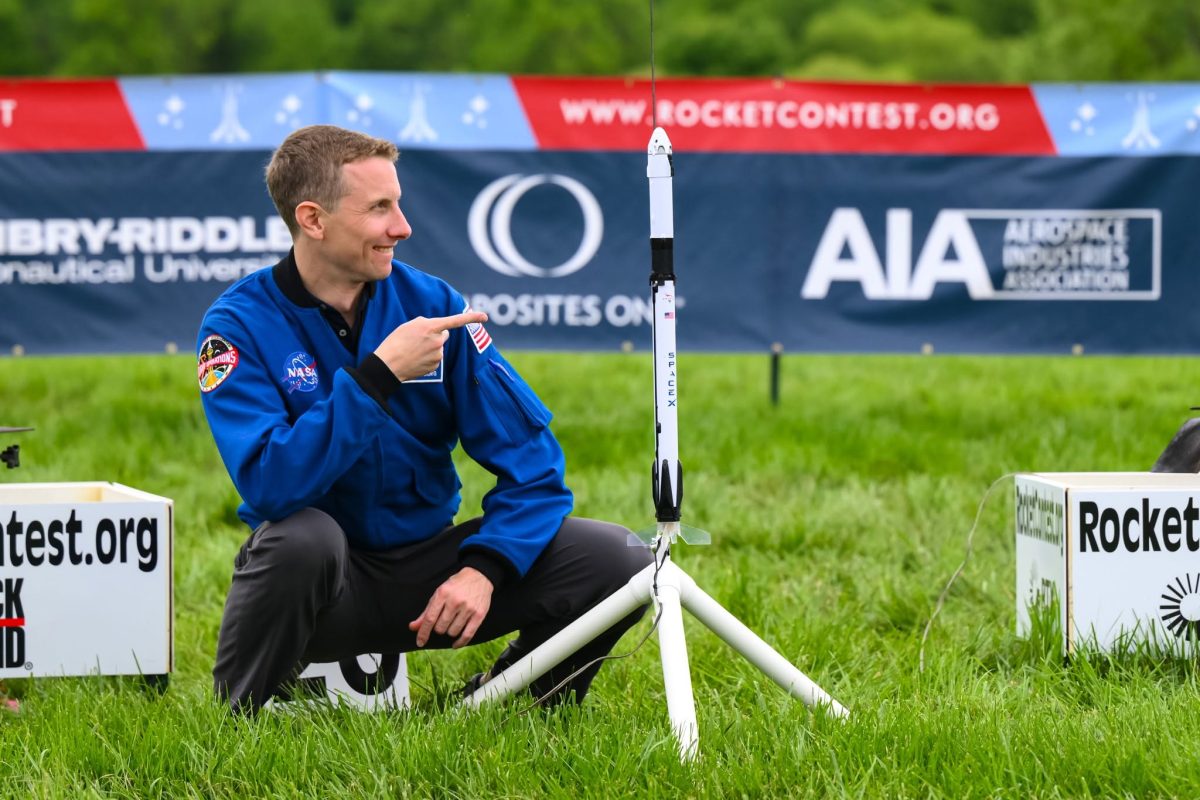
Photo: Jim Wilkerson / Tahoma Photo, 2023
Ukraine requires such specialists now more than ever. The conflict has demonstrated the extent of the nation’s reliance on its own technological capabilities, while simultaneously revealing the scarcity of individuals capable of advancing those technologies. Kyiv Polytechnic Institute offers a degree program in aviation and aerospace engineering; however, the magnitude of the need far surpasses the current capacity of the field.
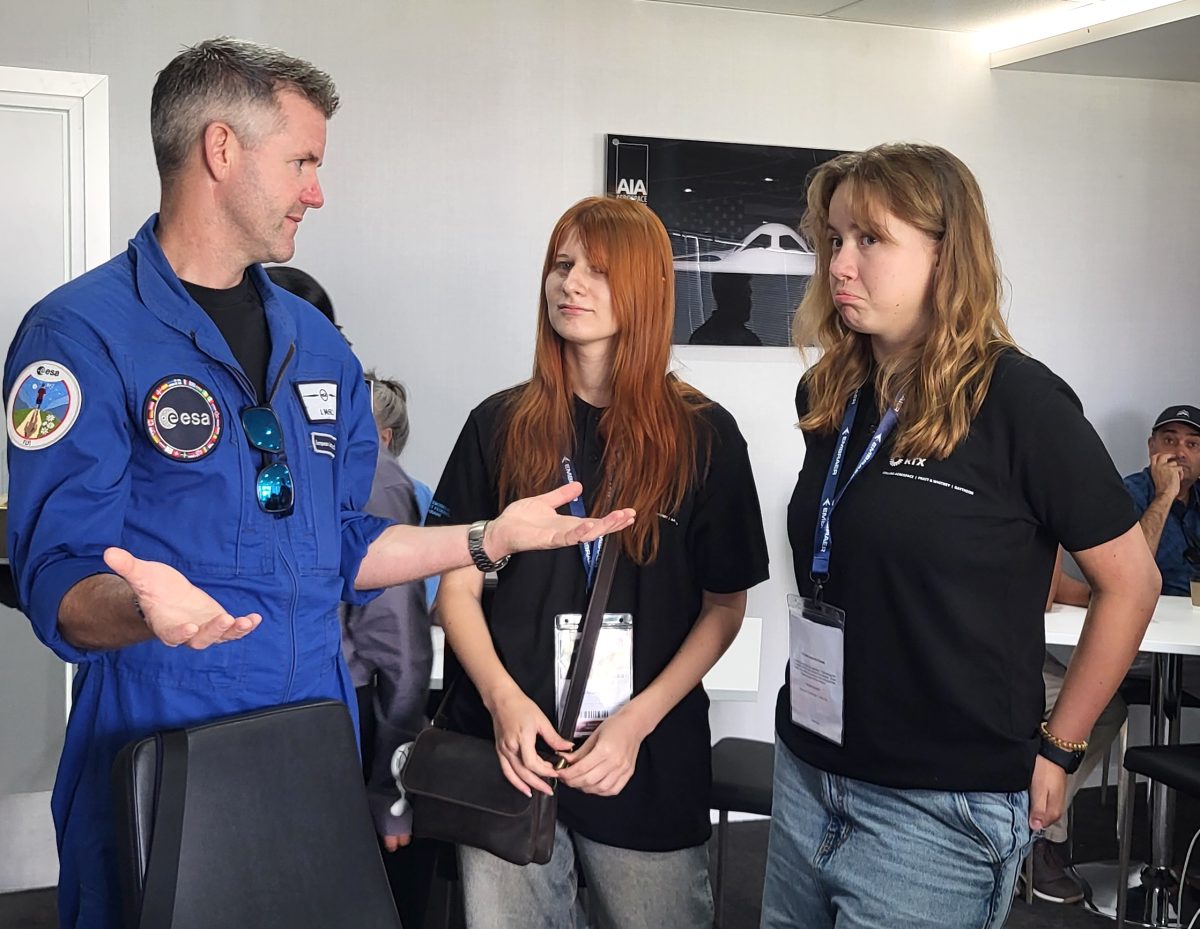
The Federation explicitly articulates its objective, which is to assess a child’s aptitude, ignite a sincere interest in aerospace technology, and provide them with initial tools. Subsequently, it is essential to establish conditions that sustain this interest, a role fulfilled by the Noosphere Engineering School. This institution functions as an intermediary between school clubs and higher education, offering high school students the opportunity to realize their ideas.
Maksym Polyakov immediately comprehended this logic. During that period, engineering disciplines were experiencing a decline in Ukraine, and numerous clubs were shutting down; nonetheless, he perceived potential. In the children crafting models, he identified future specialists essential for the advancement of the aerospace industry.
The upcoming international final is scheduled to be held in Le Bourget, and Ukraine is actively preparing for its occurrence.
Sponsored content.

