

On October 11, the United Nations observes the International Day of the Girl. On this day, 42 years ago, Kathryn D. Sullivan became the first American woman and the second woman ever to conduct a spacewalk. The circumstances surrounding this event illustrate the significant challenges women have faced in pursuing space exploration.
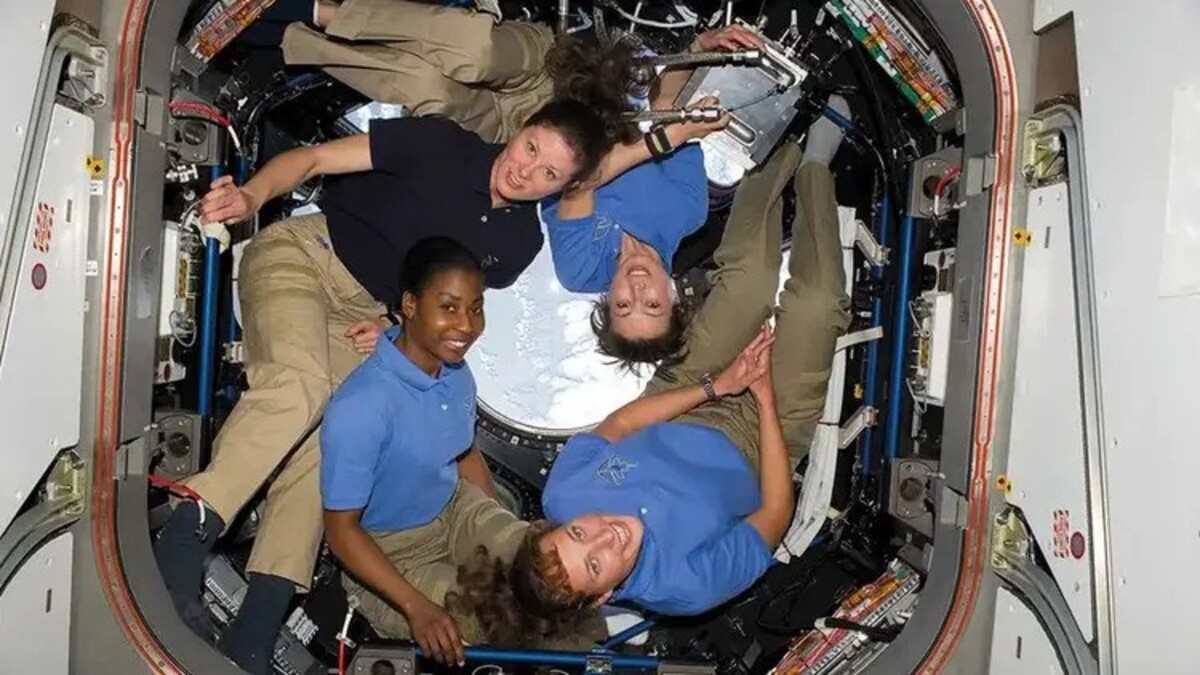
Women in space
There is a well-known saying that every boy dreamed of becoming an astronaut. Although its accuracy is difficult to determine, it has long symbolized the idea that we are all dreamers in childhood, yet as we grow older, we become whoever life leads us to be.
However, this phrase raises a particularly intriguing question: while the situation is clear with the boys, what about the girls and their cosmic dreams? The answer is rather complex and unsettling.
Global enthusiasm for space exploration peaked during the 1960s and 1980s. The fact that Valentina Tereshkova flew as early as June 1960 may create the impression that women’s opportunities to travel into orbit were nearly equal to men’s; in reality, however, they were not.
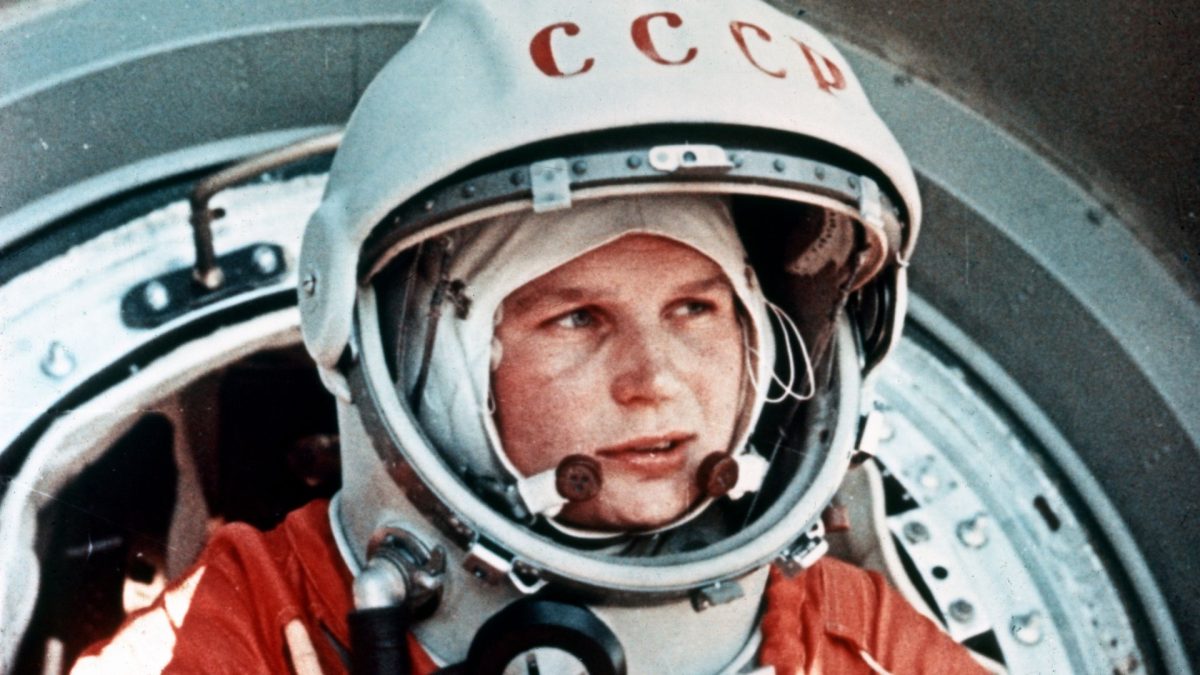
From Gagarin’s flight through the end of 1981 — that is, during the first 20 years of space exploration — 102 or 104 people had traveled into space, depending on whether suborbital flights are included. Throughout this entire period, however, Tereshkova remained the only woman among them.
In other words, women accounted for less than 1% of astronauts. There were several relatively straightforward reasons for this. Spaceflight requires specialized training, and throughout this period, both the USSR and the United States recruited groups of women only once. All other groups consisted of men, primarily military pilots. Consequently, spaceflight came to be regarded as a pursuit for boys.
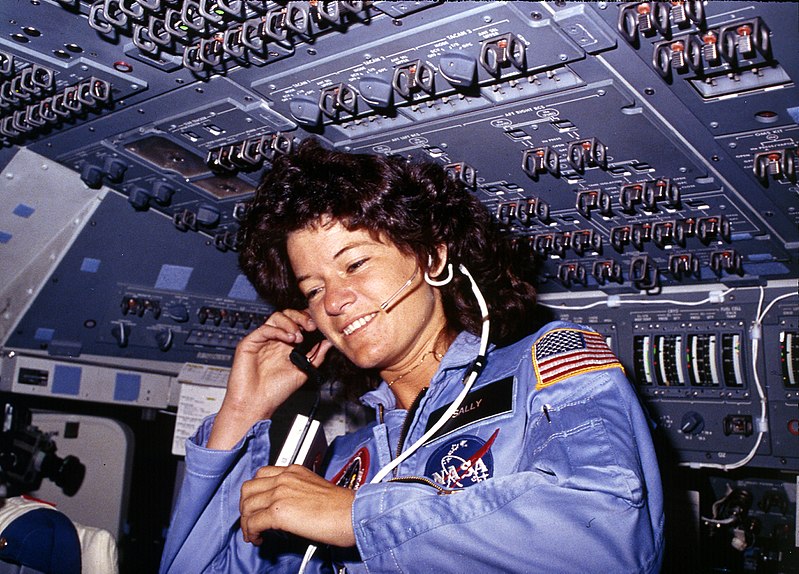
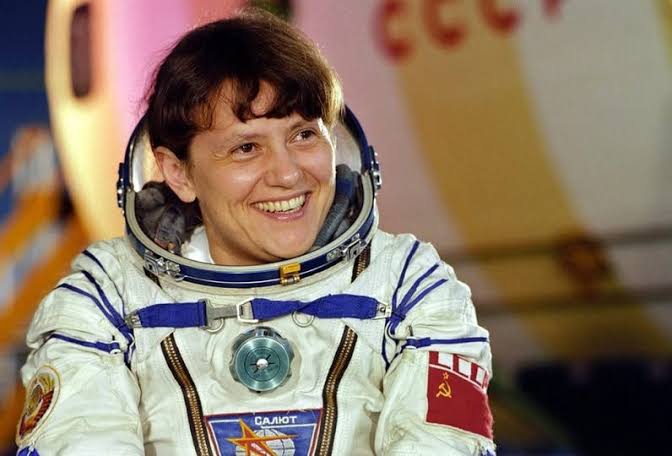
In the 1980s, space travel became more accessible through space shuttle flights. From late 1981 through the fall of 1984, two additional women traveled to space: Svetlana Savitskaya and Sally Ride. By that time, the total number of people who had traveled beyond Earth’s atmosphere had reached 150, meaning women accounted for just 2% of the total. This represented a striking disparity.
The first woman in outer space
But October 11 is also the date when the first American woman, Kathryn D. Sullivan, went into space. It was on this day that she stepped outside the space shuttle in a spacesuit. Three months earlier, Savitskaya had done the same. By comparison, the first man, Alexei Leonov, did so in March 1965.
In other words, for nearly two decades, spacewalks in a spacesuit remained an opportunity available to men but not to women. Kathryn D. Sullivan’s journey into space was particularly noteworthy and therefore merits separate discussion.
Sullivan was born in 1951 and did not initially aspire to travel into space. In 1973, she earned a bachelor’s degree in earth sciences and began studying the ocean floor. She completed her doctoral dissertation in this field in 1978.
In 1976, her brother, an aerospace engineer, learned that NASA was preparing to recruit a new group of astronauts for the Space Shuttle program, which had yet to make its first launch. This time, NASA intended to include women among the candidates.
Ultimately, Kathryn volunteered, and in 1977 she was accepted into the astronaut corps. She was the only woman among its 25 members. NASA’s desire to send a woman into space appears to have been somewhat overstated.
Sullivan successfully completed her training and began her career at NASA. She participated in a mission to study the upper atmosphere, became the first woman to test a high-altitude anti-G suit, and, during one of her research missions, set an unofficial record for the highest altitude attained by a woman in a jet aircraft, reaching 19,000 meters. In addition, she performed various duties during the first space shuttle missions and served as a scientist at the National Oceanic and Atmospheric Administration.
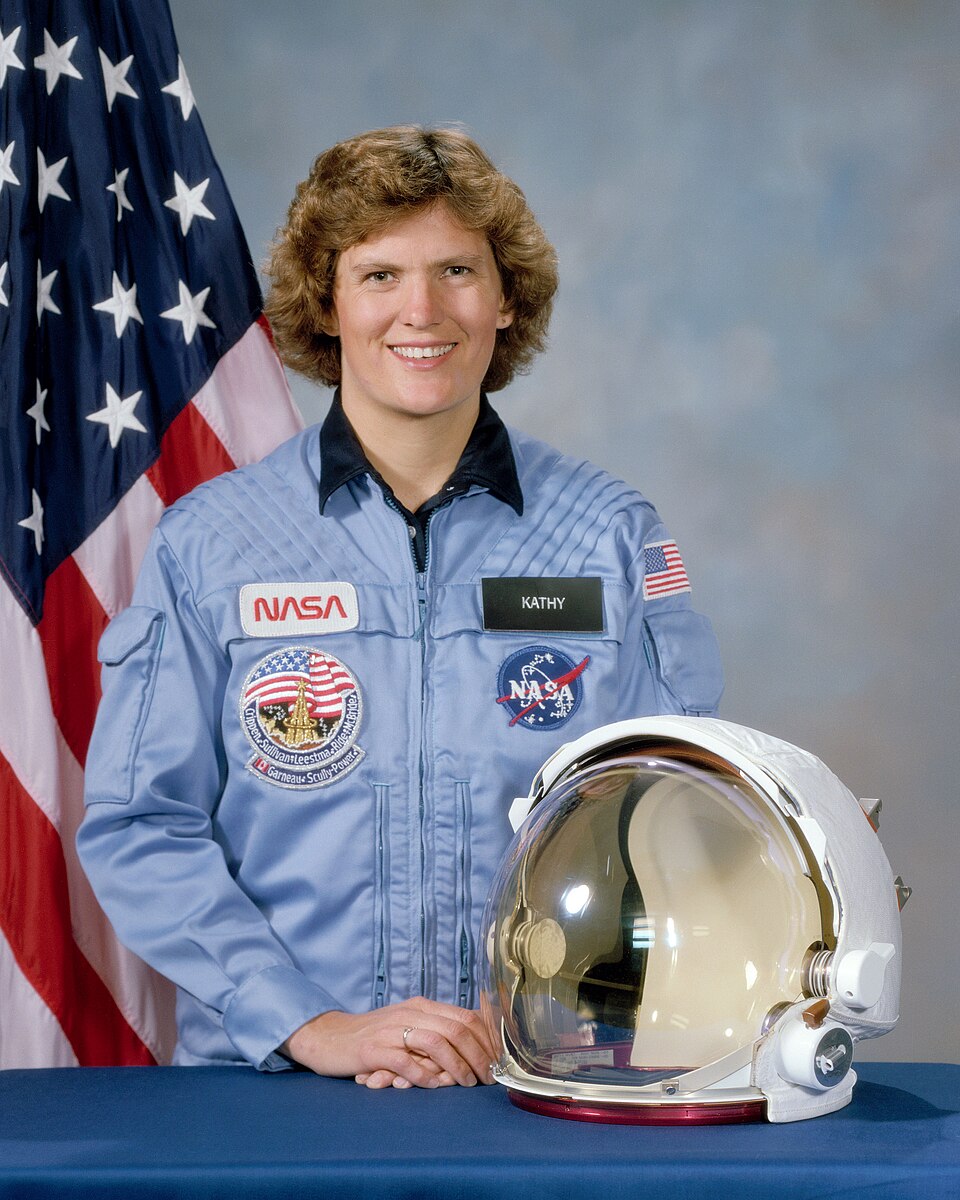
By the time of the STS-41-G shuttle mission in October 1984, she had already acquired considerable professional experience. The mission itself was noteworthy: the crew included two women and the first Canadian astronaut. Its primary objective was to deploy the ERBS satellite into orbit to study the balance of radiation and energy absorption by Earth.
In addition, several experimental radars and cameras were tested during the flight, and oceanographic research was conducted on behalf of the U.S. Navy. The shuttle itself was also the subject of an experiment, as it was tracked from Earth by the Soviet “Terra-3” laser radar.
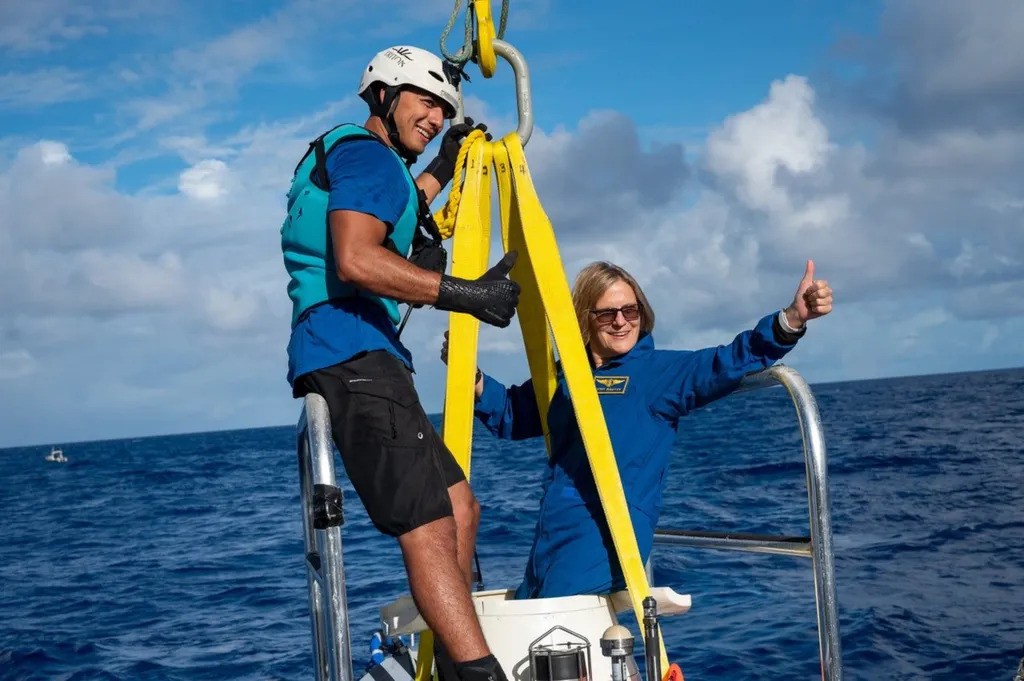
Sullivan’s spacewalk lasted three hours. Following the mission, she became a professor at Ohio University and completed two additional spaceflights. She later joined the military, where she led a special team of meteorologists for a decade, conducting research on the oceans and atmosphere on behalf of the armed forces. In the 2000s, Sullivan taught before being appointed by Barack Obama as Under Secretary of Commerce for Oceans and Atmosphere. In 2020, at the age of 69, she descended to the bottom of the Mariana Trench in a submersible. As a result, Sullivan became the first — and, to date, the only — person in history to have traveled both into space and to the deepest point on Earth.
The era of women in space
Meanwhile, women began traveling to space with increasing frequency. However, it is important to understand the scale involved. By the end of 1991 — 30 years after Yuri Gagarin’s spaceflight — 261 people had traveled to space, but only 17 were women. Although 6.5% represented a significant increase from 1% in 1981, the astronaut profession remained one of the most male-dominated at that time.
This was particularly evident in the records of the total time spent in space by men and women. In 1992, these records were held by Musa Manarov, with 541 days across two flights, and Shannon Lucid, with 21 days across three flights.
However, the situation gradually changed. By 2001 — 40 years after Gagarin’s flight — 406 people had traveled to space, 37 of whom were women (9.1%). Today, after 65 years of human spaceflight, women account for 15% of astronauts (112 out of 746). This suggests that the situation has begun to improve considerably.
In 2001, Susan Helms became the first woman to participate in a long-duration expedition to the ISS. Since then, the disparity between the number of hours women and men have spent in orbit has begun to narrow significantly.
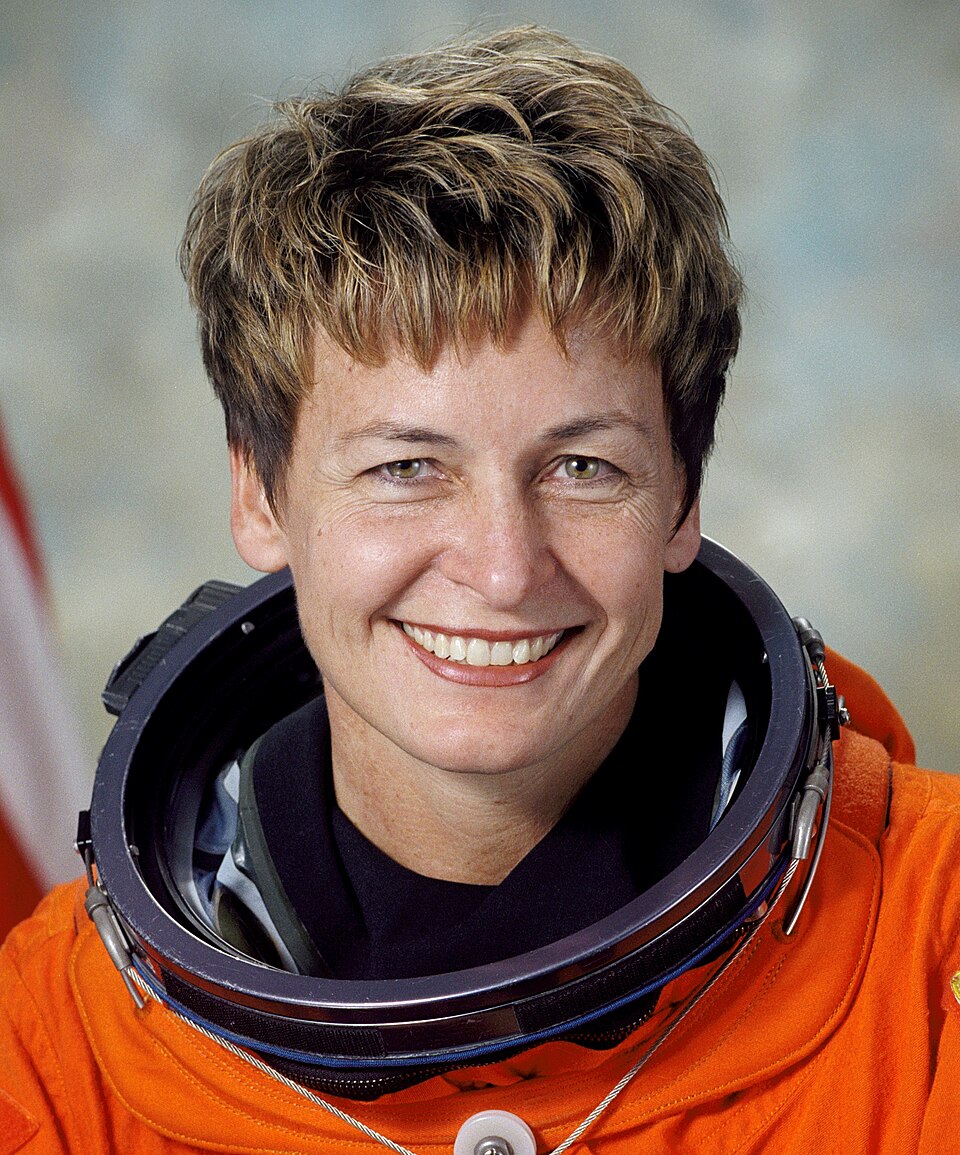
Peggy Whitson currently holds the record for the most time spent in orbit, with 695 days across five flights. This is comparable to the men’s record, held by Oleg Kononenko, who has spent 1,110 days in orbit across five flights. Whitson was also the first woman to serve as commander of the International Space Station.
For a period, Peggy Whitson held the record among women for the longest continuous spaceflight, at 289 days. In 2019, however, Christina Koch surpassed this record with an orbital mission lasting 328 days. This duration remains shorter than the men’s record, which has been held by Valeri Polyakov since 1995, when he spent 437 days in orbit.
Christina Koch has several other notable achievements to her credit. In 2019, she and Jessica Meir conducted the first-ever spacewalk by two women. The spacewalk lasted 7 hours and 17 minutes.
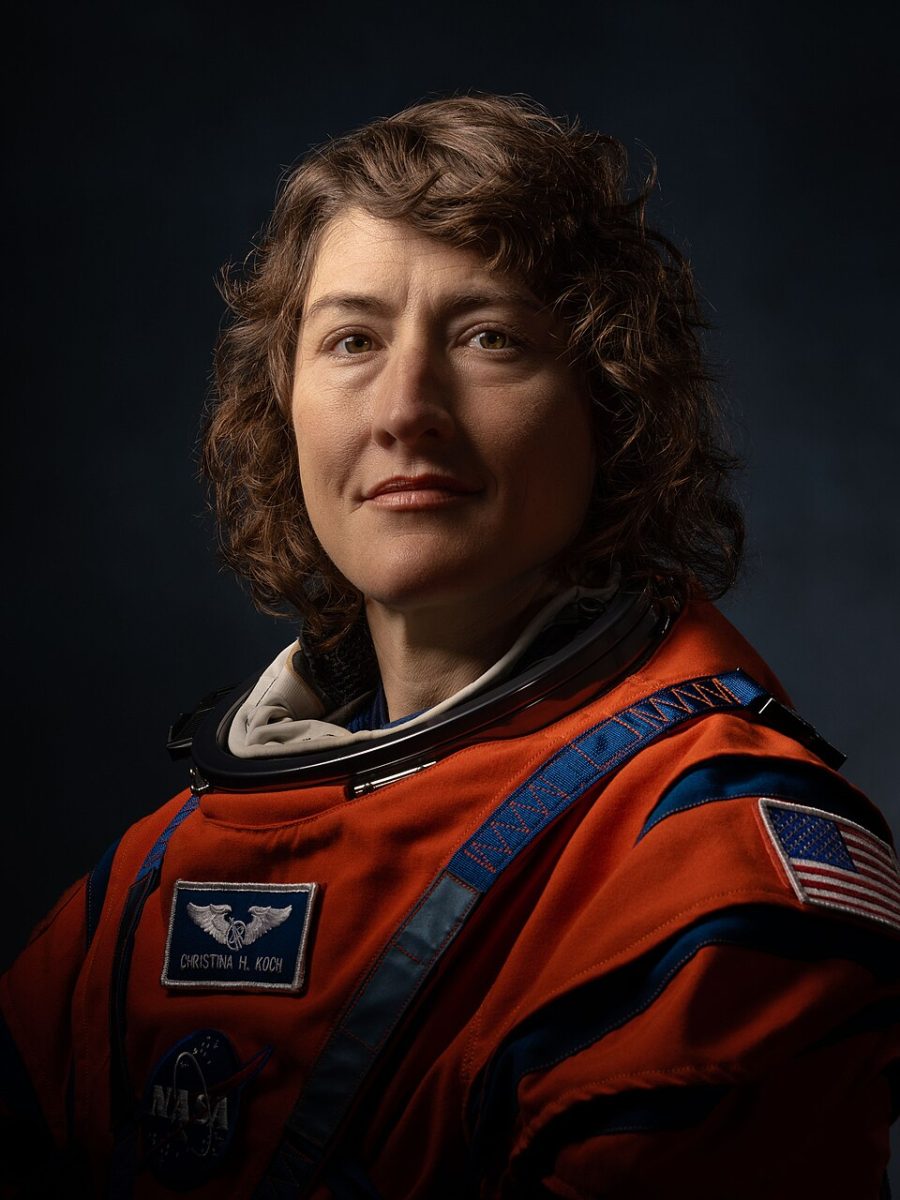
In 2026, Christina made history once again by becoming the first woman to orbit the Moon during the Artemis II mission.
Eileen Collins became the first woman to command a spacecraft in 1999. That year, the space shuttle Columbia deployed the Chandra X-ray Observatory into orbit, where it went on to make numerous scientific discoveries.
Dream about space!
Certainly, there are numerous opportunities in the space industry for women who remain on Earth. Thousands of people contribute to the design and construction of spacecraft, prepare them for launch, and support their missions. For example, Margaret Hamilton, who recently passed away, wrote the software for the Apollo spacecraft that traveled to the Moon.
Let us be candid: individuals do not pursue careers as astronauts for financial gain or public recognition. The greatest reward in this profession is the spaceflight itself. It is one of the few genuine adventures remaining in the world that one can undertake without becoming involved in a military conflict or a criminal case. It offers the opportunity to travel where no one has gone before.
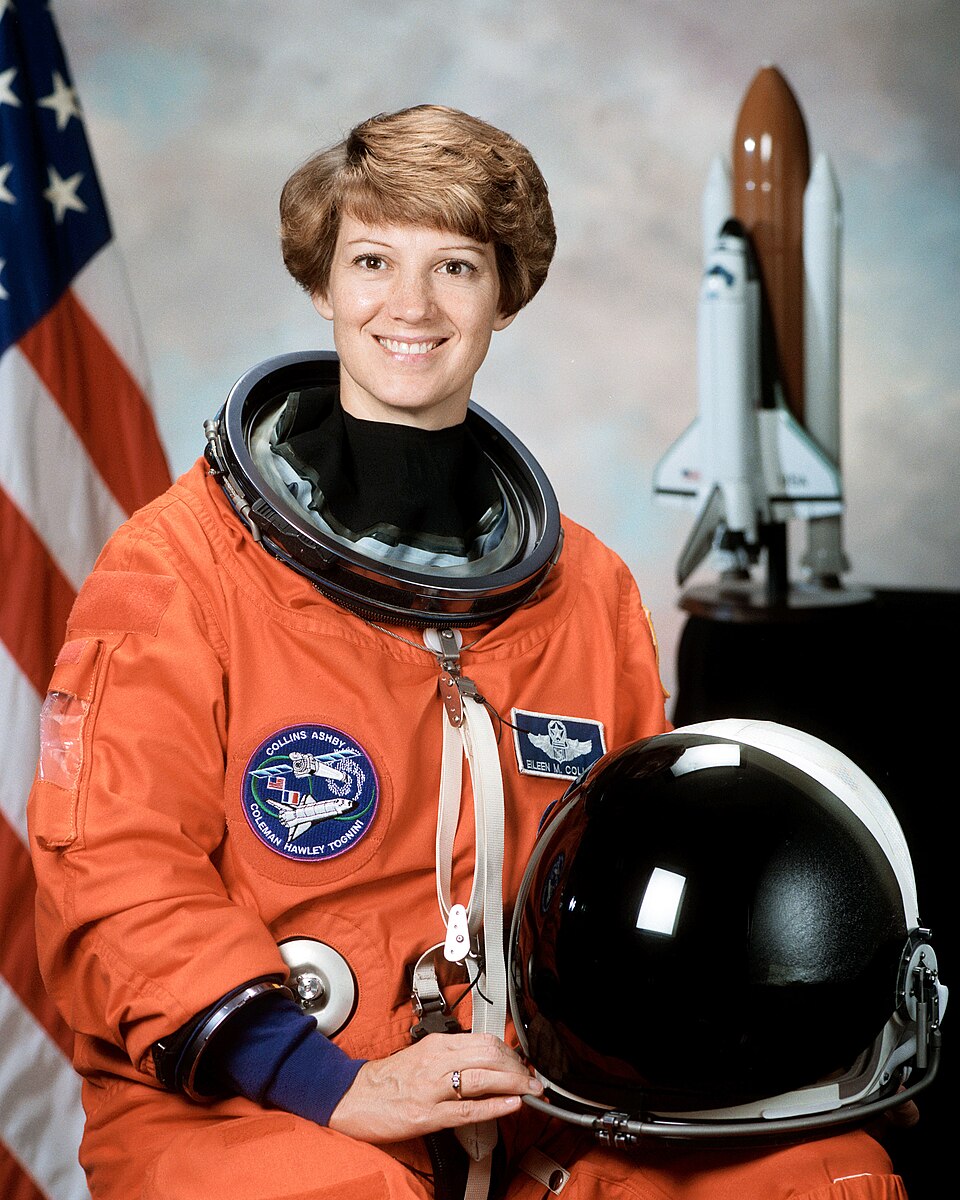
Why, then, should girls not aspire to the same? Why should we be guided by notions of where women belong — and where they do not — that are a century out of date?
Interestingly, Fritz Lang directed the film Woman in the Moon in 1929; however, to date, only men have set foot on the Moon. It would be symbolic if a woman were to set foot on its surface for the first time exactly one hundred years after the film’s premiere.
Space travel, as unusual as it may seem, is perhaps creating conditions — possibly for the first time in history — that, in certain respects, are better suited to women than to men. On average, men are taller and heavier, have a higher proportion of muscle mass, and are generally more likely to respond aggressively to danger. Throughout history, these characteristics have afforded men advantages in many terrestrial pursuits, and this eventually came to be regarded as a matter of course.
Of course, these figures represent averages. However, in space, such differences do not confer any particular advantage on men. On the contrary, a shorter, lighter woman may be better able to maneuver in a confined space than a larger man. Moreover, she typically consumes less oxygen, water, and food. Quick reflexes, honed over millennia of hunting on the savanna, are of little significance in space. Astronauts are selected primarily for their ability to remain composed under extreme conditions.
Girls should aspire to become astronauts. At the very least, they will grow up having pursued an ambitious and meaningful childhood dream. Some may be fortunate enough to fulfill that dream and venture to places where no human has ever set foot.
