

The newly launched Nancy Grace Roman Space Telescope has finally attained orbit. Over the ensuing months, it will establish its position proximate to the L2 Lagrange point within the Sun-Earth system. Astronomers globally are eagerly anticipating this development.
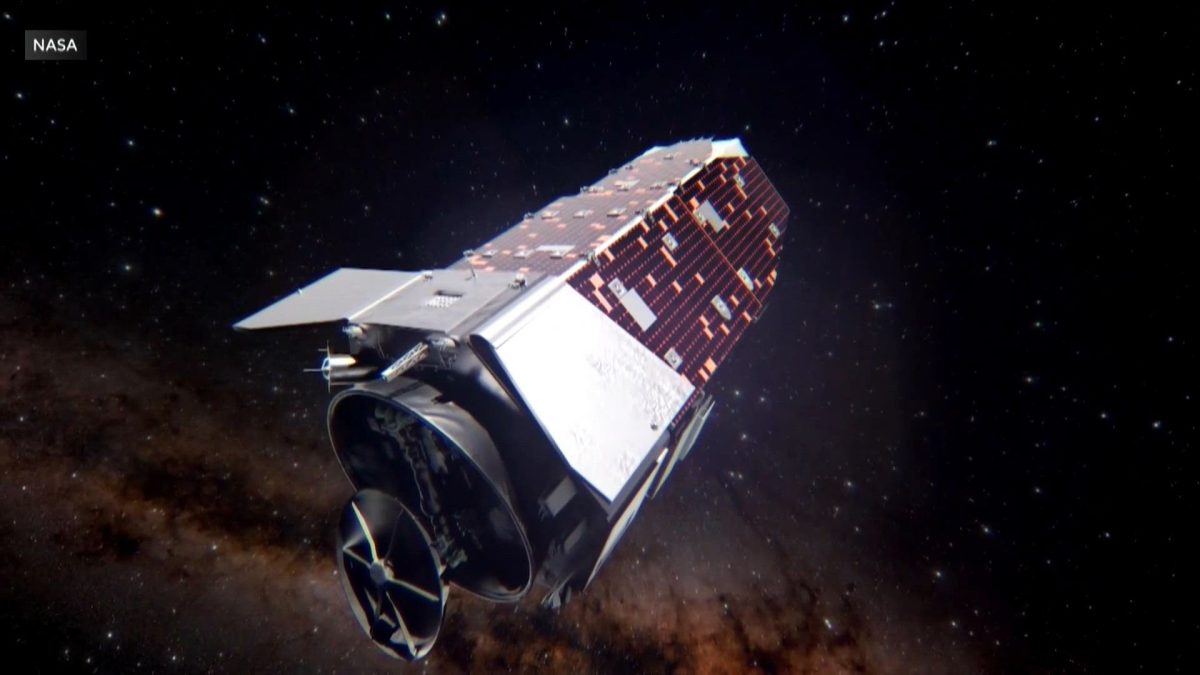
New space telescope
On Sunday, August 31, the Nancy Grace Roman Space Telescope was successfully launched into space. It is currently en route to its primary operating location — the Lagrange point L2 of the Sun-Earth system. However, scientists worldwide can now breathe a sigh of relief: it has successfully overcome the most challenging phases of its development — namely the design, construction, and launch.
Numerous opportunities existed to cancel this project. The development of the telescope commenced in 2010 under the designation Wide-Field Infrared Survey Telescope (WFIRST); however, its design had made little progress by 2016.
This was despite the fact that the primary component of the instrument was already accessible — a 2.4-meter-diameter mirror derived from a reconnaissance satellite. It concentrated light onto a 300-megapixel sensor capable of detecting wavelengths spanning from 480 nm to 2.3 mm, encompassing both visible and near-infrared light. Additionally, a compact coronagraph camera was affixed, designed to suppress light from the central star, thereby enabling the detection of orbiting planets.
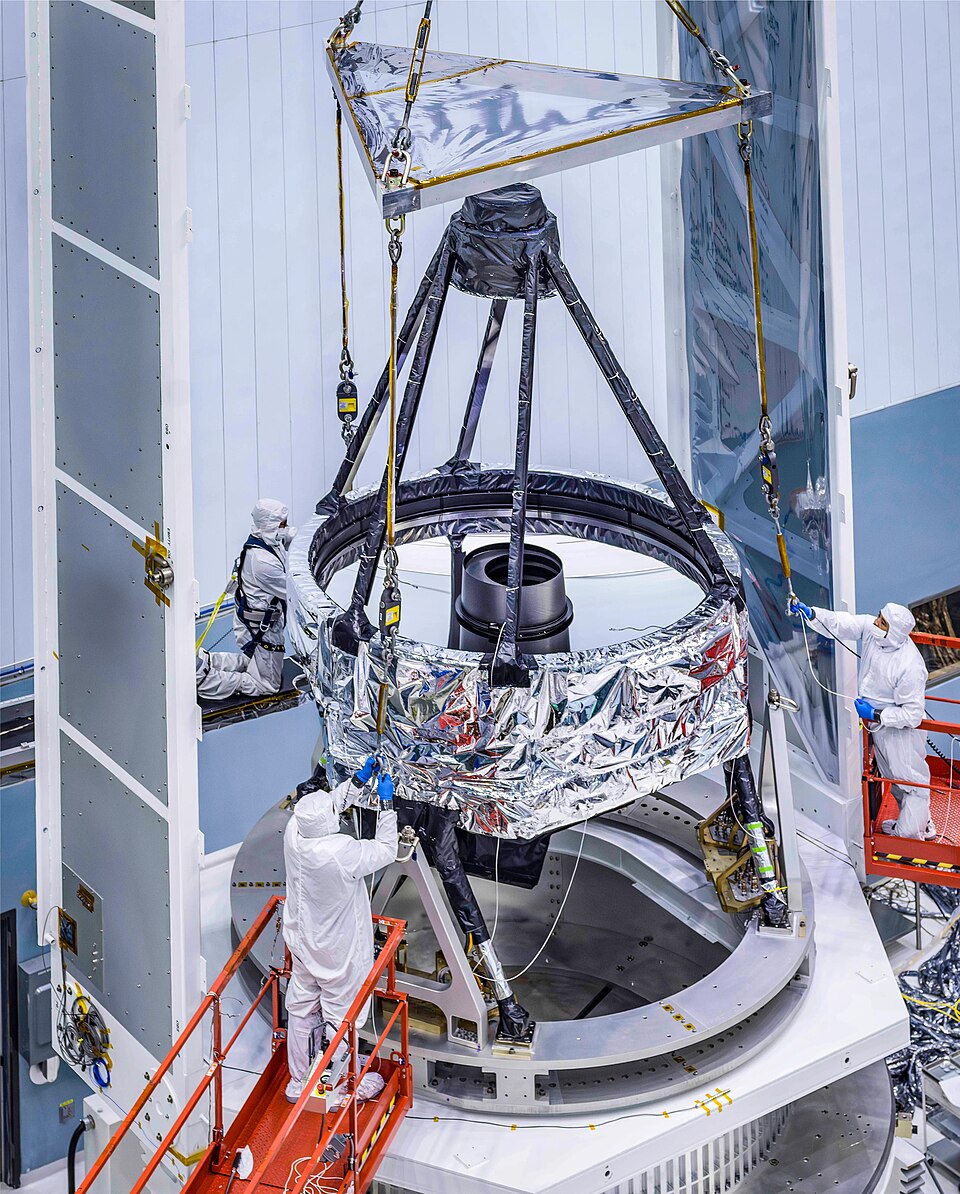
This achievement was more than sufficient in establishing a versatile instrument capable of observing numerous celestial objects while concurrently focusing on specific targets. It effectively bridged the gap between the purely astrometric capabilities of Gaia and the specialized astrophysical functions of the James Webb Space Telescope. With a field of view one hundred times larger than that of the Hubble Space Telescope, the spacecraft was optimally designed for the detection of phenomena related to dark matter and dark energy.
The observatory was subsequently renamed in honor of Nancy Grace Roman, a principal advocate in the development of space telescopes. Nevertheless, it was not immune to multiple efforts to terminate the project, led by Donald Trump, who has since expressed commendation for it. During his initial presidential term in 2019, the justification was the necessity to reallocate resources to the Artemis program. By 2025, the rationale shifted to concerns over NASA’s expenditure on non-essential endeavors.
Nevertheless, the telescope has been launched. It is now required to reach its designated location and establish its instrumentation. Researchers are eagerly anticipating new discoveries. Therefore, what scientific enigmas do they intend to resolve with its assistance?
Dark energy
The initial objective of scientists is to identify evidence of dark energy. Physicists remain uncertain as to whether this enigmatic form of matter, which exhibits no observable signs of its presence, indeed exists. However, should it exist, it constitutes the majority of the universe’s mass.
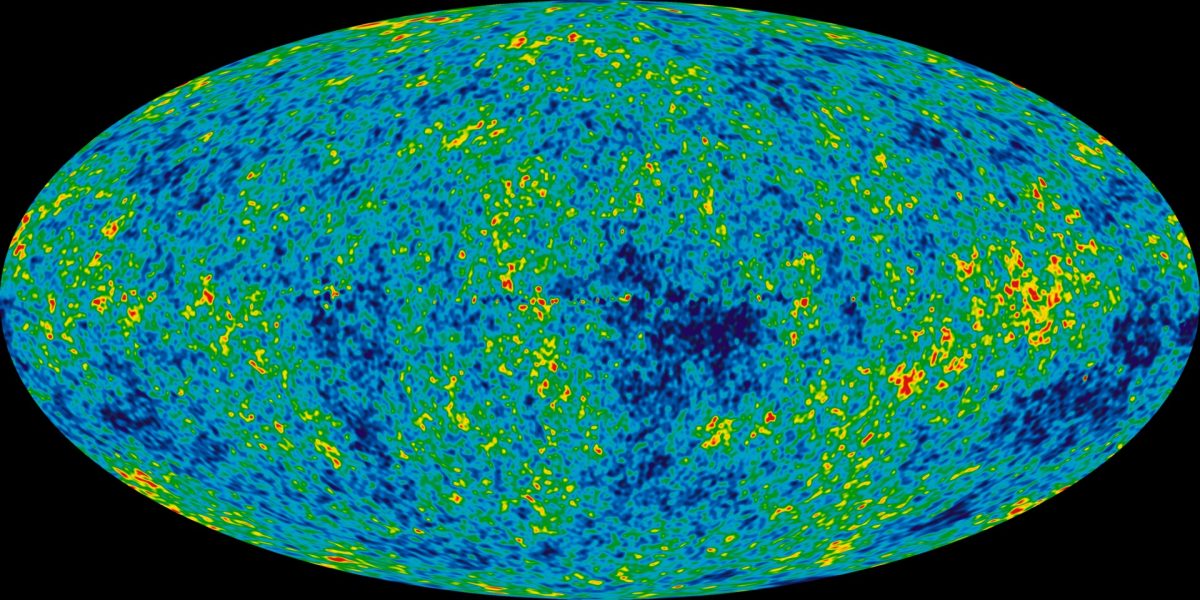
Nancy Grace Roman has identified three methods to detect this phenomenon. The first involves acoustic baryon oscillations — sound waves that originated at the very beginning of the universe. If dark energy exists, it would have influenced the propagation of these waves. Nonetheless, current traces of this process can exclusively be observed in the large-scale structure of the universe, such as the formation of galaxies and their clusters into expansive filaments and walls extending hundreds of millions of light-years. It is in this context that Nancy Grace Roman’s capabilities for both magnification and a sufficiently wide field of view are essential for conducting such investigations.
An alternative method to identify indications of dark energy involves analyzing the light emitted by distant supernovae. Given that dark energy affects the universe’s expansion, it is expected to cause varying aging processes at different distances. Consequently, it becomes necessary to detect a large volume of extremely faint and transient phenomena distributed across the entire celestial sphere.
The third method is weak microlensing. Thanks to its properties, Nancy Grace Roman will be able to detect even very faint gravitational lensing effects. Consequently, it will be possible to identify instances where such effects are absent. By integrating all three methodologies, researchers aim to ultimately achieve a significant discovery.
Dark matter
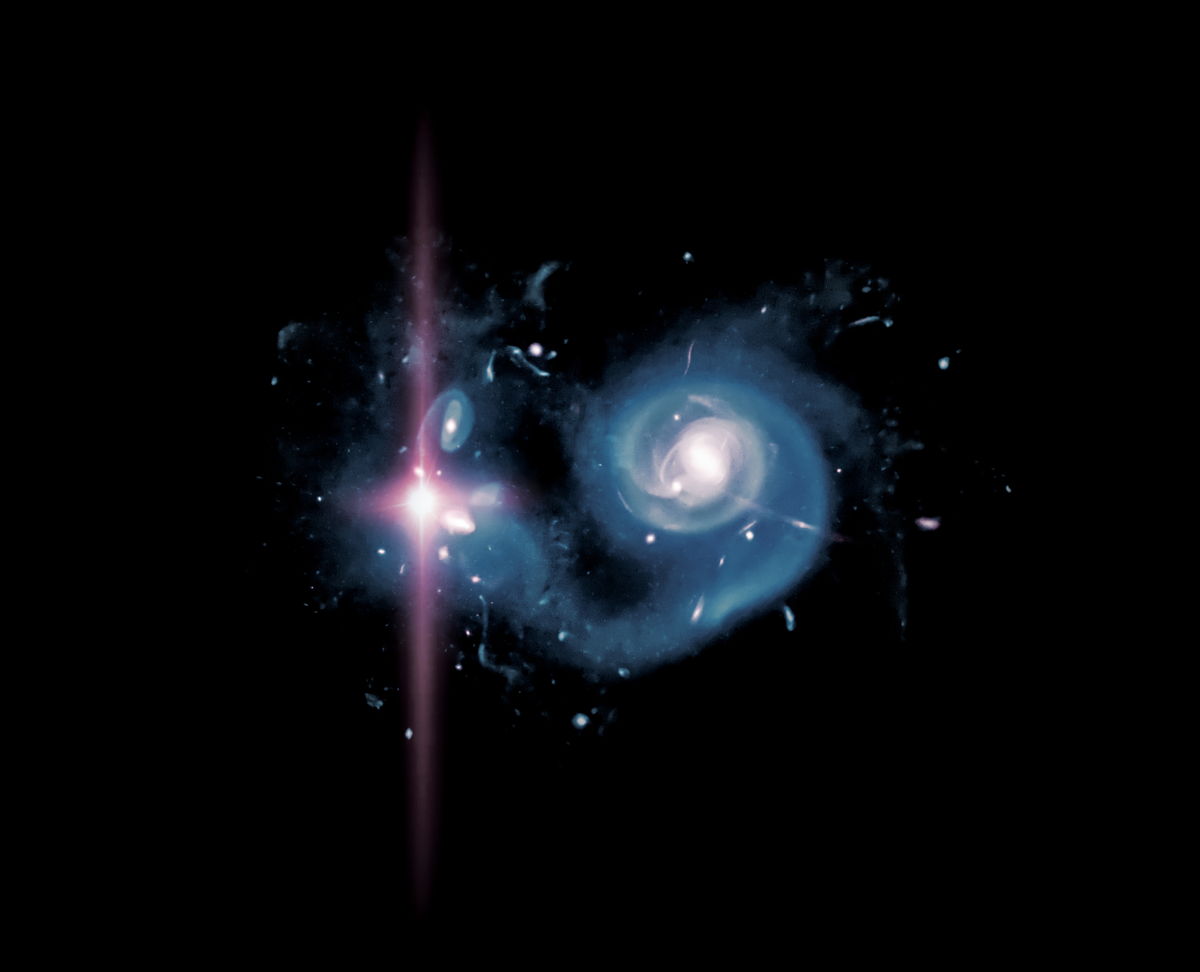
In contrast to dark energy, dark matter remains detectable through gravitational interactions. Nonetheless, there is no conclusive evidence or definitive identification of its constituent particles, despite numerous indications suggesting various possibilities.
Most questions concern the likelihood of dark matter existing in close proximity to the Milky Way. These stellar streams are created when a dwarf galaxy or globular cluster interacts with our galaxy. The gravitational forces involved gradually disintegrate these structures, a process that may extend over hundreds of millions of years as they orbit the Milky Way.
Significant gaps and irregularities are observed in the stellar streams encircling the Milky Way. These features were initially attributed to the influence of the dark matter halo. However, this interpretation was promptly challenged, as it was demonstrated that these phenomena can be entirely accounted for by the gravitational effects of the visible components of the Galaxy.
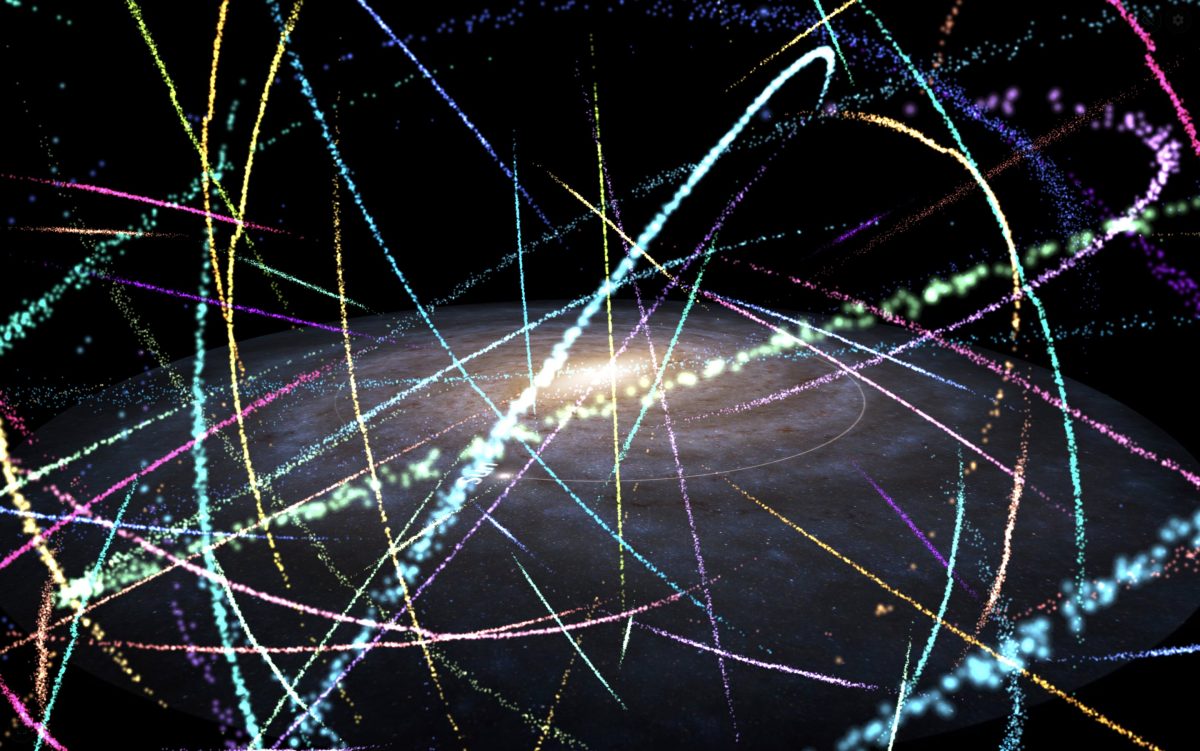
There remains insufficient data to establish a conclusive judgment. Stellar streams are inherently faint phenomena. Theoretically, their number should exceed current observational counts; however, this necessitates a telescope capable of surveying the entire celestial sphere — one that combines substantial power with an expansive field of view. The Nancy Grace Roman telescope precisely fulfills these requirements.
This telescope will endeavor to search for indications of dark matter in the vicinity of other galaxies as well. However, even with this telescope, such galaxies are too distant to resolve the stellar streams. Therefore, it is advisable to conduct a more detailed examination of dense galaxy clusters. Their interactions will assist us in determining whether there is an unseen presence around them.
Exoplanets
Another group of scientists eagerly awaiting the launch of the Nancy Grace Roman Space Telescope is the exoplanet research community. The telescope will search for exoplanets using both its primary instrument and its coronagraph.
Primarily, this pertains to the investigation of planets that may possess habitability. Although Earth-sized planets have been identified over the past few years, direct observation remains exceedingly challenging — representing one of the most formidable endeavors in contemporary astronomy.
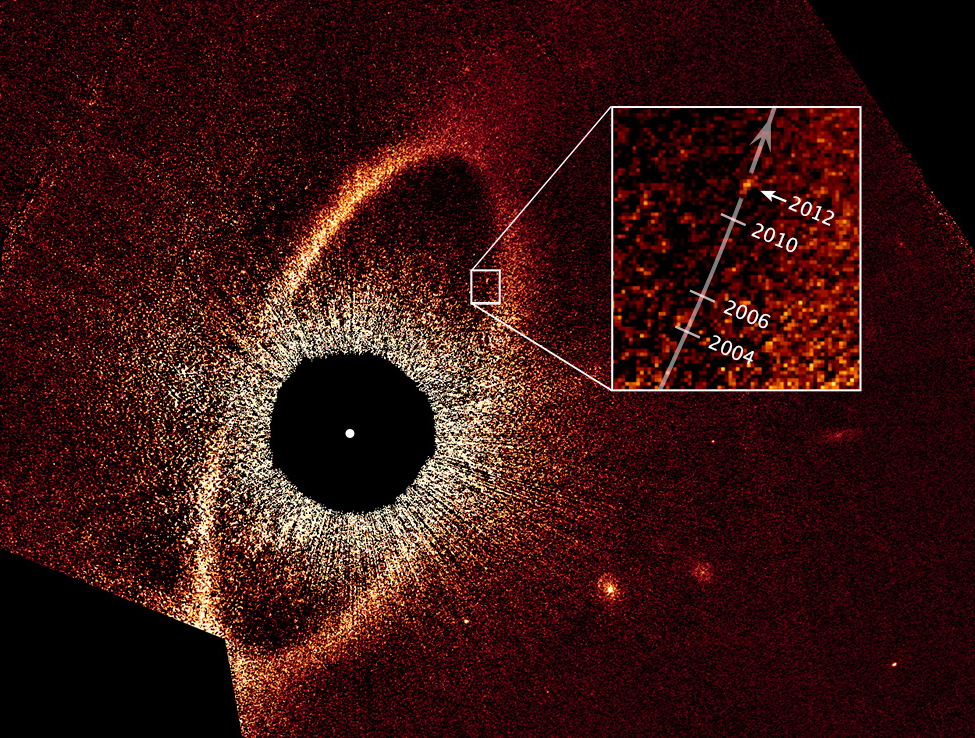
The Nancy Grace Roman Space Telescope, however, will possess sufficient sensitivity for this purpose. Furthermore, scientists intend to utilize microlensing — that is, the deflection of starlight caused directly by the gravitational field of planets — in their search for planets. Through this method, they anticipate discovering objects as small as the Moon. Among these, there will be numerous bodies with parameters akin to Earth, situated within zones where liquid water could potentially exist.
An additional objective that scientists aim to accomplish with the new telescope is to capture the initial high-resolution images of exoplanetary disks. The coronagraph of the telescope will be employed for this purpose. It will primarily be capable of imaging large gas giant planets, but even this achievement will be notably significant.
The center of the Milky Way
Another area of research wherein scientists harbor great expectations for the Nancy Grace Roman Space Telescope is the central region of the Milky Way. Currently, their understanding of this area remains rudimentary: it is known to contain a supermassive black hole at its core, encircled by clouds of dust and gas as well as clusters of luminous stars.
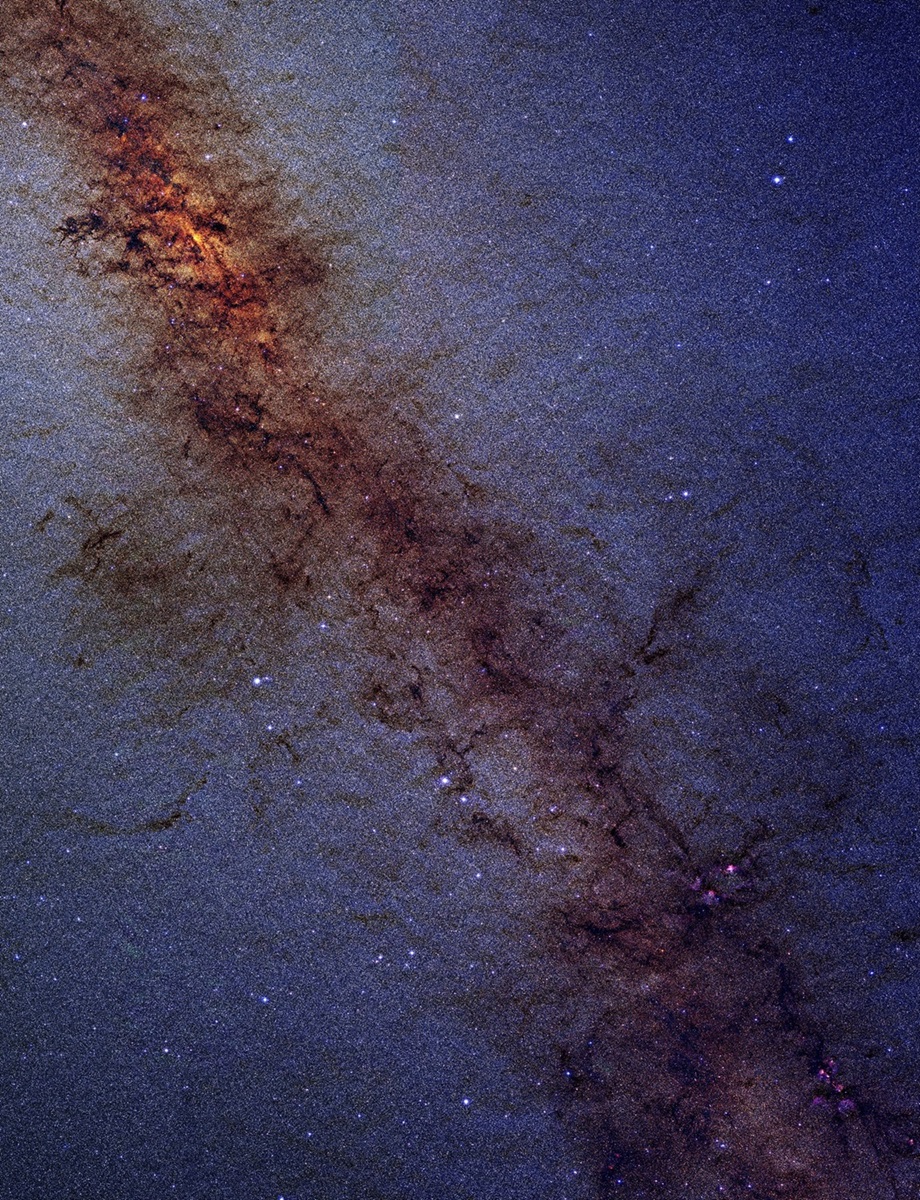
Regarding the developments in the surrounding area, the information continues to be conflicting. It is precisely this new telescope — which functions within the infrared spectrum, allowing radiation to pass relatively unimpeded through gas and dust—that is most suitable for this purpose. Its extensive field of view will also significantly assist in this regard.
Neutron stars and black holes
Another domain where the new telescope is anticipated to make a significant impact is in the search for neutron stars and black holes. Up to this point, these objects have predominantly been detected when they exist within close binary systems with other stars. In such instances, matter from the star commences accretion onto its invisible companion, resulting in emissions that are prominently observed in the X-ray and gamma-ray spectra.
Nevertheless, individual neutron stars and black holes remain virtually invisible due to their minimal radiation emission. Concurrently, these are massive objects whose gravitational influence bends light rays, resulting in the microlensing effect — precisely the phenomenon that Nancy Grace Roman will be capable of detecting.
Several minor enigmas persist in the field of astronomy, and Nancy Grace Roman may contribute to their resolution. Additionally, it is conceivable that during its observational endeavors, the telescope may uncover entirely unforeseen phenomena—findings that will occupy scientists for many years to come.
