

We are used to thinking of Earth as alive—a unique corner of the Universe where the biosphere and the environment constantly shape one another. However, researchers at the University of Washington, led by astrobiologist Samantha Gilbert-Janizek, posed a fundamental question: is life necessary for a planet to remain suitable for its emergence over billions of years?
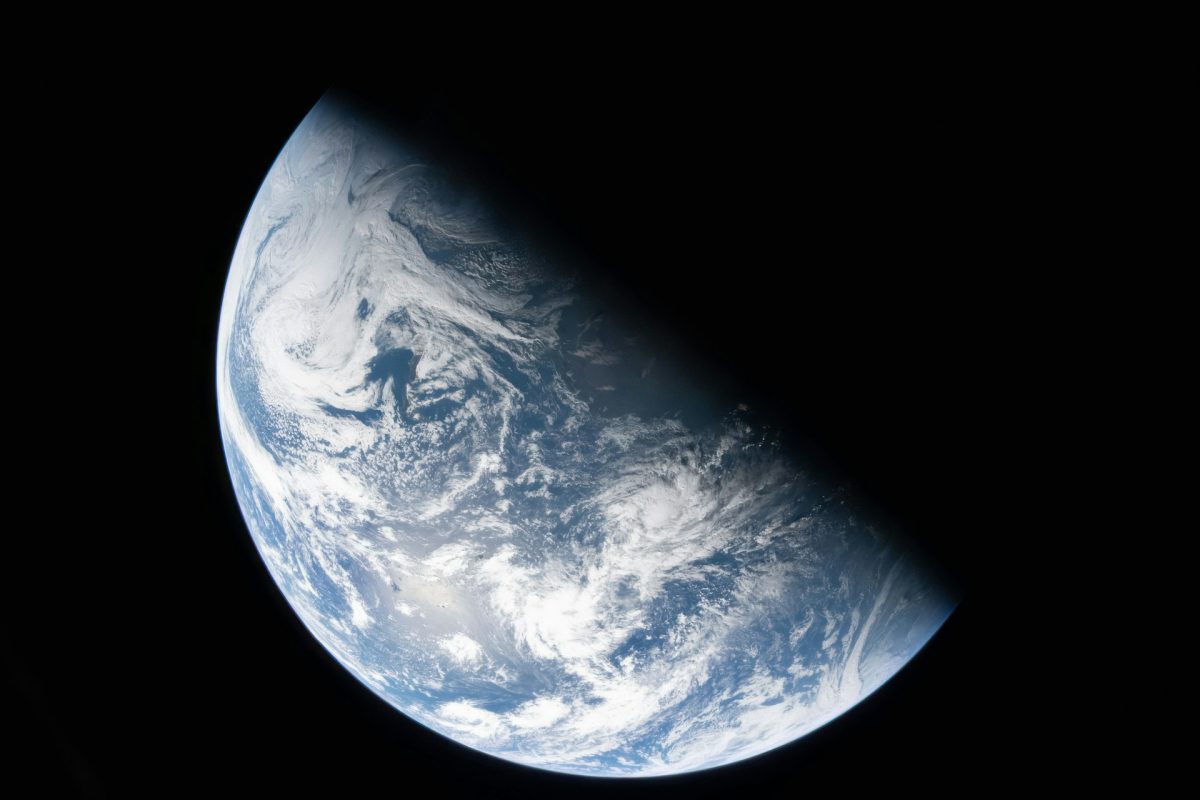
To find an answer, the authors of the study, published in The Planetary Science Journal, created a complex computer model. It reproduces Earth’s physical environment—from its core, mantle and crust to its oceans and atmosphere—but excludes biological factors entirely. The scientists tracked 19 key characteristics, including heat flows, ocean chemistry and surface temperatures, over a period spanning the planet’s formation through its first five billion years.
Natural Self-Regulation
According to the so-called Gaia hypothesis, living organisms interact with the planetary environment, maintaining a stable climate and creating a form of homeostasis. However, the simulation results showed that even without biological feedback, the planet could maintain favourable temperatures for more than 4.5 billion years.
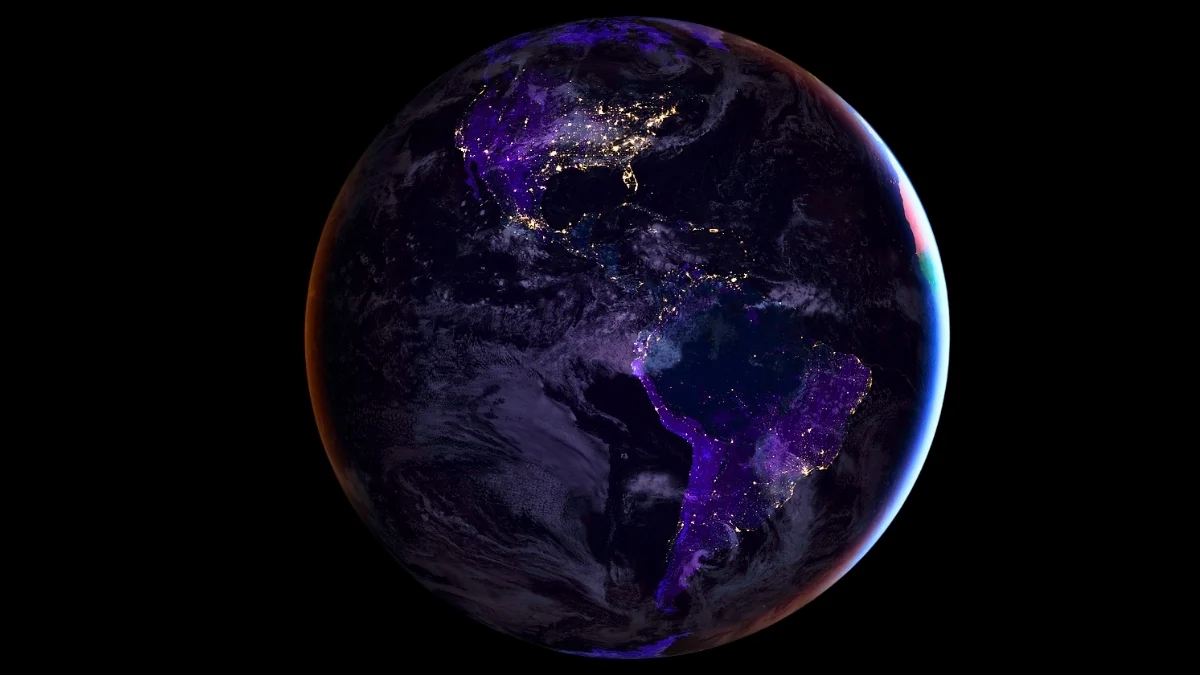
The carbonate–silicate cycle proved to be the main regulator. The interaction between silicate weathering, volcanic gas emissions and ocean chemistry created an effective mechanism for self-regulation. This process kept carbon dioxide levels and surface temperatures within suitable limits, despite the Sun’s brightness increasing by approximately 30% over that time. The sterile Earth also retained an amount of water comparable to that of the real planet.
Oxygen Deprivation
The most significant difference on the abiotic Earth was the absence of free oxygen in the atmosphere: without photosynthesis, there was simply no source of this gas. From an astronomical perspective, however, the presence of oxygen is not an essential criterion for planetary habitability—the main indicator remains the possibility of liquid water existing on the surface.
The findings do not completely disprove the Gaia hypothesis, but they suggest that a planet’s habitability and the existence of a biosphere may not be as closely linked as previously thought. The practical value of this research lies in helping astronomers: the model makes it easier to distinguish between the characteristics of exoplanet atmospheres and assess whether detected chemical signatures indicate actual life or merely result from complex geological processes.
We previously reported on the discovery of the oldest traces of life on Earth.
Based on reporting by Science Alert.
