

Our Sun rotates on its axis, so only one side faces Earth at any given time. Sunspots forming on the other side can remain unnoticed for a long time. Sound waves traveling through the star make it possible to detect them before those regions rotate into view. However, some of these signals turn out to be false. U.S. physicists have developed a way to assess which signals can be trusted, improving the magnetic maps needed for space weather forecasts.
What Solar Models Are Missing
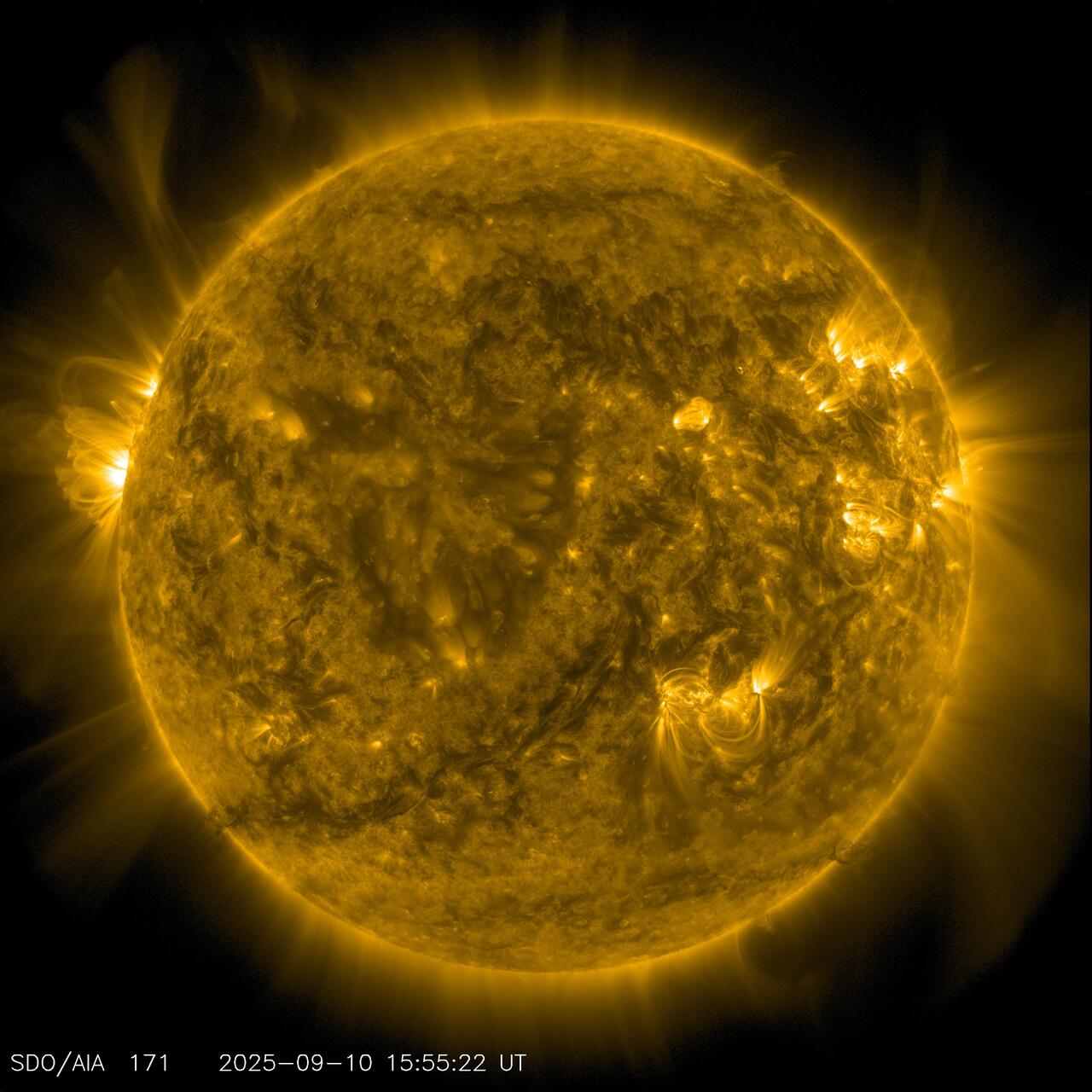
The Sun completes a rotation in approximately 27 days, leaving half its surface out of our view at any given moment. Sunspots form in active regions—areas with strong magnetic fields. Models of the entire star’s magnetic field are based primarily on observations of the visible side. As a result, they omit active regions that emerge beyond the solar limb and underestimate the magnetic flux of those that grow there.
Consequently, conventional models underestimated the total magnetic flux by 10–20%. Maps derived from these models underpin forecasts of geomagnetic storms. As Universe Today reports, flares and ejections of material from active regions threaten satellites and power grids.
Listening to the Sun’s Far Side
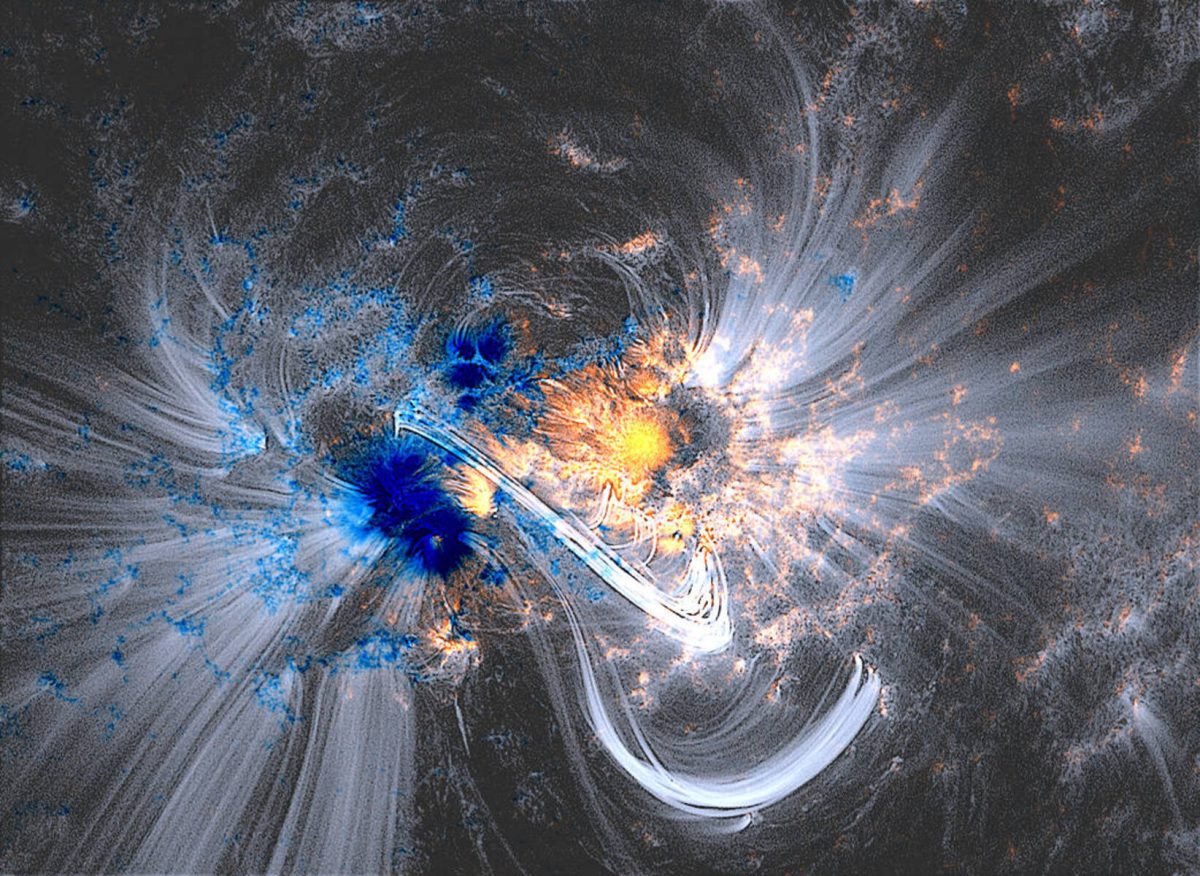
Helioseismology helps scientists look beyond the solar limb. Turbulent plasma inside the Sun excites sound waves that travel through the star. An active region’s strong magnetic field slightly changes their travel time. By analyzing oscillations of the visible surface recorded by NASA’s Solar Dynamics Observatory, researchers can calculate where magnetic fields are concentrated on the far side.
However, helioseismic maps of the far side are noisy. Lead author Bibhuti Kumar Jha of the Southwest Research Institute explains that a signal sometimes indicates an active region, but when that area rotates toward Earth, nothing is there. The origin of these “ghosts” is still not fully understood.
A Probability for Every Signal
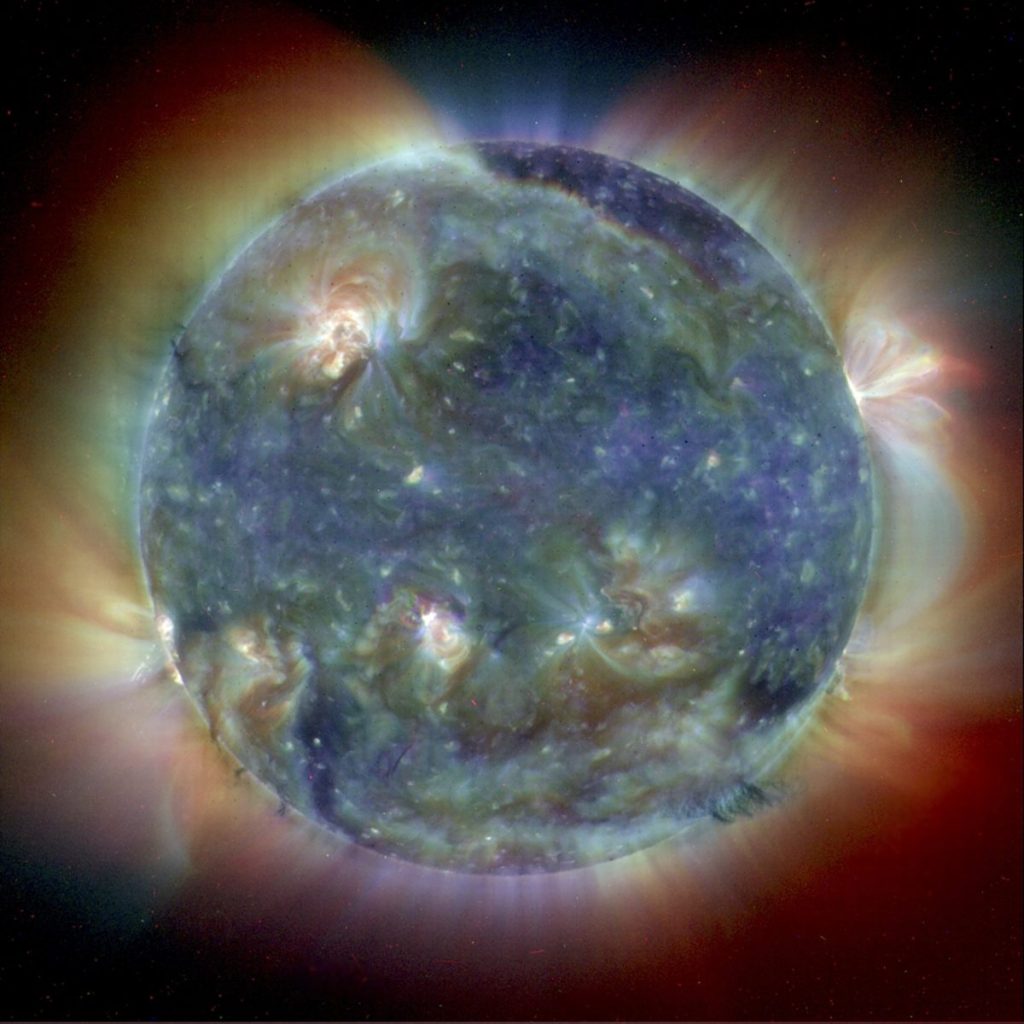
The STEREO mission archive helped researchers filter out the ghosts. From May 2010 to August 2014, two NASA spacecraft imaged the Sun’s far side in ultraviolet light, in which active regions appear brighter. The team compared more than 10,000 helioseismic signals with these images to determine which were genuine.
Using these data, the researchers built a statistical model that assigns each signal a probability of being real. It takes into account total magnetic flux, average field strength, and latitude. The model filters out 90% of the ghosts, and 93% of the regions it selects are genuine.
This caution comes at a cost. Along with the ghosts, the model rejects nearly half of the real regions, mostly weak ones. The study was published in the peer-reviewed journal The Astrophysical Journal Supplement Series.
A More Complete Magnetic Map of the Sun
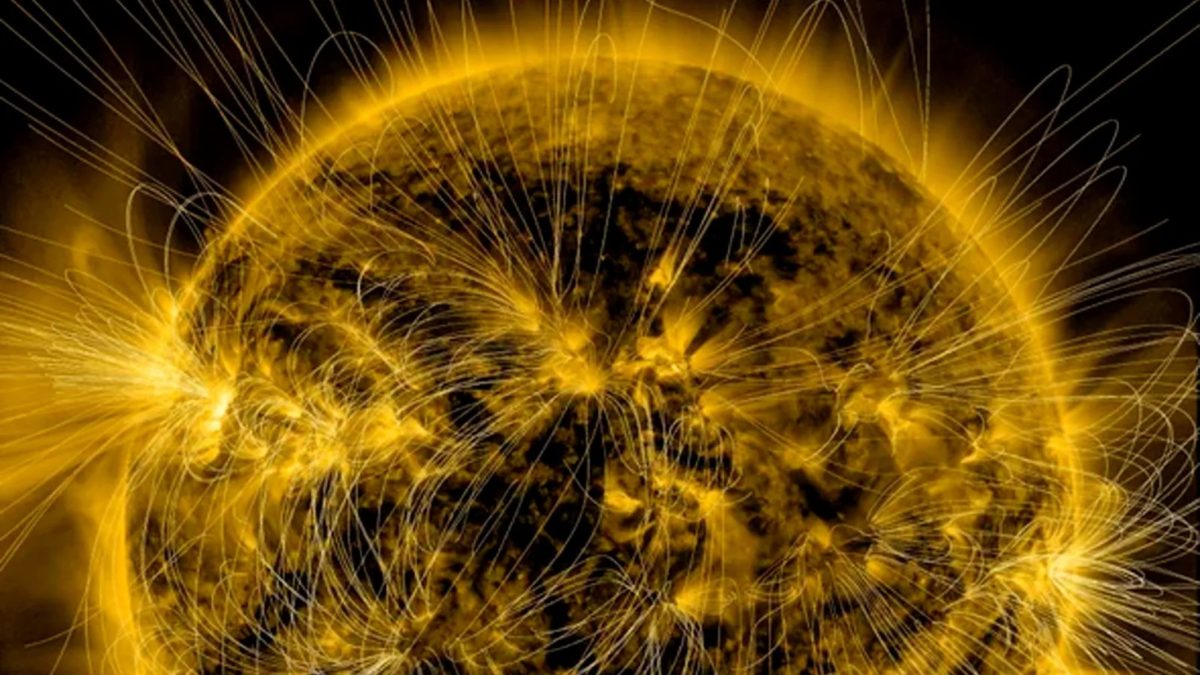
The verified signals were added to the Advective Flux Transport (AFT) model, which simulates how flows on the Sun’s surface transport its magnetic field. The model was developed by study co-author Lisa Upton. A region that rotated onto the far side in May 2011 continued growing there. The conventional model did not update it, while the new version tracked its growth.
A sunspot forming at the center of the far side emerges around the solar limb approximately a week later and faces Earth directly after another week. Ejections from regions near the center of the visible disk are the most likely to reach our planet. Reliable helioseismic data reveal such a spot a week before it becomes visible.
Bibhuti Kumar Jha also hopes to improve forecasts of the 11-year solar cycle. The authors propose incorporating the method into ADAPT, the most widely used flux transport model. Previous studies have disagreed on whether far-side data improve solar wind forecasts, and ADAPT’s developers will need to test this.
