

NASA has released new details about the upcoming Artemis III mission, scheduled for 2027. If everything goes according to plan, the flight will go down in history as one of the most complex and ambitious space experiments ever attempted. The mission’s main distinguishing feature is that the astronauts will, for the first time, have to approach and dock with two entirely different commercial spacecraft, each designed for its own crew.
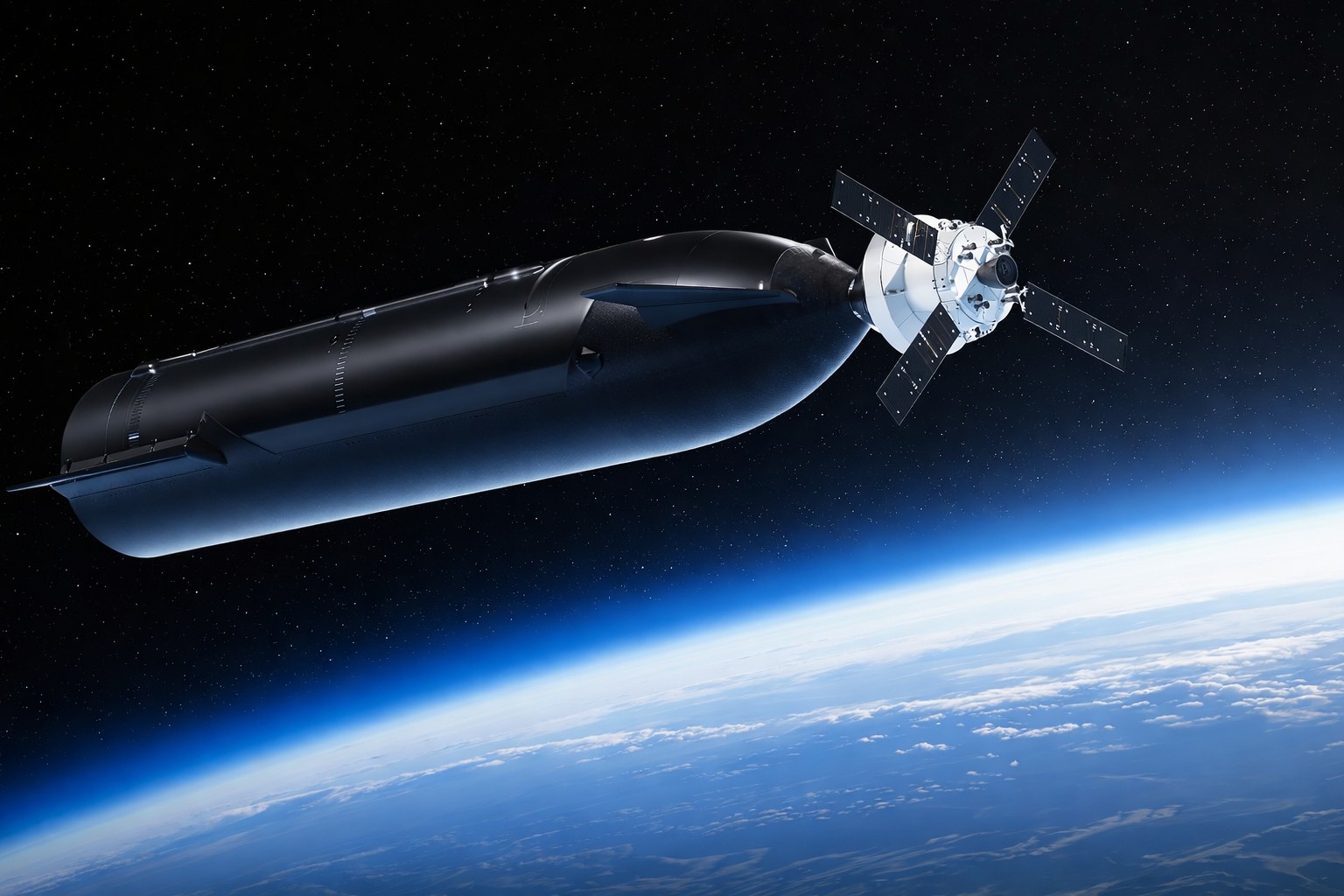
Artemis III is conceived as a large-scale dress rehearsal. During the mission, the Orion spacecraft is expected to dock in Earth orbit with two lunar landers: SpaceX’s Starship and Blue Origin’s Blue Moon. The success of this “carefully rehearsed dance” will open the way for humanity’s long-awaited return to the lunar surface during the next mission, Artemis IV.
Historical Parallels
There is only one similar precedent in the history of spaceflight. In 1986, the Soviet crew of the Soyuz T-15 mission managed to fly from one space station, Salyut 7, to another, Mir.
The American space program also had similar experience in the previous century. In 1966, during the Gemini 10 mission, astronauts John Young and Michael Collins docked with the uncrewed Agena 10 vehicle and later approached Agena 8. In the 1990s, Space Shuttle crews on missions STS-72 and STS-51A also rendezvoused with individual satellites in space. However, none of these operations required the enormous degree of coordination, the use of several giant launch vehicles, or the cooperation of different private and government organizations envisioned for Artemis III.
Stage One: Blue Moon Launch and Orbital Testing

The mission’s complex logistical sequence will begin with the launch of its first component, Blue Origin’s Blue Moon Mark 2 (Mk2) lander. The spacecraft will lift off aboard a heavy-lift New Glenn rocket from SLC-36 at Cape Canaveral. The module can remain in autonomous flight for up to 30 days, giving engineers time to test all of its life-support systems before humans are launched from Earth.
It should be noted that the Mk2 is an upgraded version of the Mk1 cargo lander, whose uncrewed launch had been planned for this year but may be delayed because of a New Glenn engine accident during testing in May. Despite this, Blue Origin executives are confident that the rocket will return to flight by the end of 2026. An uncrewed demonstration landing on the Moon is a mandatory NASA requirement for certifying both private landers before astronauts’ lives can be entrusted to them.
Stage Two: The Crew Arrives Aboard Orion
The next vehicle to launch will be the super-heavy Space Launch System rocket from Launch Complex 39B at the Kennedy Space Center. It will carry the Orion spacecraft and four astronauts into low Earth orbit.
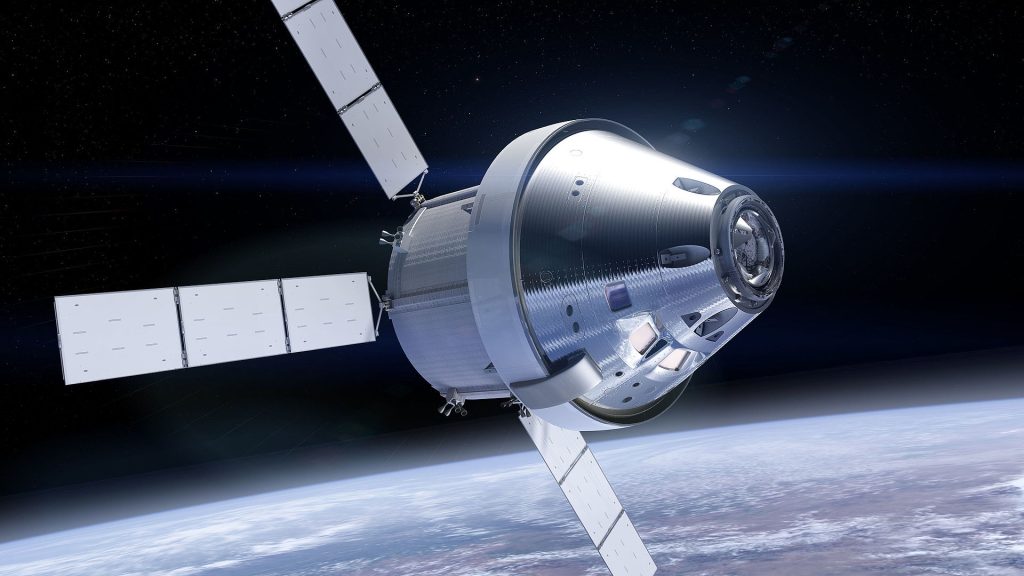
Orion will catch up with Blue Moon and remain docked to it for approximately two days. During that time, two crew members will enter the lunar module to test its avionics and environmental control systems under real microgravity conditions. A new EVA spacesuit test article will also be placed inside the crew cabin, allowing specialists to collect data on how the future equipment interacts with the cabin interior.
Stage Three: Rendezvous with Starship V3
Only after Orion undocks from Blue Moon will it be SpaceX’s turn. Elon Musk’s company is currently actively constructing two Starship launch towers in Florida at LC-39A and SLC-37, and the giant spacecraft will lift off from one of them.
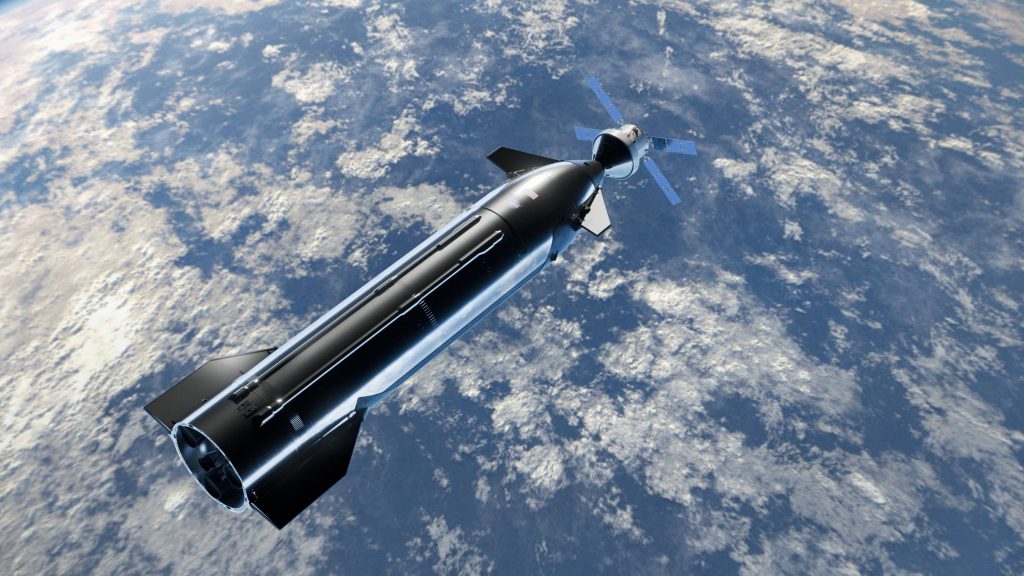
Although SpaceX has already conducted more than a dozen test launches of the Super Heavy and Starship system, the spacecraft is still under development. For the Artemis III mission, the company plans to use the Starship V3 configuration. This third version will be equipped with a special docking adapter. During its rendezvous with Orion, the astronauts will not enter Starship; the main objective of this stage will be to test mutual maneuvering systems and communications between the spacecraft.

The V3 version will receive upgrades that are critical for future lunar missions, including ports for in-space cryogenic propellant refueling. According to NASA estimates, a full Artemis IV lunar mission will require approximately 15 Starship tanker launches for orbital refueling. For Artemis III, however, all three spacecraft will have sufficient capability to complete their assigned tasks with one individual launch each.
Returning Home
The joint flight of Orion and Starship will last approximately one day. After all checks have been completed, the crew will undock from the commercial spacecraft and begin the journey back to Earth. The conclusion of the Artemis III mission will follow the pattern of previous flights: the Orion capsule will make a soft, parachute-assisted splashdown in the Pacific Ocean off the western coast of the United States.
The success of this enormous orbital experiment will remove the final technical obstacles ahead of Artemis IV, scheduled for 2028, during which Starship is expected to carry out the first crewed landing on the surface of our natural satellite in more than half a century.
During next year’s Artemis III mission, teams will practice rendezvous, docking, and proximity operations in low-Earth orbit pic.twitter.com/CvvLHl11hI
— SpaceX (@SpaceX) July 16, 2026
Earlier, we reported that Artemis III had entered the rocket assembly stage.
According to Space
