

Orbital computing capacity is being proposed for lease in the same way as aircraft or cargo ships. Developer Sophia Space has agreed on such a model with leasing operator SLI. The partner purchases completed hardware from the manufacturer and then leases it to users for a fixed monthly or quarterly fee. What is unusual here is the approach to financing space hardware itself.
Terms of the Agreement
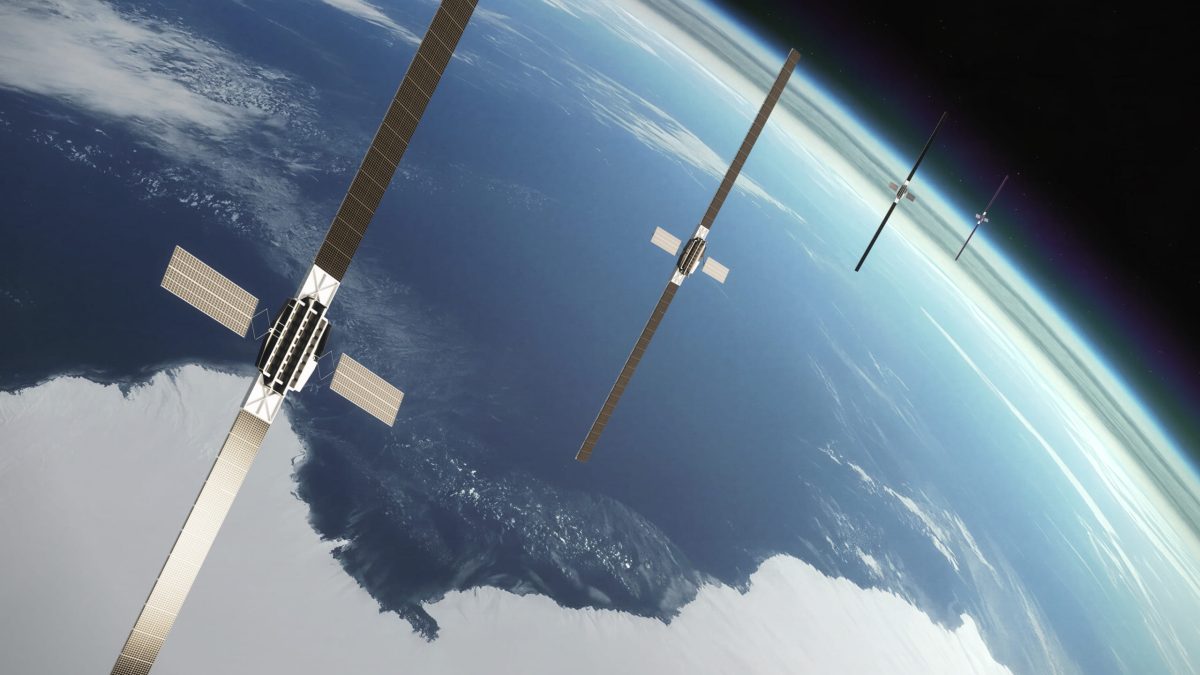
The financial framework covers $300 million and is designed for ten TILE-series spacecraft. Once deployed, their combined computing capacity is expected to equal 240 modern edge servers — machines that process information close to where it is generated rather than in a distant ground-based data center.
Payments from the leasing partner are tied to the production and launch schedule, while the lease is intended to cover the full design life of the hardware. The first launches are planned for no earlier than 2028, according to a joint statement by the companies.
Why Compute in Orbit
Remote-sensing instruments collect far more data than they can transmit to Earth in time. The transmission channel is narrow and communication sessions with ground stations are short, so some of the material reaches users with a delay.
Processing directly onboard reduces latency because a finished result, rather than a raw data set, is sent to Earth. Applications cited by the developer include Earth observation, weather analytics, supply-chain management, and disaster preparedness.
The companies also specifically mention demand from intelligence, surveillance, and reconnaissance — that is, intelligence gathering over terrain before an operation. This is a military and security segment in which obtaining a conclusion quickly can matter more than the volume of data collected.
A Model Borrowed from Aviation and Shipping
Financing through the purchase of an asset followed by leasing has long been used in transportation, energy, and railways. The owner invests in purchasing the equipment, while the operator pays for its use and does not tie up its own capital in hardware.
“Asset financing did not invent aviation or shipping, but it accelerated them at scale,” said Rob DeMillo, CEO and co-founder of Sophia Space. SLI head Praveen Vetrivel frames it from another angle, saying that the technology and the team were already there, but what was missing was access to capital that would not dilute the founders’ ownership stakes.
SLI was established in 2023 as the aerospace division of Libra Group, which has more than $15 billion in asset-financing experience in transportation industries, according to Yahoo Finance.
A Risky Asset
The key difference from aviation is that a malfunctioning aircraft can be returned to the lessor, while a failed satellite in orbit has nowhere to go. An accident or degradation can wipe out the value of the asset with no chance of repair or resale, so the lease price has to incorporate that risk in advance.
For now, the parties are not assuming binding obligations. The letter of support records their intentions and schedule, but it does not guarantee that the money will actually reach production. The practical test of the model will fall to the orbital-asset insurance market, which will have to assess hardware that has never flown before.
