

Traces of destroyed megastructures from extraterrestrial civilizations may have entered our Solar System along with interstellar dust and settled on the Moon’s surface. This hypothesis was put forward by an astrophysicist from Oxford. If it is correct, we need not look for technological traces of alien civilizations in distant corners of the Galaxy, but rather in the lunar regolith.
Why do signals disappear?
The search for technological signs of extraterrestrial civilizations has so far focused primarily on active radio signals. However, even Earth’s civilization has been broadcasting radio waves into outer space for only about a hundred years and is already gradually phasing this out.
The chances that any other technological civilization exists alongside us and is actively transmitting signals are slim. This means that passive technological traces—that is, those that require no maintenance—are, in principle, a more promising target for the search. They can persist for billions of years after their creators have disappeared.
What does dust have to do with this?
Brian C. Lacki, an astrophysicist with the Breakthrough Listen initiative at the University of Oxford, suggests that sufficiently advanced civilizations might have built megastructures in orbit around their stars. Such structures would require constant orbital maintenance. If a civilization once existed and then disappeared, this process would have ceased.
Without support, the structural components would inevitably come together under the force of gravity, collide, and be destroyed. Lucky describes a chain reaction in which each collision generates new fragments, which in turn cause new collisions. Even a massive megastructure would eventually turn into micron-sized dust, which Lucky calls “technograins.”
The stellar wind could have pushed fairly small particles out of their home star system, and they would have scattered into interstellar space. As our Solar System orbits the center of the Galaxy, it regularly passes through interstellar material, some of which may have been precisely this kind of dust.
Lunar regolith as an archive
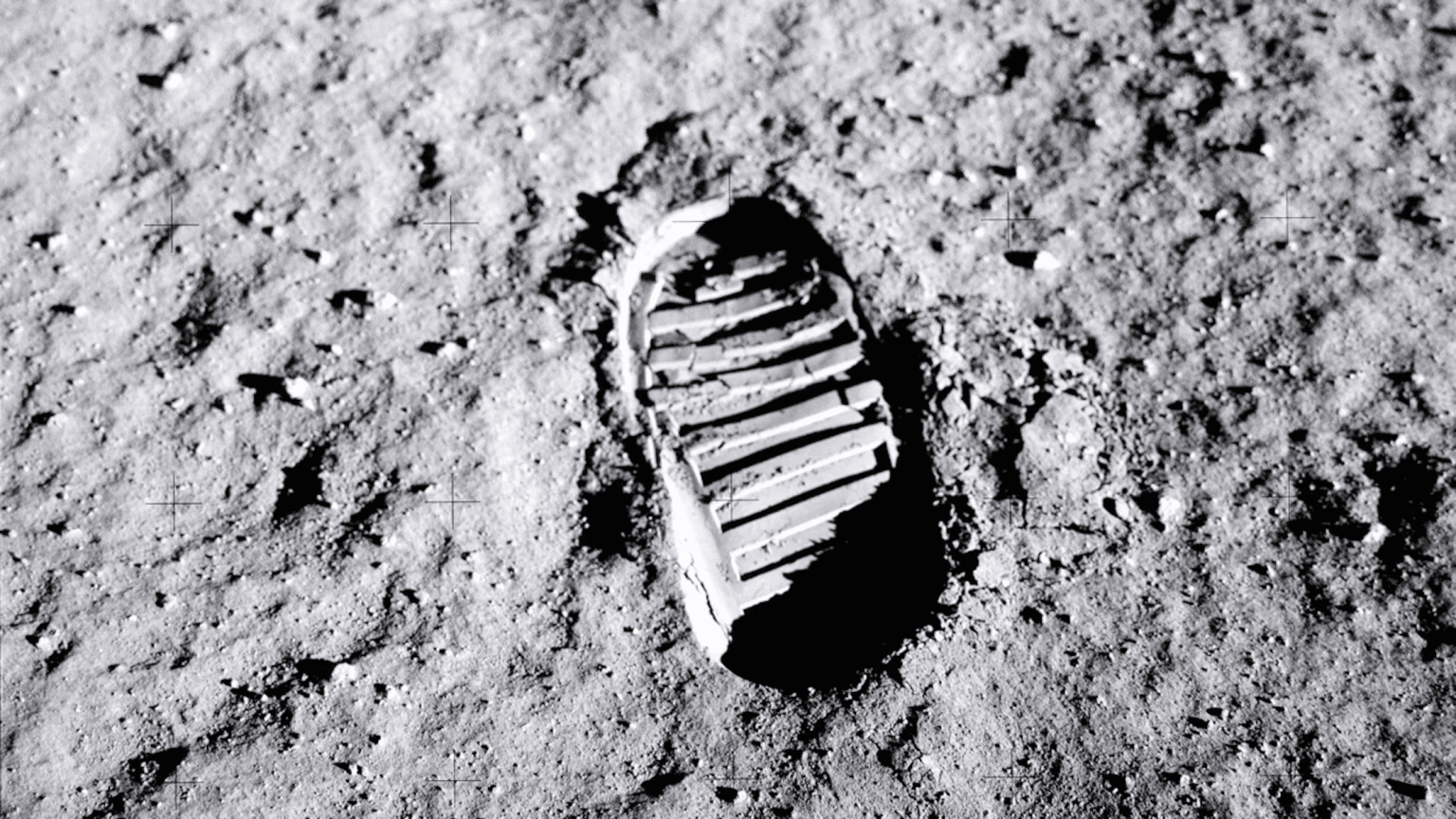
If Lacki’s hypothesis is correct, lunar soil may contain “techno-grains” from other star systems that were carried there during the early history of the Solar System. No new space telescopes are needed for this search. It is sufficient to analyze regolith samples for anomalous materials of artificial origin.
The findings have not yet undergone formal peer review. The preprint has been published on arXiv and submitted to the proceedings of IAU Symposium 404, dedicated to the search for technological markers.
According to universetoday.com
