

Scientists have developed a kerosene-based gel that could be used as fuel in spaceflight. In its normal state, it is a jelly-like solid, but when force is applied, it becomes liquid and can easily be injected where needed.
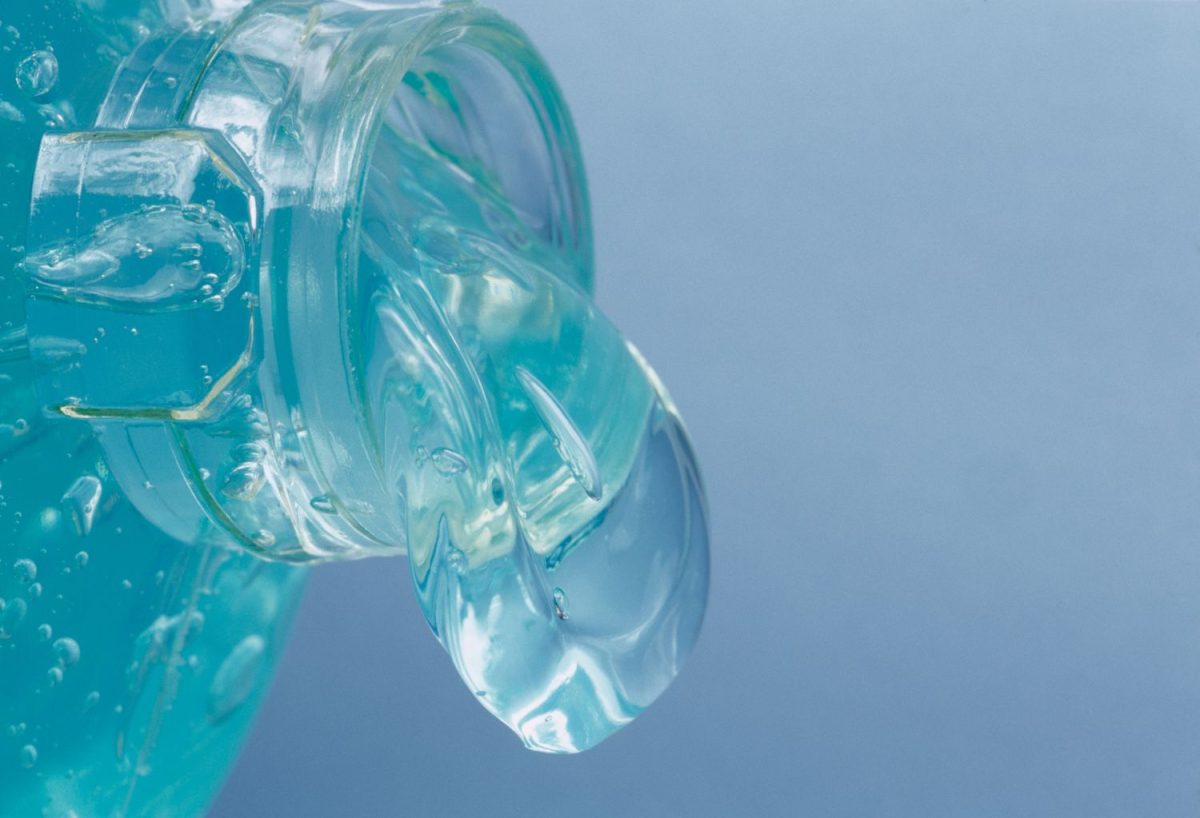
Kerosene Gel
Researchers Pranay Mudaliar and Jerin John from the Department of Mechanical, Industrial and Aerospace Engineering recently presented samples of an easy-to-handle gel fuel for spacecraft. According to phys.org, their study was published in Langmuir.
The problem is an intriguing one. Kerosene, commonly used as fuel in space technology, is volatile, prone to separation, and generally unpredictable. After launch, it typically does not completely fill a spacecraft’s tanks, which can cause numerous problems with mass balance and consistent fuel injection.
To address this issue, the researchers turned kerosene into a gel. This term describes systems consisting of liquid and solid phases, with a viscosity that makes them behave more like solids than liquids. Familiar examples include toothpaste and jam.
The Advantages of the New Fuel
To turn kerosene into a gel, the researchers added lecithin and a small amount of calcium chloride, then stabilized the mixture. The resulting material remained combustible while behaving almost like a solid under normal conditions.
The gel should therefore behave predictably inside a spacecraft’s tanks. But could this make it impossible to pump into the combustion chamber? The scientists say no. The key lies in a property called shear stress. For the new gel, it is approximately 100 times… [sentence incomplete in the original].
This is enough to keep the fuel from moving around inside the tank, even when some vibrations occur. However, the pump that feeds it into the pipelines applies a much greater force. As a result, the gel becomes liquid and flows where it is needed.
According to the development team, this work provides a promising foundation for further research. However, tests in actual spacecraft propulsion systems are needed to assess the material’s performance under real spaceflight conditions.
