

Earth pathogens can survive in Martian conditions and become less visible to the immune system. This conclusion was reached by Tommaso Zaccaria, a PhD student at Radboud University Medical Center in Nijmegen, after a series of experiments with simulated space conditions. It might seem that harsh radiation and dehydration should destroy bacteria, but the microorganisms not only survived — they also changed in ways that made the human body respond to them more weakly.
Dangerous Cargo
In the past, astronauts were most concerned about bringing something alien back from space. Now the question has been turned around. The first lunar missions already left organic waste on Earth’s satellite. The sterilization protocols used during the first Viking mission to Mars in the 1970s were far simpler than today’s.
The PhD student focused on the Moon, Mars, and the icy moons of Jupiter and Saturn, where water is present. According to Tommaso Zaccaria, hot springs once existed on Mars, and in some places the temperature reaches 20°C. Combined with the presence of amino acids and carbon compounds, this creates favorable conditions for microbial survival.
Yeast and Bacteria
Tommaso Zaccaria conducted his experiments at the German Aerospace Center, exposing organisms to high doses of radiation, dehydration, and freezing. Among microorganisms from Earth’s extreme environments, yeast performed best. They strengthened their DNA repair mechanisms and triggered protective chemical reactions inside their cells.
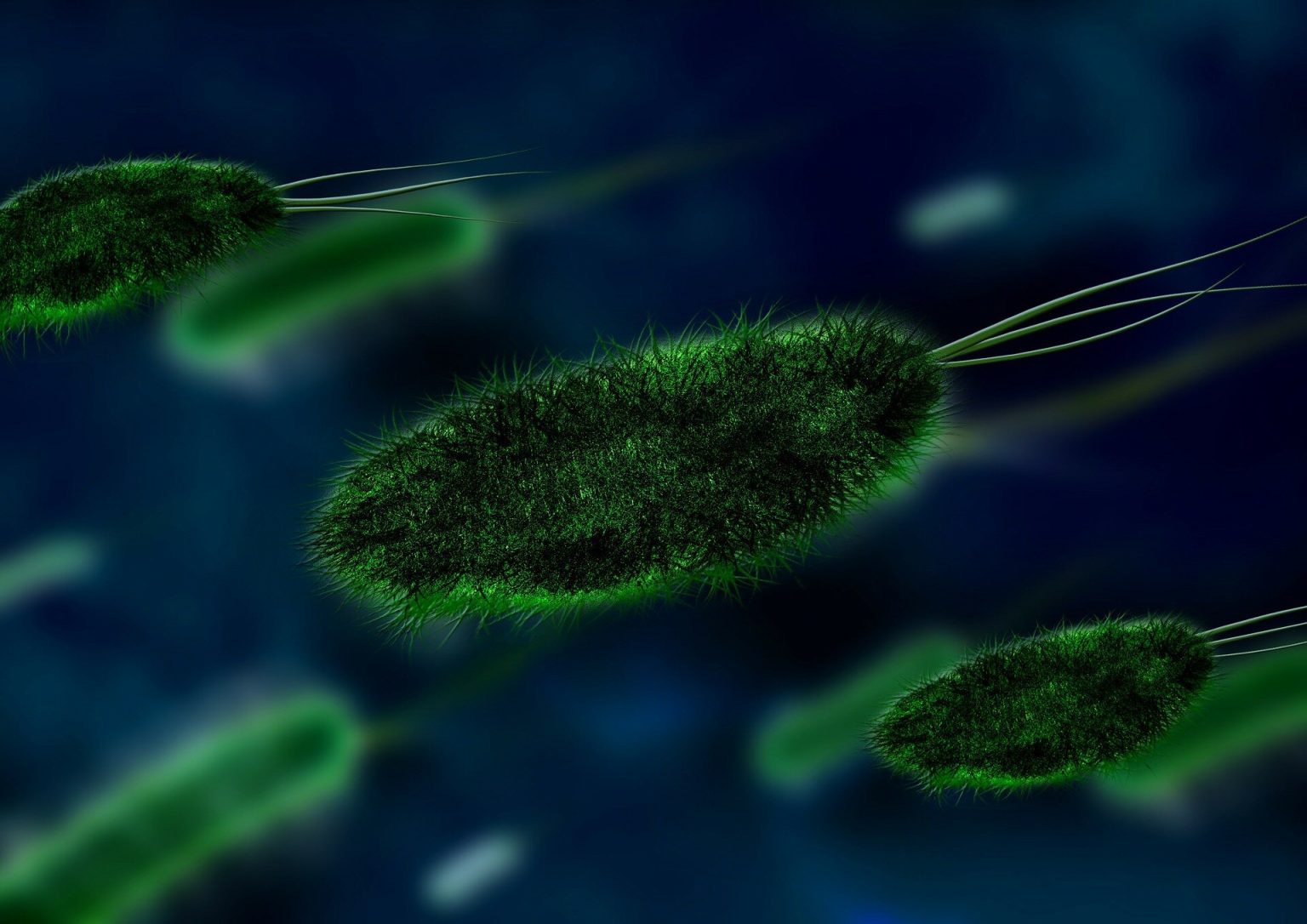
The researcher then turned to known pathogens, including the bacterium Klebsiella pneumoniae, which causes lung inflammation. After a simulated flight to Mars, the bacteria became smaller in size but survived. In laboratory tests, human blood immune cells reacted more weakly to their altered forms than to ordinary ones.
A Burden on the Immune System
For astronauts, this is especially dangerous because their immune systems are already weakened by the absence of a normal day-night cycle, disruption of the gut flora, DNA damage caused by radiation, limited social contact, and confined living space.
Another threat is regolith — dust from the surface of the Moon and Mars. Simulated samples of this material damaged the protective layer of the lungs and triggered inflammation, while terrestrial sand did not produce the same effect. Lunar regolith turned out to be more aggressive than Martian regolith.
From Space to the Patient
Tommaso Zaccaria’s scientific supervisors, Professors Mihai Netea and Marien de Jonge, emphasize that this research is significant beyond space medicine. In astronauts, they observed immune suppression and accelerated aging of the body, making it possible to quantitatively measure changes that are difficult to track on Earth under controlled conditions.
Marien de Jonge noted that, alongside biological and chronological age, there is also immunological age, which can vary significantly among people of the same official age. Space research makes it possible to measure these differences under conditions that are practically impossible to reproduce on Earth.
According to phys.org