

October’s full moon is just around the corner. It will arrive as preparations begin for the traditional Halloween season of spooky tales and jack-o’-lanterns, adding an atmospheric glow to autumn evenings. This year’s full moon bears the traditional name of the Hunter’s Moon. It will reach its peak overnight into Monday, October 26.
According to astronomical calendars, the Moon’s disk will reach maximum illumination on October 26 at 12:12 a.m. ET .
To the casual observer, the lunar disk will appear fully round for several consecutive nights, from Sunday evening, October 25, through Tuesday, October 27. If you miss the exact moment of the peak, you will still have an excellent opportunity to enjoy the spectacle over several days. Clear skies, of course, remain essential for viewing.
Why Is October’s Full Moon Called the Hunter’s Moon?
The name “Hunter’s Moon” has deep historical roots. Traditionally, it marks the period after the harvest, when fields had been cleared and rural communities went hunting to stock up on meat for the coming cold winter.
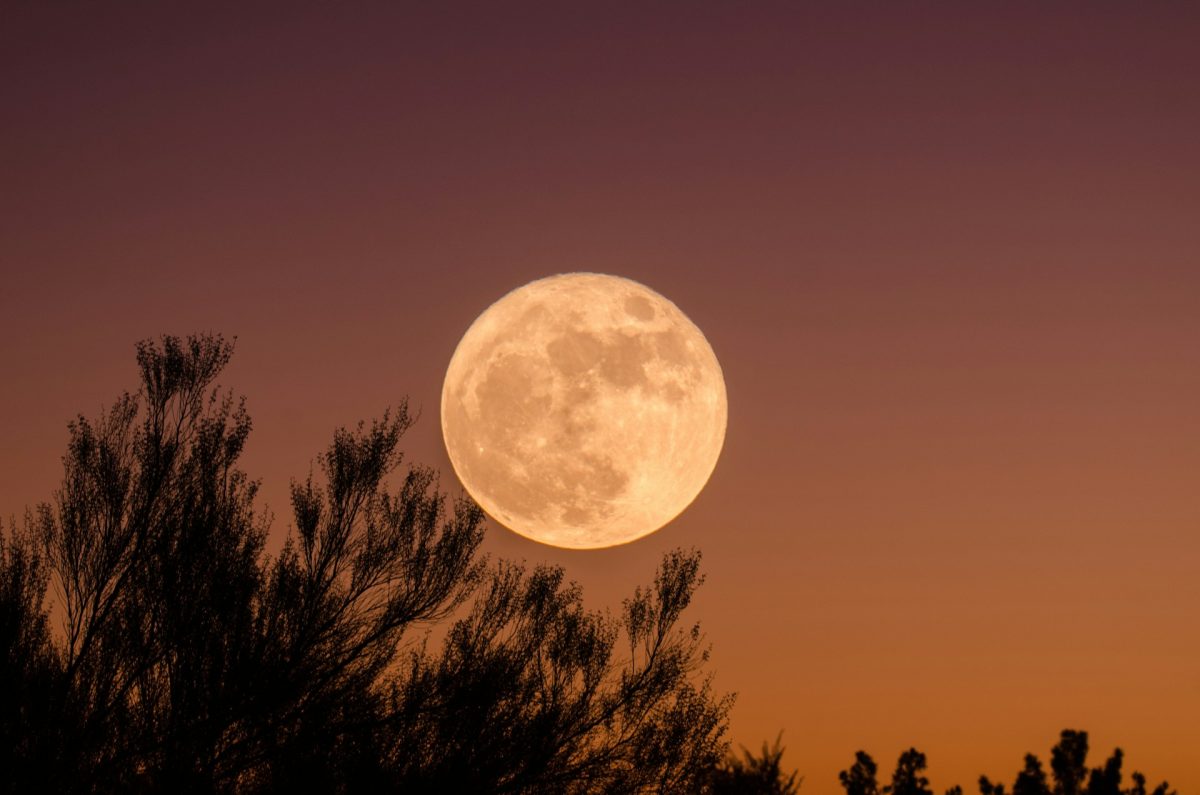
In addition to this name, various cultures and sources, including meteorological services, refer to this lunar period as:
- Dying Grass Moon
- Travel Moon
- Blood Moon or Sanguine Moon
- Waking Moon
Will There Be a Full Moon on Halloween?
Anyone hoping for a mysterious full moon on the night leading into October 31 will be disappointed. Halloween falls several days after the Hunter’s Moon peaks, so Earth’s natural satellite will already be waning.
According to NASA’s calculations, a full moon on Halloween is a relatively rare astronomical event. The next one will not occur until 2039.
Which Full Moons Are Coming Next?
After October’s Hunter’s Moon, only two full moons remain on the 2026 calendar. Both will be supermoons, occurring when the Moon comes closest to Earth.
- Beaver Moon (supermoon): It will peak on November 24 at 9:53 a.m. ET.
- Cold Moon (supermoon): It will reach full illumination on December 24 at 8:28 p.m. ET.
We previously encouraged readers not to miss the 2026 calendar of solar and lunar eclipses.
Based on material from USA Today.
