

Halloween is approaching — a holiday during which people seek to frighten one another in a variety of ways. We have decided to take part in this tradition by sharing five things that aspiring space travelers should genuinely fear. Believe me, they are more frightening than any vampires or pumpkin-headed monsters.
Fears in space
Halloween is traditionally celebrated on the evening of October 31 and is closely associated with spirits and death. The holiday originates in the Celtic pagan festival of Samhain, which was linked to the calendar and astronomy and marked the transition from summer and light to winter and darkness.
For residents of the Northern Hemisphere, a glance out the window is enough to observe nature entering dormancy, only to be renewed in spring. Trees that rapidly shed their leaves naturally evoke thoughts of the spirits of the dead and creatures from fairy tales.
With the advent of Christianity, the holiday did not disappear; rather, as is often the case, it was adapted. The Catholic Church embraced the spirit of the holiday and initially established a feast day on November 1, known as All Saints’ Day. On this day, not only canonized saints are honored, but also those who died anonymously. In other words, it is, quite literally, an appropriate occasion for communicating with the dead.

As a result, folk traditions associated with it gradually became increasingly linked to death and spirits. More specifically, these traditions came to center on the evening before the holiday, All Hallows’ Evening, a name that was later shortened to Halloween. Today, the holiday has evolved into a form of entertainment, although the tradition of frightening one another has endured.
But can anything frighten an astronaut—someone who voluntarily boards a rocket to travel into space? Indeed, five invisible dangers are more frightening than any supernatural entity, and all astronauts fear them. We will now tell you about these dangers.
Radiation
One of the primary hazards that astronauts fear is radiation. It has several characteristics reminiscent of an evil spirit: it is invisible, penetrates physical objects, and can ultimately cause fatal harm over an extended period, much like a curse.
The Northern Lights, as viewed from the ISS, are truly remarkable. However, we should not overlook the fact that the energy powering them can readily pass through astronauts’ bodies.
However, radiation in space poses a significantly greater danger. Space stations orbit well above the ozone layer, leaving their thin hulls as the astronauts’ sole protection from high-energy particles.
While in space, astronauts are continuously exposed to levels of radiation far greater than those they would encounter even if they flew across the ocean on commercial airliners every week. This exposure does not typically cause immediate harm; however, it can alter cells, raising serious concerns that it may eventually lead to cancer.
This is precisely what gives rise to one of the greatest concerns about space: that we may never truly be able to live there, but only travel there on expeditions. This would mean that venturing beyond the boundaries of our planet is not worthwhile.
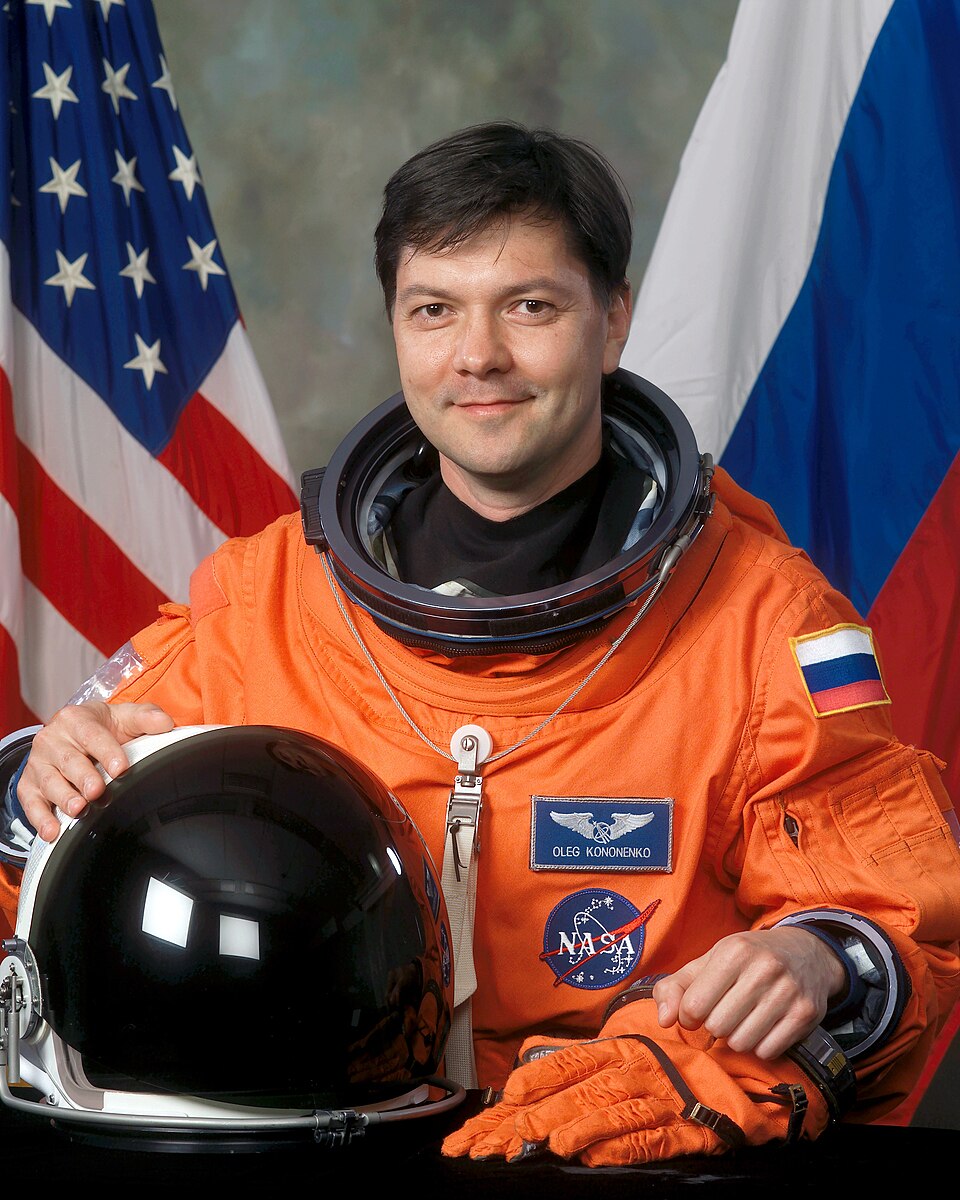
However, the claim itself is somewhat ambiguous. Although several astronauts have died from illnesses that may be associated with radiation exposure, most appear to have lived long lives and died from other causes.
This is so despite the fact that, for some individuals, their cumulative time in orbit far exceeds two years. However, physicians do not yet know how prolonged exposure to cosmic radiation affects people who were exposed to it before the age of 25. It is possible that, for these individuals, this may mean they will not live to the age of 60. Nevertheless, some time will pass before this can be determined with certainty.
Depressurization
Another significant hazard of space is the vacuum surrounding it. Consequently, spacecraft and space stations must be reliably sealed from this environment. They are designed to be airtight, and an air leak is a serious concern for all astronauts.
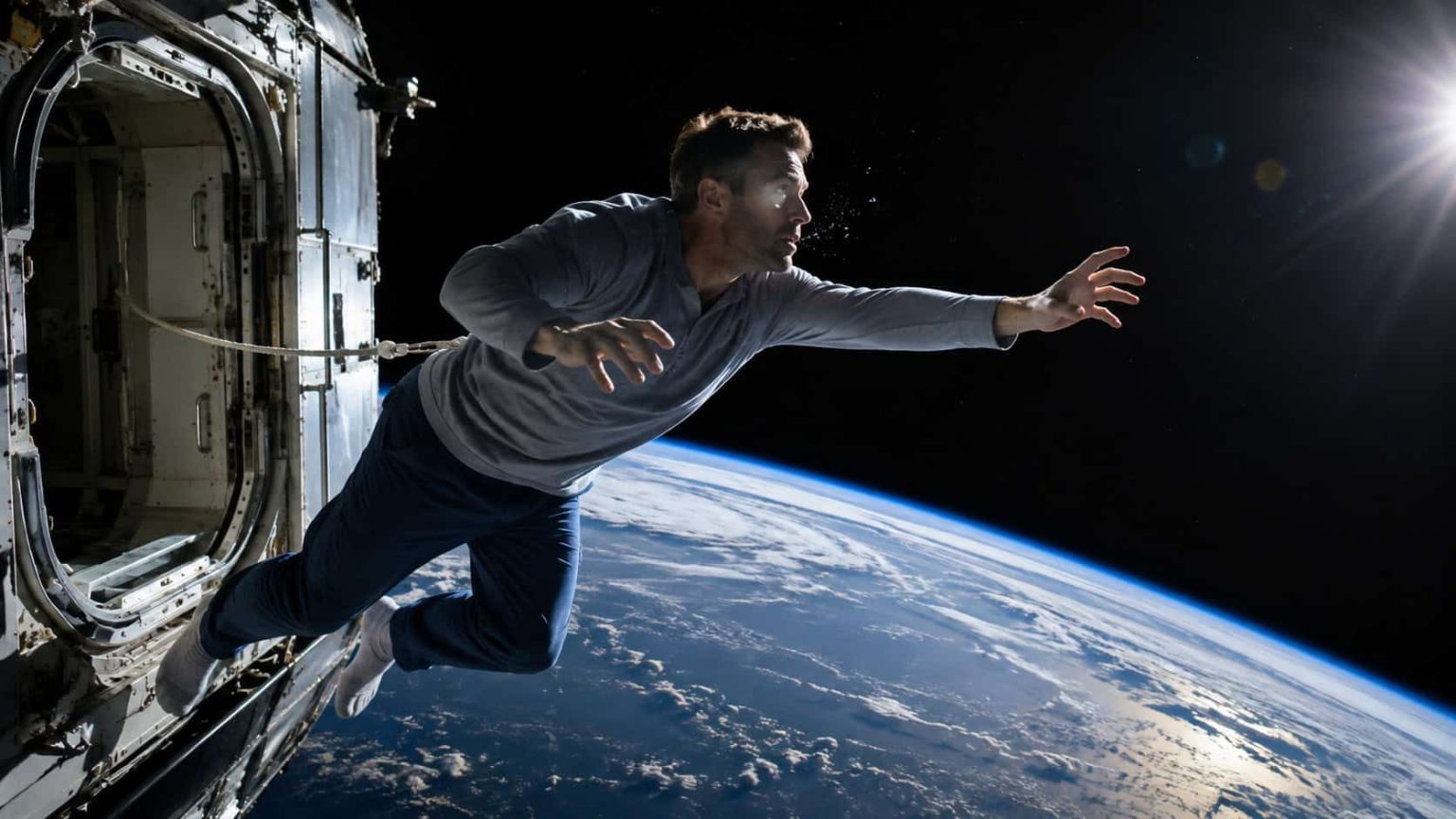
In this regard, popular culture often presents highly alarming depictions in which even a tiny hole in a spacecraft’s hull is said to instantly draw the air — and the objects within — out of the room. In some portrayals, a person is ejected into space through a small opening, facing an immediate and terrifying death. In this scenario, depressurization is depicted as a malevolent, murderous poltergeist.
Death due to decompression can occur rapidly, although not as quickly as is commonly imagined. It is also possible to die from decompression very quickly without being ejected from a spacecraft; simply being in a depressurized room can be fatal. Moreover, a sudden drop in pressure may cause loss of consciousness before an immediate threat to life arises.
This is indeed a significant hazard; when it is detected, the astronauts immediately suspend their current activities and begin seeking a solution. However, there is no risk of objects being pulled into space, as the airflow is too weak. On the contrary, any piece of paper or cloth lodged in the opening can substantially, though not entirely, slow the loss of the atmosphere.
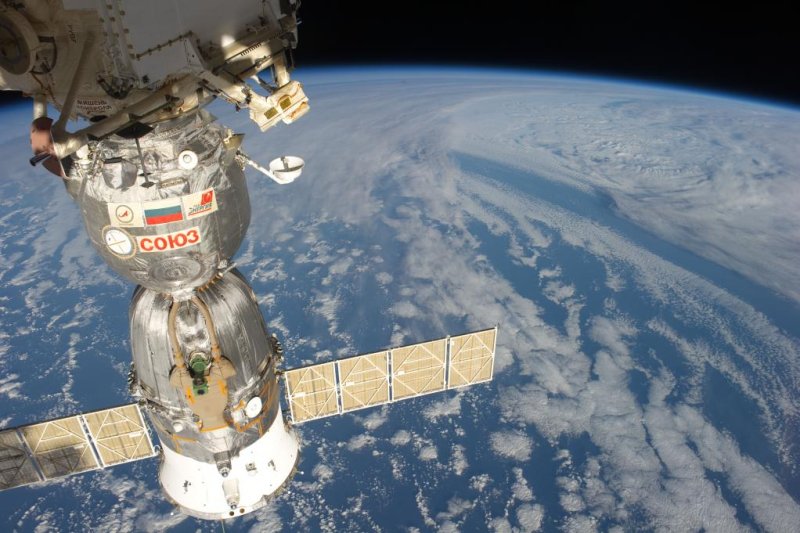
Source: www.upi.com
Fire
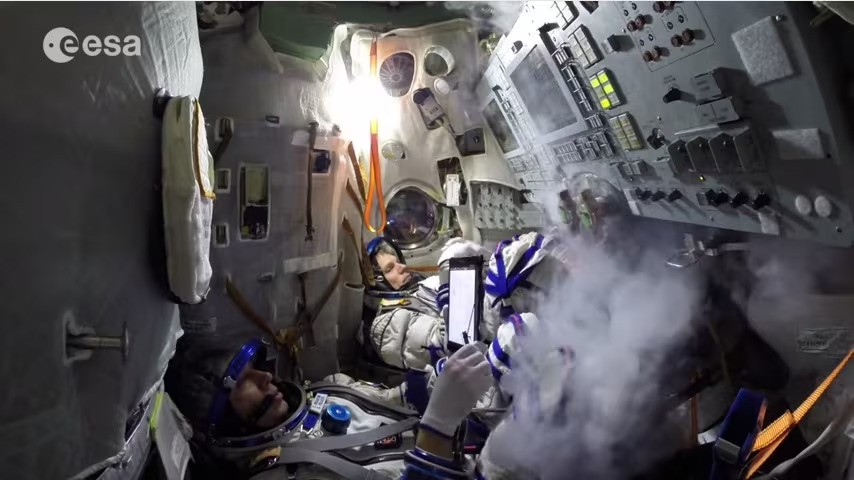
However, one hazard whose severity is often underestimated in popular depictions of space adventures is fire. On Earth, a fire may seem easy to control. In the conditions of weightlessness, confined spaces, and extensive electronic equipment, however, it becomes a truly deadly threat.
For this reason, astronauts take every precaution to prevent an open flame from igniting aboard the station. Under these conditions, fire is highly unpredictable, and an outbreak could kill everyone within seconds. The danger comes not only from the flames themselves but also from combustion products, which have nowhere to dissipate and may be inhaled by the astronauts.
A fire aboard a spacecraft is one of astronauts’ greatest concerns. Paradoxically, this particular hazard can be addressed by introducing another: depressurization. A fire in space does not necessarily need to be extinguished with water or foam; it may be sufficient to cut off the oxygen supply to the compartment or allow the air to escape.
Death on the way back
A familiar plot twist in many horror films occurs when, near the conclusion, an ultimate evil suddenly emerges. The same principle applies to spaceflight: the most dangerous phase of a flight is landing.
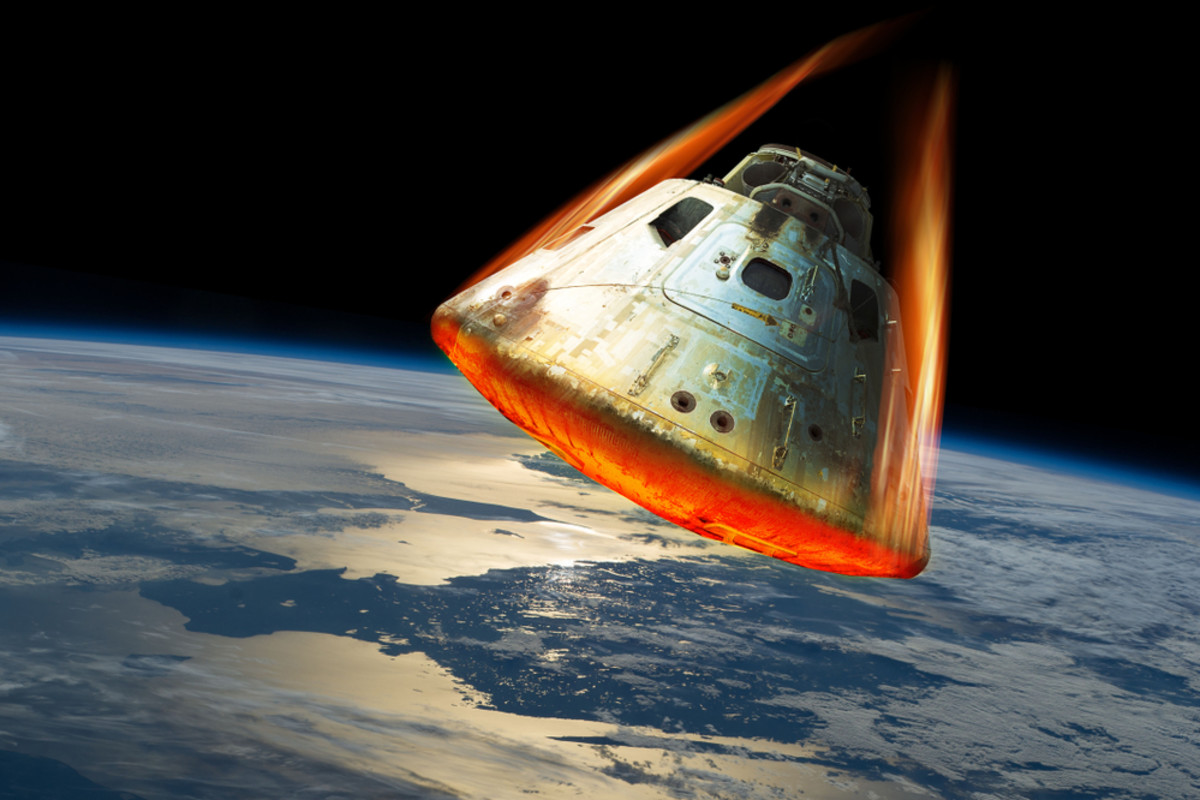
This process is highly complex because the orbital velocity must be reduced, primarily through atmospheric drag. However, this causes kinetic energy to be converted into thermal energy, and eventually, the capsule carrying the astronauts becomes enveloped in plasma. Under these conditions, even aluminum can begin to burn; therefore, the capsule must be constructed from a material with substantially greater heat resistance.
In addition to the brief period of several dozen seconds during which the spacecraft decelerates most rapidly, it also loses contact with Earth. This occurs because the same plasma that blocks radio waves also disrupts communications. As a result, the astronauts may experience a profound sense of dread as everything around them is engulfed in flames, while they are unable to call for help.
A section of the hull could burn through, allowing plasma to enter the cabin. Alternatively, the hull might not burn through completely but could be weakened, resulting in a breach. The altitude would remain extremely high, and the air would be thin. This is precisely how the crew of “Soyuz-11” died in 1971. Since then, no one has risked returning from orbit without spacesuits.
Additionally, during landing, the capsule may shake violently and bounce about. Generally, this is not dangerous, but the experience can be highly unpleasant. In reality, however, the greatest danger arises at the very end. The spacecraft is expected to come to a complete stop when its parachute deploys. But what happens if it fails to open? The consequences would be fatal, much like being in an elevator whose cable has snapped and whose safety systems have failed. During those final seconds, you would know that death was imminent, yet be powerless to prevent it.
Death in solitude
However, an astronaut may face a fate even more terrifying than death during reentry into Earth’s atmosphere: drifting into open space after becoming detached from a spacecraft or space station and experiencing extreme acceleration. If this were to occur in Earth orbit, the consequences would be extremely dangerous.
The astronaut may still have some oxygen remaining in his spacesuit and, perhaps, a means of communicating with someone. In that case, he could theoretically call for assistance. However, it is unlikely that help would arrive. Even if his trajectory is being closely monitored, it is uncertain whether any of the spacecraft docked at the station would have sufficient fuel to intercept him and return him safely. Furthermore, the radio transmitter inside the spacesuit may be too weak. Throughout this time, the astronaut would not know whether anyone was attempting to rescue him.
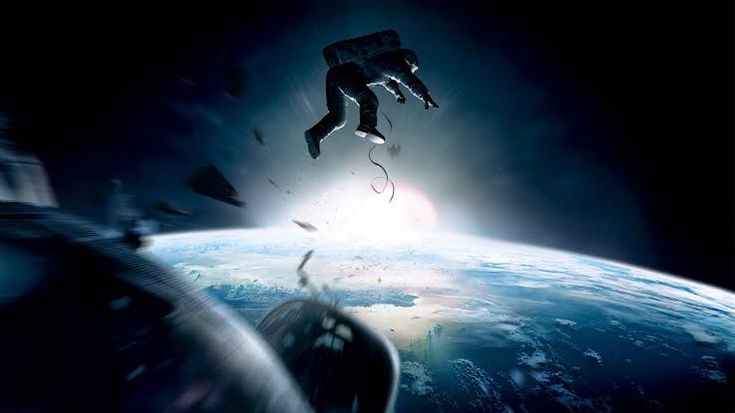
A person cannot save themselves in such a situation. To alter their course, they would need a rocket engine; even if the spacesuit were equipped with one, it would be far too weak. Consequently, the astronaut would most likely face a horrific death alone, suffocating inside the cramped spacesuit. Radio communication might remain functional in at least one direction, allowing the astronaut to tell anyone who could hear them how terrified they were before they died. Alternatively, they might spend their final hours alone with terrifying thoughts. Their only remaining choices would be to open the spacesuit and die from decompression — which, incidentally, would not be instantaneous — or to wait until the carbon dioxide they exhaled gradually poisoned their brain.
However, even this is insignificant compared with a situation in which an astronaut falls out of a spacecraft while wearing a spacesuit, somewhere en route to Mars or Jupiter. In such circumstances, it is virtually certain that no one will hear the astronaut or come to their rescue. A prolonged and agonizing death would be almost inevitable, and it would occur in darkness, without any landmarks.
Perhaps the most terrifying fate in the depths of space is to endure a long, slow death in the vast black void, where there are no sounds or points of reference beyond the light of the stars and the distant Sun. You would die in solitude, alone with your fears, knowing that your body would most likely never be found. It might orbit the Sun for millions of years before eventually colliding with a planet.
